






























What Actually Changes
for the planet and for you — when a piece exists because you chose it, not because a warehouse needed inventory.
- why sustainability starts before the metal
- made-to-order vs. mass-produced: what actually changes
- what "fast jewelry" costs the planet
- how made-to-order cuts waste, step by step
- what you gain, not just what the planet does
- what made-to-order doesn't solve
- how juwels & co approaches this
- questions worth asking before you buy
- frequently asked questions
"sustainable jewelry" gets used to describe almost anything — recycled metal, a tree planted per order, a certification logo in a footer. most of it is about materials. almost none of it is about how the piece actually got made, and that's the part that changes the most.
if you've ever wondered whether "made to order" is a real sustainability claim or just a nicer way of saying "slower," this is the plain version.
why sustainability starts before the metal
most conversations about jewelry and sustainability start with the metal — is it recycled, is it responsibly mined, is it solid or plated. those are real questions. but they all assume the piece already exists. they skip the step before that: was this piece built because someone chose it, or was it built on a guess?
jewelry, like apparel, is largely made ahead of demand. brands forecast what will sell, produce a batch, and hope the guess is close. the portion that doesn't sell gets marked down, returned to stock, or eventually melted back into raw material. gold can be recovered that way — it's one of the few materials that's genuinely infinitely recyclable. but the mining, refining, labor, and energy that went into a piece don't get undone just because the metal itself gets reused. that cost was already spent the moment the piece was made, whether or not it ever found an owner.
retail math makes this worse, not better. minimum order quantities, "safety stock" kept on hand to avoid running out, and seasonal discounting cycles all push brands toward building more than they expect to sell, on the logic that a markdown is cheaper than a missed sale. that logic might work fine for a balance sheet. it isn't neutral for the planet — a piece that sells at 40% off still required the same mining, refining, and bench time as one that sold at full price.
made-to-order vs. mass-produced: what actually changes
the difference isn't about craftsmanship alone — a factory can also build well. it's about when the piece gets built, and why.
built in batches ahead of demand — sized and styled by a sales forecast, not by a specific person.
built after you choose it — the size, the stone, the piece, in that order.
no unsold inventory sitting in a case waiting to be discounted, remelted, or written off.
what "fast jewelry" costs the planet
fashion overall produces meaningfully more than it sells, and jewelry isn't automatically exempt just because metal can be melted down and reused. trend-driven jewelry — pieces designed around a moment rather than a lifetime — follows the same overproduction pattern as fast fashion: batches built ahead of a trend, discounted once the trend passes, and eventually pulled from shelves.
the metal in those pieces usually does get recovered. the water, energy, labor, and mining impact that went into producing more than was needed does not reverse. that's the part of the sustainability conversation that "it's just going to get recycled anyway" tends to skip.
a charm shaped like whatever's trending this month, a finish that's popular on social media this season — pieces built around a moment are, by design, meant to be replaced rather than kept. that's a legitimate way to run a jewelry business. it just isn't a sustainable one, regardless of what metal the piece happens to be made from. a piece designed to last two seasons was never going to be a low-impact purchase.
how made-to-order cuts waste, step by step
no piece is cast, set, or polished until a specific order comes in.
gold, stones, and findings are sized to exactly what that one ring needs — not a batch of twelve in case some sell.
there's no unsold version sitting in a display case waiting to be marked down or melted back into raw stock.
bench scrap and offcuts, which get collected and remelted — not entire finished pieces that never sold.
what you gain, not just what the planet does
the customer-facing side of this isn't incidental. a piece built for you means the size is exact from the start, the stone is the one you actually chose, and nothing about it was rushed to fill a shelf ahead of a season. it's a slower way to buy jewelry — but the slowness is doing something, not just standing in for a marketing pause.
it also tends to mean a smaller, more accountable production line. when a bench is building a handful of specific pieces instead of a few hundred identical ones, mistakes get caught before they leave the building, and every finished piece already has a name attached to it before it's even started.
what made-to-order doesn't solve
made-to-order is a real answer to one specific problem — overproduction. it isn't a stand-in for every other sustainability question, and it's worth being honest about where it stops.
it doesn't make the metal itself more responsibly sourced — that's a separate question, about where the gold comes from, not how the piece was built.
it doesn't make a piece arrive instantly — building to order takes longer than pulling one off a shelf.
it doesn't automatically mean handmade — a large factory can also build to order, and the two aren't the same claim.
how juwels & co approaches this
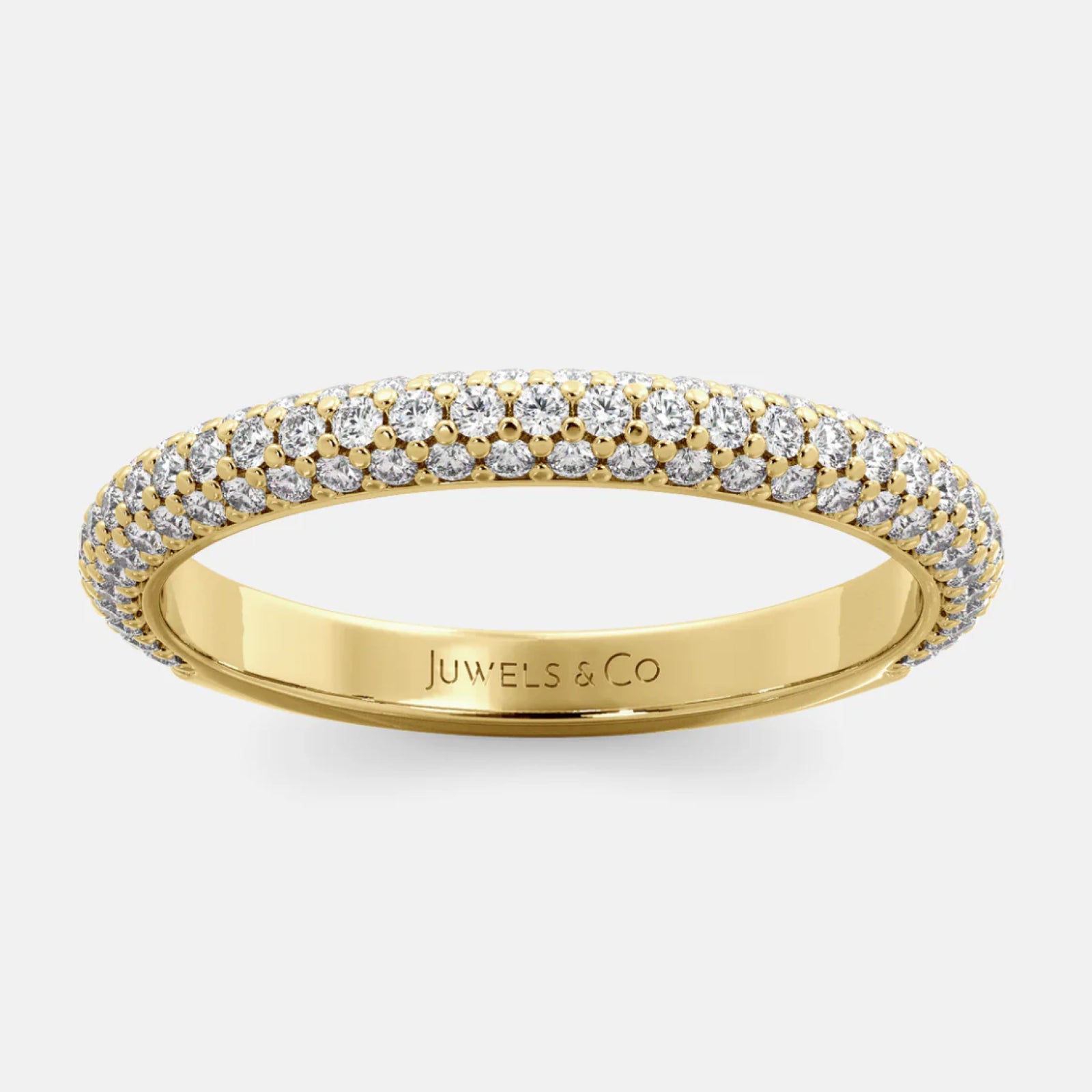
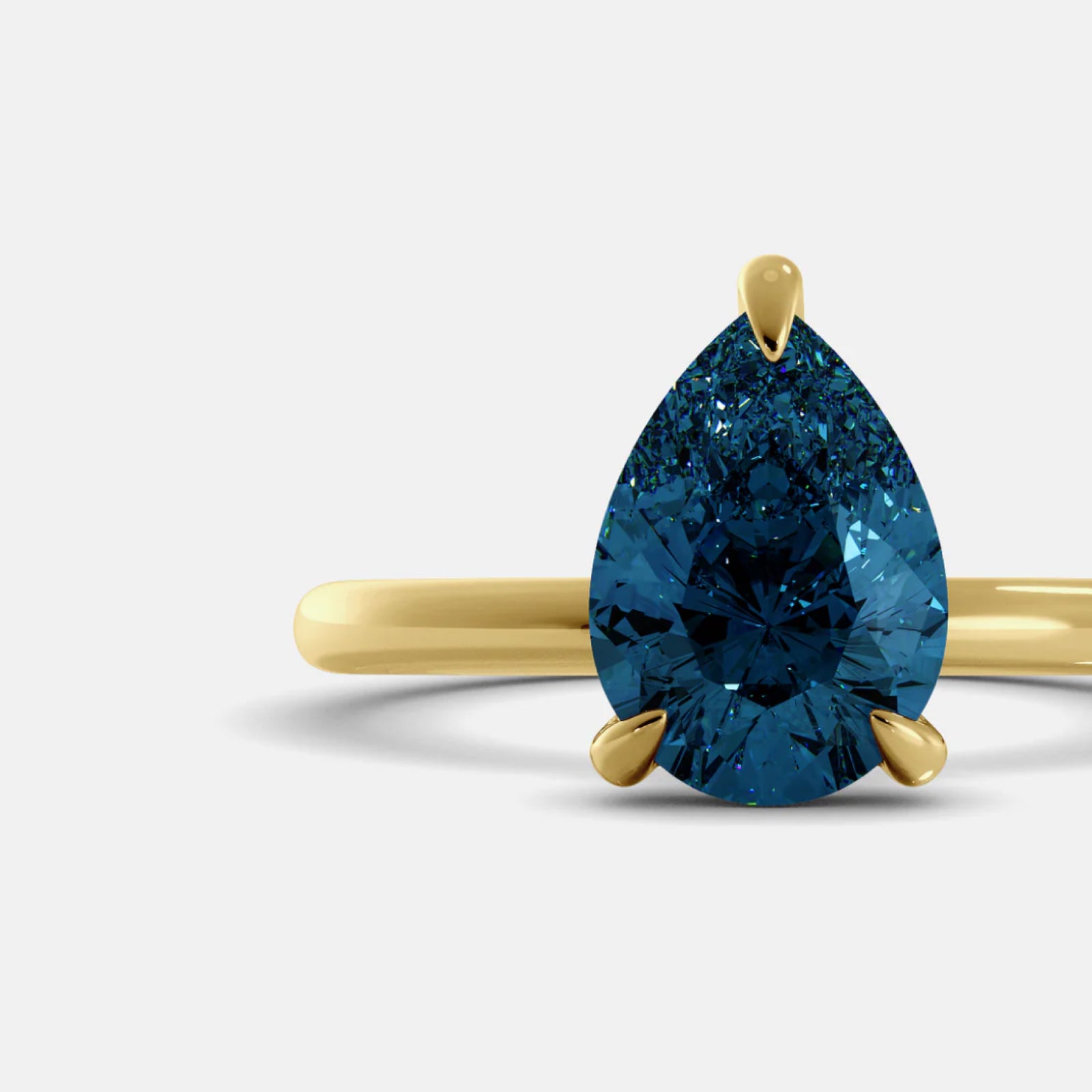
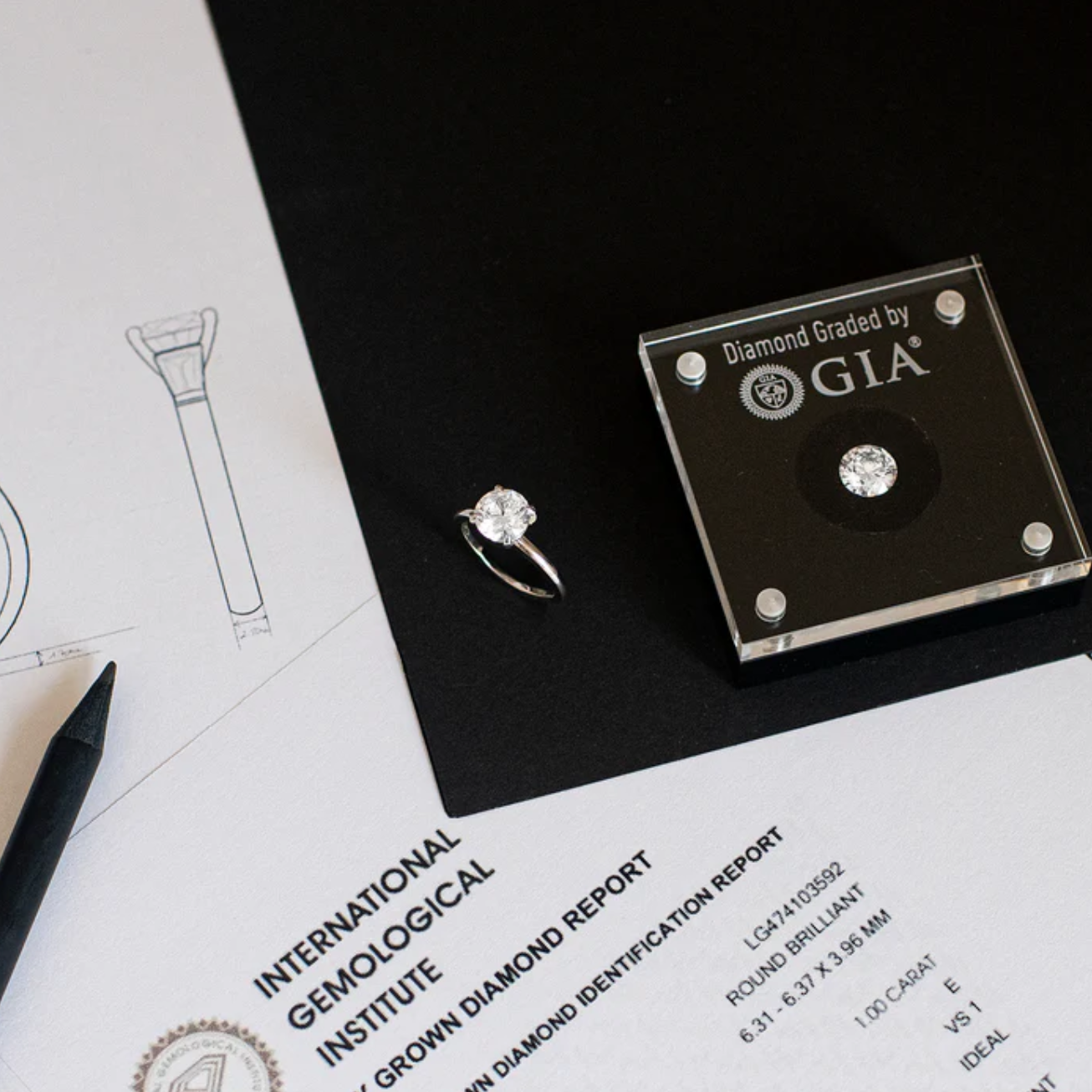
every juwels & co piece is handcrafted to order in los angeles — nothing is cast, set, or finished until someone chooses it. that's true of a single stud and a fully custom design alike. we're not producing inventory that sits in a case hoping to sell; each piece exists because someone chose it. a bench building one ring at a time, for one person, isn't slower because it's inefficient — it's simply a different kind of efficient: nothing gets built twice, and nothing gets built for no one.
[julia — two specifics worth confirming before this goes live, the same way we flagged the solid-gold post: roughly how bench scrap and offcuts get handled on our end (recycled in-house, sent back to a refiner, etc.), and a production timeframe you're comfortable stating publicly for made-to-order pieces. i've kept the rest of this section to what's already true and verifiable.]
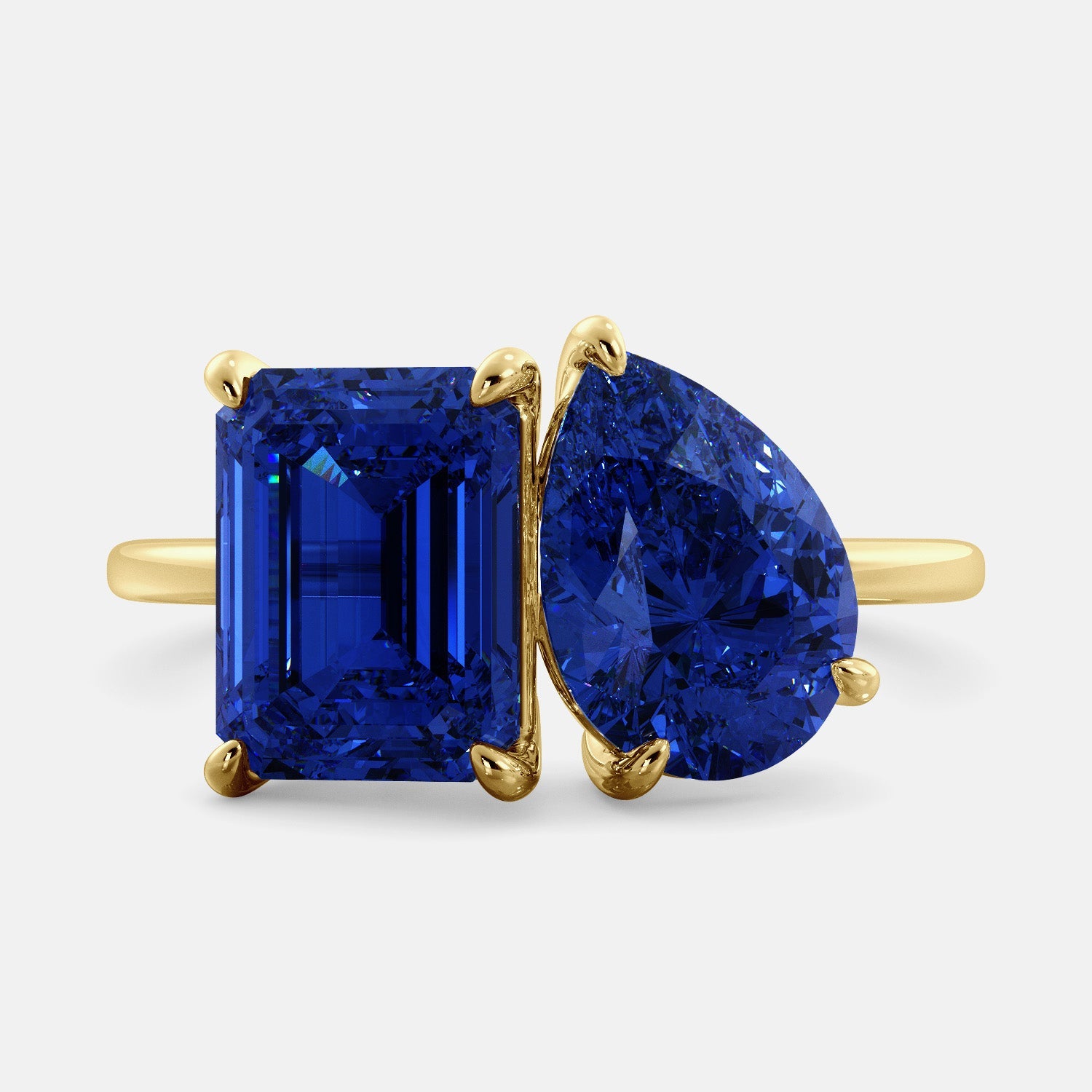
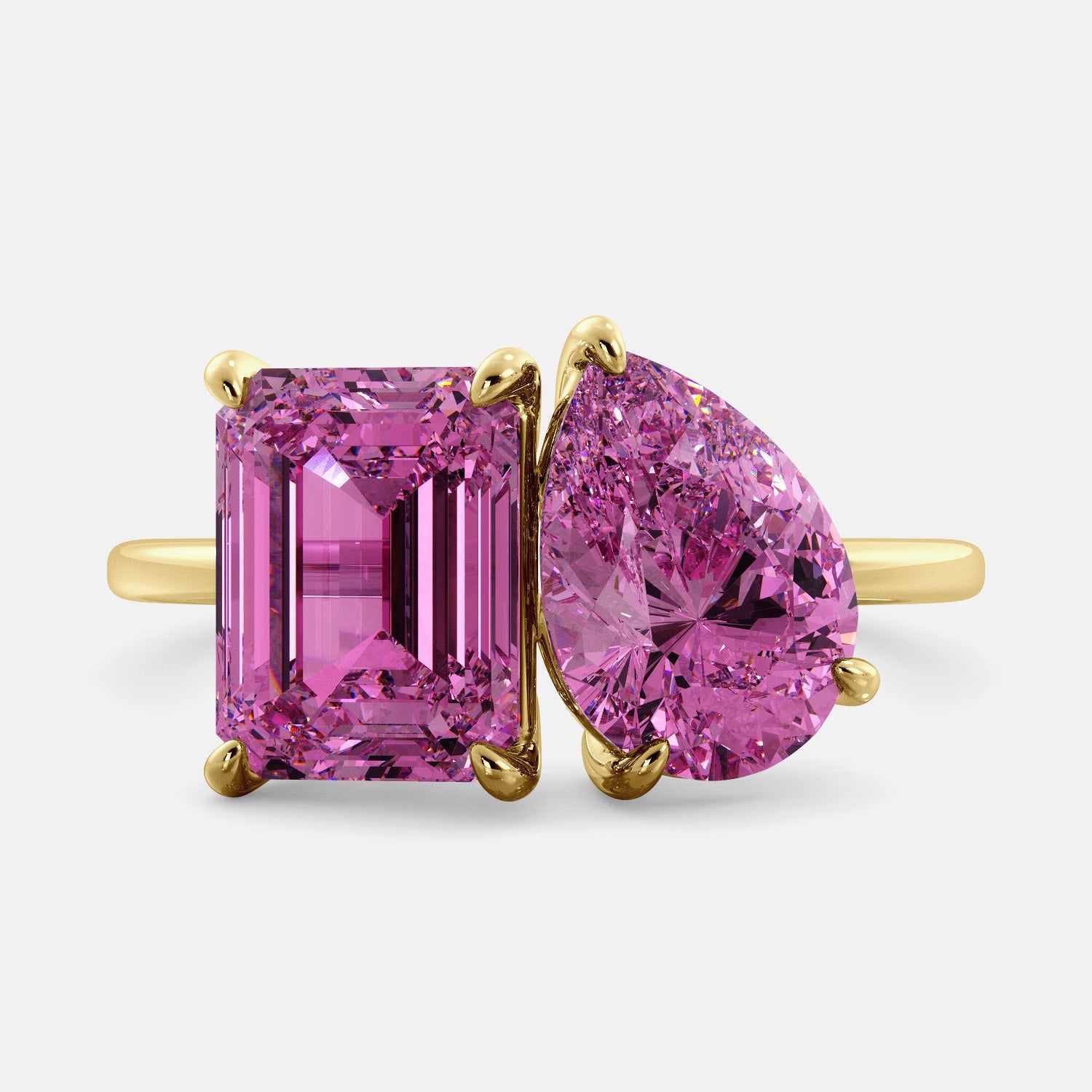
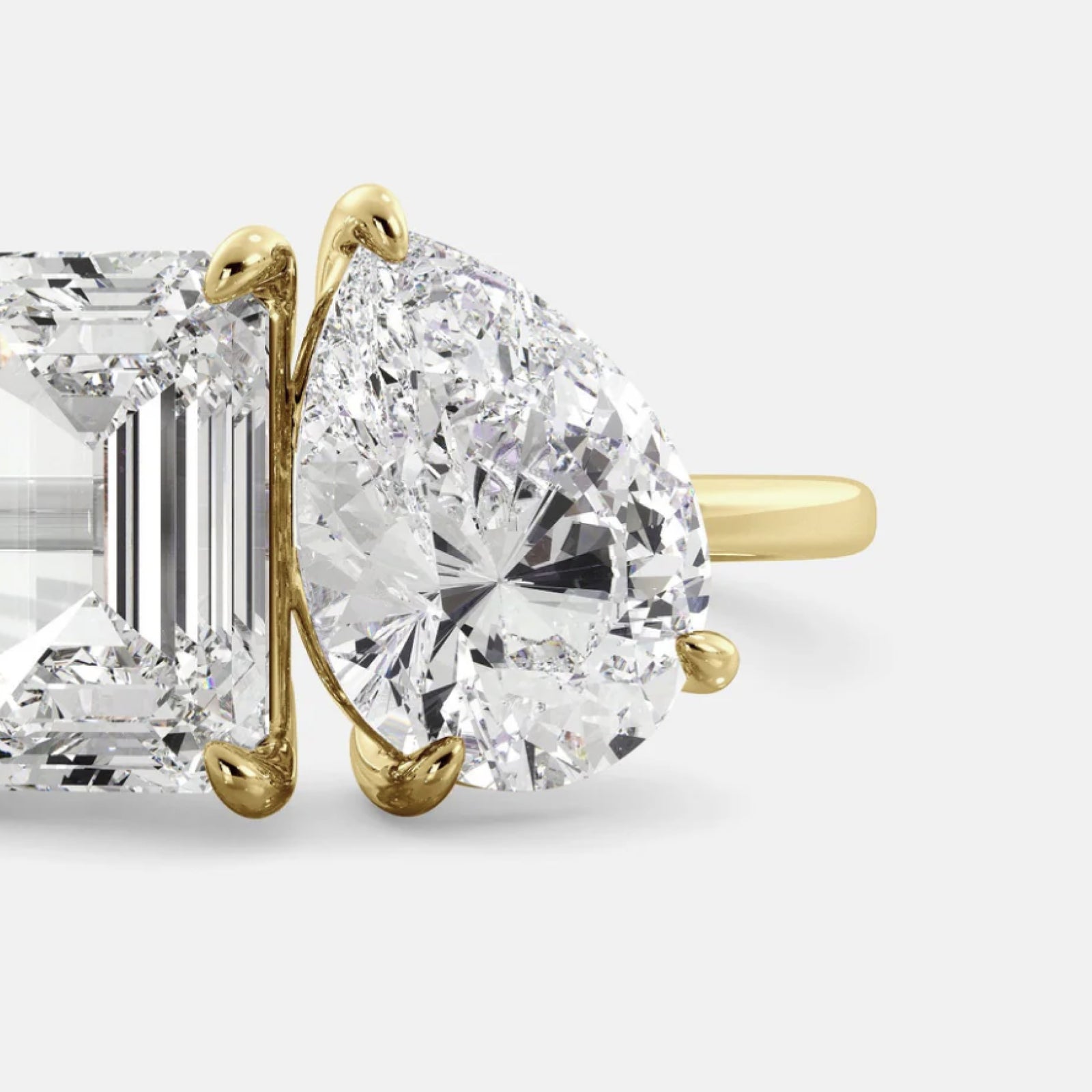
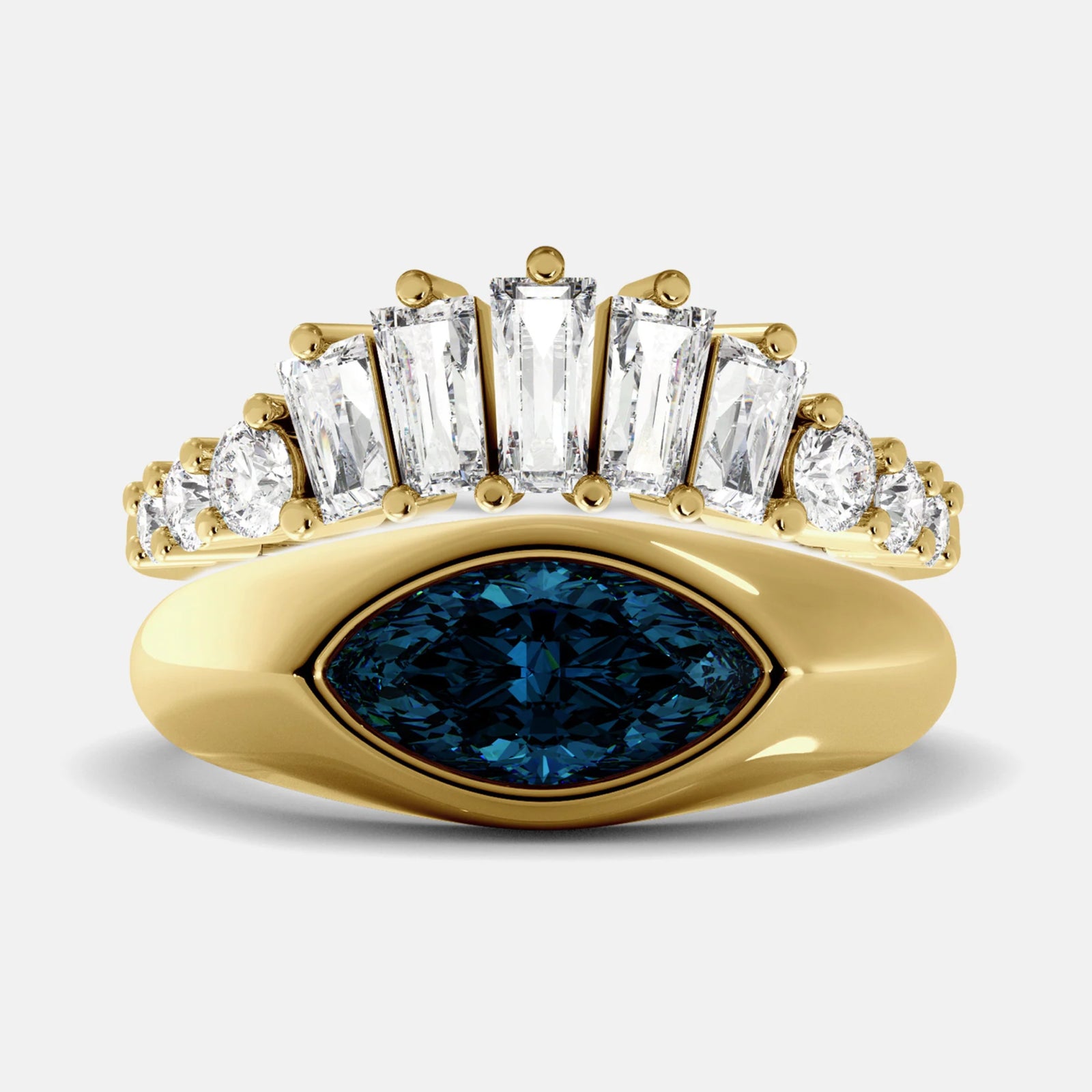
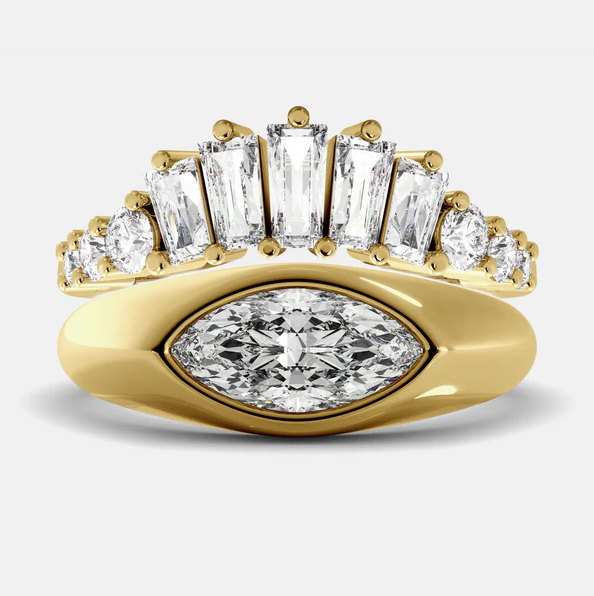
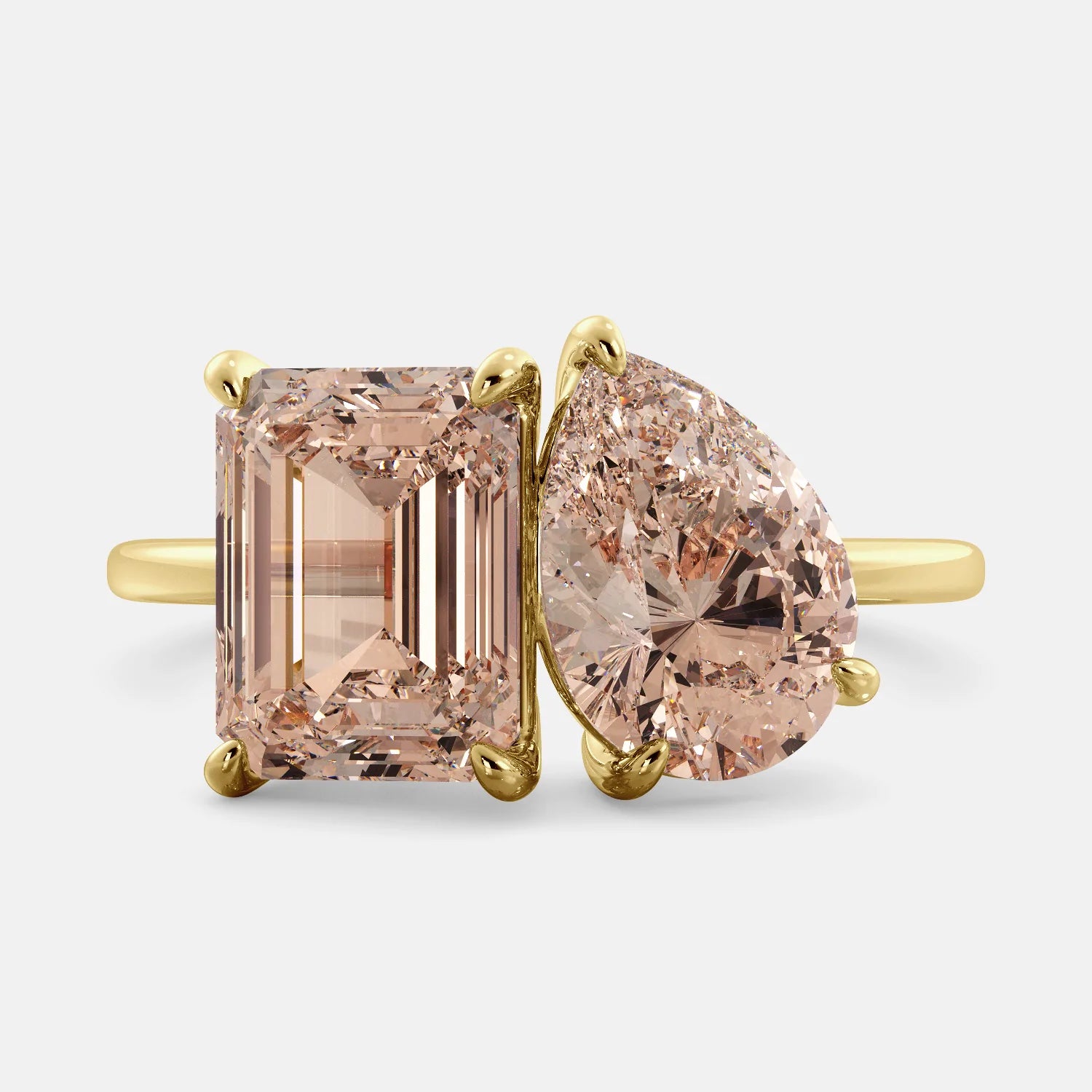
a toi et moi ring is a literal example of this — two stones, chosen by you, set together in a piece that only exists once you've made both choices.

questions worth asking before you buy
is this piece built after i order it, or pulled from existing stock?
how long does made-to-order actually take, and why?
what happens to a piece if it's returned — resold, reworked, or discarded?
are "handmade" and "made-to-order" being used to mean the same thing, or two different things?
a brand that can answer these plainly is one worth trusting with the rest of the story.
frequently asked questions
is made-to-order jewelry more sustainable than jewelry bought off the shelf?
what's the difference between made-to-order and custom jewelry?
why does unsold jewelry inventory matter for sustainability?
does made-to-order jewelry take longer to receive?
is made-to-order jewelry more expensive than mass-produced jewelry?
how can i tell if a jewelry brand actually makes pieces to order?
built because you chose it
not because a warehouse needed it
every piece is handcrafted to order in los angeles, from a single stud to a fully custom design.
explore the collection →


