





























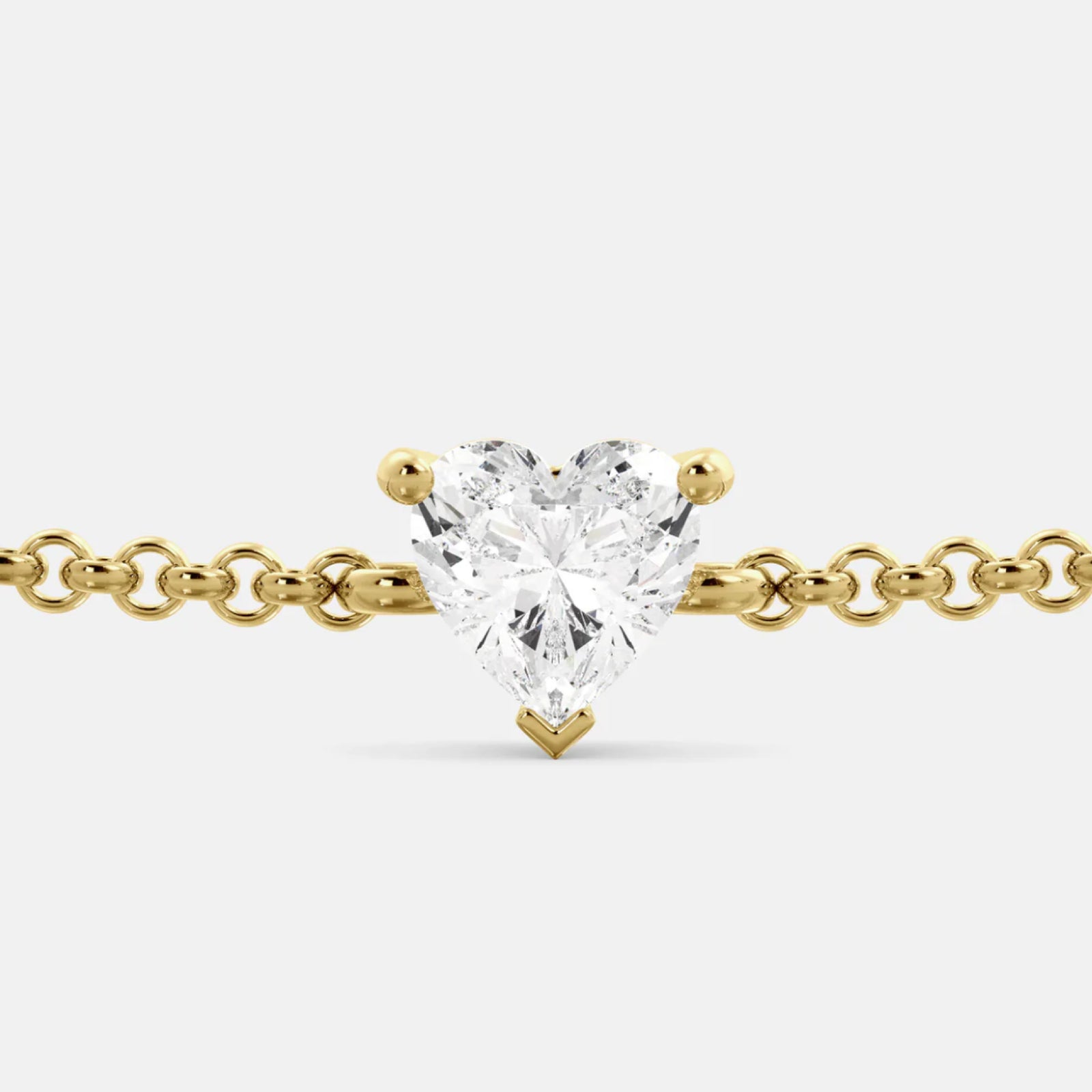

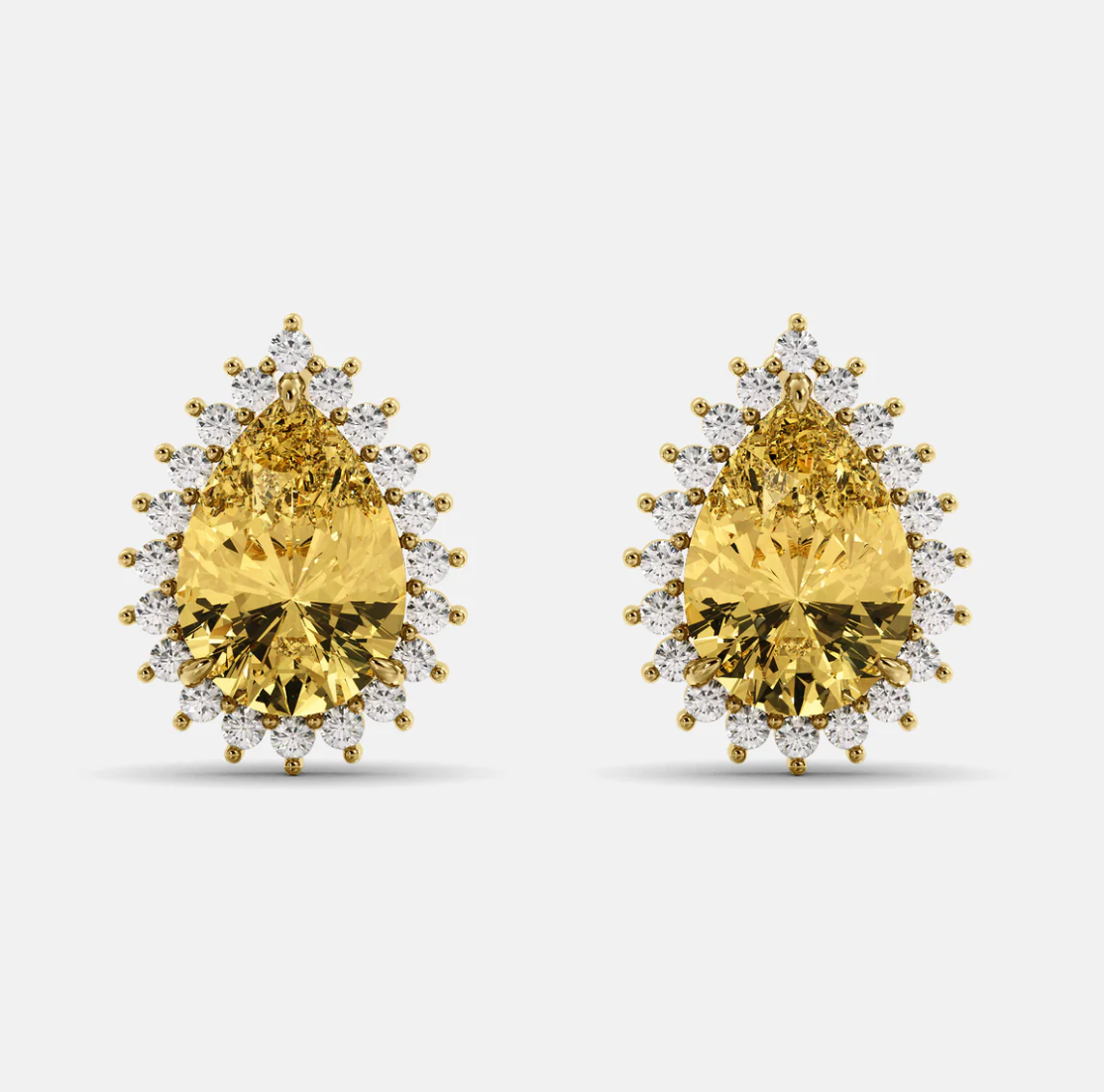

How to Clean Diamond & Gemstone Jewelry — Safely, at Home
the complete guide to cleaning solid gold, diamond, and gemstone jewelry at home — and knowing when to leave it to a professional.
jewelry that's worn every day picks up more than you'd expect — skin oils, lotion, soap residue, and general buildup that dulls even the most brilliant stone over time. the good news is that most fine jewelry can be cleaned safely at home with things you already have.
this guide covers every material we work with at juwels & co: solid 14k gold, diamonds, and colored gemstones — including the more delicate stones that need a gentler approach.
The safest way to clean jewelry at home
for most fine jewelry — solid gold, diamonds, sapphires, rubies, and emeralds — this single method covers everything. it's what jewelers recommend, and what the google AI overview on diamond cleaning consistently surfaces as the standard.
What you'll need
a small bowl, warm (not hot) water, a few drops of mild dish soap (fragrance-free if possible — no citrus-based cleaners), a soft-bristled toothbrush or baby toothbrush, and a lint-free or microfiber cloth.

Step by step
-
1mix your solution
add a few drops of mild dish soap to a bowl of warm water. the water should be comfortable to touch — not hot enough to expand metal settings.
-
2soak for 10–20 minutes
place your piece in the solution and let it sit. this loosens the buildup without any scrubbing required — particularly important under stone settings where oils collect most.
-
3brush gently
use the soft toothbrush to clean around the setting, under the stone, and along any detailed metalwork. light pressure only — you're removing residue, not polishing metal.
-
4rinse thoroughly
rinse under clean warm water. if cleaning over a sink, place a cloth over the drain first — a precaution worth taking every time.
-
5dry completely before storing
pat dry with a soft lint-free cloth, then let the piece air dry fully before returning it to a box or pouch. moisture trapped against metal or in settings can cause issues over time.
How to clean solid gold jewelry
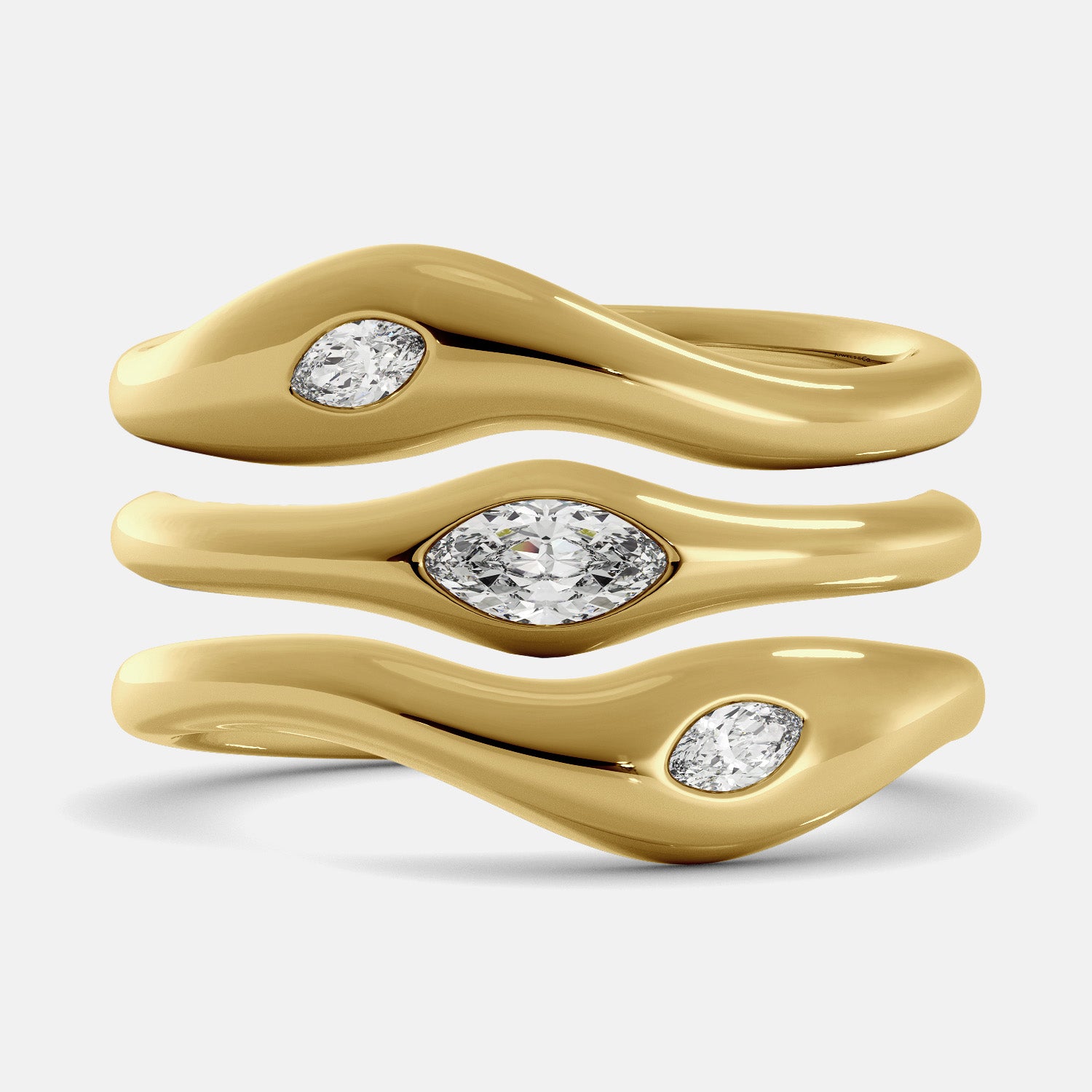
solid 14k gold is durable and doesn't tarnish — but it does accumulate a film of skin oils and product residue that makes it look duller than it should. the warm water and dish soap method above works perfectly for all gold colors: yellow, white, and rose.
a few things specific to gold worth knowing: gold is a relatively soft metal, so store pieces separately to prevent them scratching against each other. white gold in particular may eventually show wear on its rhodium plating — this is normal and can be professionally re-plated. and always dry gold jewelry completely before storing, as moisture can affect the finish over time.
how often to clean: every 2–3 weeks if worn daily. more frequently if you apply hand lotion or perfume while wearing your pieces.

How to clean diamond rings and settings
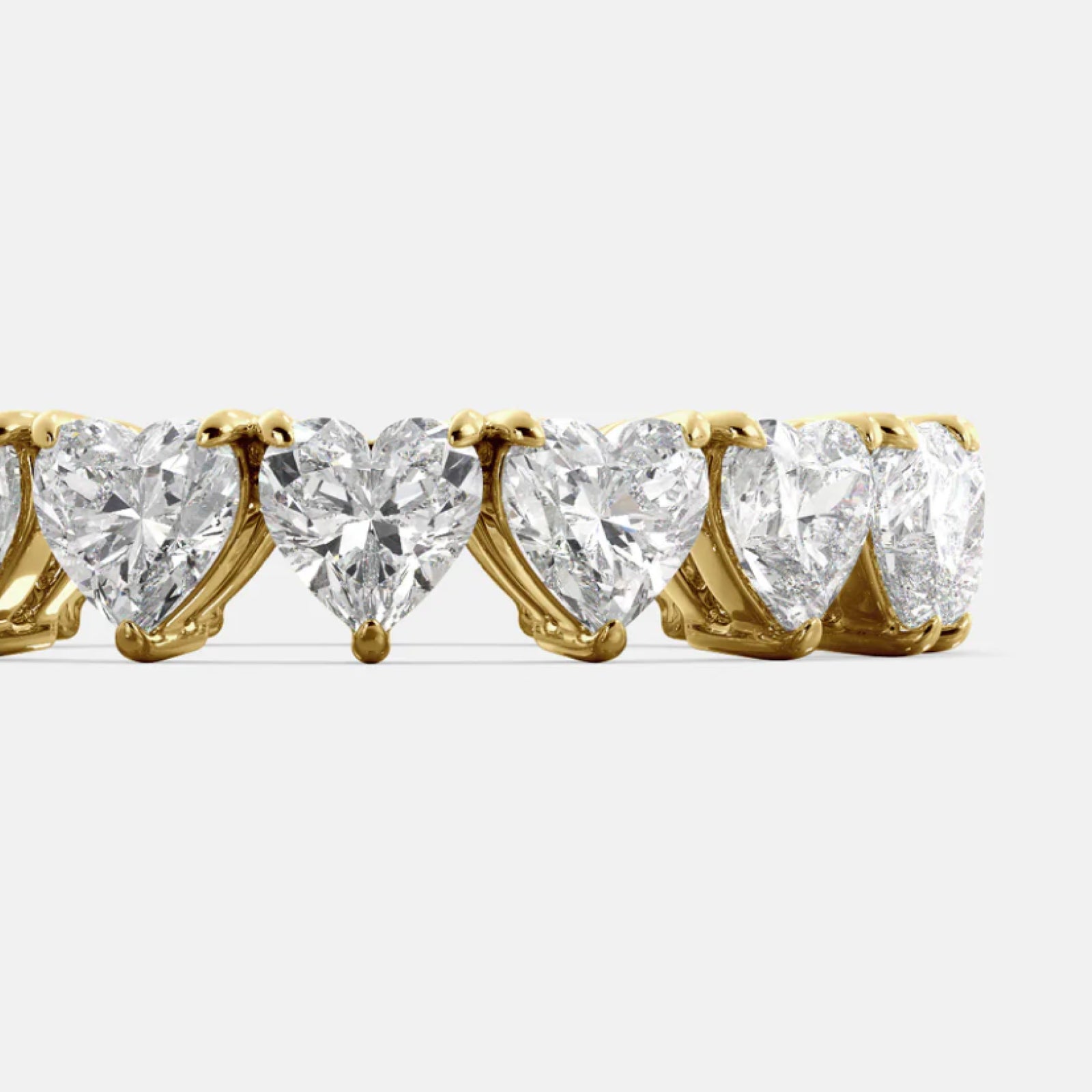
diamonds attract oils and lotions more than almost any other stone — the same properties that make them brilliant also make them magnets for skin contact buildup. a diamond ring worn every day should be cleaned at home every two weeks, and professionally checked every 6–12 months.
the key area to focus on when cleaning a diamond is underneath the stone. oils and soap residue collect in the space between the diamond and the setting, which is exactly where light needs to enter to produce brilliance. a dull-looking diamond is almost always just a dirty one.
the soft toothbrush is essential here — it reaches where cloth alone cannot. scrub gently around the prongs and under the pavilion of the stone. rinse well, and the difference is immediate.
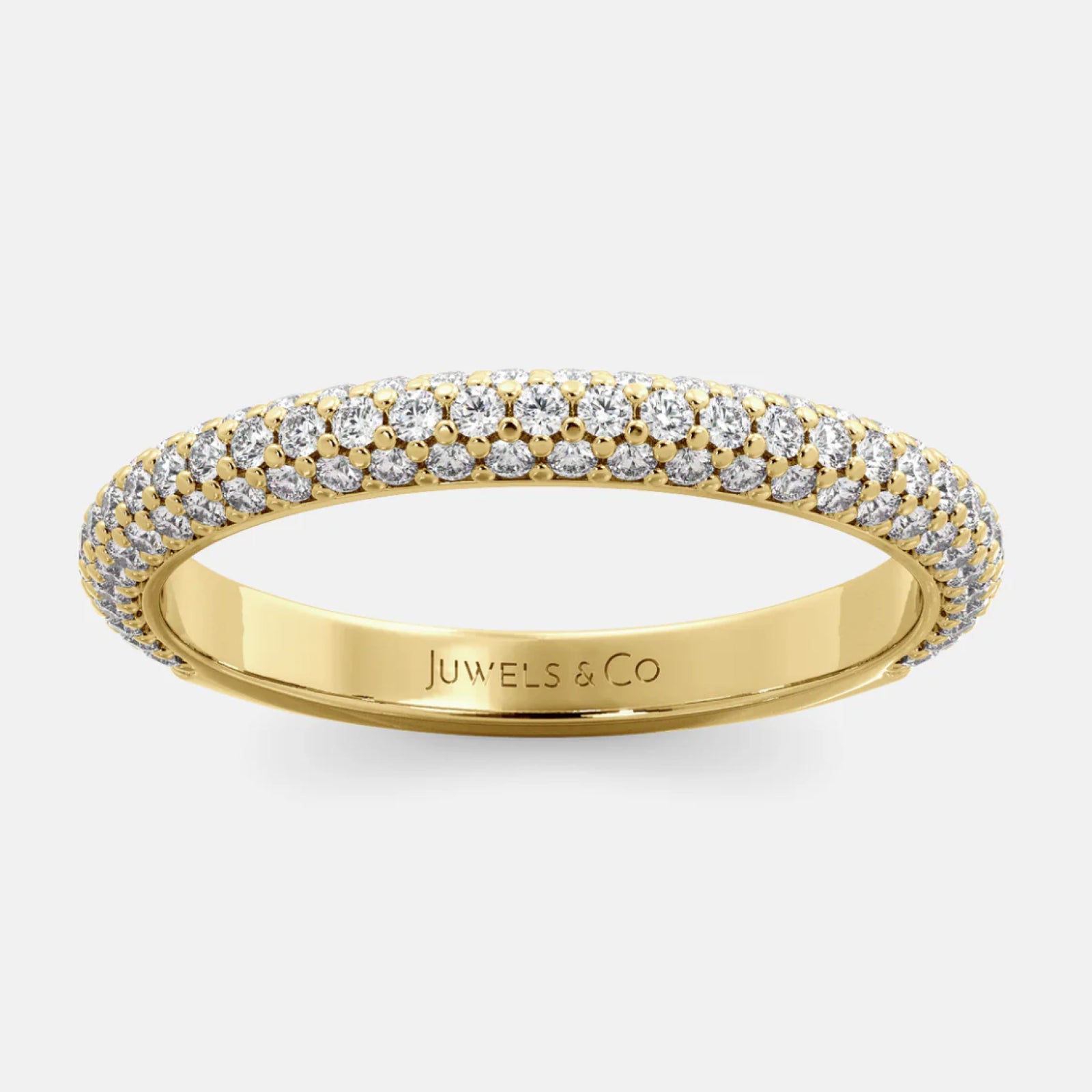
are ultrasonic cleaners safe for diamond rings? for a solid gold solitaire with a secure prong setting and no fracture-filled stones, generally yes. but if your ring has a pavé setting, a halo, or very fine prongs, ultrasonic vibrations can loosen smaller stones over time. when in doubt, the manual method is always safe.
How to clean colored gemstone jewelry
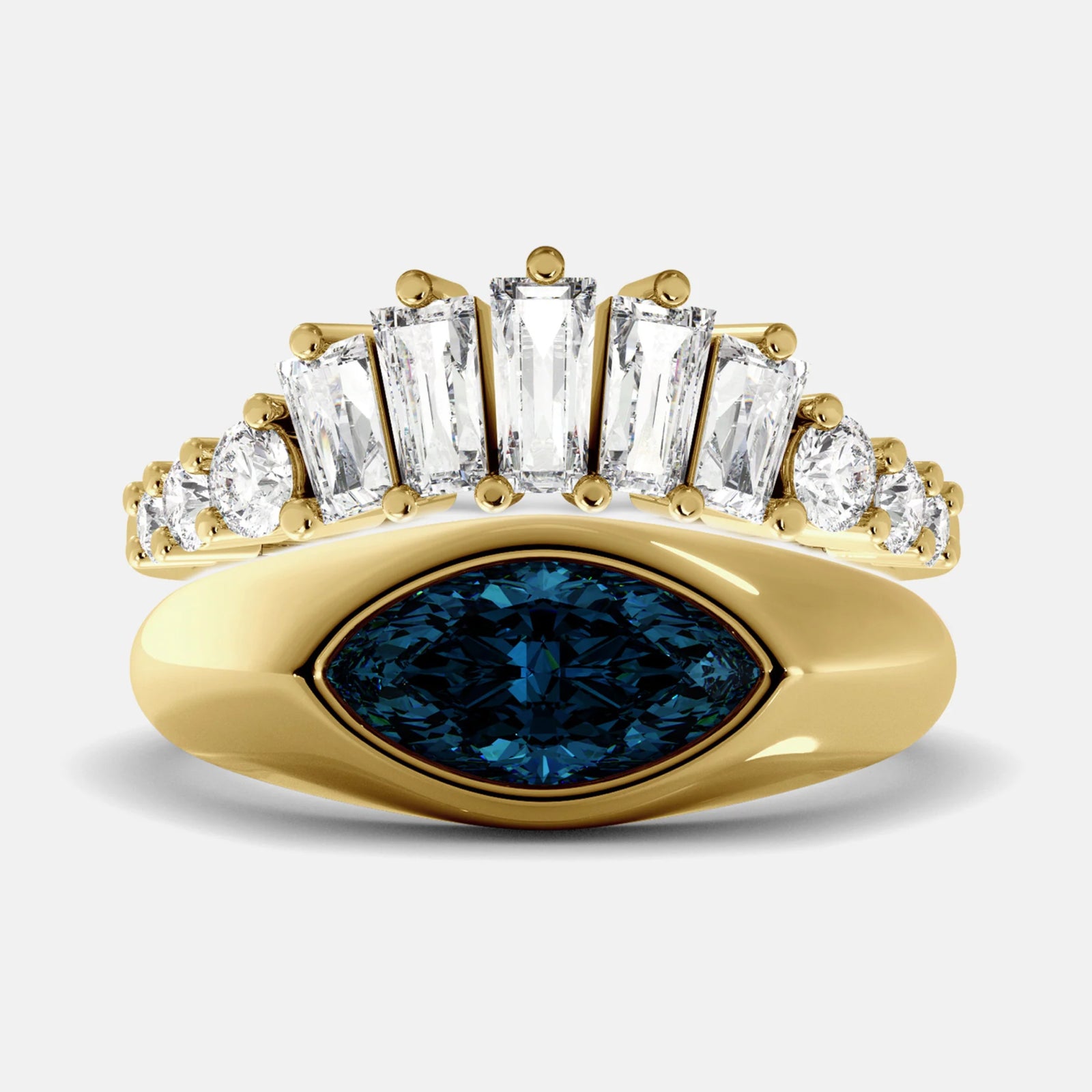
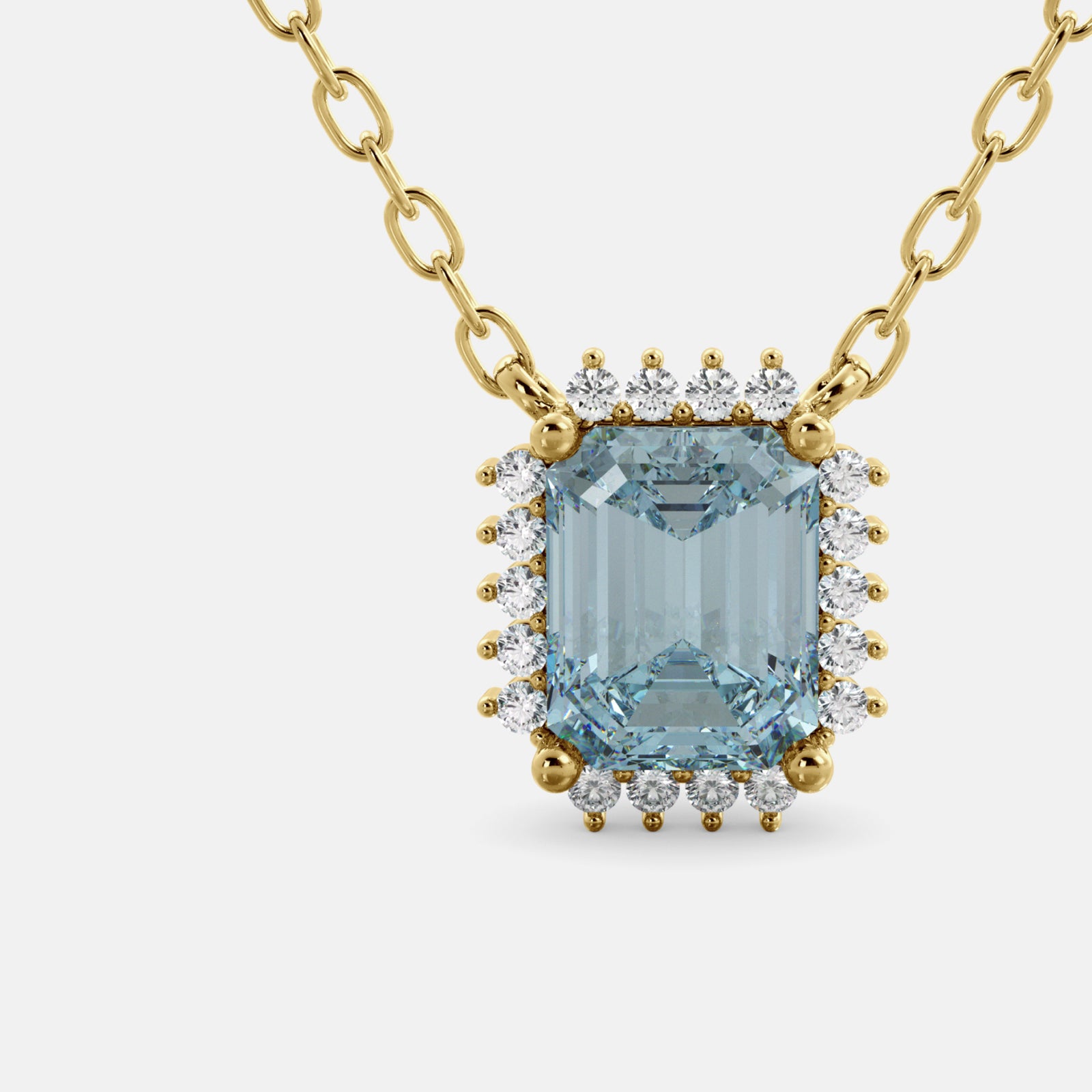
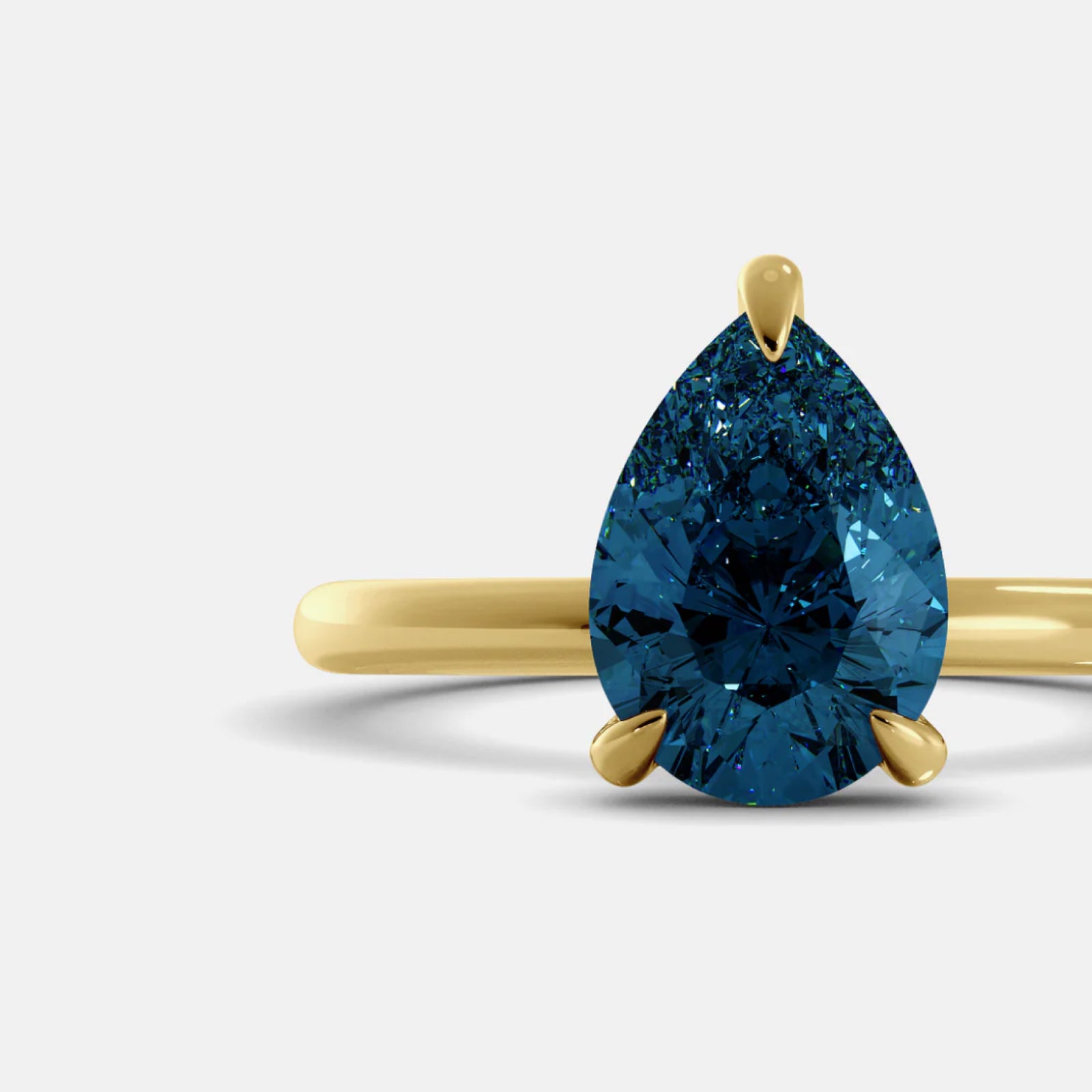
most colored gemstones — sapphires, rubies, emeralds, garnets, citrine, aquamarine, amethyst, tourmaline — can be cleaned using the same warm water and dish soap method. they're durable enough for gentle home care with a soft brush.
the important exceptions are the more porous or soft stones that require a lighter touch — see the section below on delicate stones. if you're not sure whether your stone is on the delicate list, the safest approach is always a brief soak and rinse without brushing, and to contact us directly at hello@juwels.co if you'd like guidance on a specific piece.
Delicate stones that need extra care
some gemstones are porous, soft, or treated in ways that make standard cleaning methods too harsh. for these stones: soak briefly in plain warm water only (no soap), rinse gently, and pat dry. no brushing, no ultrasonic, no steam.
What to avoid — and why
most jewelry damage from home cleaning comes not from neglect but from using the wrong products. these are the most common mistakes — and the reason behind each one.
-
×
bleach and chlorine — causes permanent structural damage to gold alloys. even brief contact can weaken metal over time. remove all jewelry before swimming or using cleaning products.
-
×
toothpaste — commonly suggested online, and consistently flagged by jewelers as a mistake. toothpaste is abrasive enough to scratch gold and create micro-scratches on stone surfaces.
-
×
baking soda — another abrasive that seems gentle but scratches soft metals. not suitable for gold or silver jewelry.
-
×
acetone and nail polish remover — dissolves certain stone coatings and can damage softer gems irreversibly.
-
×
hot water — can expand metal settings and loosen stones, particularly in pavé and channel settings. warm is always safe; hot is not.
-
×
paper towels and rough cloths — too abrasive for polished metal surfaces. always use a microfiber or lint-free cloth.
How to store jewelry to keep it clean longer
how you store your jewelry between wears makes a significant difference to how quickly it needs cleaning. the main principles are simple: keep pieces separate, keep them dry, and keep them away from direct sunlight.
- —store each piece in its own soft pouch or compartment to prevent metal-on-metal scratching
- —keep jewelry away from bathrooms and humid environments — moisture accelerates tarnish on mixed-metal pieces
- —put jewelry on last when getting ready — after perfume, hairspray, and lotion have dried
- —take pieces off before exercising, swimming, or using cleaning products
- —avoid leaving jewelry in direct sunlight for extended periods — this can fade some colored stones over time
When to book a professional cleaning
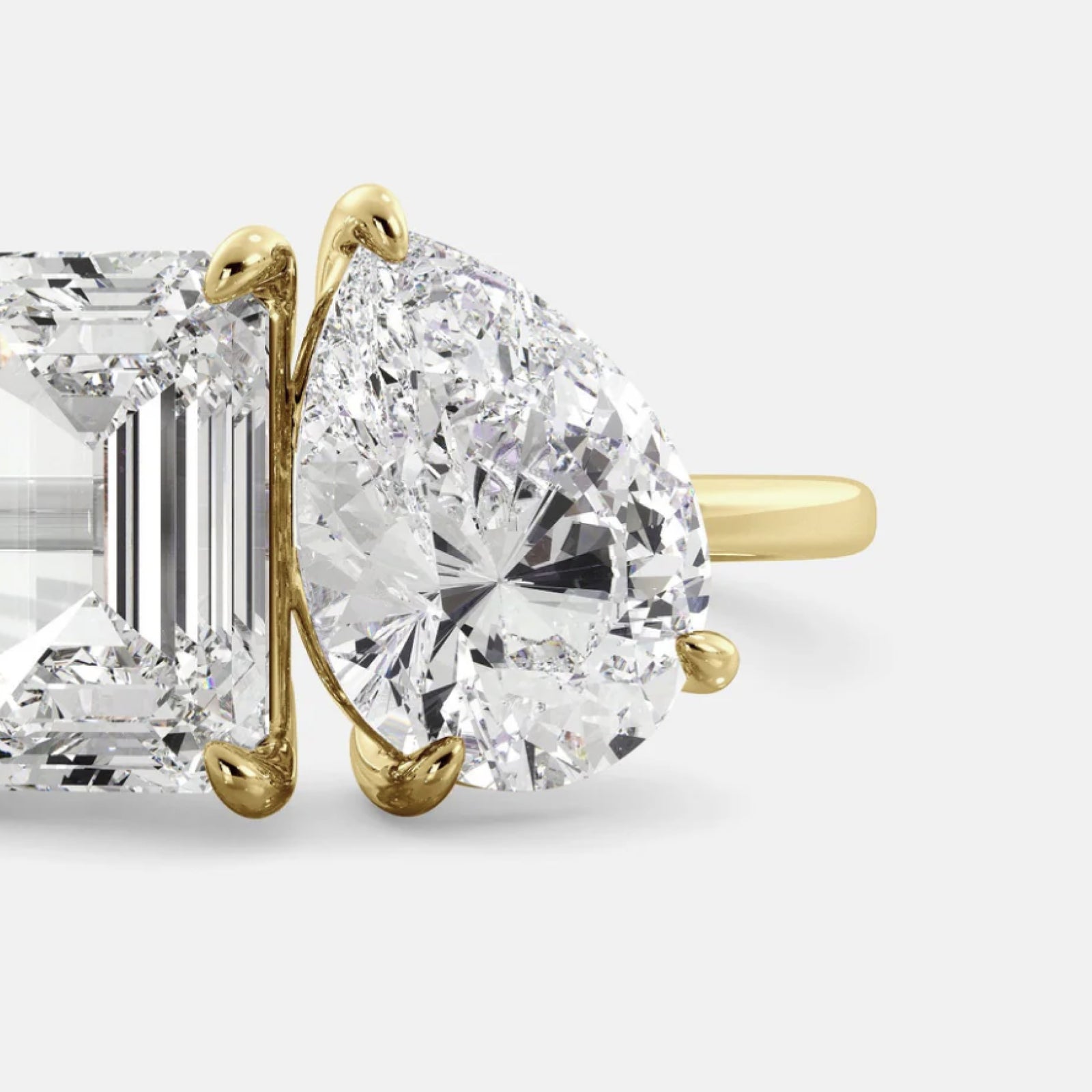
home cleaning maintains brilliance between professional services — it doesn't replace them. most jewelers recommend a professional clean and inspection once a year for pieces worn daily. for engagement rings, toi et moi rings, and anything with multiple stones or complex settings, twice a year is better.
signs that a professional cleaning is due: the piece looks dull even immediately after home cleaning, you notice a stone that moves or feels loose, the metal looks scratched or worn, or it's been more than 12 months since a proper inspection.
a professional service does more than clean — it checks prong integrity, re-polishes metal, and catches anything that could become a problem before it does. for pieces you wear every day, this is maintenance, not a luxury.
frequently asked questions
can you use toothpaste to clean jewelry?
how often should you clean a diamond ring?
is baking soda safe for cleaning jewelry?
can you clean jewelry with hand sanitizer?
what is the safest way to clean gemstone jewelry at home?
can you use an ultrasonic cleaner on all jewelry?
how do you clean a gold ring that has turned dull?
your piece, restored.
professional care, personal attention.
our jewelry refresh service is available for all juwels & co pieces — and for pieces made elsewhere that deserve the same care.
explore our jewelry refresh service →


