






























What “Ethically Sourced” Actually Means
a plain-language look at where gold actually comes from, what “recycled” really means, and the questions worth asking before you buy.
“ethically sourced” shows up on a lot of jewelry websites, ours included. it's a phrase that's easy to print and hard to actually explain. if you've ever wondered whether solid gold jewelry is sustainable, or what separates a real answer from a marketing line, this is the plain version — the one we'd want if we were the ones asking.
why “gold” isn’t one material
pure gold (24k) is soft — too soft to hold its shape in a ring worn every day. jewelry gold is an alloy: gold mixed with metals like silver, copper, or palladium to make it durable enough to live on your hand. 14k gold is 58.3% pure gold; 18k is 75%. neither is “less real” than the other, they're just different ratios built for different wear.
the sustainability conversation actually starts one step earlier than the karat, though — it starts with whether the piece is solid gold at all, or gold applied as a coating over a different base metal.
solid 14k gold vs. gold-plated: the sustainability gap
gold-plated jewelry is a base metal (often brass or copper) with a thin layer of gold, sometimes as little as 0.5 microns, bonded to the surface. it's less expensive up front, but the plating wears through — usually within months of regular wear — and once it does, the piece is generally not worth re-plating or repairing. it gets replaced.
gold all the way through. can be resized, repaired, and re-polished for decades. holds resale and heirloom value. one purchase, not a replacement cycle.
a coating over base metal. wears thin, then gets discarded. lower cost per piece, higher cost to the planet per year of wear.
a piece that lasts twenty years is, on its own terms, a more sustainable object than five pieces that last four years each — regardless of where the gold in either one came from. durability is the first, and most overlooked, sustainability question in jewelry.
where the gold in your jewelry actually comes from
gold used in jewelry generally comes from one of two places:
most gold refineries process both streams, often in the same facility, which is exactly why sourcing claims need to be specific to hold any weight. “gold” alone tells you nothing about which of these two paths it took.
what “ethically sourced” is supposed to mean
on its own, “ethically sourced” isn't a regulated term — any brand can print it. what gives the phrase actual weight is whether it's backed by a third-party standard. the ones worth knowing:
a brand doesn't need every certification on this list to be sourcing responsibly — plenty of small, careful jewelers work with refiners they know personally instead. but if a website uses the phrase “ethically sourced” with no further detail anywhere on the site, that's worth a direct question, not an assumption.
how juwels & co approaches this
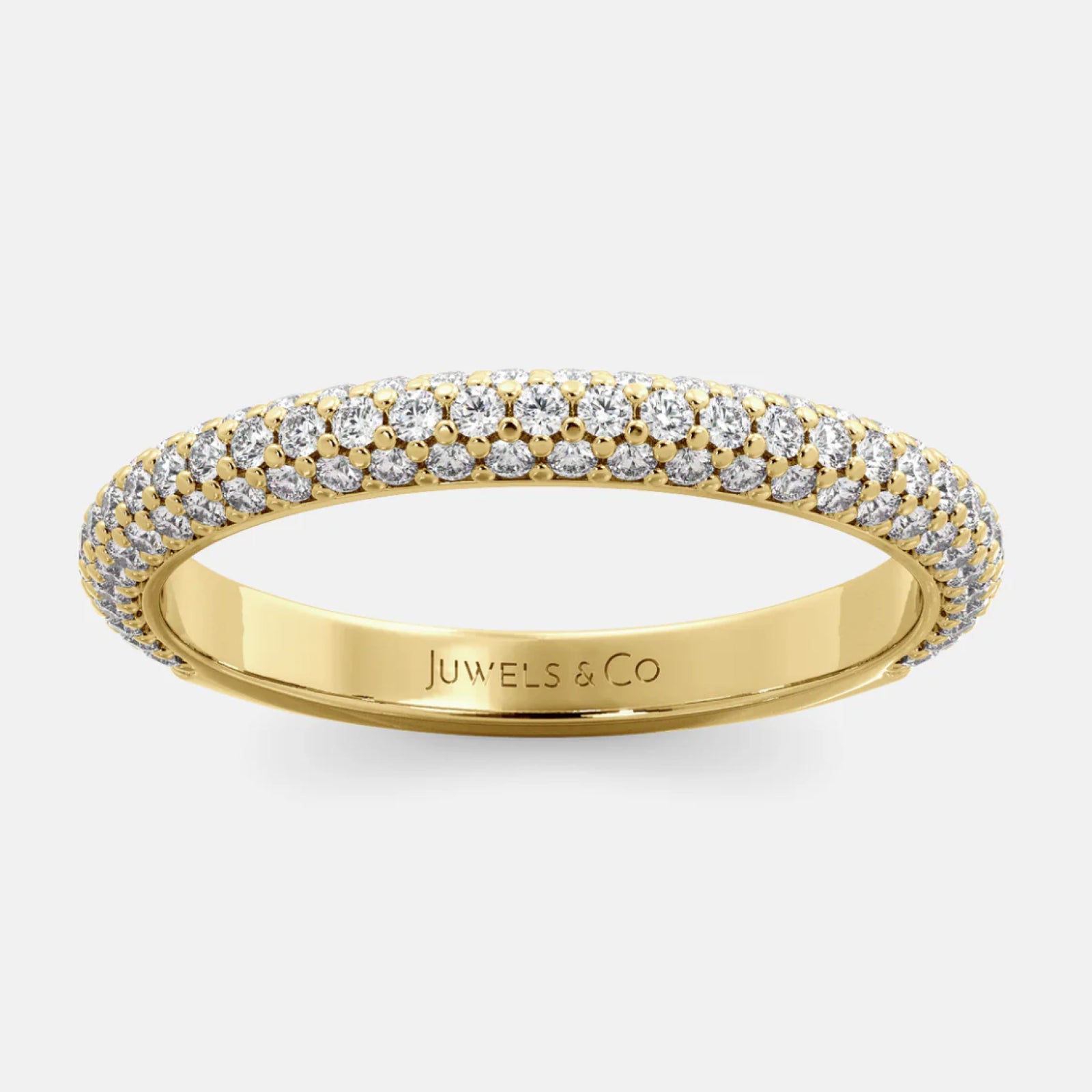
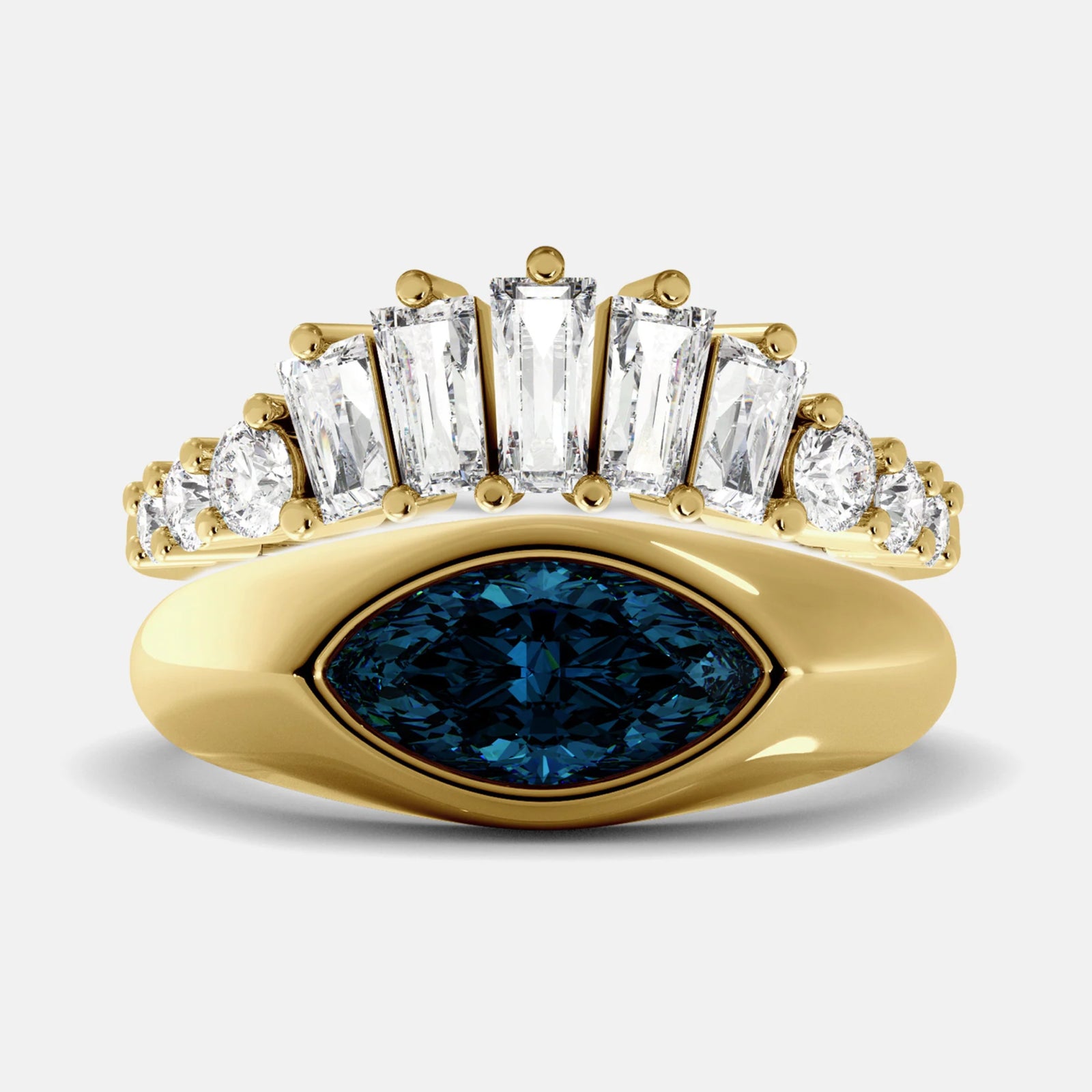
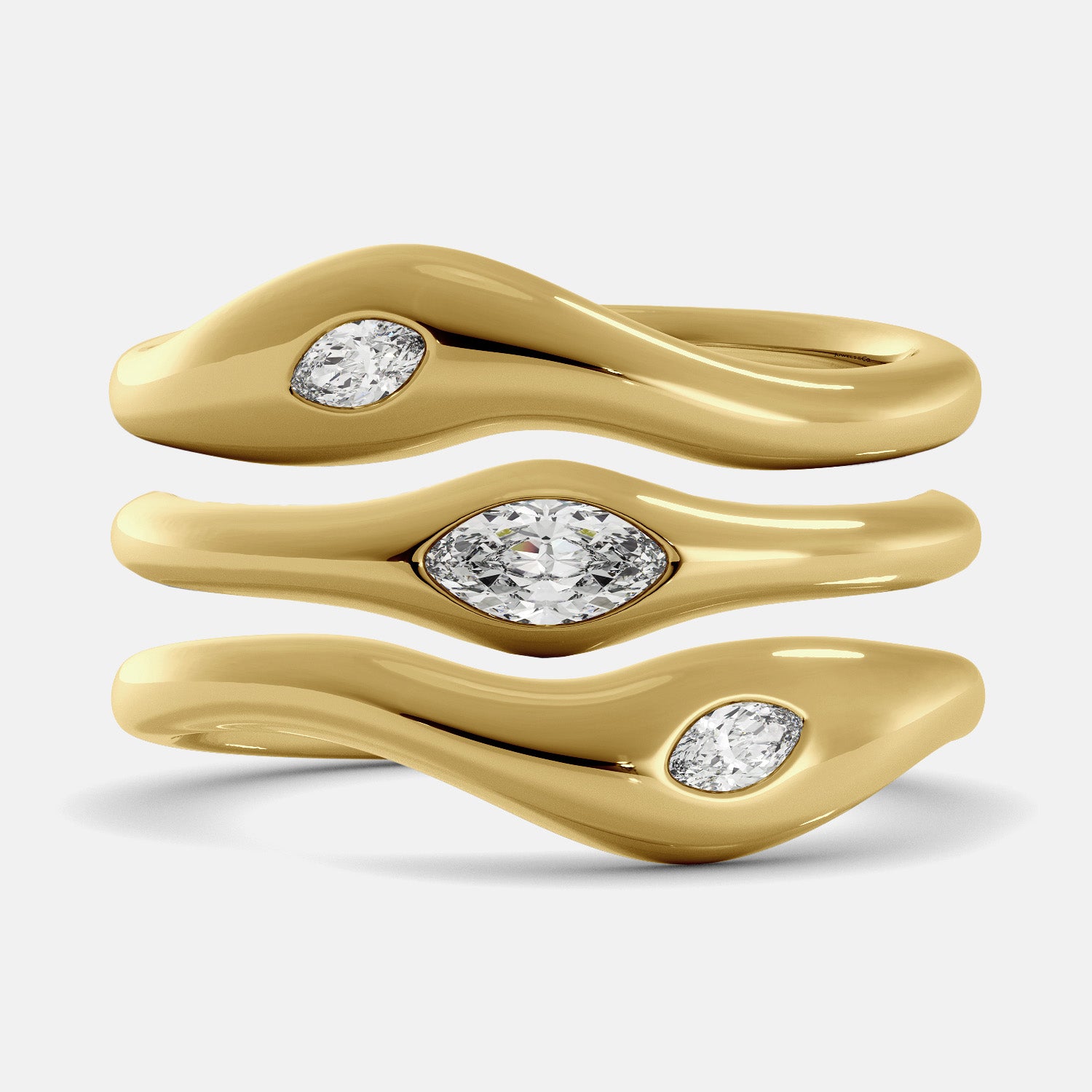
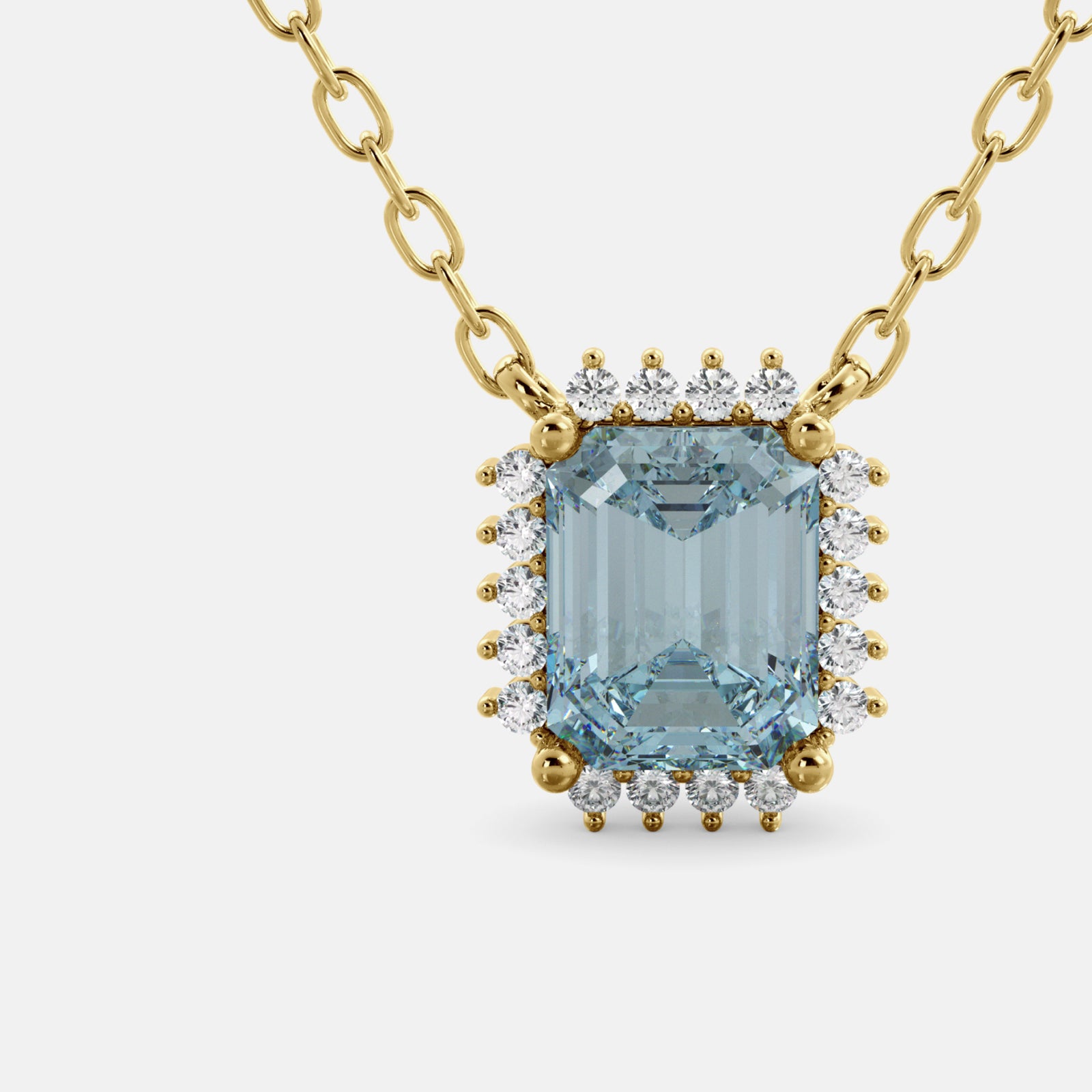
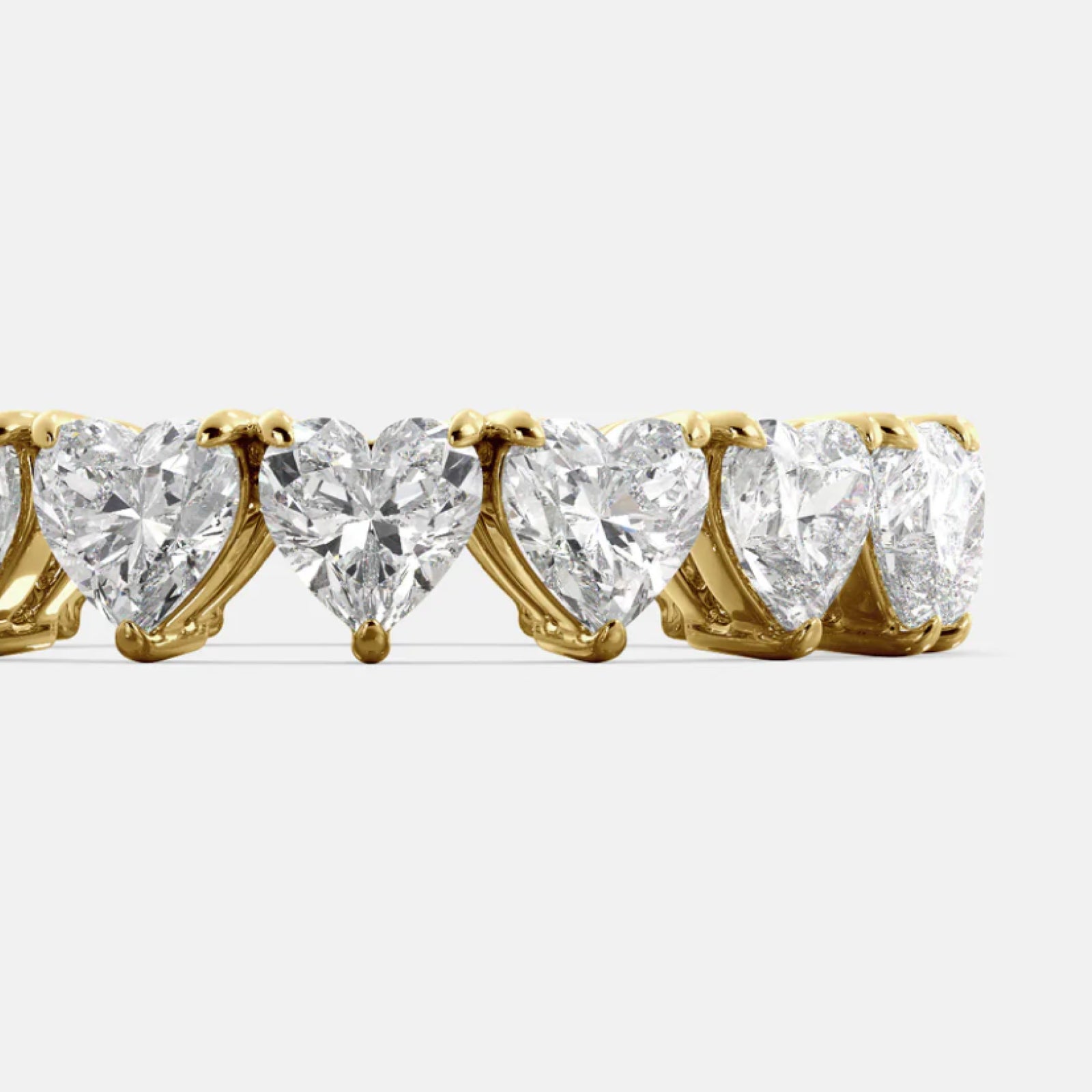
every juwels & co piece is solid 14k gold or platinum, never plated, and handcrafted to order in los angeles. made-to-order means we're not producing inventory that goes unsold or discarded — each piece exists because someone chose it.
[julia — this is the one section that needs your specifics before this goes live: what percentage of our gold is recycled, which refiner or supplier we work with, and whether we hold or are pursuing any of the certifications above. i've kept the rest of the post to verifiable, general information so nothing here overstates what we can back up.]
questions worth asking before you buy
a brand that can answer these plainly, without hedging, is one worth trusting with the rest of the story.
frequently asked questions
is solid gold jewelry actually sustainable?
what does “ethically sourced gold” actually mean?
is recycled gold the same quality as newly mined gold?
is gold-plated jewelry bad for the environment?
how can i tell if a jewelry brand's sustainability claims are real?
handcrafted to last
not to be replaced
every piece is solid 14k gold or platinum, made to order in los angeles.
explore the collection →


