






























the metal underneath
gold is trading near record levels right now — here's what that actually changes about the jewelry already in your box.
gold has spent most of 2026 climbing toward fresh records, and mining-industry trackers were still pointing higher as of late october — some citing levels near $4,900 an ounce, with talk of a run toward $4,920 or beyond. mainstream coverage has followed: stories about people pulling old jewelry out of drawers to sell, and about insurers warning that decade-old appraisals no longer reflect what a piece is actually made of.
that's left a real, specific question sitting underneath all the noise — not "should i buy gold as an investment," but something closer to home: is the jewelry i already own, or the piece i'm about to buy, actually worth more because of this? the honest answer depends entirely on one distinction most jewelry shopping never explains clearly: whether a piece is solid gold, or something that only looks like it.
why this question is suddenly everywhere
gold doesn't move in a straight line, but the direction this year has been consistent enough that it's changed how people talk about jewelry. it's no longer only a style purchase — it's a material one, and people are starting to ask what that material is actually worth, the same way they'd ask about a stock or a property.
we're not going to spend this guide tracking a daily price, because it moves faster than any blog post can stay accurate. what doesn't move is the underlying distinction: a piece that's solid gold all the way through carries real, recoverable metal value. a piece that only has a thin layer of gold over a different metal doesn't — no matter how the market is behaving that week.
solid gold, gold-filled, and vermeil: what's actually inside
these three terms get used almost interchangeably in casual shopping, and they shouldn't be. the difference isn't about shine or color — it's about how much of the piece is actually gold.
none of these are "fake" in the sense of being deceptive, as long as a brand is upfront about which one you're buying. the problem is that a lot of jewelry marketing uses "gold" loosely across all three, and the piece's actual gold content rarely gets a straight answer unless you look for it. we've written about that distinction in more depth in our solid gold vs. gold-filled guide — this post picks up specifically where that one leaves off, on the question of value rather than durability or care.
the honest answer: does solid gold hold its value
yes, in a specific and limited sense — and it's worth being precise about what that sense is. solid gold jewelry is not a financial investment the way a bar of bullion or a gold etf is. you pay for design, craftsmanship, and labor on top of the metal, and you won't recover that premium if you ever sell the piece back for its metal content alone. what you do have is a floor: the piece contains a real, weighable, sellable amount of gold, and that floor rises and falls with the gold market, not with trends, taste, or a brand's reputation.
a gold-filled or vermeil piece has no comparable floor. its resale or scrap value was close to nothing the day it was made, and rising gold prices don't change that, because there was never enough actual gold in it to recover in the first place.
what actually determines resale or scrap value
if you ever did sell a solid gold piece for its metal alone — through a refiner or a reputable buyer, not a pawn counter guessing by eye — a few things determine what you'd actually get, and the current spot price of gold is only one of them.
diamonds and gemstones are a separate conversation entirely — they don't trade on a public commodities market the way gold does, and a stone's resale value depends on cut, clarity, and buyer demand rather than a daily spot price. this guide is specifically about the metal, not the stone set into it.
assumptions worth dropping
how to tell what you already own
before assuming a piece has gone up in value, it's worth actually confirming what it's made of.
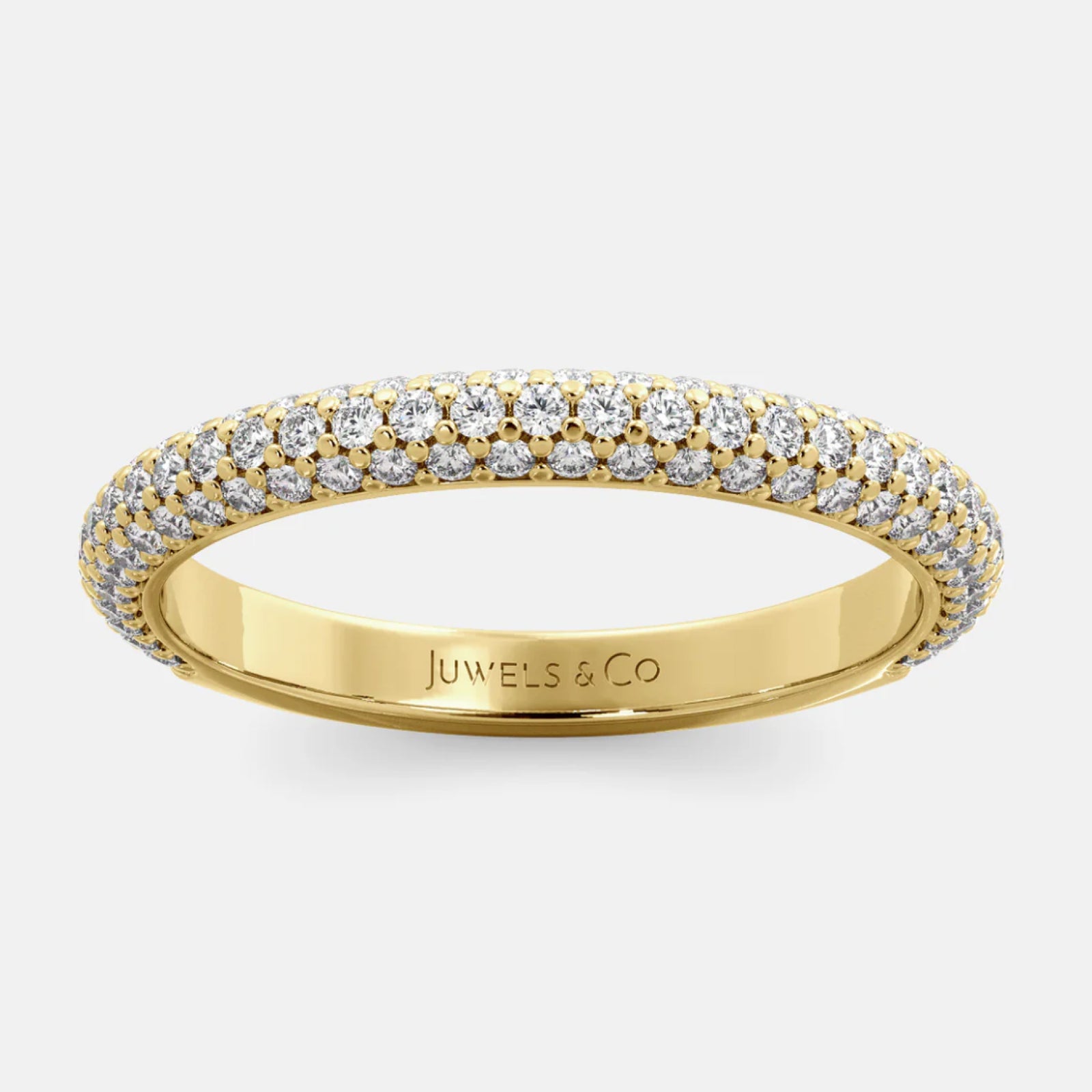
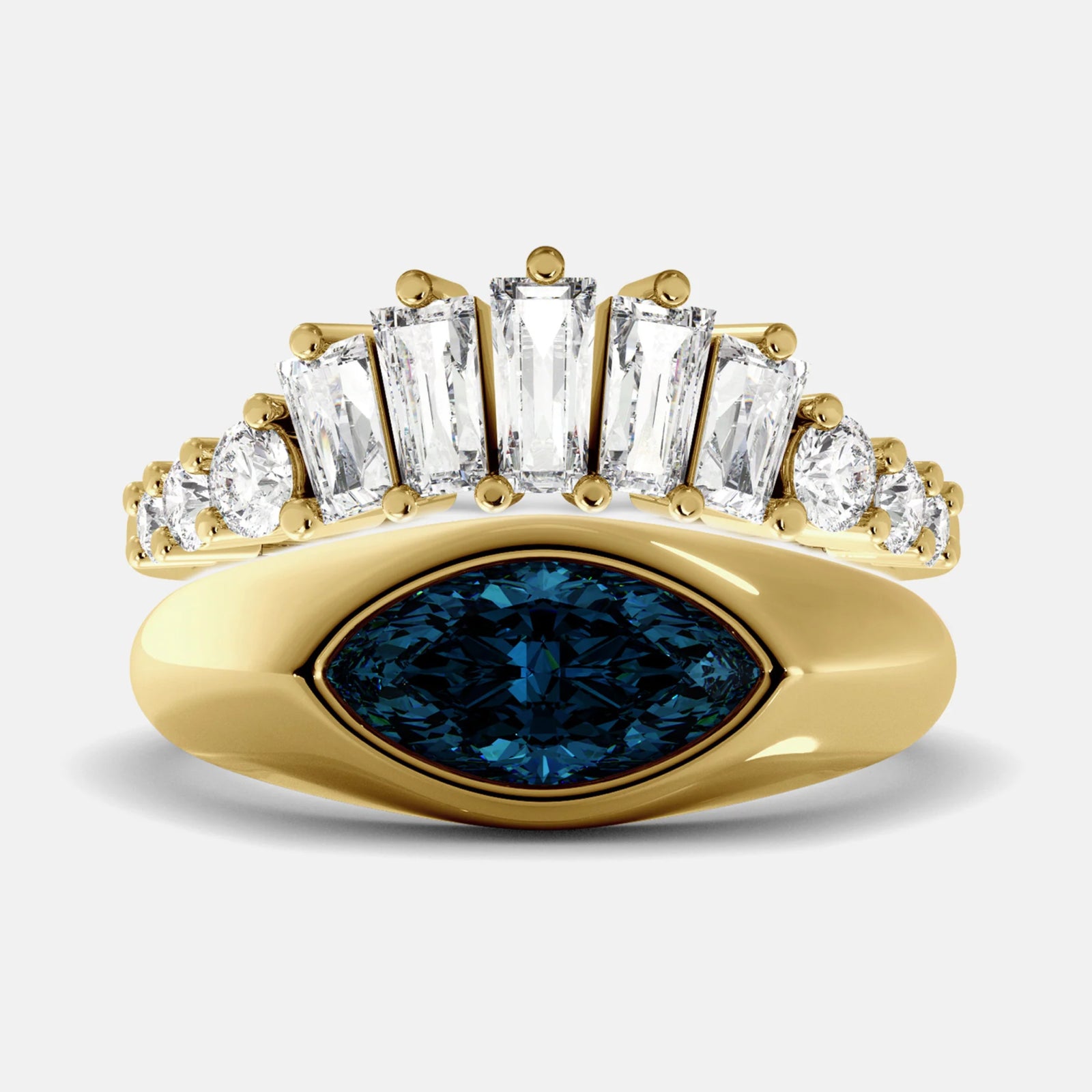
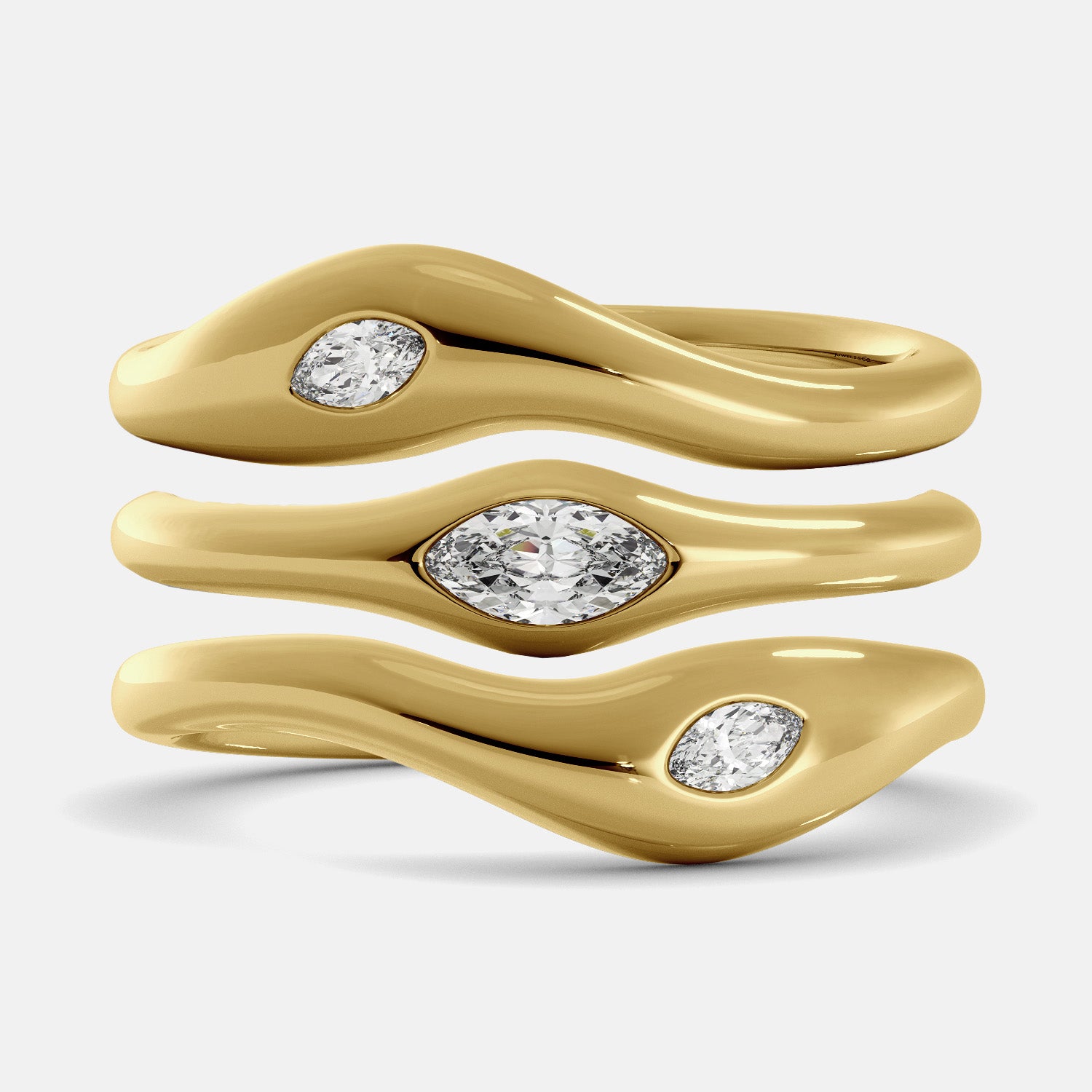
everything we make at Juwels & Co is solid 14k gold or platinum, never gold-filled or vermeil — a decision we made for durability and craftsmanship long before gold prices made it a value conversation too. our Round Bezel Diamond Ring is a good example of that philosophy in its simplest form: one diamond, one clean bezel, and a band that's solid gold the entire way through rather than plated over something else.

if you're weighing a piece against a pile of family gold-filled jewelry you're not sure about, or want a setting built entirely in solid gold from a stone you already own, a fully custom piece is always on the table.
frequently asked questions
does solid gold jewelry hold its value?
is gold-filled jewelry worth anything if gold prices rise?
what's the difference between solid gold, gold-filled, and gold vermeil?
can you sell solid gold jewelry for scrap value?
does 14k gold jewelry go up in value when gold prices rise?
is solid gold jewelry a good investment?
solid gold, the entire way through
handcrafted to order, in Los Angeles
every Juwels & Co piece is solid 14k gold or platinum — never gold-filled, never plated.
shop the round bezel diamond ring → explore the collection →


