





























what each one actually means
two rings, two different promises — here's how to tell them apart, and which one fits the moment you're actually in.
a promise ring marks a commitment — to each other, to a future, to something you're both still building. an engagement ring marks a decision — the decision to marry, tied to an actual proposal. neither one is a smaller or lesser version of the other. they answer different questions, at different moments, and the confusion mostly comes from the fact that both are, at their core, a ring given with meaning attached.
most of the confusion comes from the internet itself — search "promise ring vs. engagement ring" and you'll find pages of forum debates about whether promise rings are "real" commitments, whether they're a cheaper stand-in, and whether giving one instead of an engagement ring means something is wrong. none of that is useful if you're actually trying to figure out which ring fits your relationship right now.
if you're standing in front of a ring right now trying to figure out which one you're actually looking at — or which one you want to give — this is the plain, no-jargon breakdown.
what a promise ring actually signals
a promise ring is a personal pledge, not a public announcement. it says: i'm choosing you, right now, in this chapter — without needing to define exactly what comes next or when. couples give them before they're ready for engagement, during a long-distance stretch, after a big move, or simply as a marker for a relationship that's become serious enough to name.
there's no rulebook for who gives one, who receives it, or which hand it goes on. it isn't required to come with a proposal, a speech, or an audience. it can be the two of you deciding together, in an ordinary moment, that this relationship deserves a symbol.
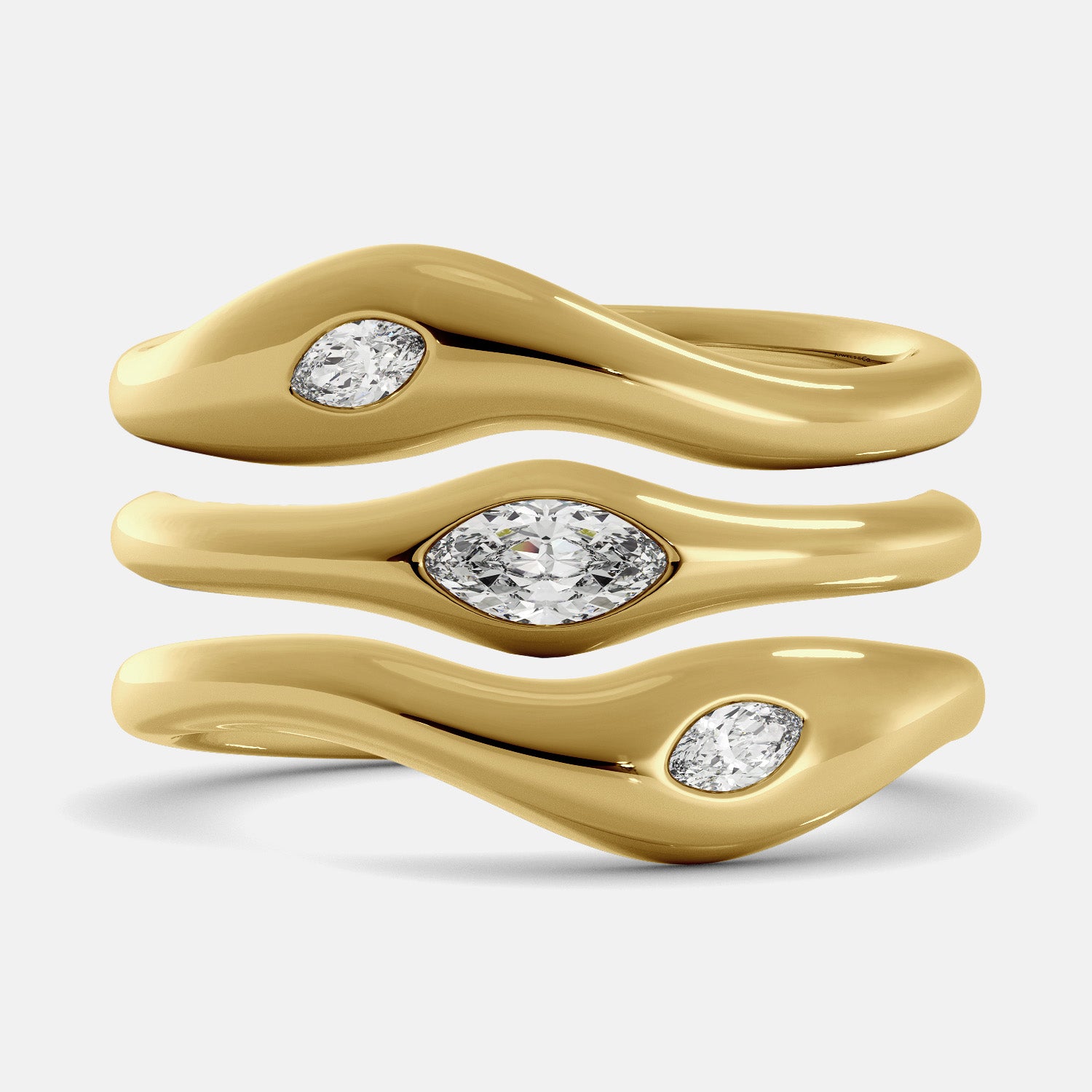
the investment tends to be more modest than an engagement ring, but that's a byproduct of the moment, not the point. a promise ring can be simple or considered and elaborate — what makes it a promise ring is the absence of a formal proposal and a defined next step, not the price on the piece.
a common version of this: two people who've been together a while, not ready to talk marriage yet, but wanting something to mark that this isn't casual anymore. no proposal, no speech — just a ring, chosen together or given as a surprise, that says the relationship is real and worth naming.
what an engagement ring actually signals
an engagement ring marks a specific decision: to marry. it's almost always given as part of a proposal — asked and answered, even if the "asking" happened in conversation long before the ring showed up. it's meant to be worn daily, shown to family, and eventually swapped or paired with a wedding band.
because it's tied to a defined next step — a wedding — engagement rings are typically a bigger investment and a longer-considered choice: a center stone, a setting built to be worn for decades, something durable enough for daily life.
the traditional format is a solitaire diamond, but that's convention, not requirement. plenty of engagements now happen with colored stones, two-stone settings, family heirlooms reset, or pieces designed from scratch around the couple's own story.
what hasn't changed is the weight the ring carries once it's on. an engagement ring gets shown to family, worn through wedding planning, and often becomes the piece someone wears every day for the rest of their life — which is exactly why the setting and durability matter more here than they do for a promise ring.
key differences, side by side
promise ring
engagement ring
why two-stone rings work so well as promise rings
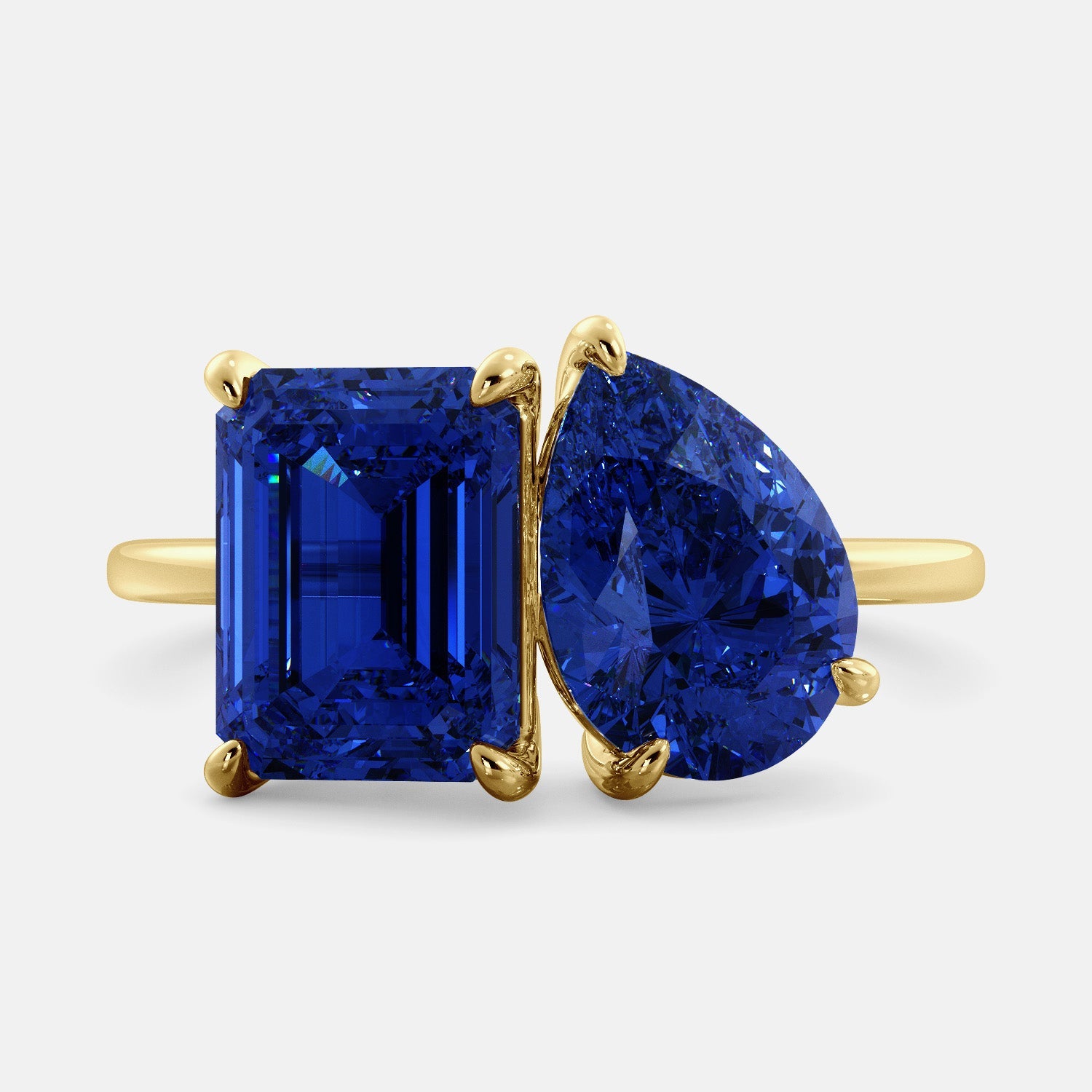
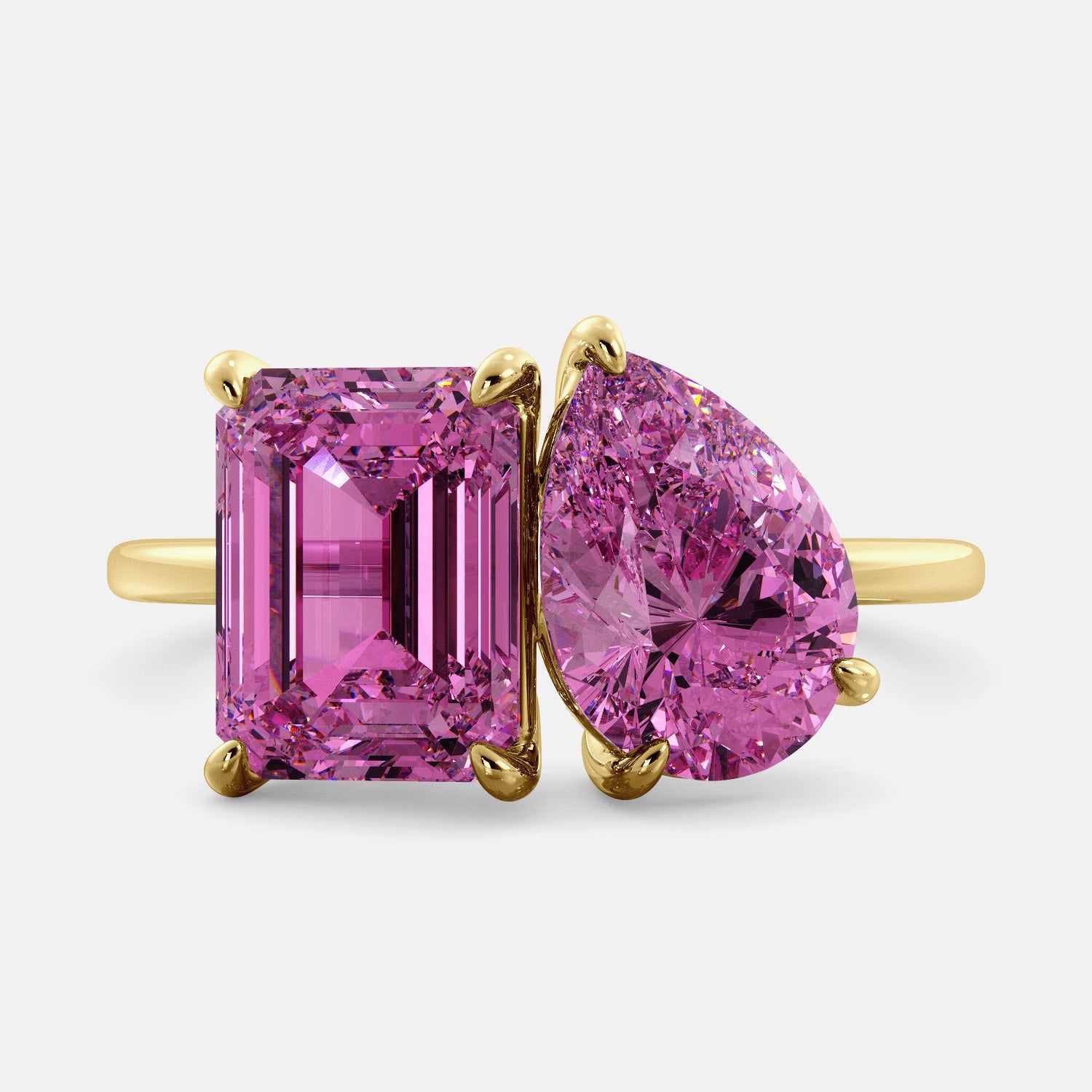
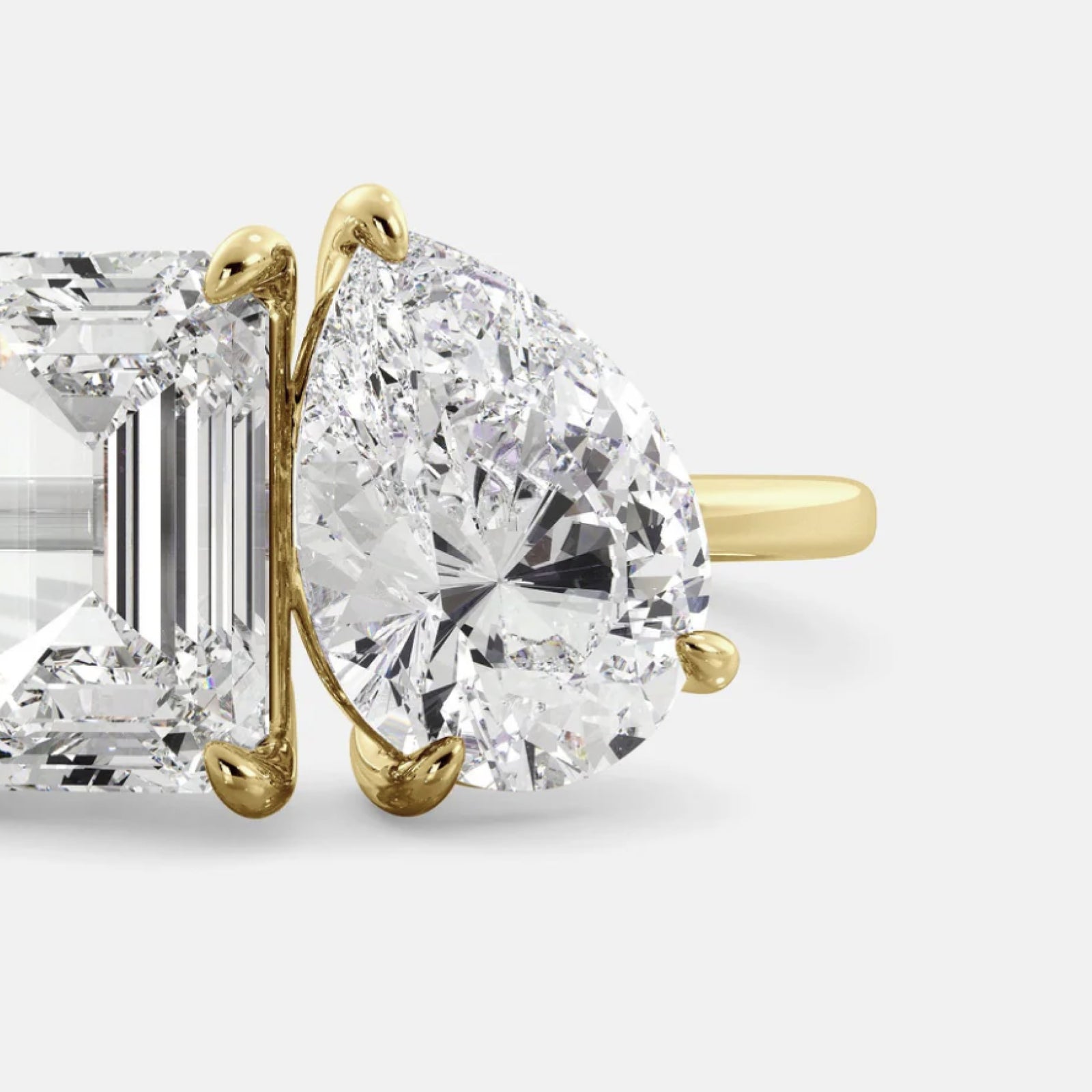
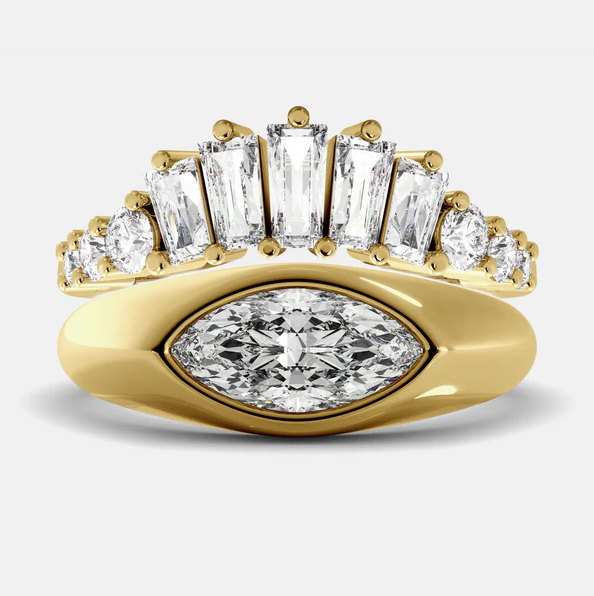
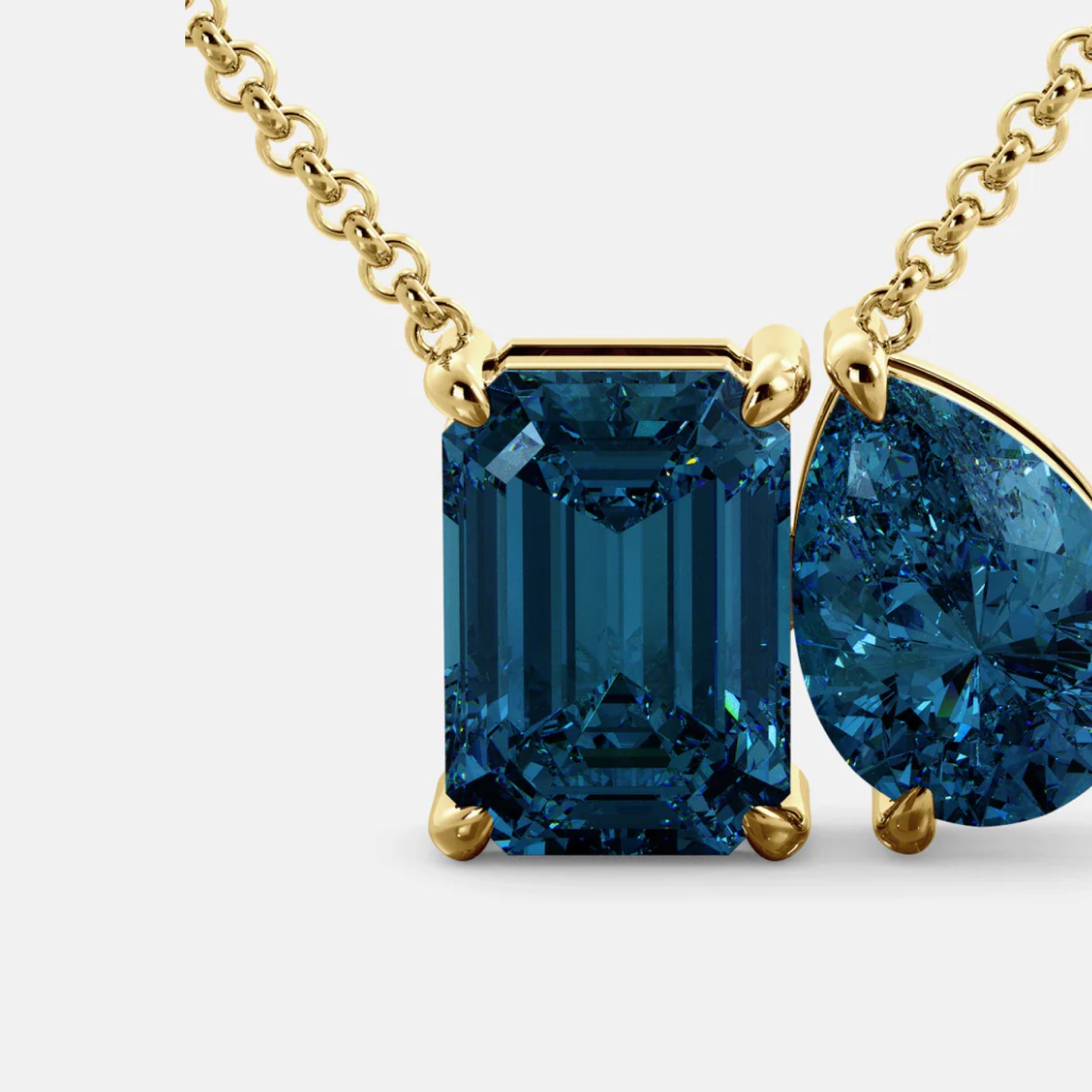
a toi et moi ring — french for "you and me" — sets two stones side by side instead of centering one. it's become one of the most natural formats for a promise ring, and it's not hard to see why: the design itself is the message. two stones, chosen for two people, sitting next to each other. no need to explain what it means once someone sees it.
the format isn't new — two-stone settings have shown up in jewelry history for centuries as a symbol of partnership — but it's had a real resurgence over the last several years, showing up as both engagement rings and promise rings, precisely because it doesn't come loaded with the same convention a solitaire does. there's no "correct" carat weight to hit or center stone to justify. there's just two stones, and what they mean to the two of you.
a two-stone ring doesn't ask you to define the relationship. it just asks you to name it.
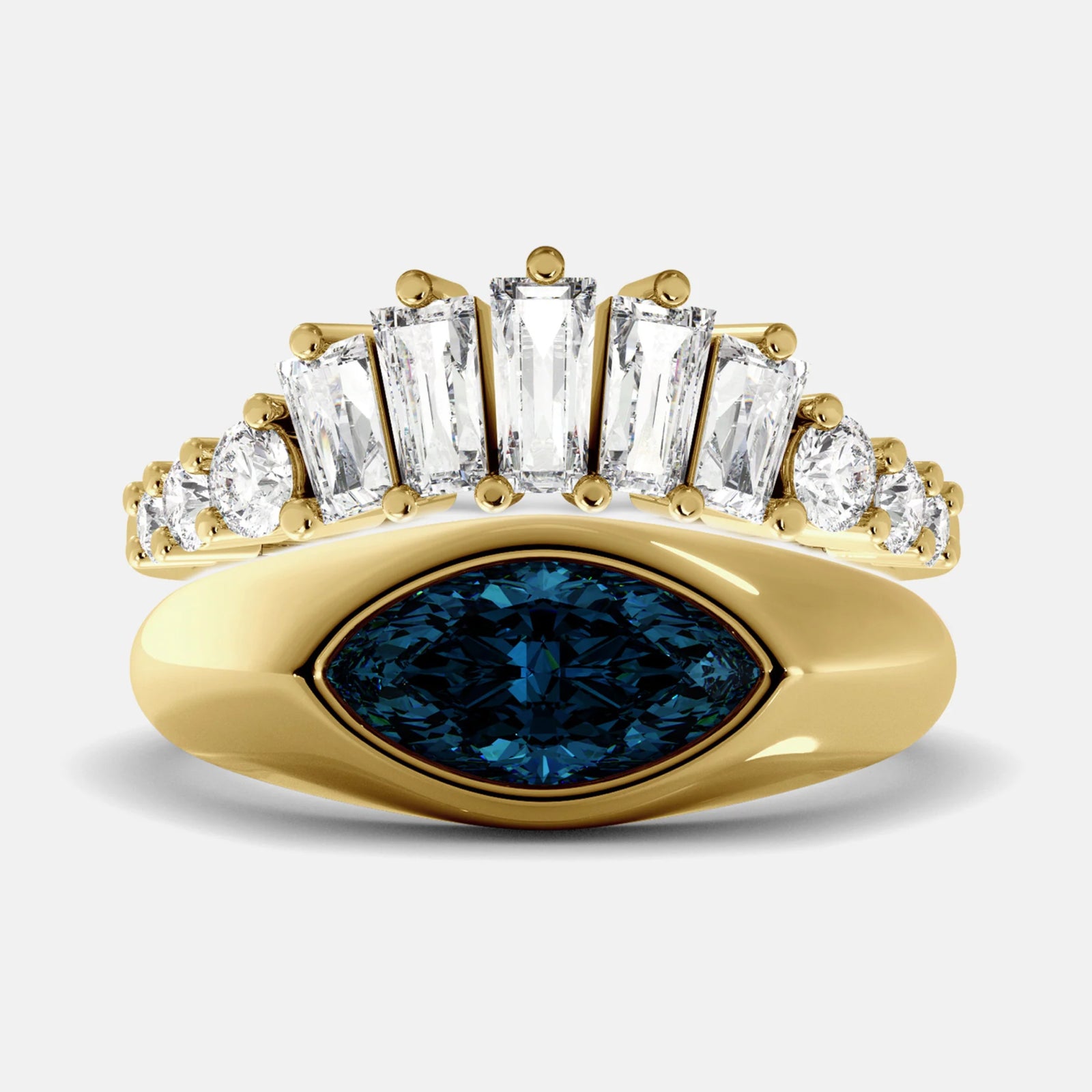
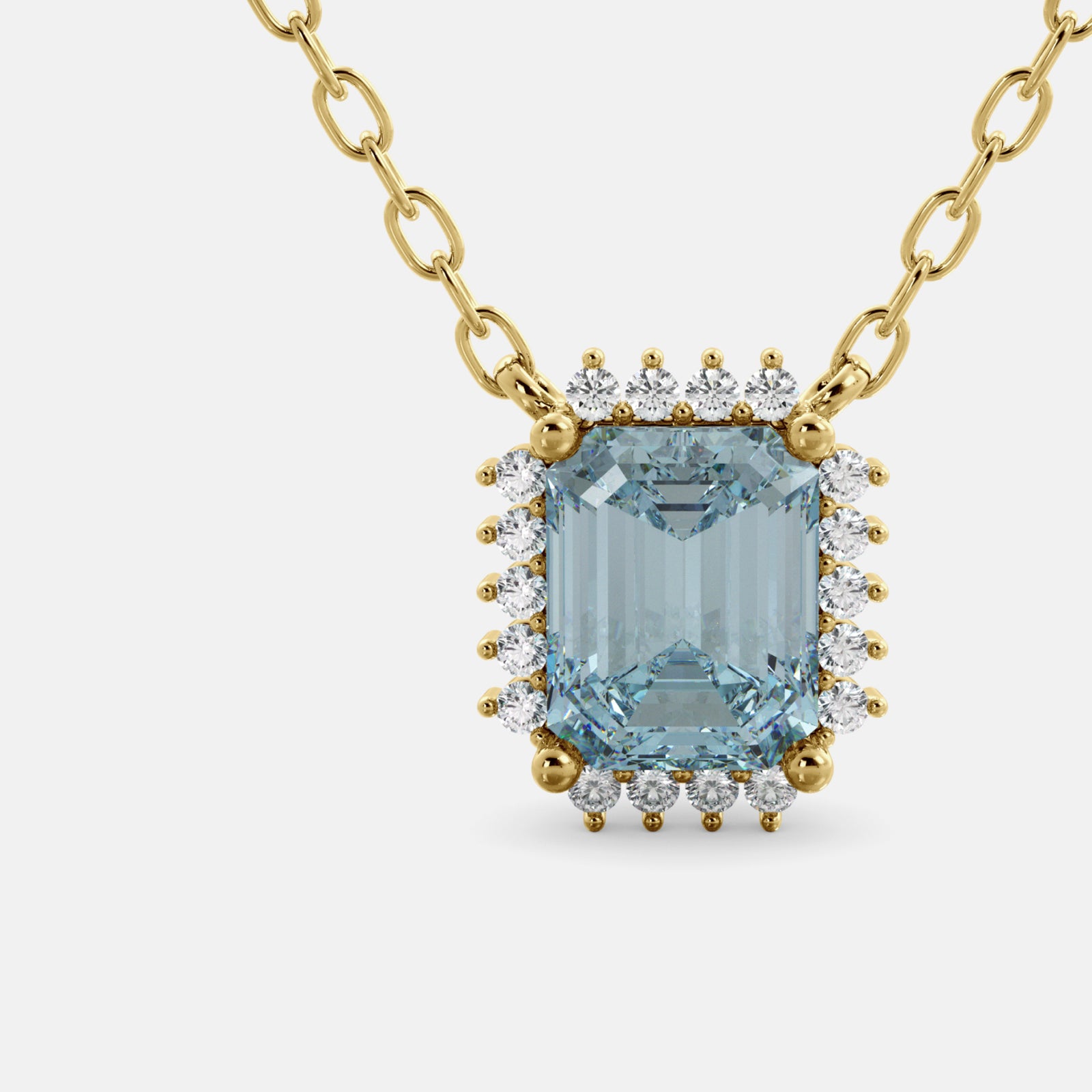
because a promise ring isn't bound by engagement-ring convention, it has more room for personalization — each person's birthstone, a stone that marks the month you met, or two gemstones chosen simply because you both love them. that's the appeal of a toi et moi birthstone ring specifically: it's a commitment piece that tells your actual story instead of borrowing someone else's tradition.
it also travels well from promise ring to something more. plenty of couples who start with a two-stone ring keep wearing it well past engagement — on the other hand, stacked with a wedding band, or simply as the ring that marked where things started.
how to choose between the two
frequently asked questions
what are the four rings in a relationship?
can you propose with a promise ring?
is a promise ring a serious commitment?
what stage of a relationship do you get a promise ring?
can a promise ring double as an engagement ring later?
is a promise ring just a cheaper alternative to an engagement ring?
two stones, one story
made for whatever this chapter is
our toi et moi birthstone rings are handcrafted in solid 14k gold, paired with the stones that mean something to you — no proposal required.
shop toi et moi rings →


