





























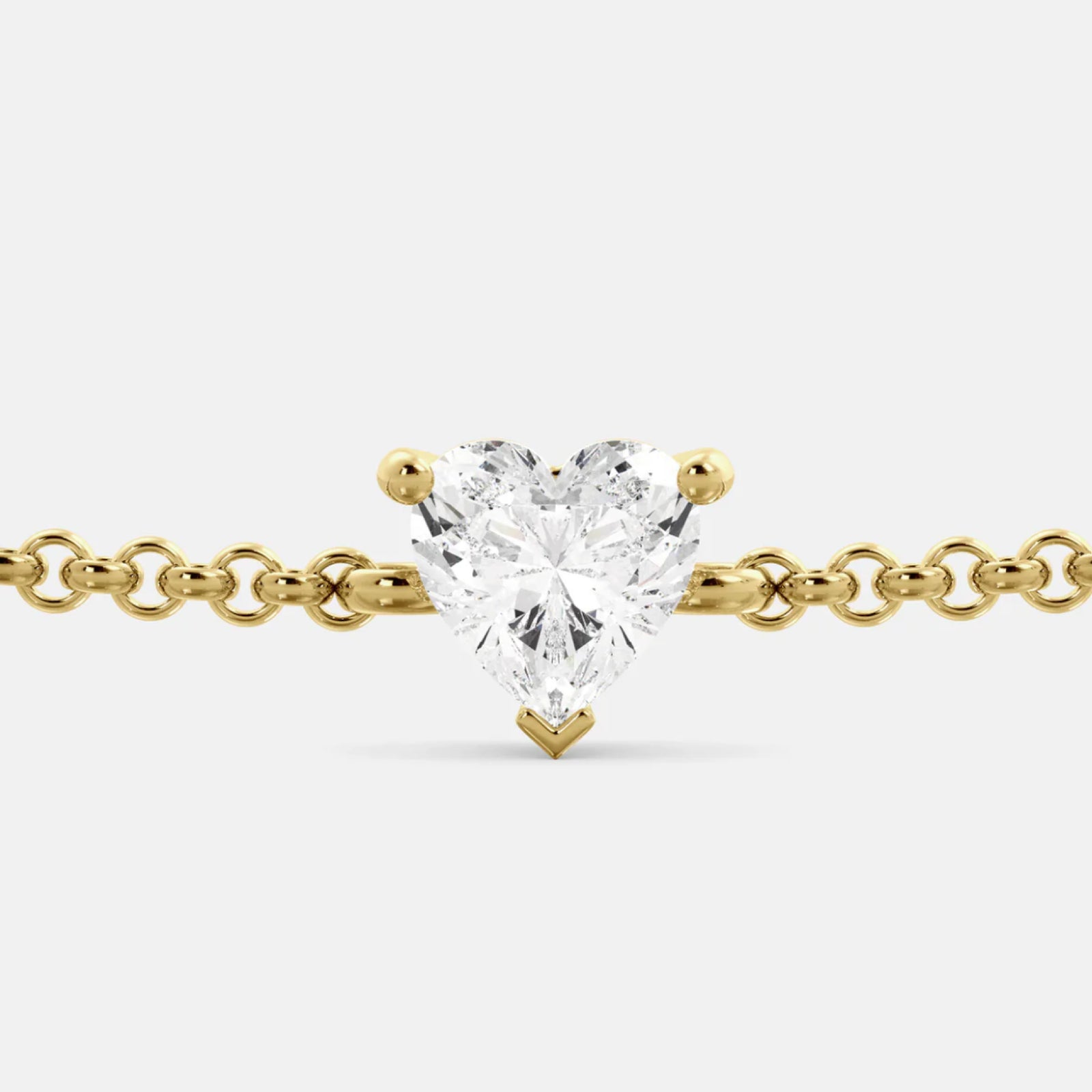

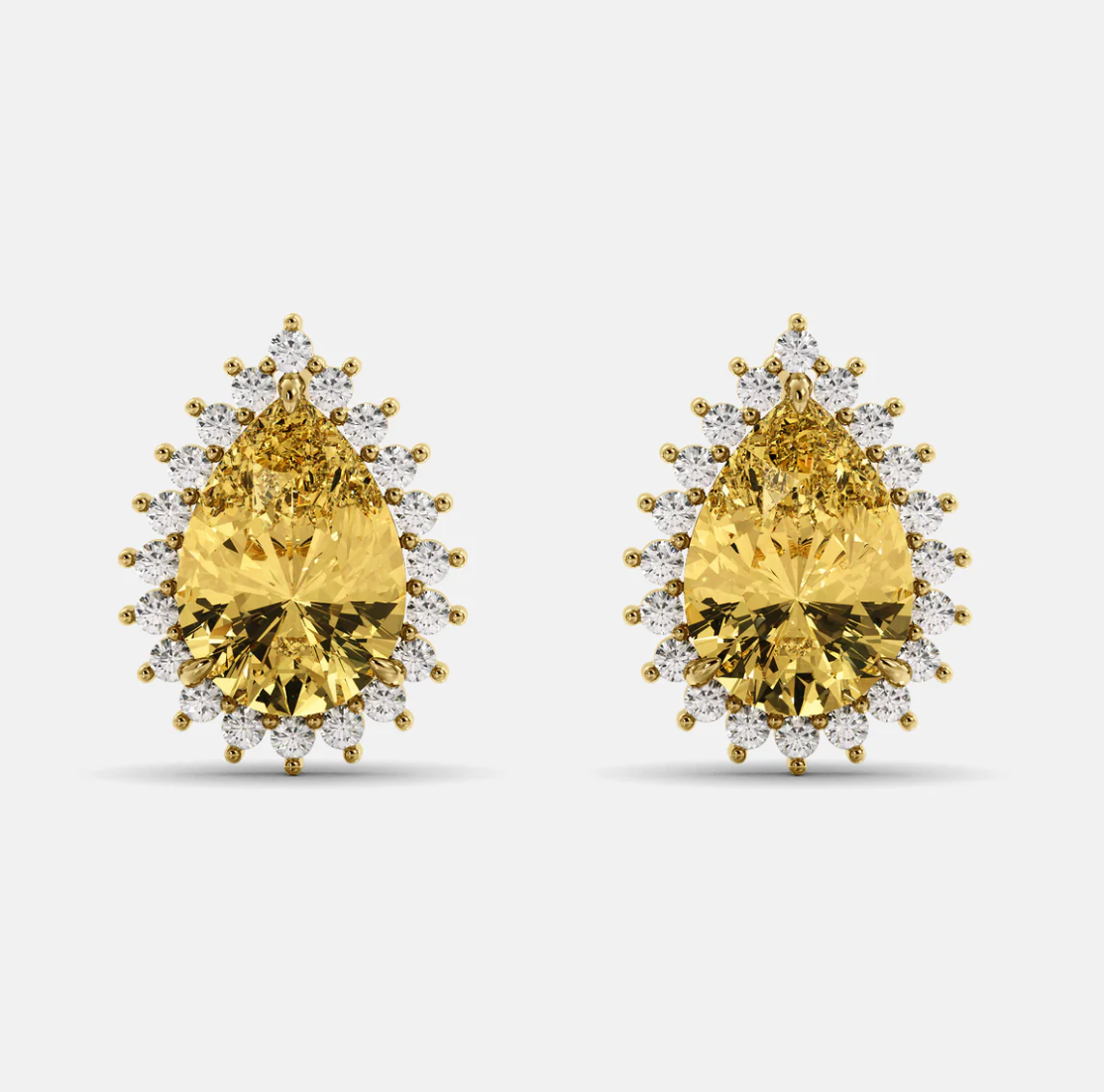

the truth about solid gold
the short answer: not if it's actually gold. here's what's really going on.
it's one of the most common questions we hear, usually from someone who's had a bad experience with a different piece of jewelry: a ring that turned their finger green, a chain that went dull after a summer at the beach. so let's answer it plainly. solid 14k gold does not tarnish, rust, or fade under normal wear. what people are usually describing when they say "my gold tarnished" is something else entirely — and it's worth understanding the difference before you buy your next piece.
what tarnish actually is
tarnish is a chemical reaction — a metal's surface reacting with air, moisture, or sulfur compounds and forming a dull, sometimes dark film. it's why sterling silver needs regular polishing and why cheap costume jewelry can turn a wrist grayish after a few wears. pure gold, on the other hand, is one of the least reactive metals that exists. it doesn't oxidize the way silver or copper does, which is exactly why it's been used for jewelry, coinage, and heirlooms for thousands of years without corroding.
why 14k gold resists it
14k gold is 58.3% pure gold, alloyed with metals like copper and silver for strength — pure gold on its own is too soft for daily wear. that alloy is what makes 14k gold durable enough for a ring you never take off, and it inherits gold's resistance to tarnish along with it. under normal conditions — daily wear, the occasional hand wash, a night out — 14k gold keeps its color and shine indefinitely. it doesn't need a protective coating, because there's nothing underneath it to protect.
solid gold vs. gold-plated: the real difference
this is where most tarnish complaints actually come from. gold-plated jewelry is a base metal — usually brass, copper, or silver — with a microscopically thin layer of gold applied on top. that layer wears through with normal friction: a ring rubbing against other rings, a chain resting against skin and fabric all day. once it wears through, you're not looking at gold anymore. you're looking at the base metal underneath, which can genuinely tarnish, discolor, and turn skin green. solid gold has no base metal to expose. the gold — and the alloy that reinforces it — goes all the way through.
gold all the way through. resists tarnish permanently. surface can be re-polished for life.
thin gold layer over base metal. wears thin within months. base metal underneath can tarnish and discolor skin.
a thicker bonded gold layer than plating, but still a layer. more durable than plated, still not solid.
what can still dull your gold
solid gold doesn't tarnish, but it can pick up a temporary, surface-level dullness from everyday life. it's cosmetic, not permanent, and it comes off with a gentle clean. the usual causes:
keeping your gold bright
why every juwels & co piece is solid gold
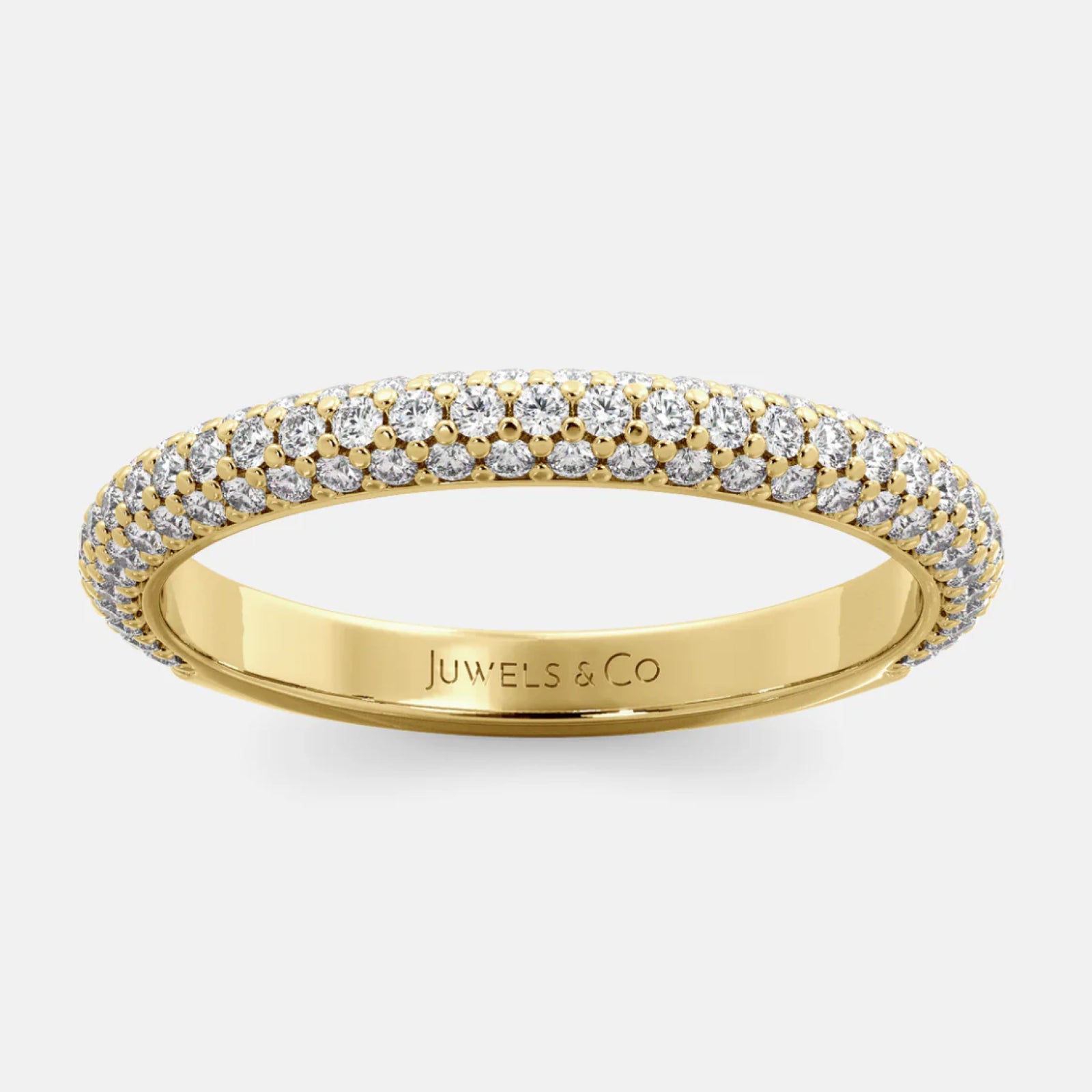
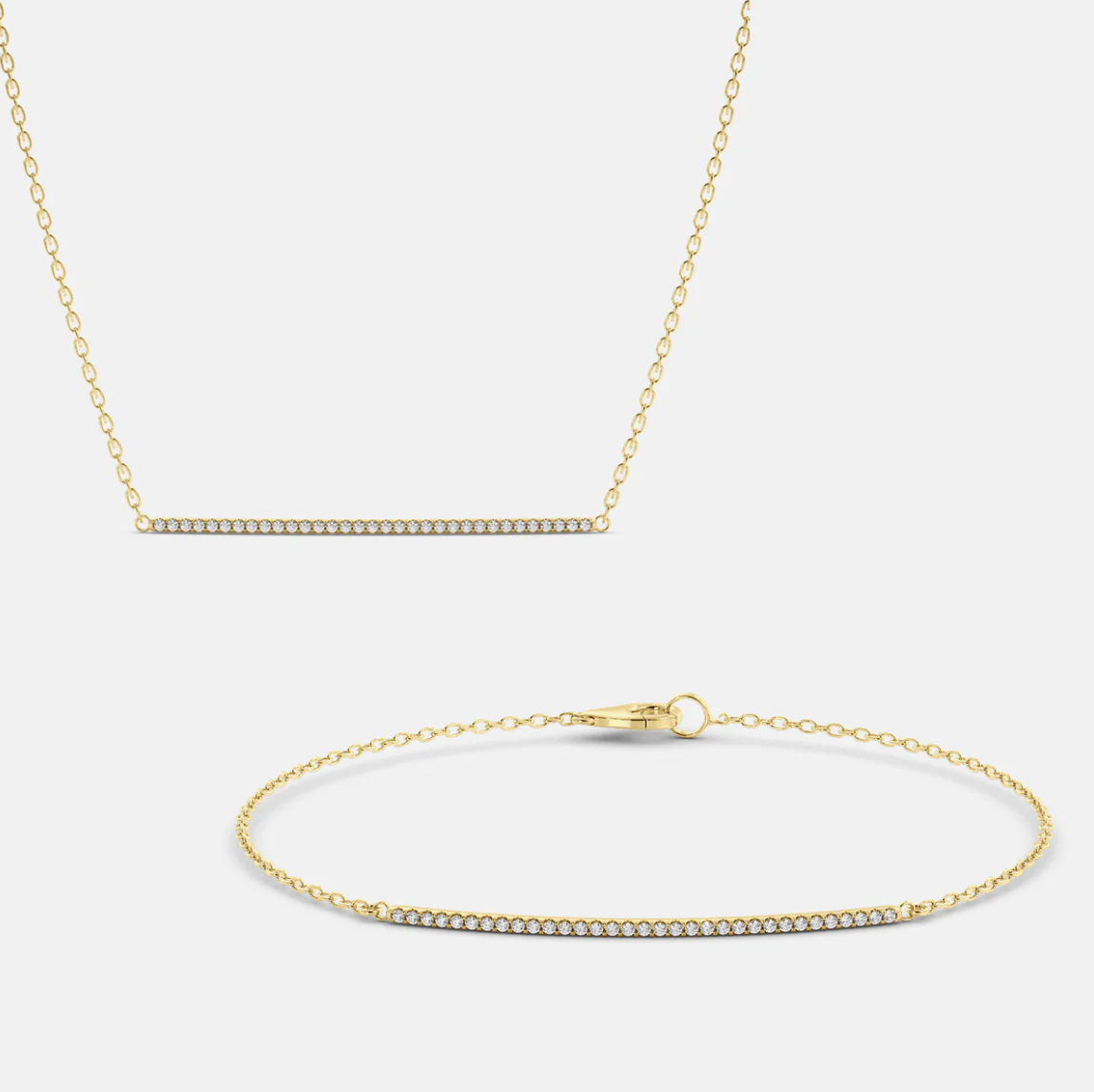
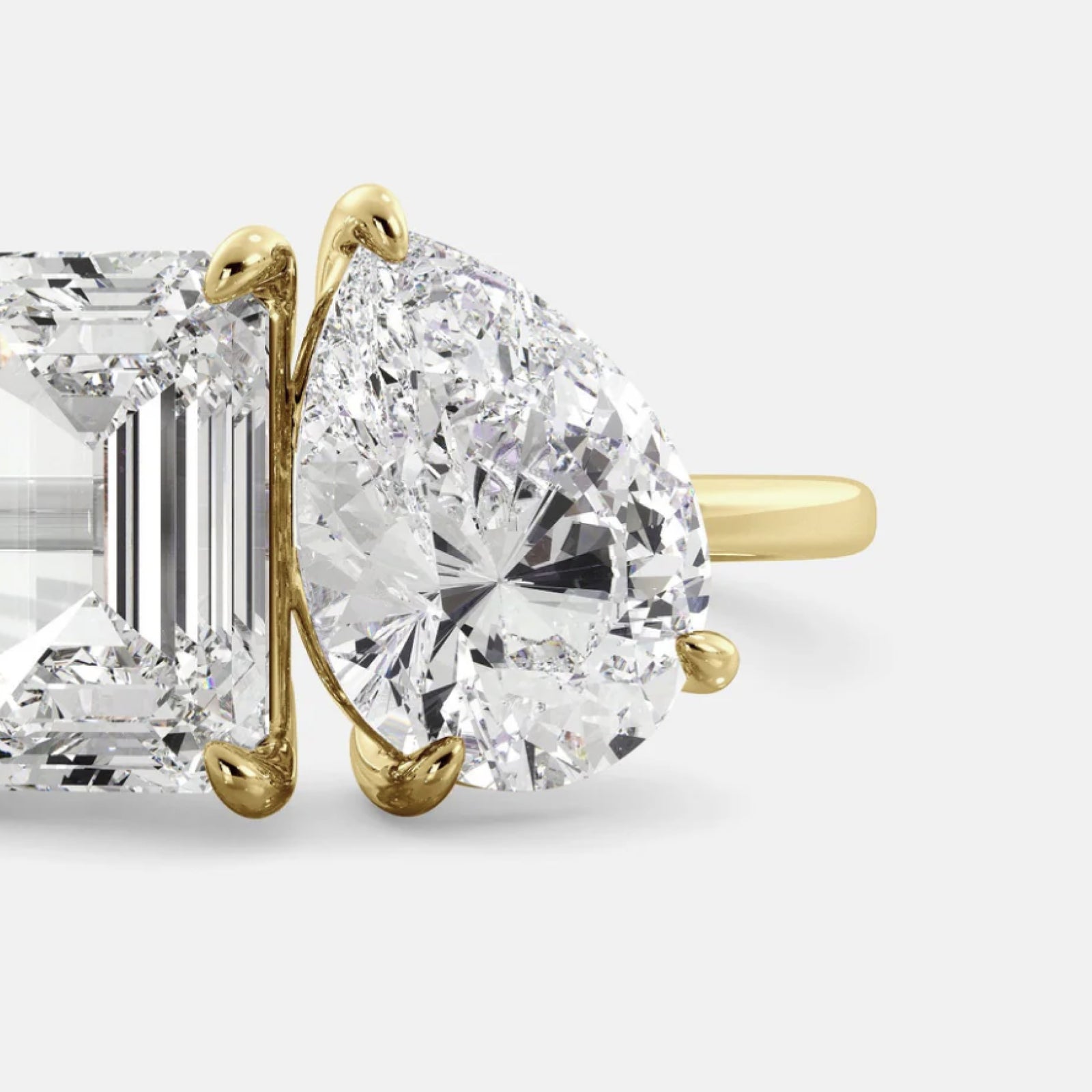
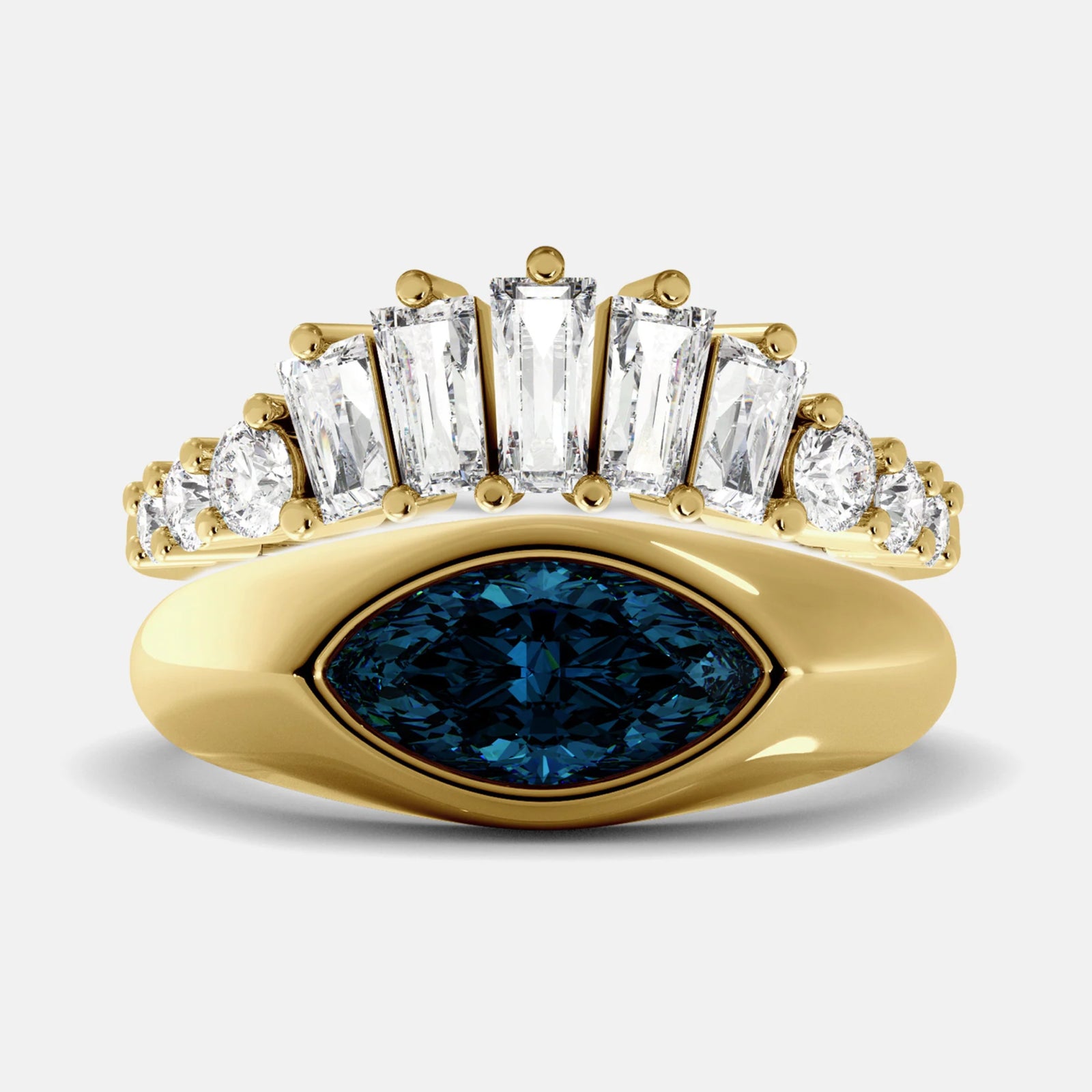
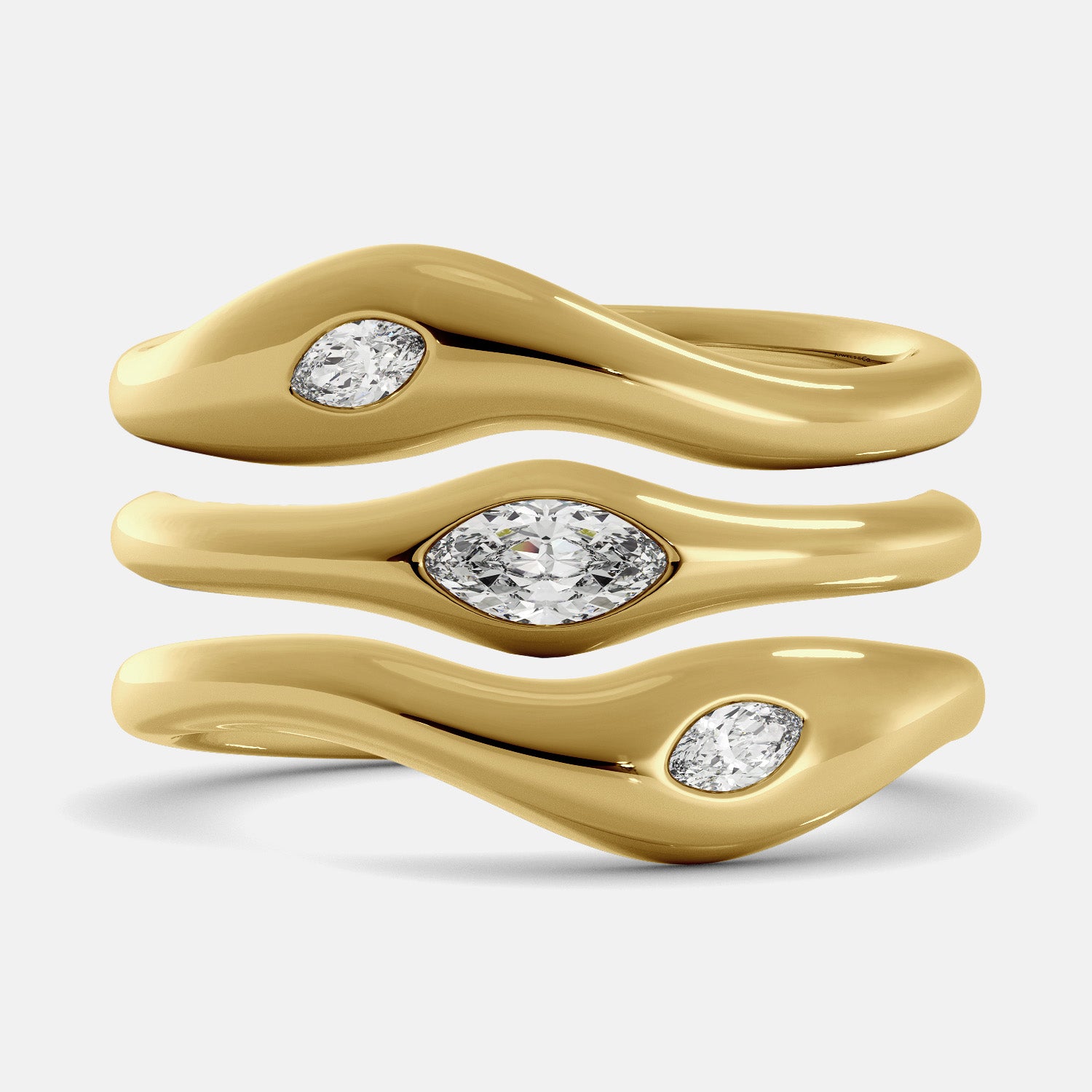
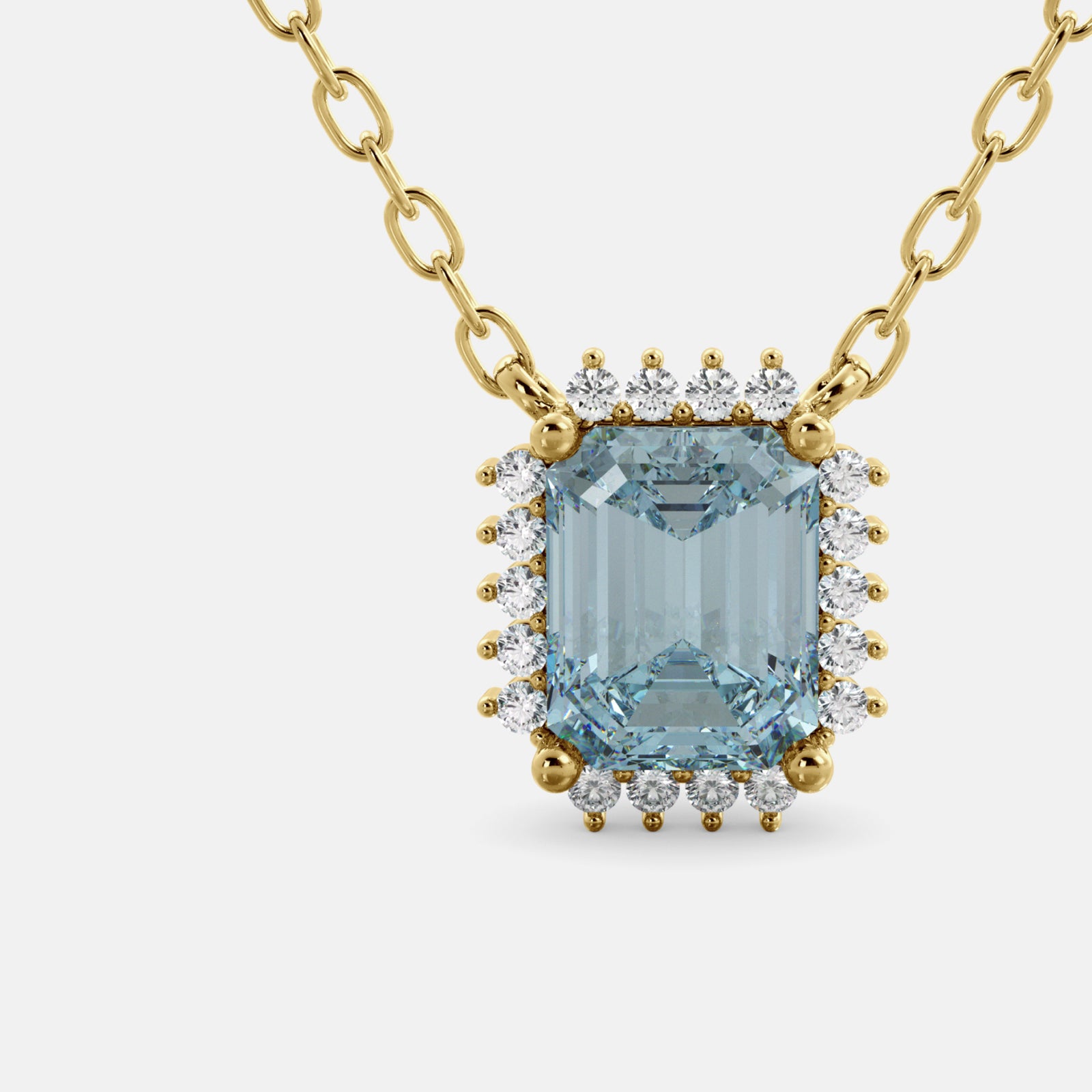
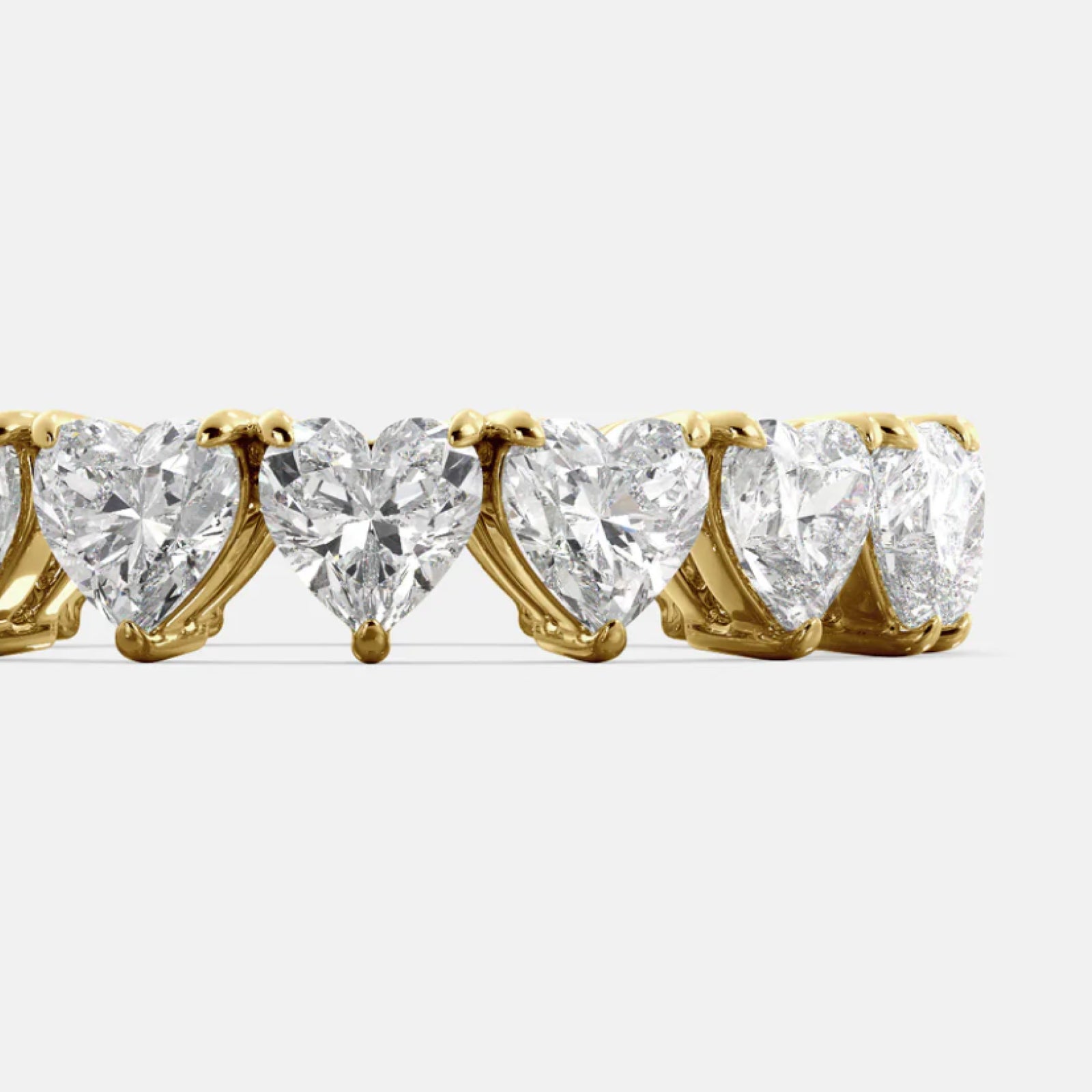
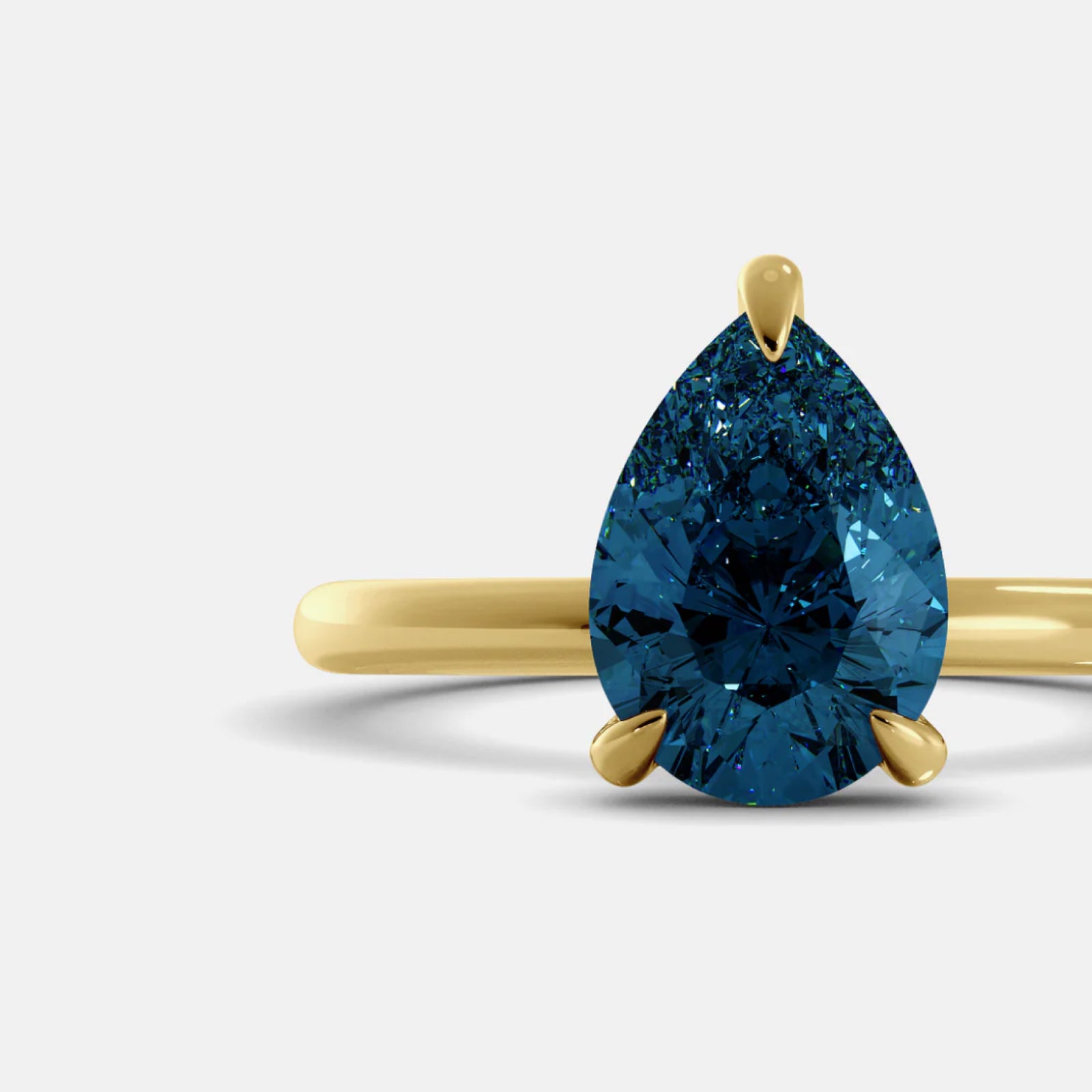
this is why we don't work in plated metal, ever. every juwels & co piece is solid gold, handcrafted in los angeles — not a base metal with a gold layer on top. so if you're wearing one of ours, this entire question doesn't apply to you. no thinning layer, no base metal underneath waiting to show through, no green finger. just gold, the way it was meant to last — a piece you can wear every day for years and hand down after that.
frequently asked questions
does 14k gold tarnish?
why does my gold ring turn my finger green?
is 14k gold the same as gold-plated?
can you wear 14k gold in the shower or pool?
how do you clean 14k gold jewelry at home?
is 18k or 14k gold better for everyday wear?
solid gold, made for you
nothing plated, nothing temporary
every piece is handcrafted in solid 14k gold — built to be worn every day and kept for good.
shop solid gold →


