







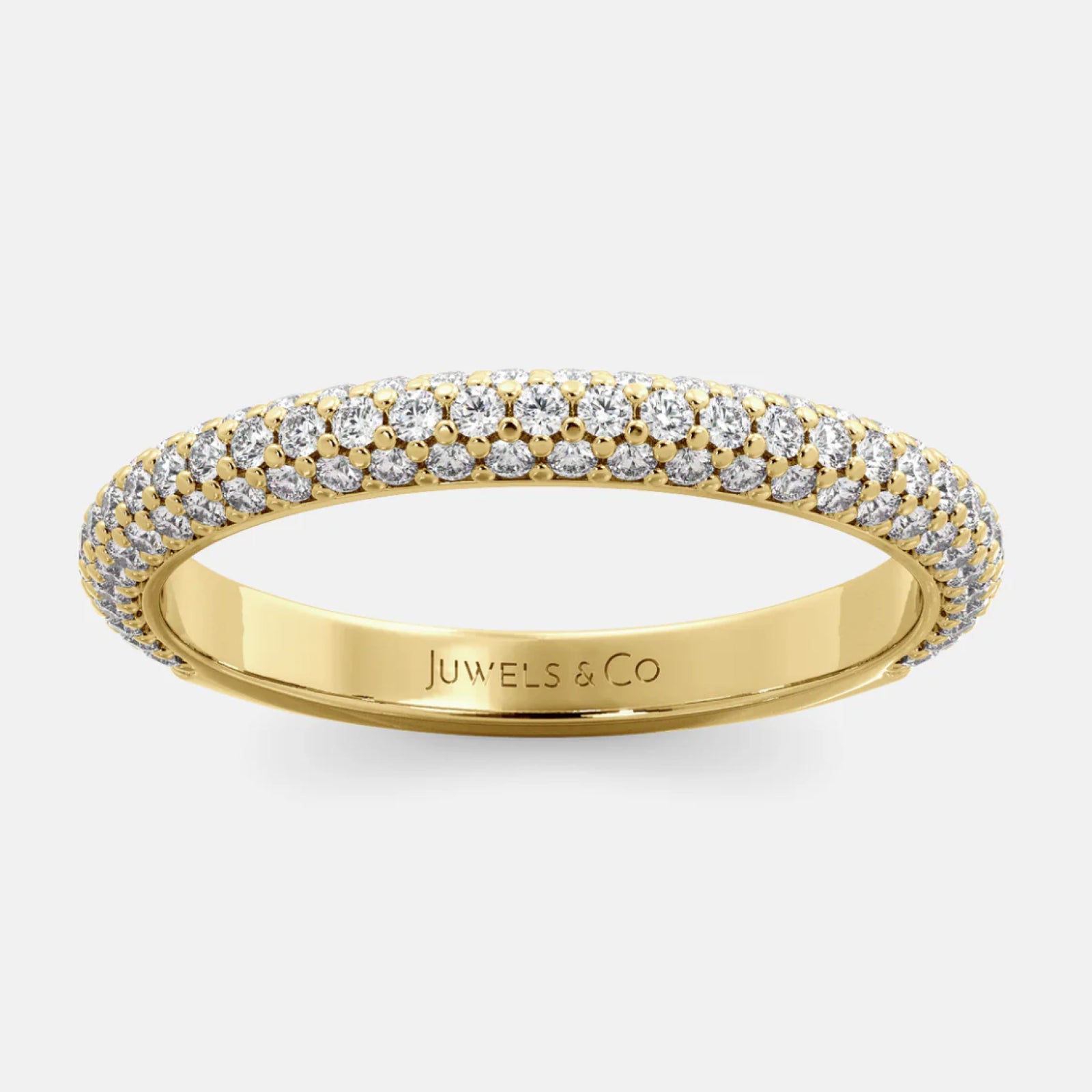


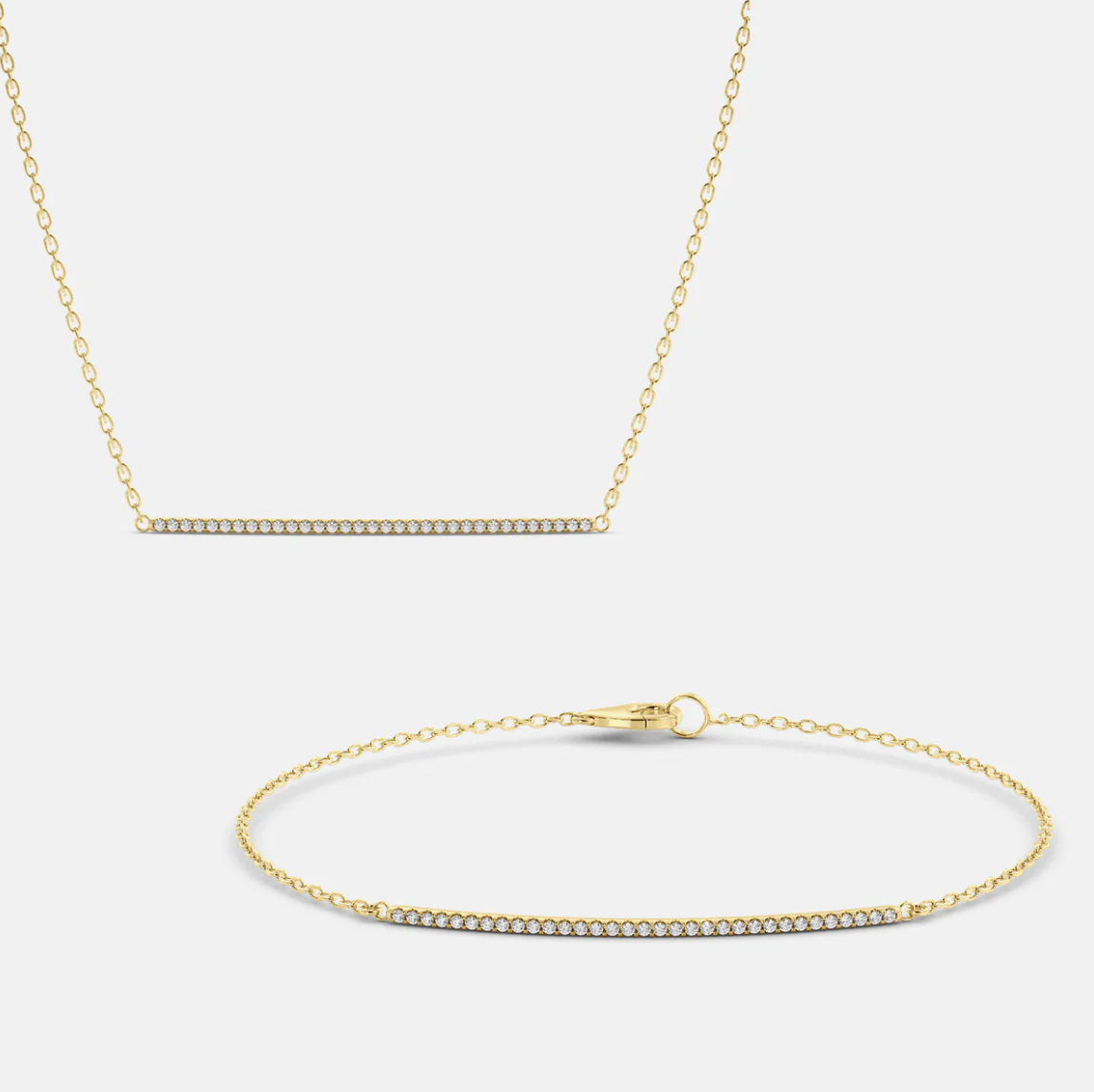






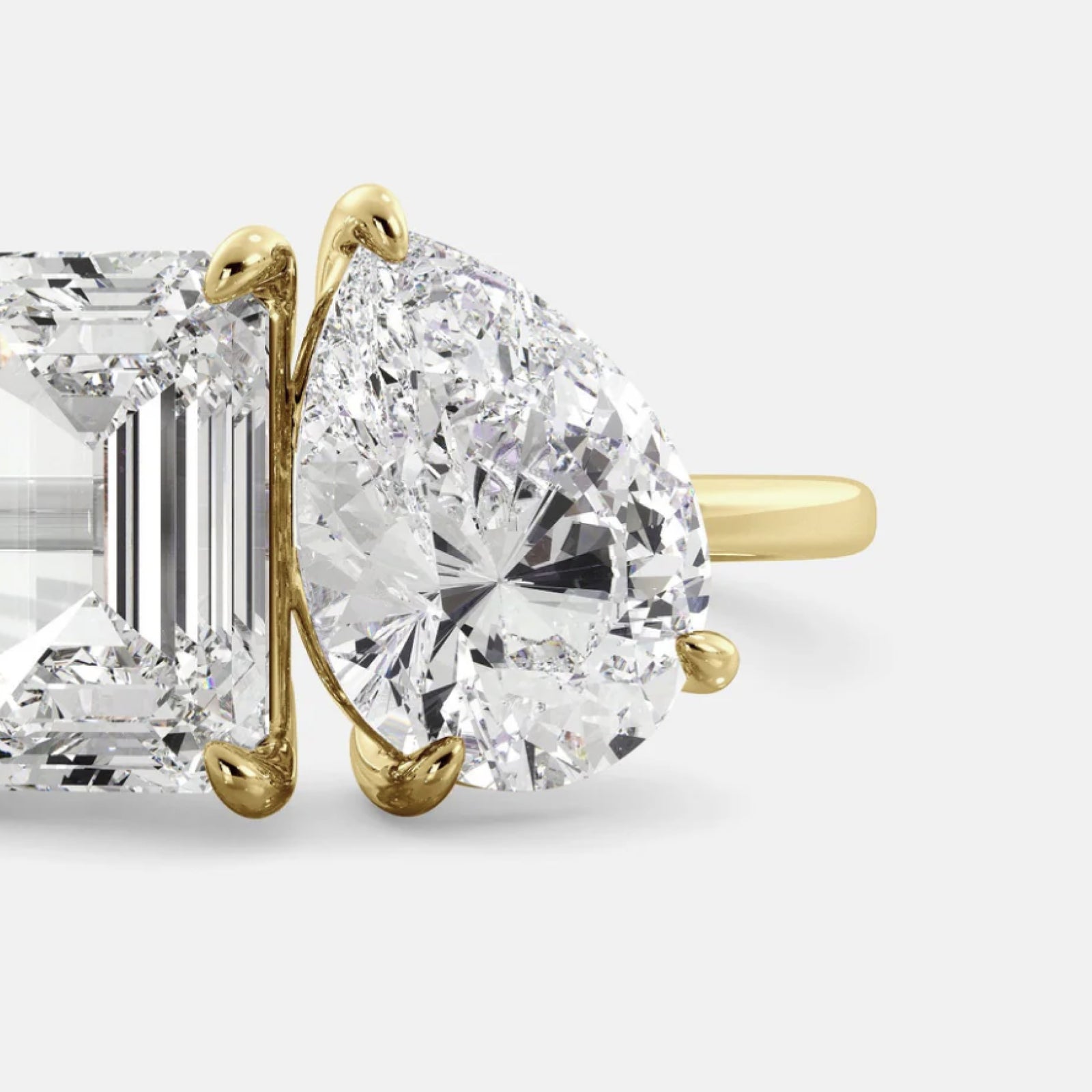

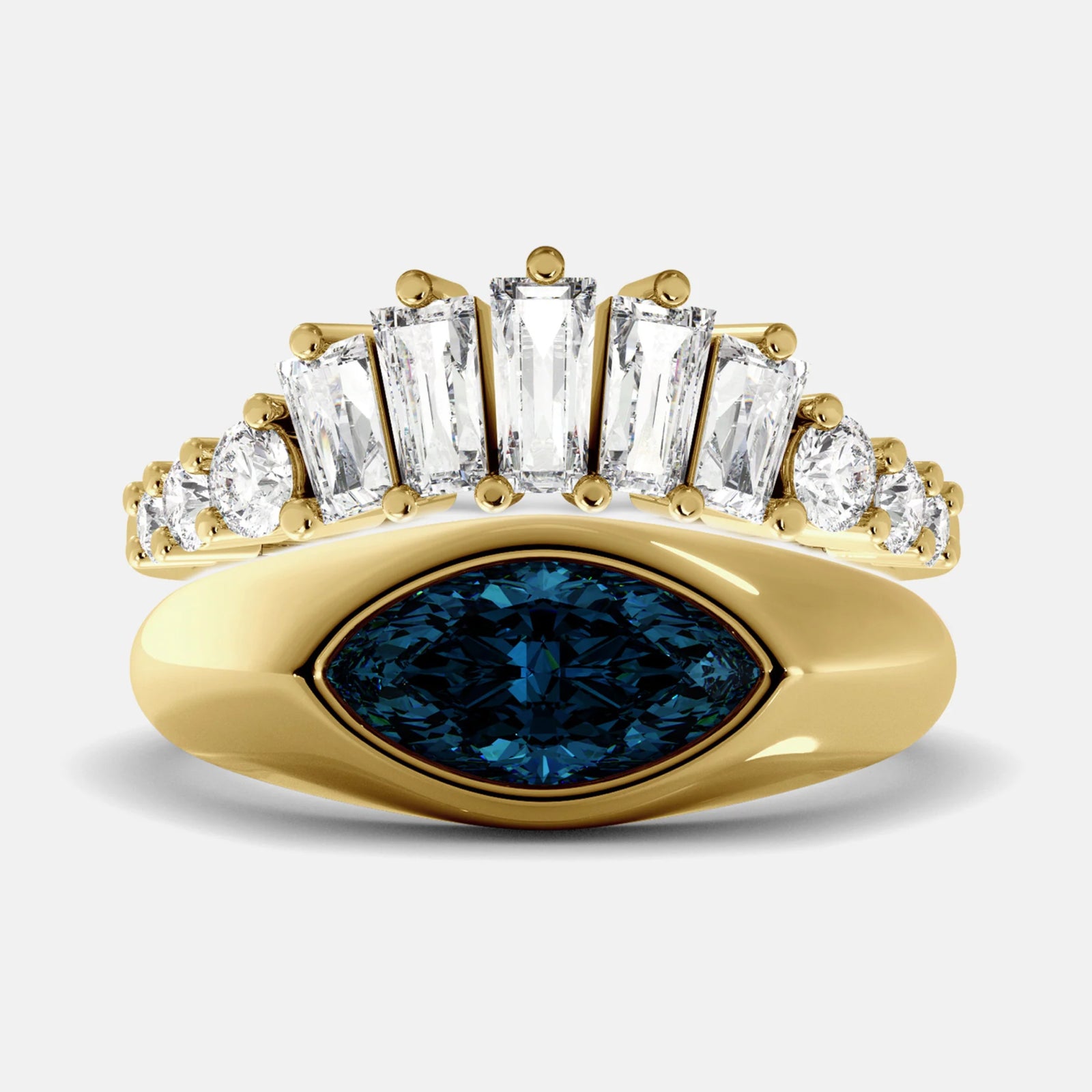













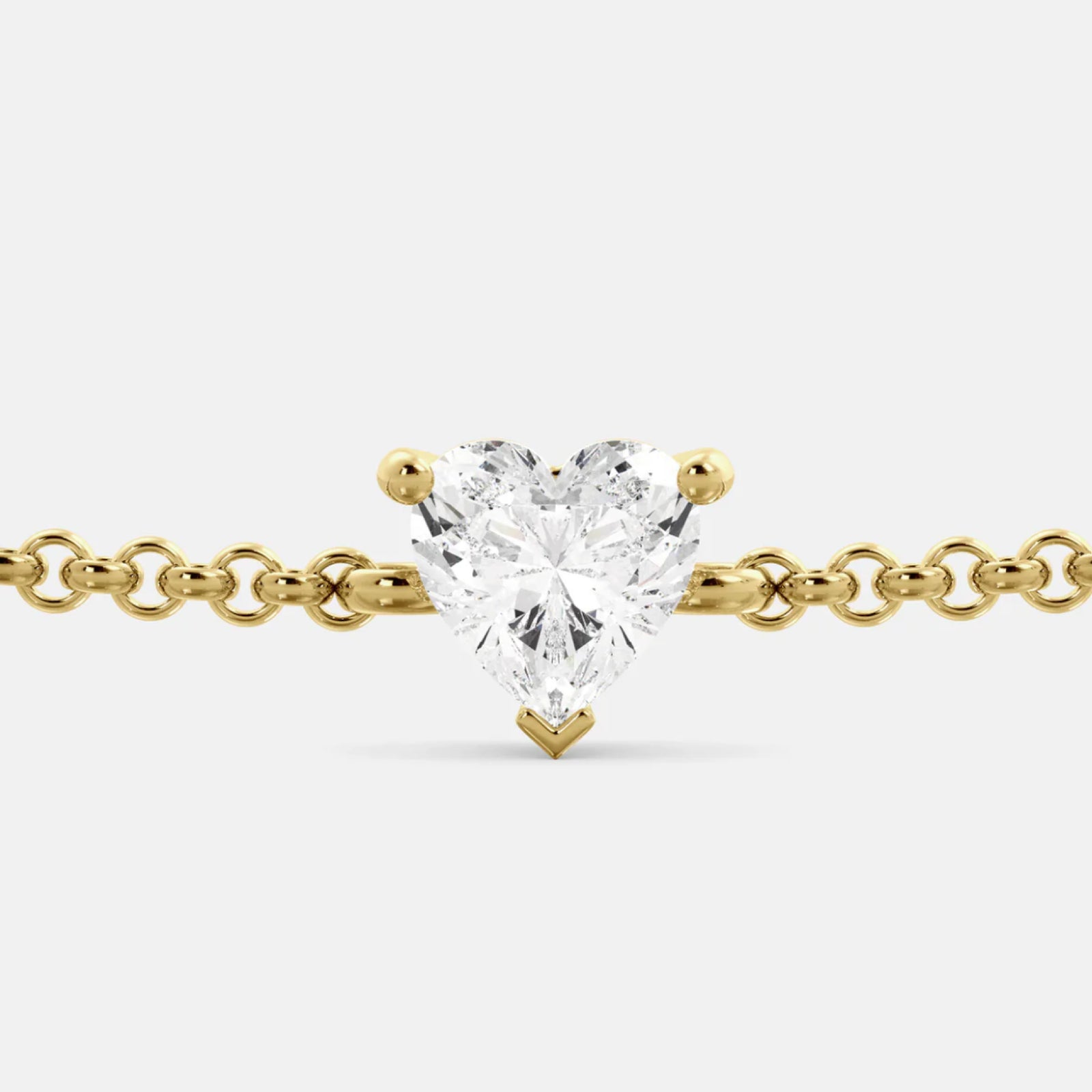

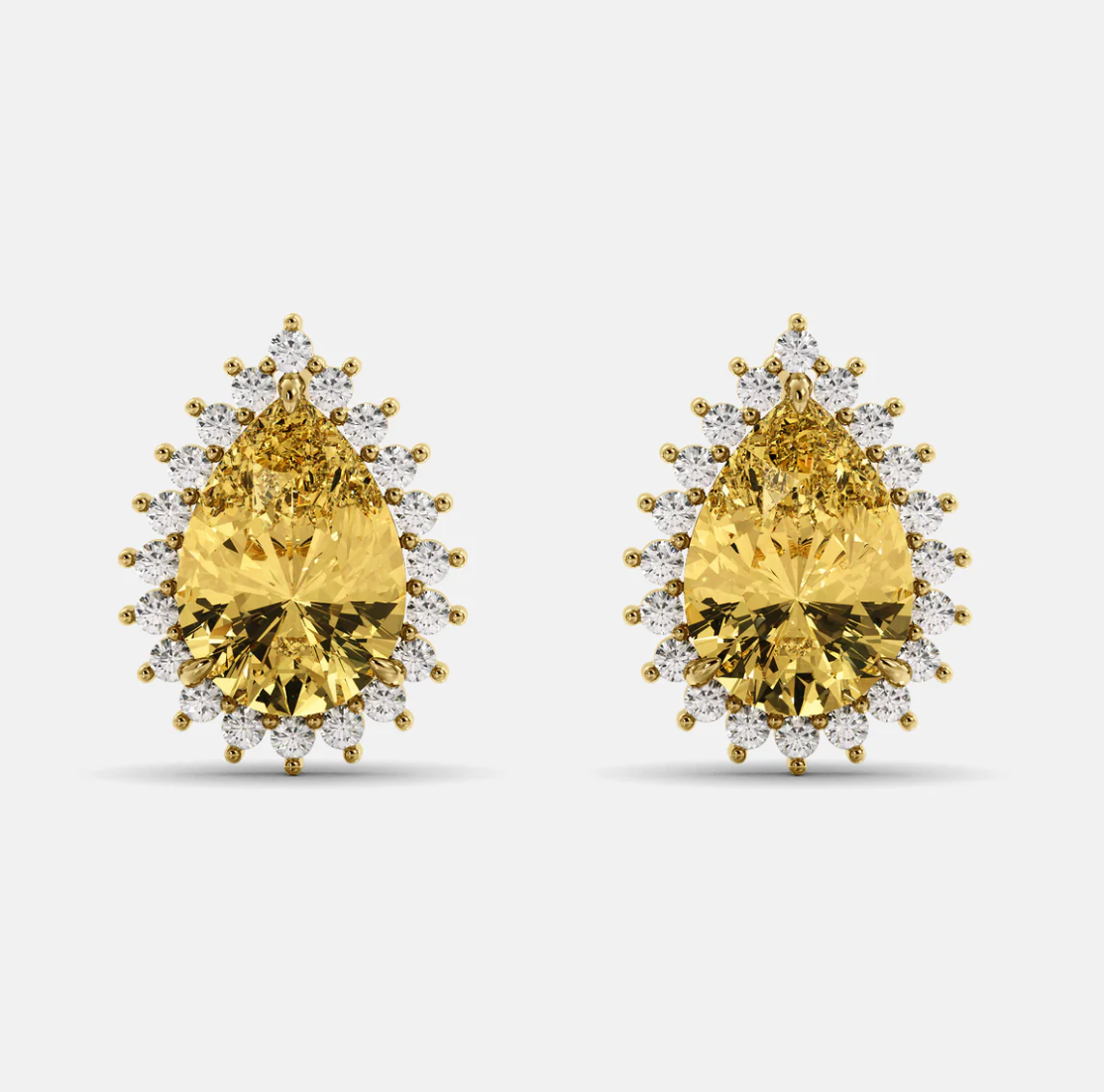

and what to wear instead
a short, honest guide to leaving the right pieces at home this summer.
there's a version of summer that looks like a diamond band catching the light at the edge of the pool. there's another version — the one where that same ring is three feet down in the deep end, and no amount of searching brings it back. this is the guide for avoiding the second version.
the honest answer, before we get into the why: for most fine jewelry, the safest place for it at the beach, the gym, or the pool is at home. below is what's actually happening to your rings and chains in each of those places, which pieces are most at risk, and what to do if you'd still like to wear something.
The short answer
leave your fine jewelry at home, or in a bag in the car, whenever you're headed somewhere your hands will be wet, cold, moving fast, or covered in sunscreen. that covers the beach, the pool, and the gym. the risk isn't really about the metal getting "ruined" in one afternoon — it's about losing something you can't easily replace, or wearing down a setting little by little until, months later, a stone comes loose somewhere you'll never find it.
Why the beach is harder on jewelry than you think
salt water is corrosive to most metals over time, and sand is genuinely abrasive — it works into clasps, catches on prongs, and dulls a polished finish faster than almost anything else you'll expose a piece to. sunscreen and oils add another layer: they build up in settings and on porous stones like pearls and opals, leaving a film that's hard to fully clean out.
the bigger issue is simpler than chemistry, though. hands change size in the cold water, sand hides small objects instantly, and a chain undone by a wave is gone before you notice. a piece with real sentimental or replacement value isn't worth that risk for an afternoon.
What chlorine and cold water do
chlorine is a reactive chemical, and it doesn't treat every metal the same way. it can pit and discolor plated pieces, weaken solder joints over repeated exposure, and dull the surface of softer golds faster than you'd expect. cold pool water also causes fingers to shrink slightly, which is exactly the moment a ring that fits perfectly on dry land slips off without you feeling it happen.
plated metals, pearls, opals, thin chains, anything with pavé
platinum, titanium, and well-set diamonds or sapphires
nothing at all — left at home, in its box
The gym: sweat, weights, and lost rings
sweat is mildly acidic, and it reacts with lower-quality metals over time, sometimes leaving a faint discoloration on the skin. but the more immediate concern at the gym is mechanical, not chemical: rings catch on barbells and machine grips, chains snag on equipment mid-set, and a piece that shifts under a heavy lift can put real pressure on a finger. sweaty hands also slide out of rings more easily than most people expect.
if you work out daily, the simplest habit is the one that protects you most: rings and chains go in your bag before your shoes go on.
Pieces we'd leave at home
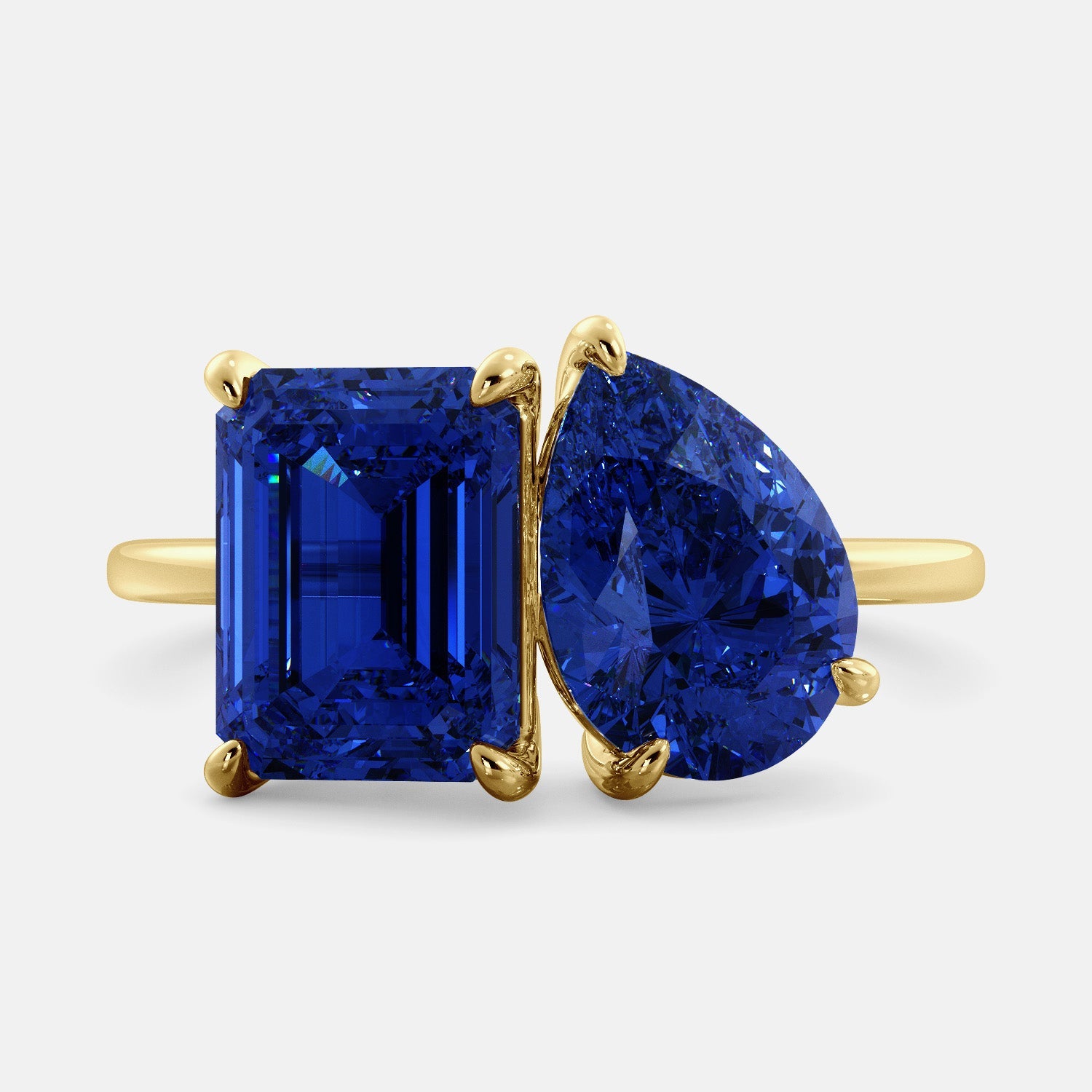
engagement rings and anything with a raised, prong-set stone
pearls and opals — porous stones that absorb chemicals and salt
thin chains with small clasps, which open easily in motion
anything one-of-a-kind or irreplaceable, regardless of material
If you want to wear something: platinum
leaving jewelry at home is still the safest choice — nothing holds up to a lost ring the way an empty pocket does. but if you want a piece that can reasonably handle salt water, chlorine, and sweat without argument, platinum is the material built for it. it doesn't react to chlorine the way plated or lower-karat metals can, it holds a setting more securely over time, and it's dense enough to resist the everyday wear that comes with an active life.
every piece in the Juwels & Co collection can be ordered or made in platinum. if there's a ring or band you already love and wear often, it's worth asking us about a platinum version — one you can wear with a little more ease, even if we'd still suggest taking it off before the deep end.
rings and chains come off before sunscreen, not after
keep one small pouch or dish by the door for anything you take off on your way out
if you're set on wearing a piece, choose platinum over plated or thin-set pieces
Caring for your jewelry afterward
if a piece did get wet — sweat, chlorine, or salt water — rinse it in fresh water and dry it fully with a soft cloth before putting it back in its box. don't let sunscreen, chlorine, or salt sit on a setting overnight. and if you wear the same pieces daily through an active summer, it's worth having them checked periodically, so a loosening prong gets caught before it costs you a stone.
frequently asked questions
should you wear jewelry to the beach?
can you wear jewelry in the pool?
is it okay to wear rings at the gym?
what jewelry material is safest for swimming?
how do I clean my jewelry after the beach or pool?
a piece built for real life
ask us about platinum
any Juwels & Co design can be made or ordered in platinum, for the pieces you don't want to take off — most days, anyway.
talk to us about platinum →


