































Here's What Actually Is
the word gets used a lot. here's what it actually means, and what holds up when your jewelry meets water.
scroll through jewelry ads long enough and you'll start seeing the same word everywhere: waterproof. shower in it, swim in it, sweat in it, never take it off — that's the promise. it's a nice idea. it's also not quite true.
the claim has become especially common over the last several years, as more jewelry brands sell directly on social media and lean on "shower-proof" or "sweatproof" language to promise low-maintenance jewelry you never have to think about. it's an appealing pitch. it's just not one that holds up to any real testing.
we looked into what "waterproof jewelry" actually means, whether any of it holds up to scrutiny, and what genuinely happens to different materials when they meet water. here's what we found.
where "waterproof" comes from
"waterproof" is a marketing word before it's anything else. unlike, say, an IP rating on a phone, there's no independent lab, seal, or certification behind a jewelry brand calling a piece waterproof. no one is testing it against a standard. it's a claim a brand chooses to print, not a fact a third party verified.
that doesn't automatically make it false — some jewelry genuinely handles water well. it just means the word alone tells you nothing. what matters is the material underneath the claim, which is what the rest of this guide is actually about.
what the FTC actually says
this isn't a new debate. back in the 1960s, the Federal Trade Commission banned the word "waterproof" from watch advertising specifically, because no watch — no matter how well-built — can be guaranteed impervious to water in every condition, forever. gaskets wear down. seals degrade with age and temperature change. the FTC required "water resistant" instead, and laid out depth-based definitions: fine for rain and handwashing, fine for surface swimming, fine for snorkeling, and so on, each tied to a specific, tested depth rating.
jewelry doesn't carry that same formal rating system. but the underlying logic holds just as well: no piece of jewelry can be promised as permanently, completely impervious to water. the honest word is water-resistant — and even then, "how resistant" depends entirely on what it's made of.
what "water resistant" actually means for jewelry
watches have gaskets, seals, and a depth rating you can point to. jewelry doesn't work that way — there's no equivalent lab test or official rating scale for a ring or a pair of earrings. so when a jewelry listing says "waterproof" or "water resistant," it's almost always describing one thing: whether the metal will tarnish, discolor, or leave a mark on your skin after it gets wet.
that's a much narrower claim than it sounds like. it says nothing about what happens after a hundred showers, a summer of ocean swims, or years of daily wear. for that, you have to look past the label and at the actual material.
metals that hold up (and the ones that don't)
some metals are genuinely, structurally suited to water exposure. others just haven't tarnished yet. here's the difference.
this is the gap most "waterproof jewelry" marketing glosses over. gold-plated pieces can be labeled waterproof right alongside solid gold ones, even though only one of them is built to actually last in water. sterling silver falls somewhere in between — it won't fall apart, but it will tarnish faster with regular moisture exposure and needs more upkeep to stay bright.
the reason comes down to basic chemistry, not marketing. gold is a noble metal — it doesn't react with the oxygen or moisture in water the way silver or copper does, so it doesn't tarnish or corrode on its own. that's true at any karat: 14k gold is roughly 58% pure gold alloyed with harder-wearing metals for strength, and that alloy is solid all the way through the piece. a plated piece is a different structure entirely — a thin gold layer bonded over a base metal, so the water-resistance only lasts as long as that top layer does.
the gemstones water still damages
even the most water-resistant metal doesn't change the rules for certain stones. these are porous, organic, or commonly treated in ways that water actively works against — no metal matters here.
why we build in solid 14k gold
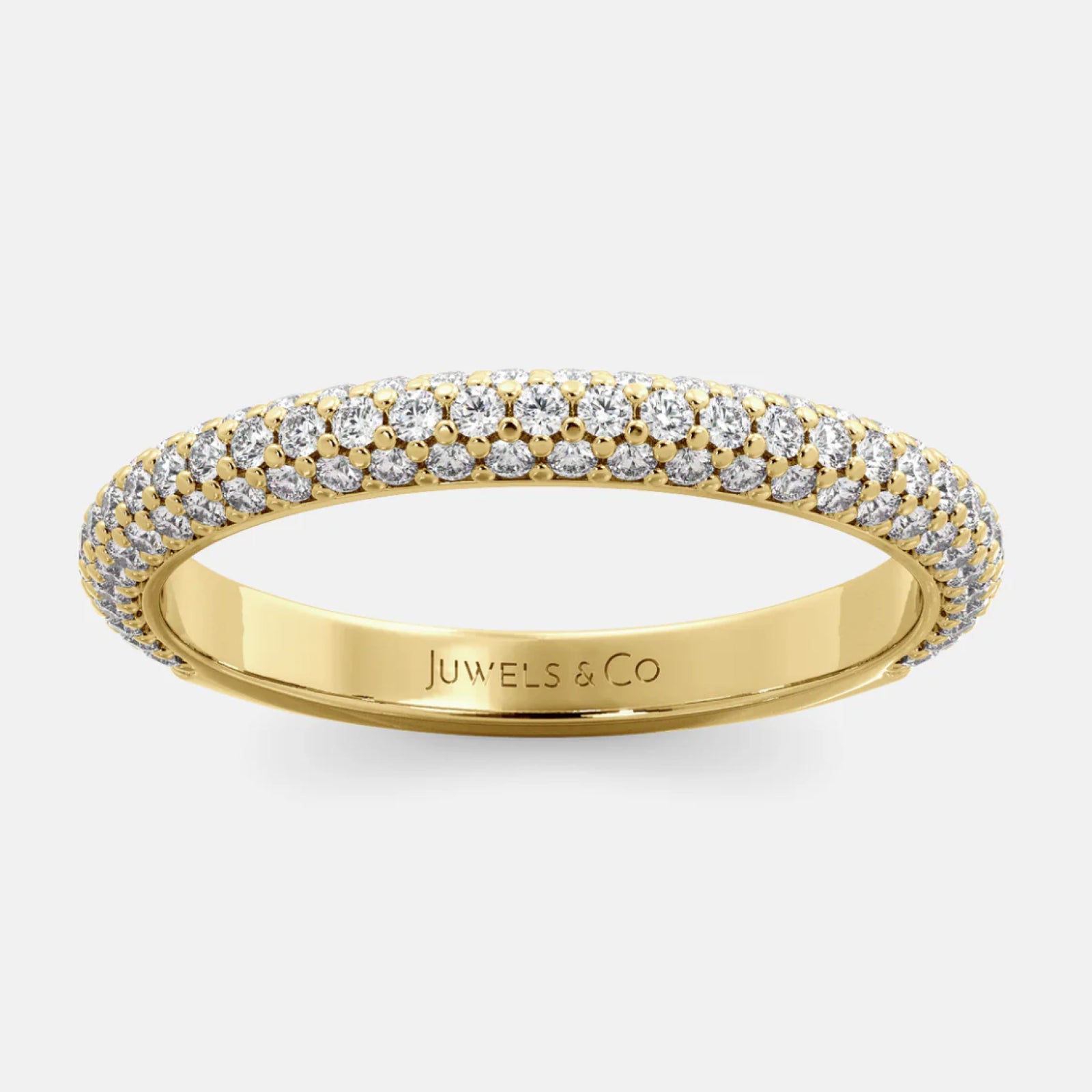
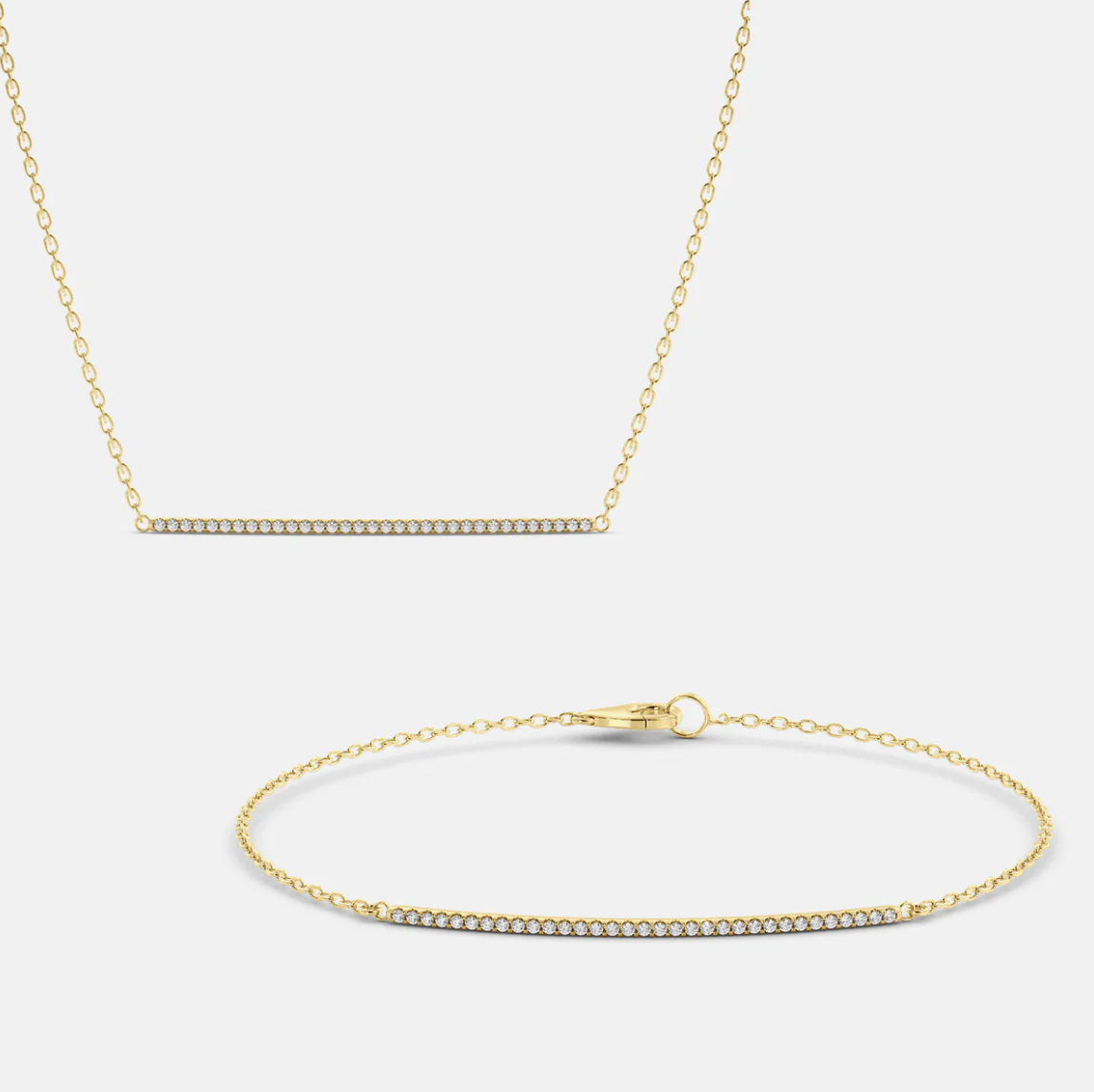
every piece at Juwels & Co is made to order in solid 14k gold. that's not a workaround to be able to say "waterproof" — it's a material choice we'd make regardless, because solid gold is one of the more forgiving metals for an actual, lived-in life. showers, salt air, an ocean swim: it's built to take that without breaking down the way a plated piece will.
so we won't call anything we make "waterproof." what we will say: solid gold holds up to daily life better than most materials in this category, and if your piece includes a stone like a pearl, opal, or turquoise, that's worth knowing about — not because the metal will fail you, but because the stone might need a little more care.
how to actually care for it
frequently asked questions
is gold jewelry waterproof?
can you shower with gold jewelry?
what does "water resistant" mean for jewelry if there's no official rating like watches have?
can you swim in the ocean or a pool with gold jewelry?
why do some brands say their jewelry is "waterproof"?
is 14k gold better than gold-plated jewelry for water exposure?
why does some jewelry turn my skin green after swimming or showering?
made in solid 14k gold.
built to actually live with you.
every piece is made to order, so it's ready for the life you actually lead.
shop the collection →


