





























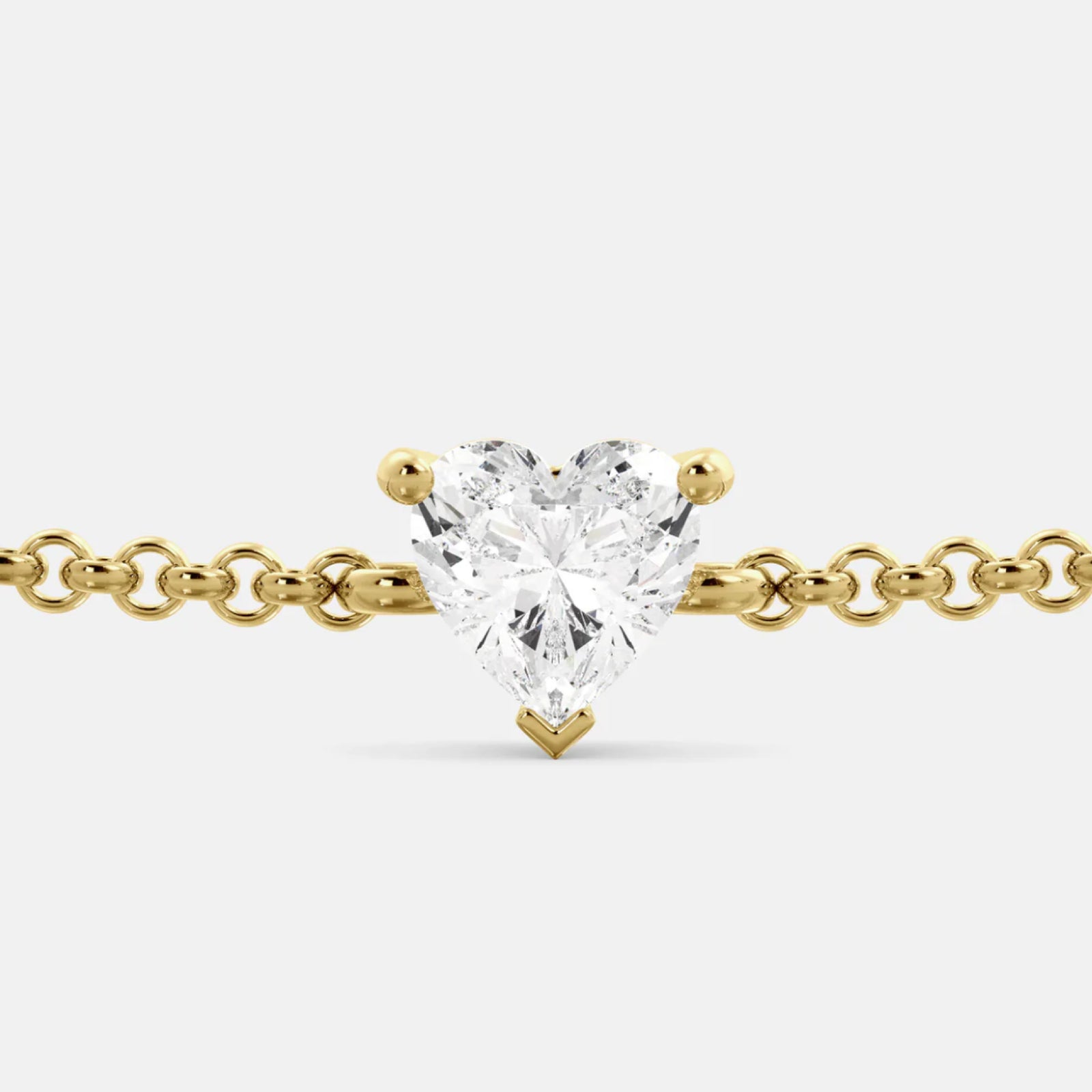

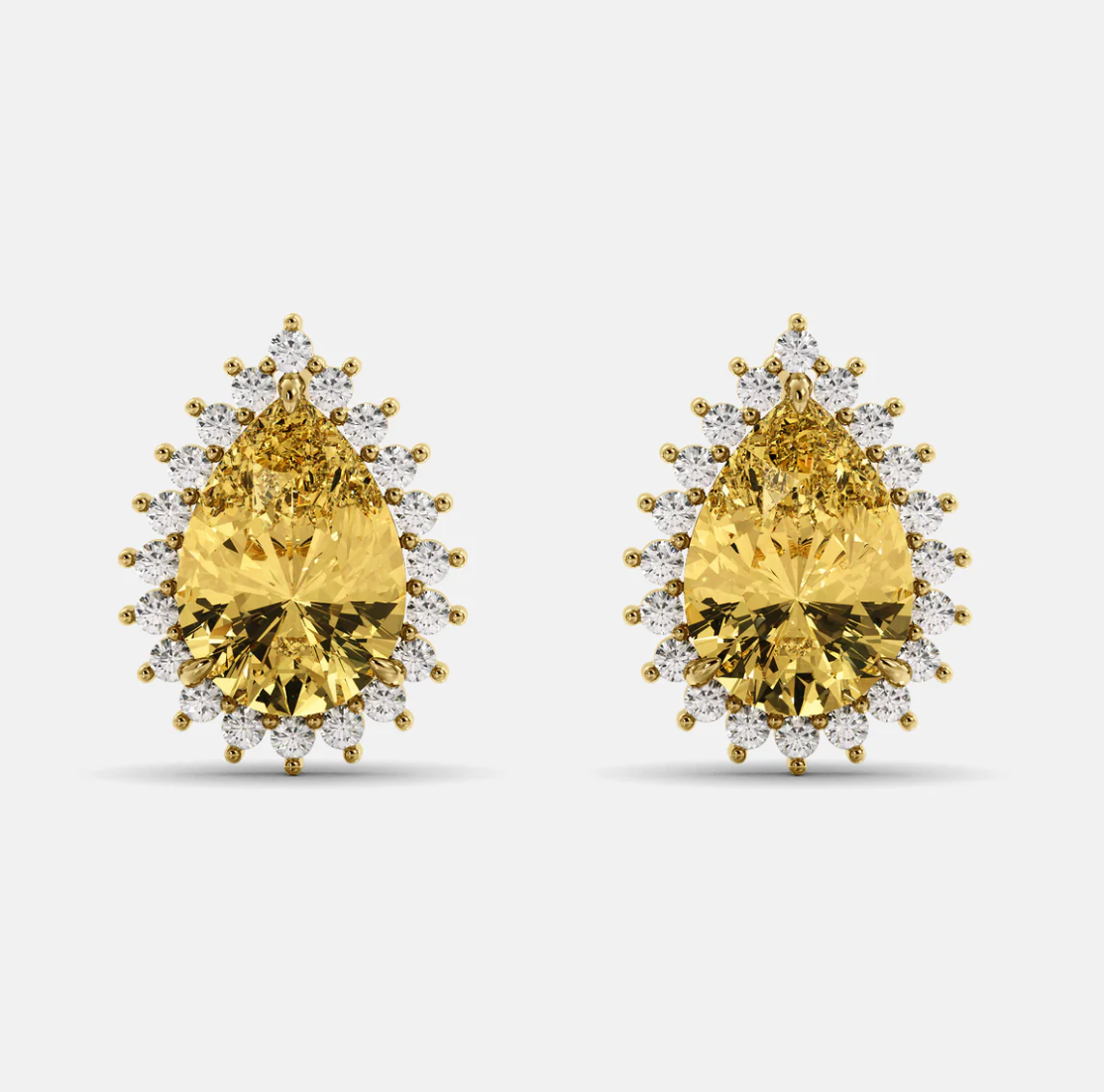

The Honest 2026 Answer
what actually separates a lab-grown diamond from a natural one, what changed in the market this year, and how to decide without pressure.
- what lab-grown diamonds actually are
- how they're made: cvd vs. hpht
- are lab-grown diamonds real diamonds?
- lab-grown vs. natural, side by side
- the honest pros and cons
- the resale value question, updated for 2026
- how much they cost right now
- how juwels & co works with both
- not sure which one? design it together
- frequently asked questions
lab-grown diamonds have gone from a niche alternative to the default choice for a large and growing share of buyers. the market has also moved a lot since this guide first went up — prices have shifted further, resale expectations have gotten clearer, and the honest answer to "should i buy one" looks a little different in 2026 than it did a few years ago.
this is the updated version: what lab-grown diamonds actually are, how they compare to natural stones right now, and the questions worth asking before you buy — including the ones the industry doesn't always volunteer.
what lab-grown diamonds actually are
a lab-grown diamond is a real diamond — chemically, physically, and optically identical to one formed in the earth. it's pure crystallized carbon with the same atomic structure, the same hardness (10 on the mohs scale), and the same fire and brilliance as a mined stone.
the difference is origin and timeline. a natural diamond forms over millions to billions of years under extreme heat and pressure deep in the earth's mantle. a lab-grown diamond replicates those same conditions in a controlled environment, growing a real diamond in weeks instead of geological time. it's not a simulant like cubic zirconia or moissanite — those are different materials that only look similar. a lab-grown diamond is a diamond.
how they're made: cvd vs. hpht
two methods produce lab-grown diamonds today. both create real diamonds — they just take different paths to get there.
replicates the earth's natural conditions directly: a diamond seed is exposed to extreme heat (1,300–1,600°c) and immense pressure until carbon crystallizes onto it. the older of the two methods, and also used to treat some natural diamonds.
grows a diamond from carbon-rich gas in a heated, sealed chamber, building the crystal layer by layer. produces excellent optical purity and is the dominant method for gem-quality lab-grown stones today.
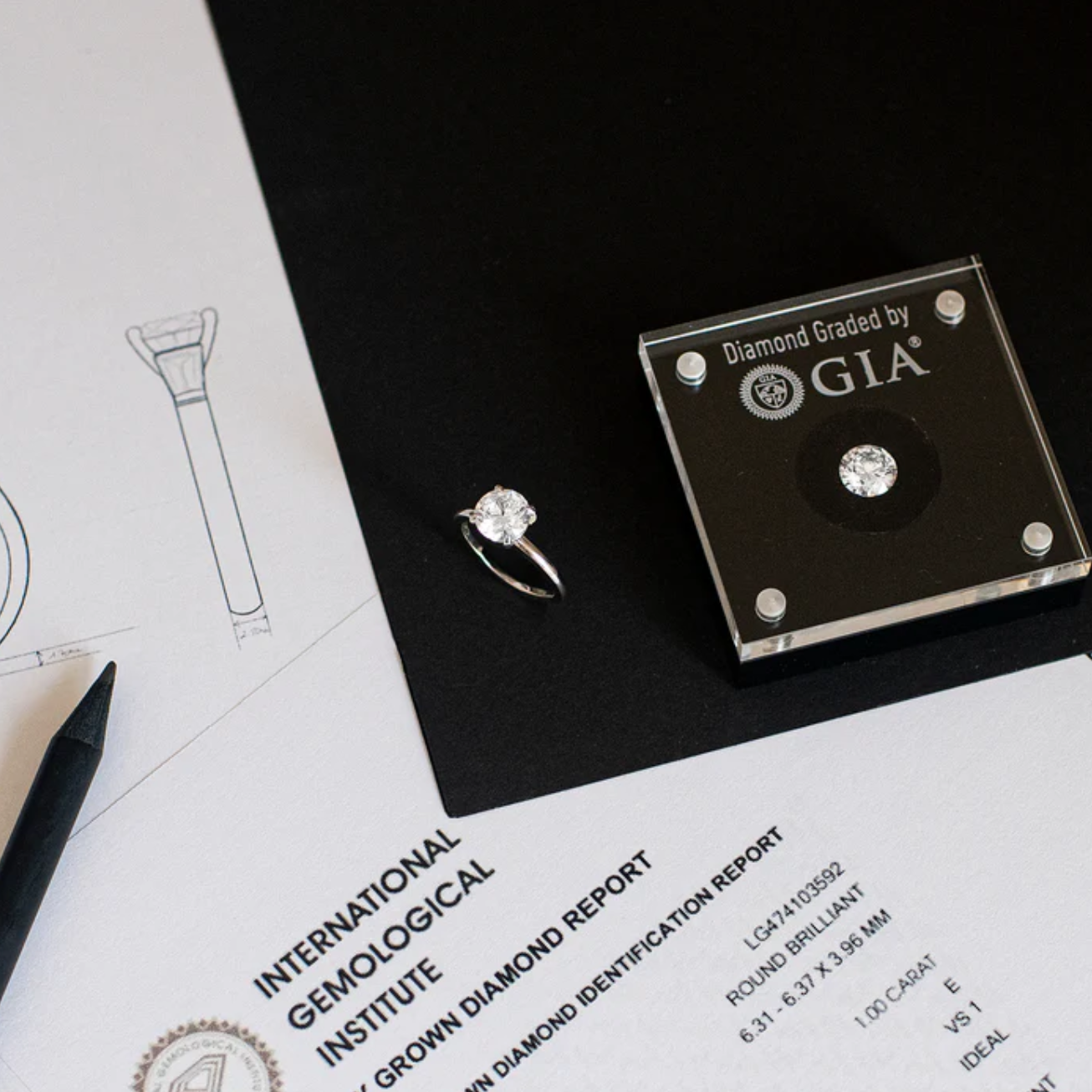
the growth method is noted on the stone's grading certificate. it doesn't affect quality or appearance — it's simply part of the stone's documented history.
are lab-grown diamonds real diamonds?
yes — this is the question most people ask first, and the answer is unambiguous. lab-grown diamonds are chemically, physically, and optically identical to natural diamonds. the gia, the world's leading diamond grading authority, certifies and grades lab-grown stones using the same 4cs system it uses for natural ones. the ftc's guidelines confirm lab-grown stones meet the legal definition of "diamond" — sellers can't imply otherwise.
a trained gemologist can't tell a lab-grown diamond from a natural one by eye or with a standard loupe. distinguishing the two requires specialist equipment that reads trace elements and growth patterns — differences invisible to anyone wearing or admiring the stone.
lab-grown vs. natural, side by side
same composition, hardness, and brilliance as natural. grown in weeks. roughly 60–85% less expensive, and the gap widens at larger carat sizes. resale value is weak — the secondary market is still thin.
same composition, hardness, and brilliance as lab-grown. formed over billions of years. higher upfront cost, reflecting geological rarity and mining costs. holds resale value meaningfully better, in an established secondary market.
both are graded on the same 4cs, both are typically certified (gia or igi), and neither is distinguishable from the other by eye. the decision comes down to what each buyer actually values — size and budget, or rarity and resale.
the honest pros and cons
significantly lower price — often a meaningfully larger or higher-grade stone for the same budget.
identical quality and appearance — same brilliance, same durability, same everyday wear.
no mining required — removes land disruption and conflict-zone sourcing concerns entirely.
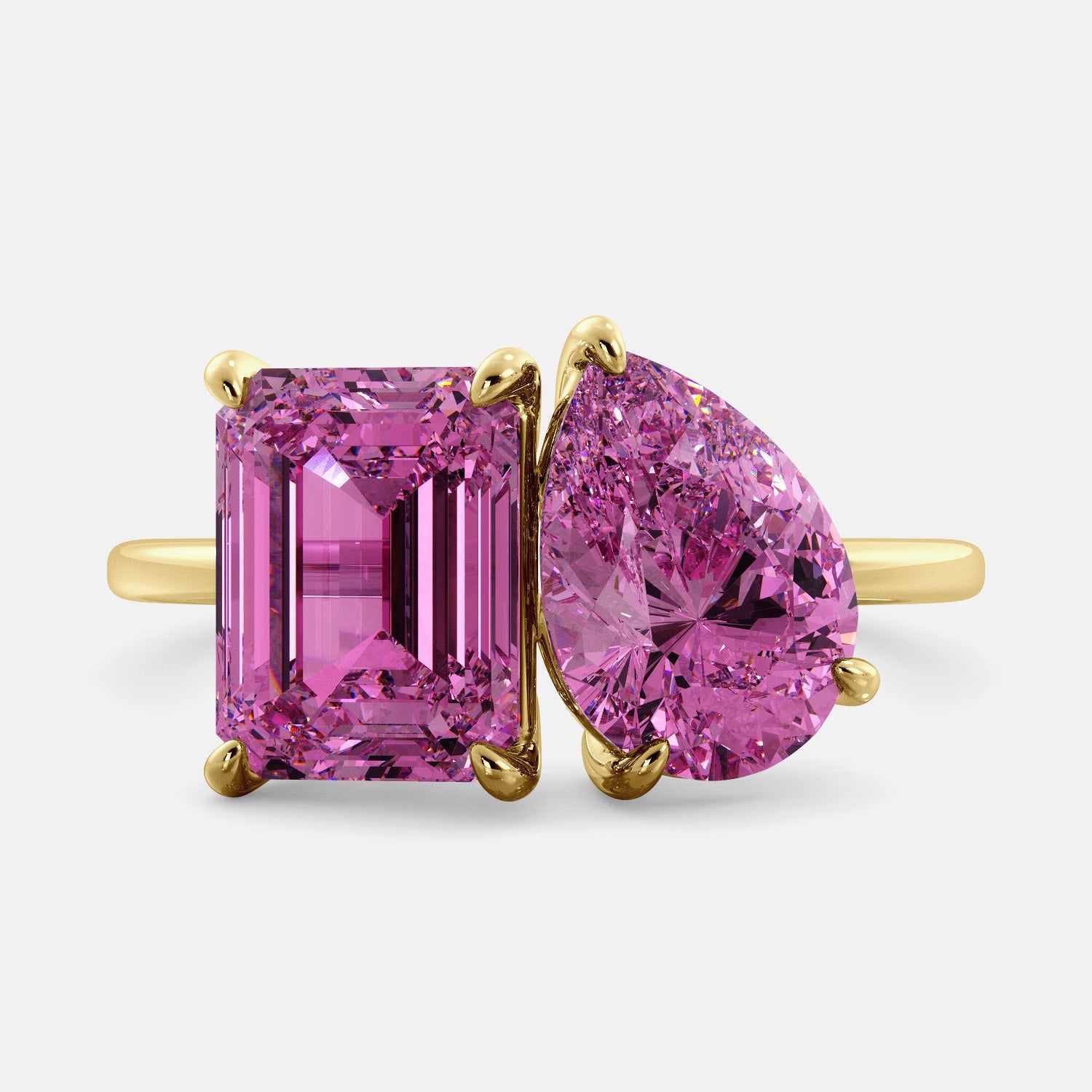
rare fancy colors — vivid yellows, pinks, and blues at a fraction of their natural equivalent's cost.
weak resale value — this is the trade-off worth understanding clearly before you buy (more below).
no geological rarity — a natural diamond's value rests partly on the fact it can't be replicated; lab-grown stones can be produced at scale.
energy-intensive production — some producers use renewable energy, others don't; worth asking if that's your primary motivation.
the resale value question, updated for 2026
this is the section that's changed the most since we first wrote this guide. lab-grown diamond prices fell sharply for several years as production scaled — that decline has largely leveled off in 2026, with prices for premium stones reaching something closer to a floor. but the resale gap it left behind hasn't closed.
most lab-grown diamonds resell for roughly 20–40% of their original price. natural diamonds typically hold 50–60% of theirs, in a more established secondary market. that's not a prediction — it's the current market reality, and it's worth knowing before you buy, not after.
what this means practically: if you're buying primarily as a financial asset, a certified natural diamond is the more defensible choice. if you're buying to wear — to mark a relationship, a milestone, a piece you intend to keep — resale may matter far less than what the stone means to you and what it lets you afford. most people who buy a lab-grown diamond have no intention of ever reselling it; for them, the resale gap is largely theoretical, and the cost saving is very real.
how much they cost right now
the price gap between lab-grown and natural diamonds has widened rather than narrowed. in 2026, lab-grown stones typically run 60–85% less than a natural diamond of equivalent cut, color, clarity, and carat — and the savings grow larger at bigger carat weights, where natural diamond prices climb steeply with rarity.
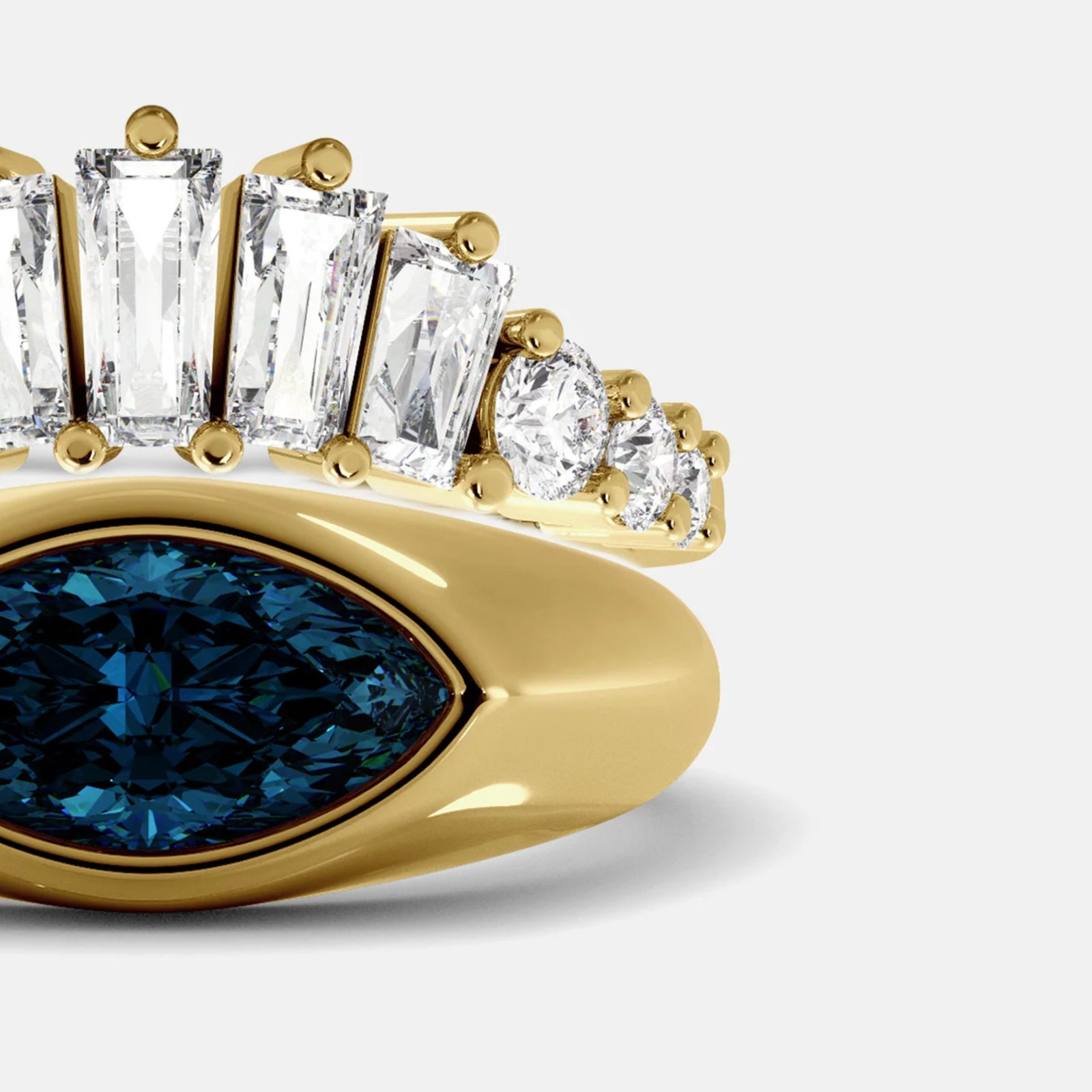
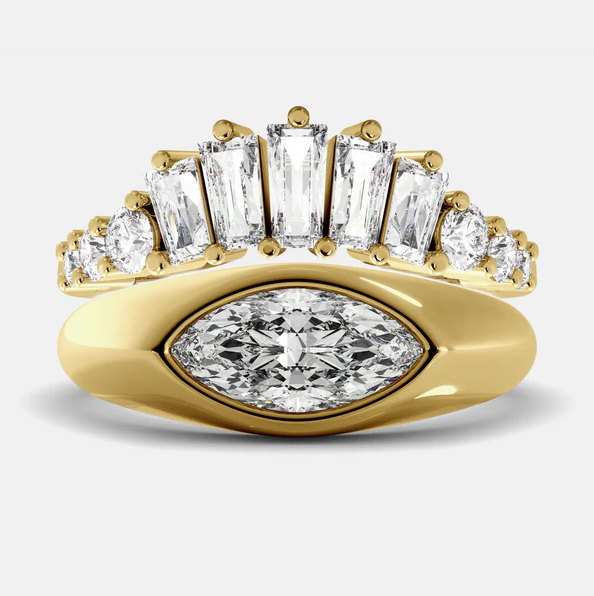
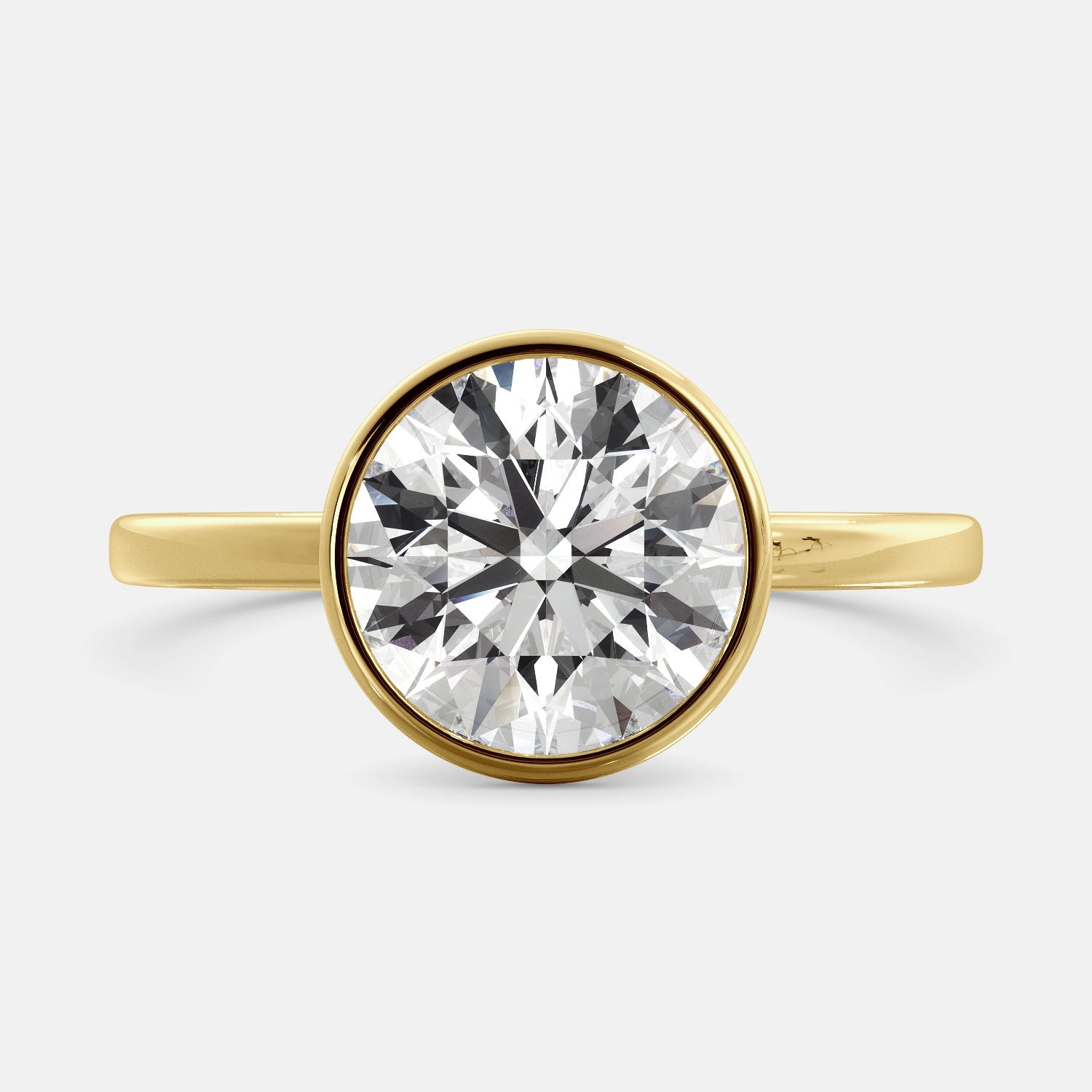
in practical terms, a budget that buys a natural diamond around one carat can often buy a meaningfully larger or higher-grade lab-grown stone. pricing within lab-grown stones still follows the same 4cs that govern natural diamond pricing — a well-cut, near-colorless stone in the d–g range with vs clarity costs more than a lower-grade stone of the same carat, the same as it would with a natural diamond. pieces like our round bezel diamond ring are priced the same way, whether the stone is lab-grown or natural.
how juwels & co works with both
we work with lab-grown diamonds because customers ask for them, and because for many of the pieces we make, they're genuinely the right choice. every lab-grown diamond we source is certified, documenting its 4cs, growth method, and full grading details — the certificate comes with your piece.
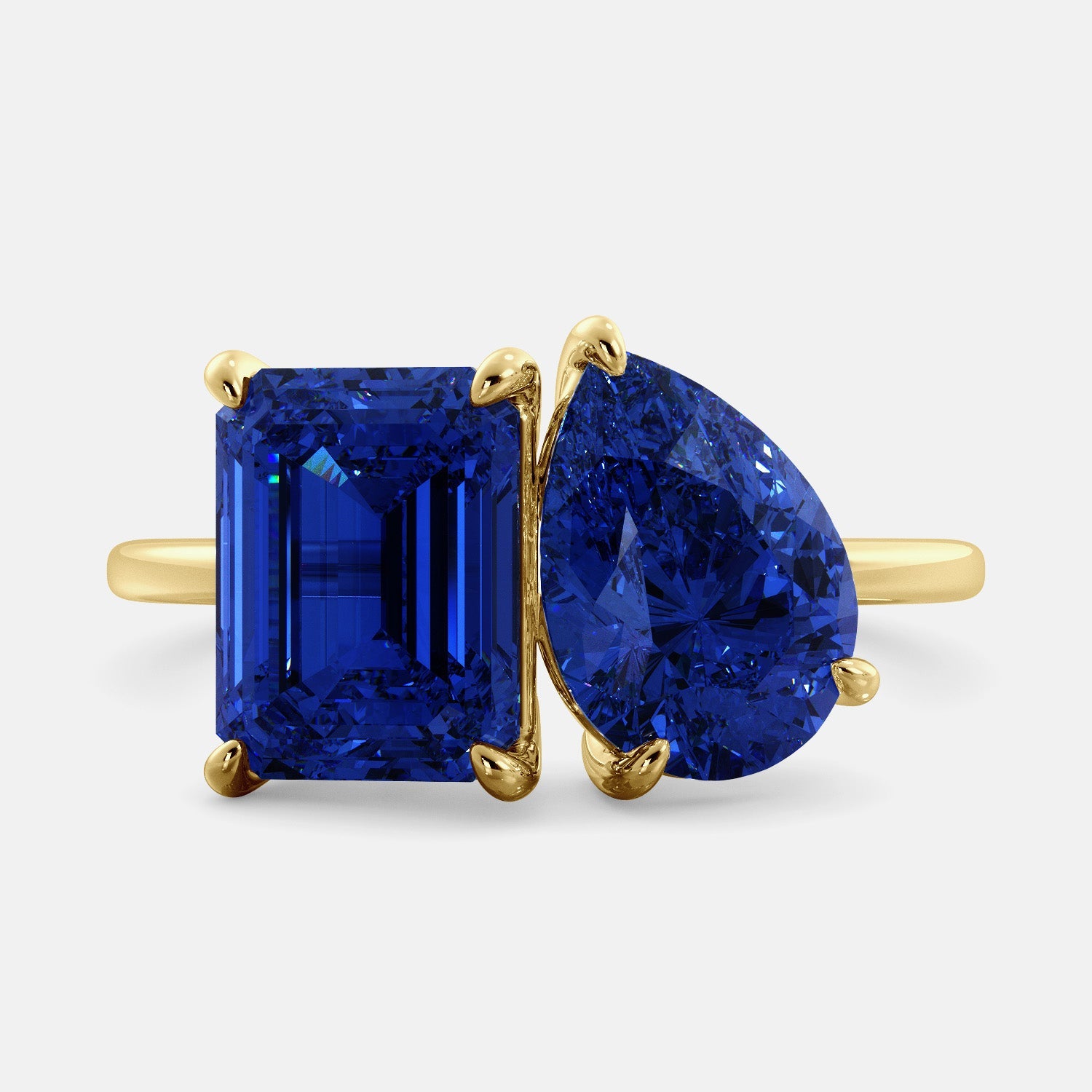
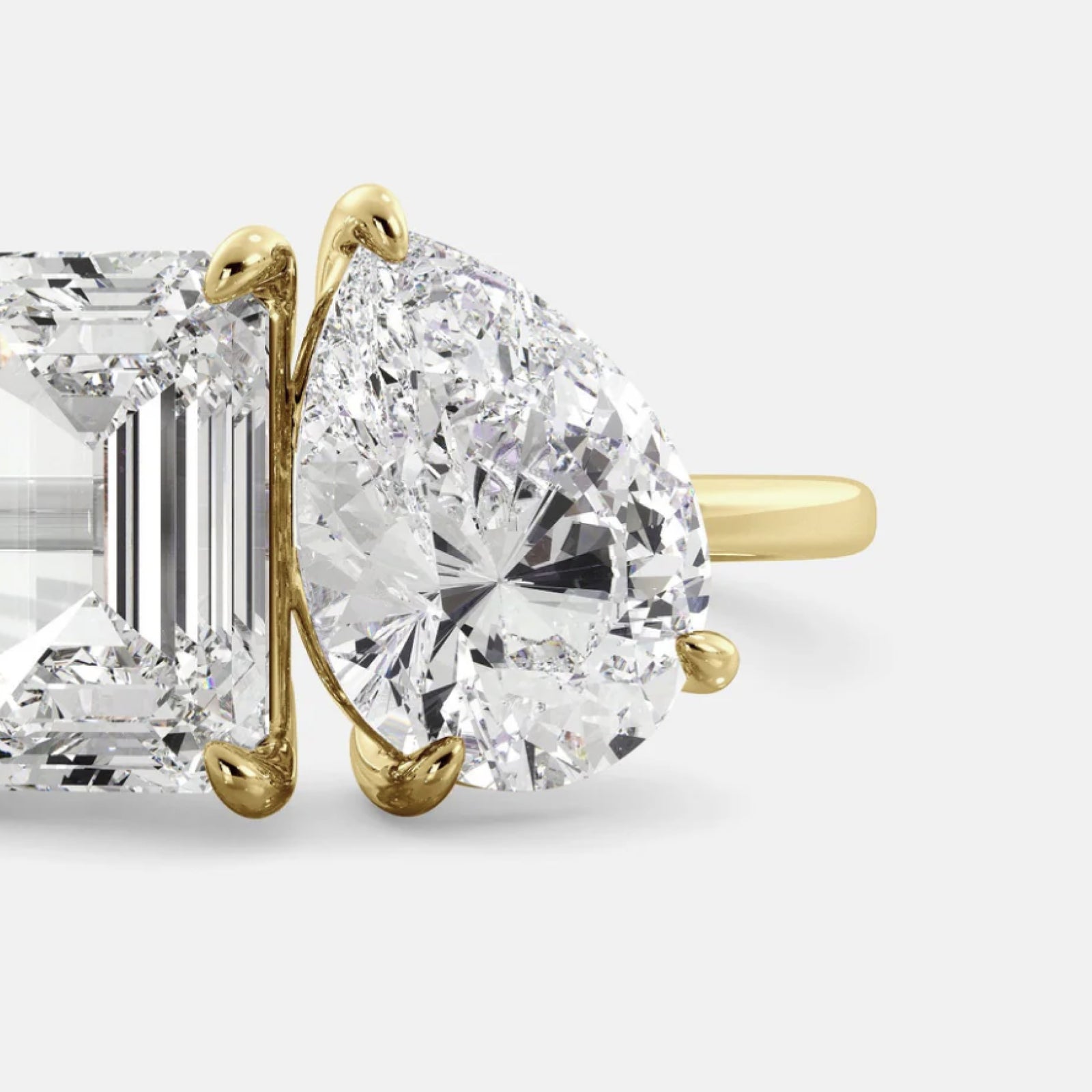
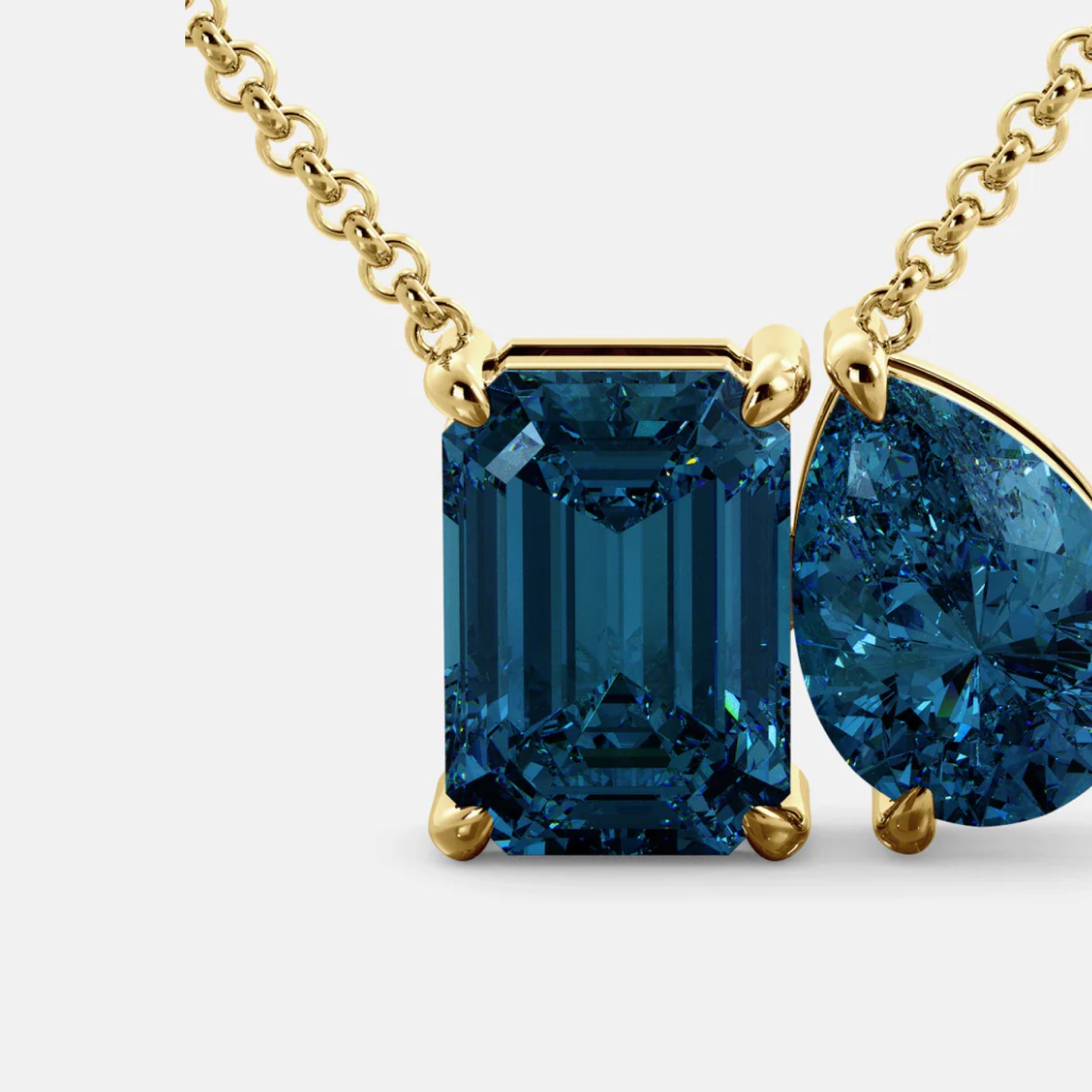
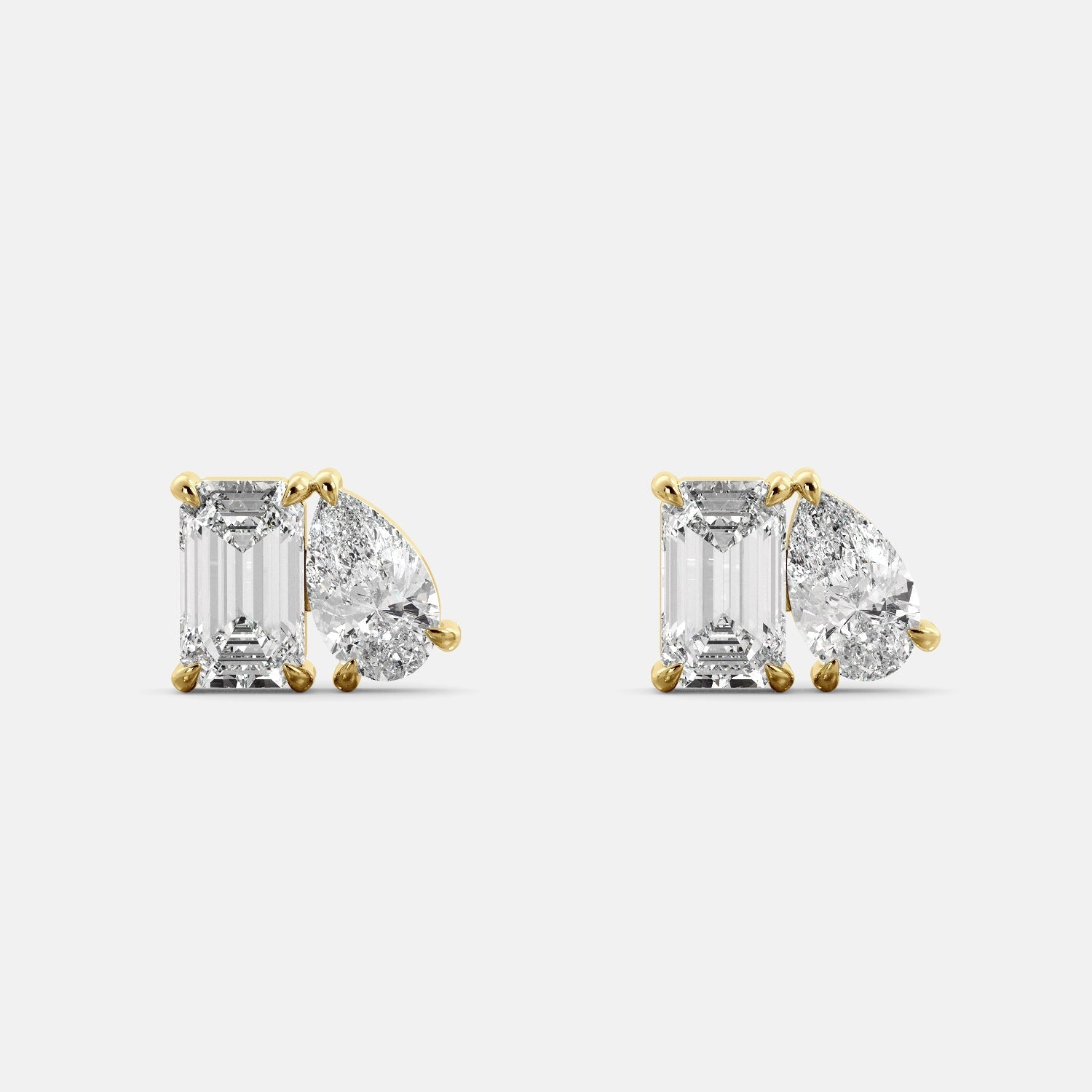
lab-grown stones are especially well-suited to our toi et moi rings, where two meaningful stones sit side by side and the emotional pairing matters more than either stone's geological origin. they're also a practical choice for anyone who wants a larger or higher-grade diamond without the cost of a natural equivalent.
not sure which one? design it together
lab-grown or natural isn't a question you have to answer alone from a comparison chart. it's exactly the kind of decision julia walks through with you directly in a custom design consultation — not a quiz, not a configurator, an actual conversation about your budget, your priorities, and which stone makes sense for the piece you're building.
bring both options to the table. if resale matters to you, that shapes the recommendation. if getting the largest stone your budget allows matters more, that shapes it differently. either way, you leave the conversation knowing exactly what you're choosing and why — not guessing between two nearly identical-looking stones on a website.
frequently asked questions
are lab-grown diamonds real diamonds?
can you tell a lab-grown diamond from a natural one?
do lab-grown diamonds hold their value in 2026?
what's the difference between cvd and hpht lab-grown diamonds?
are lab-grown diamonds more ethical than mined diamonds?
can i use a lab-grown diamond in a custom design at juwels & co?
lab-grown or natural
your stone, decided together
julia personally guides every diamond choice — honest tradeoffs, no pressure, full certification either way.
explore the collection →start your custom diamond piece →


