






























The Honest Answer
a plain look at what "hypoallergenic" really means for gold jewelry — and why the alloy matters as much as the karat.
- why karat alone doesn't answer the question
- what actually causes a reaction (it's rarely the gold)
- 14k vs. 18k vs. 24k: does karat matter for allergies
- solid gold vs. gold-plated: a different kind of risk
- signs you might be reacting to a metal, not just "sensitive skin"
- how to tell if a piece is actually safe for you
- how juwels & co approaches this
- questions worth asking before you buy
- frequently asked questions
"hypoallergenic" shows up on jewelry listings the same way "ethically sourced" does — printed with confidence, rarely explained. with gold specifically, the honest answer is more interesting than a yes or no: it depends less on the karat stamped inside the band and more on what's actually alloyed into it.
if you've had a piece of gold jewelry irritate your skin before, or you're buying for a fresh piercing and don't want to guess, this is the plain version.
why karat alone doesn't answer the question
pure gold (24k) is essentially inert against skin — it's one of the least reactive metals that exists, which is part of why it's been used in jewelry for thousands of years without irritating the people wearing it. but 24k gold is also too soft to hold a ring's shape or a prong's grip, so jewelry gold is always an alloy: gold mixed with other metals for strength. 14k gold is 58.3% pure gold; the rest — the other 41.7% — is a mix of other metals, and that mix is where the allergy question actually lives.
two rings can both say "14k gold" and behave completely differently on skin, because "14k" only tells you the gold percentage. it says nothing about which metals make up the rest.
what actually causes a reaction (it's rarely the gold)
nickel is the single most common cause of jewelry-related skin reactions, and it isn't rare in jewelry alloys — it's inexpensive, it whitens gold effectively, and it's been a standard alloy metal for decades, especially in white gold. if a piece of "gold" jewelry has ever left your skin red, itchy, or bumpy at the exact spot it touched, nickel in the alloy is the most likely reason, not the gold itself.
this is also why the same person can wear one gold ring comfortably for years and react to a different gold ring within days — both pieces are gold by karat, but they're not the same alloy underneath.
14k vs. 18k vs. 24k: does karat matter for allergies
higher karat gold does generally carry lower allergy risk, but not for the reason people assume. it's not that 18k gold is a fundamentally different, gentler material — it's that 18k gold is 75% pure gold, leaving less room (25%) for other metals, compared to 14k gold's 41.7%. less alloy metal by weight means less of whatever's causing a reaction, if the alloy contains an allergen at all.
a 14k piece with a carefully chosen, nickel-free alloy can be entirely comfortable for sensitive skin. an 18k piece alloyed with nickel can still cause a reaction, just a milder one. karat is a starting signal, not a guarantee — the alloy composition is what actually decides the answer.
essentially pure, essentially inert against skin — but too soft to hold a ring or setting's shape.
75% pure gold. less alloy metal overall, so lower risk if a reactive metal is present — not zero risk.
58.3% pure gold. durable and popular for everyday wear — the alloy choice matters more here, not less.
solid gold vs. gold-plated: a different kind of risk
plated jewelry adds a second layer of risk on top of the alloy question. gold plating is a thin layer of gold over a base metal — often brass, copper, or a nickel-containing alloy chosen for cost, not comfort. the plating can wear through within months of regular contact, and once it does, skin is touching the base metal directly, not the gold that was originally protecting it.
solid gold doesn't have that hidden layer. whatever the alloy is, it goes all the way through the piece — there's no worn-through coating to eventually expose something else underneath.
this is also why a reaction to plated jewelry doesn't necessarily mean you're allergic to gold at all. plenty of people who react badly to a plated piece wear solid gold comfortably for years afterward — the trigger was the base metal underneath, not the thin gold layer sitting on top of it.
signs you might be reacting to a metal, not just "sensitive skin"
a genuine metal reaction has a pattern worth recognizing, separate from ordinary skin sensitivity:
redness, itching, or small bumps that appear specifically where the metal touches skin — not spread out generally.
a reaction that shows up after days or weeks of wear, not immediately — contact allergies build with repeated exposure.
the irritation clears once the piece comes off, and returns if you put it back on.
this isn't medical advice, and a dermatologist or allergist can confirm an actual metal sensitivity with a patch test — but this pattern is what typically points to the metal itself rather than dry skin or a coincidence.
how to tell if a piece is actually safe for you
this rules out the worn-through-coating risk before anything else.
a brand that alloys carefully should be able to answer this without hesitation.
a stud or a thin band worn briefly is a lower-stakes way to test a new alloy than a ring worn continuously.
it's the only way to know which specific metal is the actual trigger.
how juwels & co approaches this
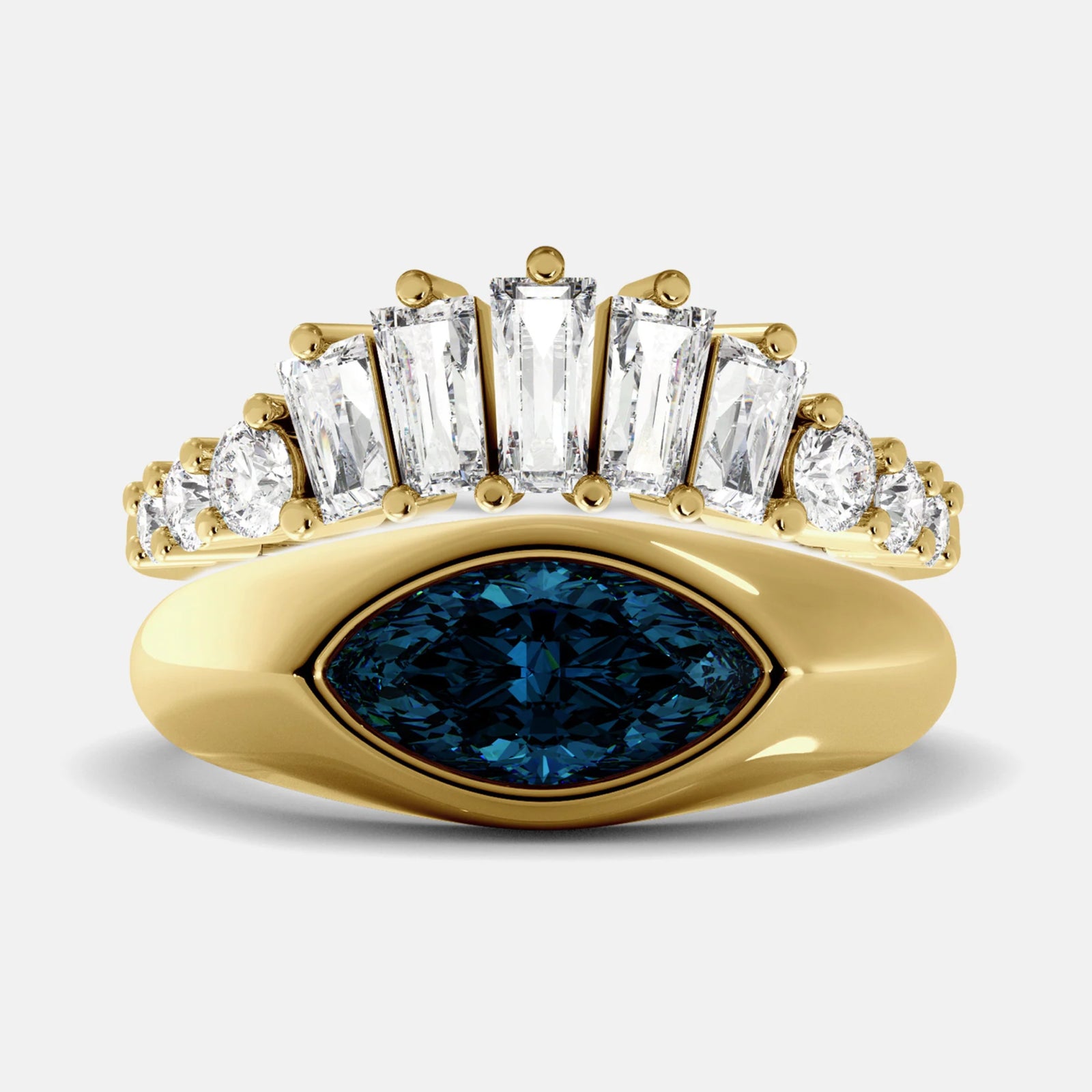
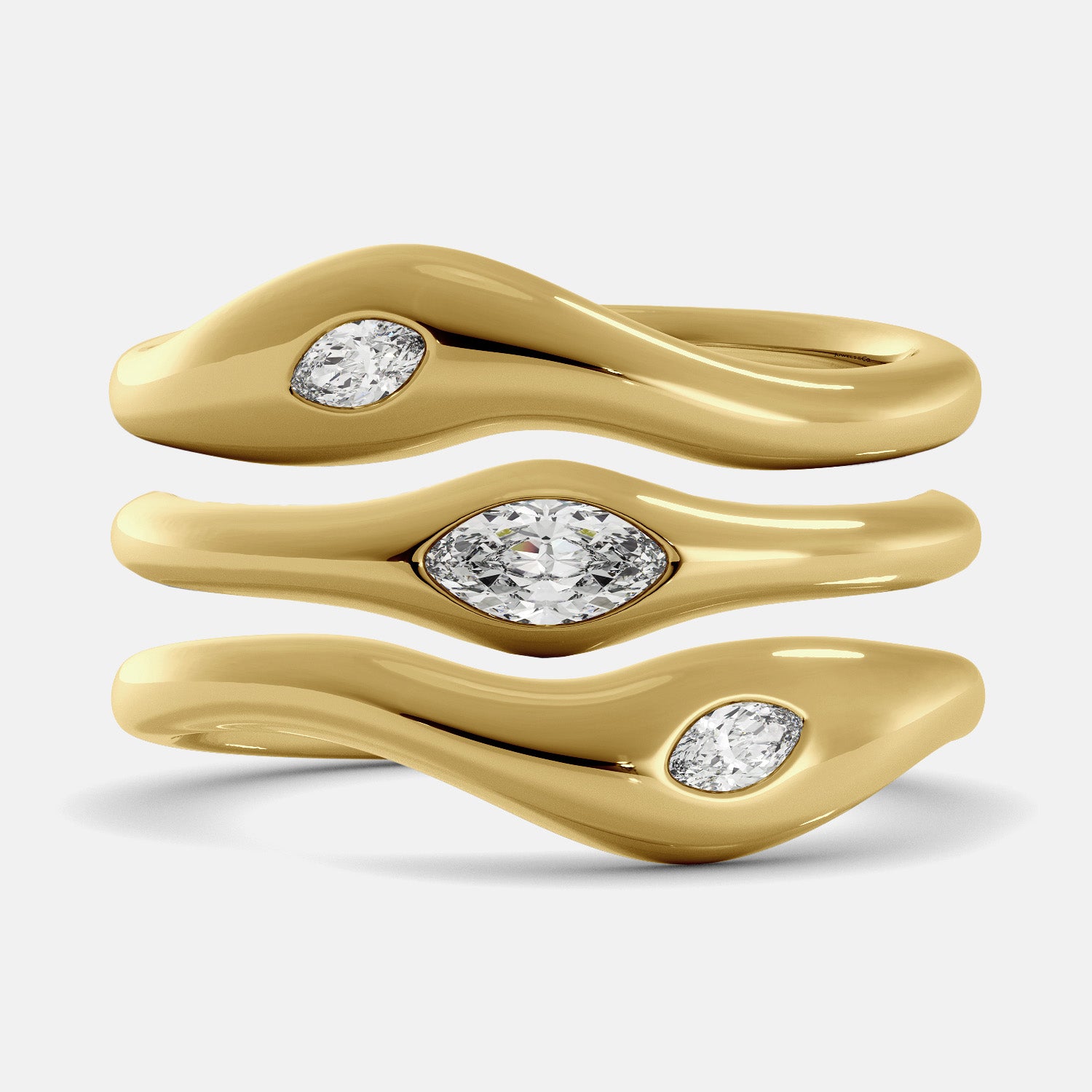
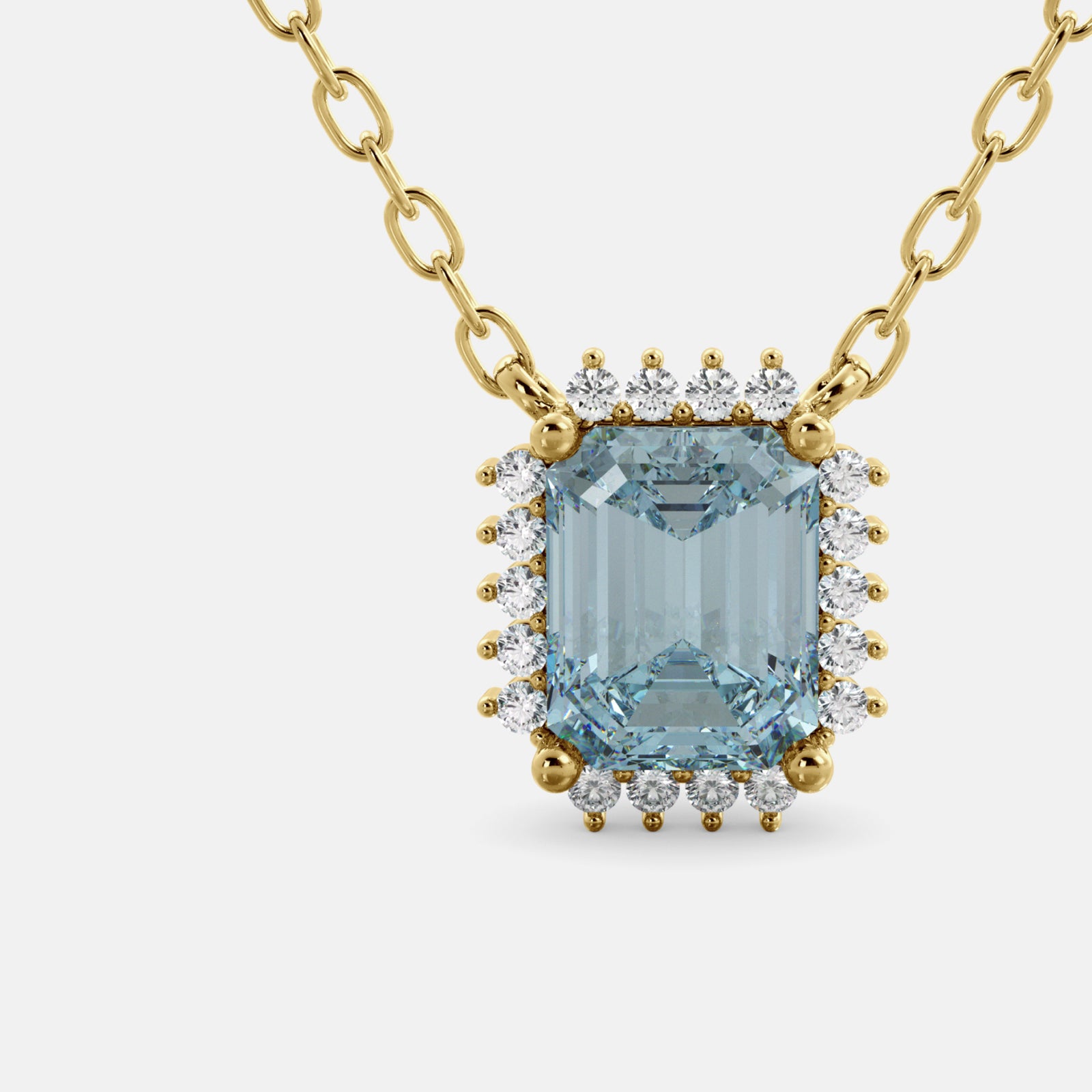
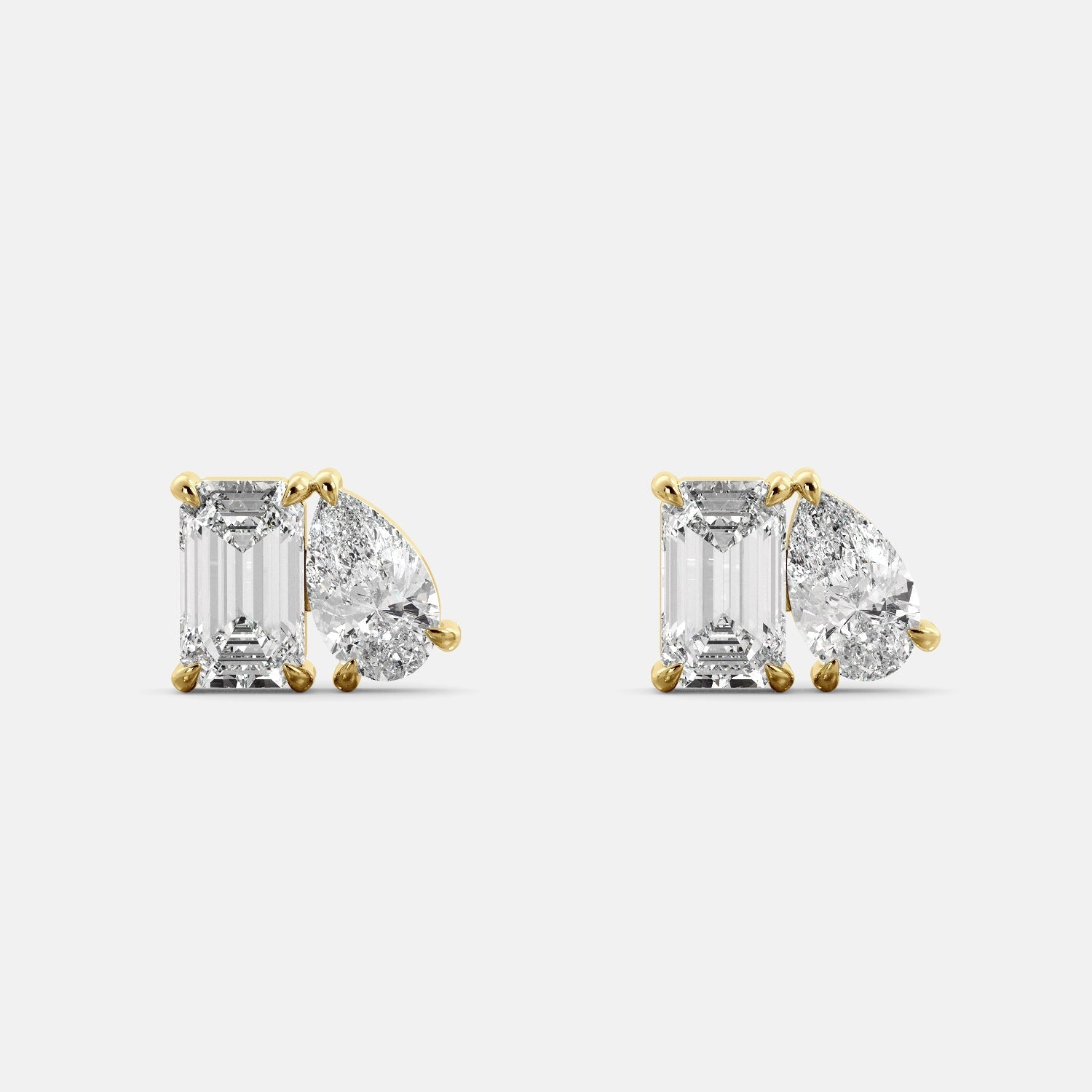
every juwels & co piece is solid 14k gold or platinum, handcrafted to order in los angeles — never plated, so there's no base metal hiding under a coating that could eventually show through. that's true whether it's a piece from the collection or a fully custom design built around your own alloy and stone questions. that removes one entire category of risk on its own.
[julia — this section needs one confirmation from you before it goes live: is our 14k gold alloy nickel-free? if yes, that's worth stating plainly and specifically here, since it's the single most useful fact a sensitive-skin customer could know before buying. if it's not confirmed nickel-free, or you're not sure, i'd rather leave this section at "solid, never plated" — true and safe to state — than imply a hypoallergenic guarantee we can't back up.]
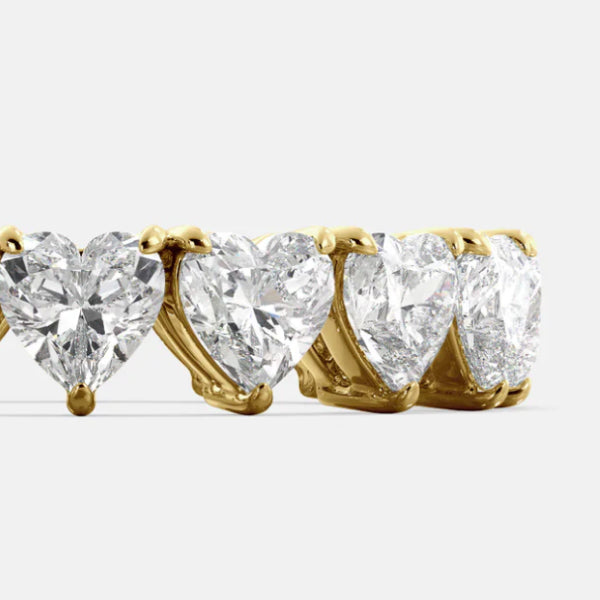
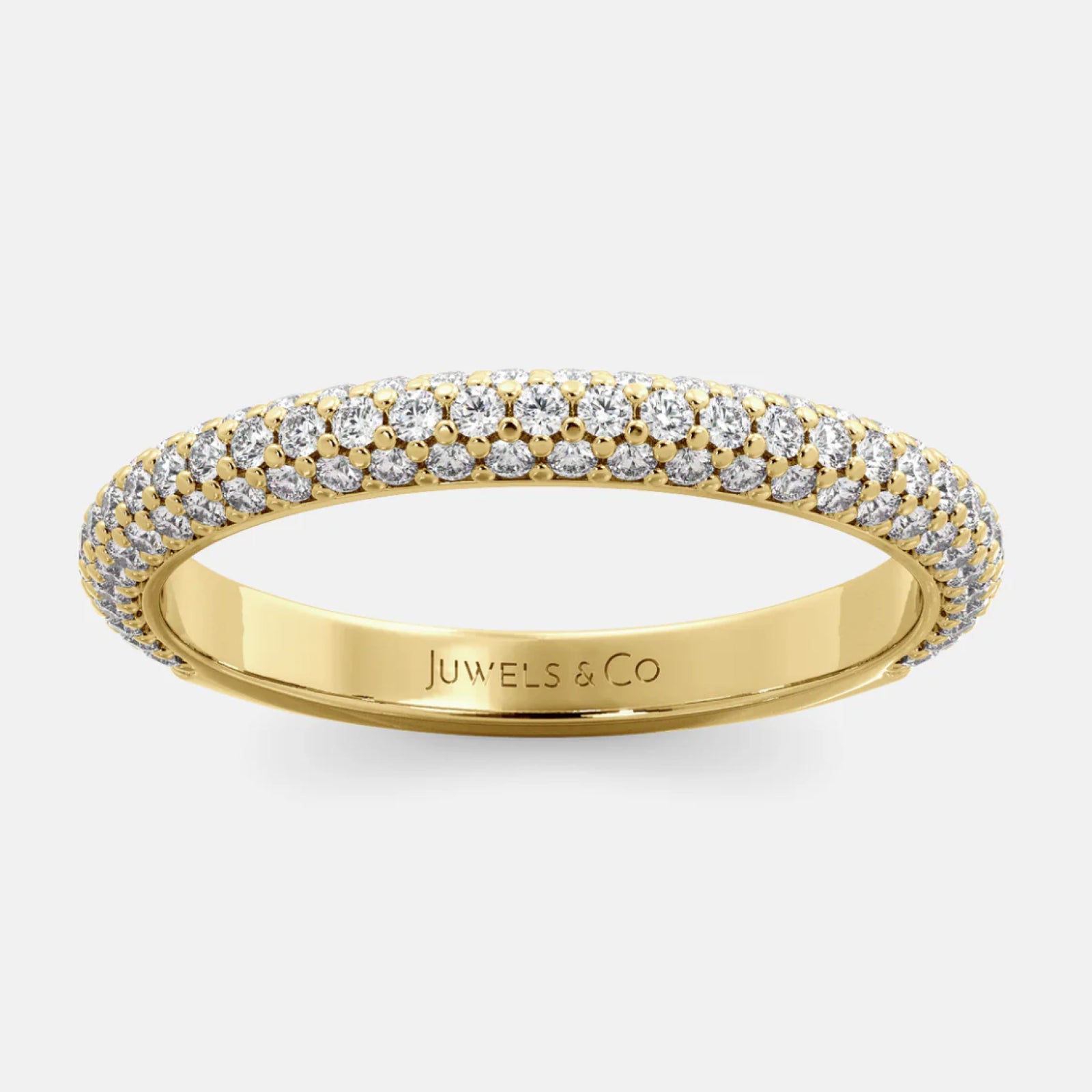
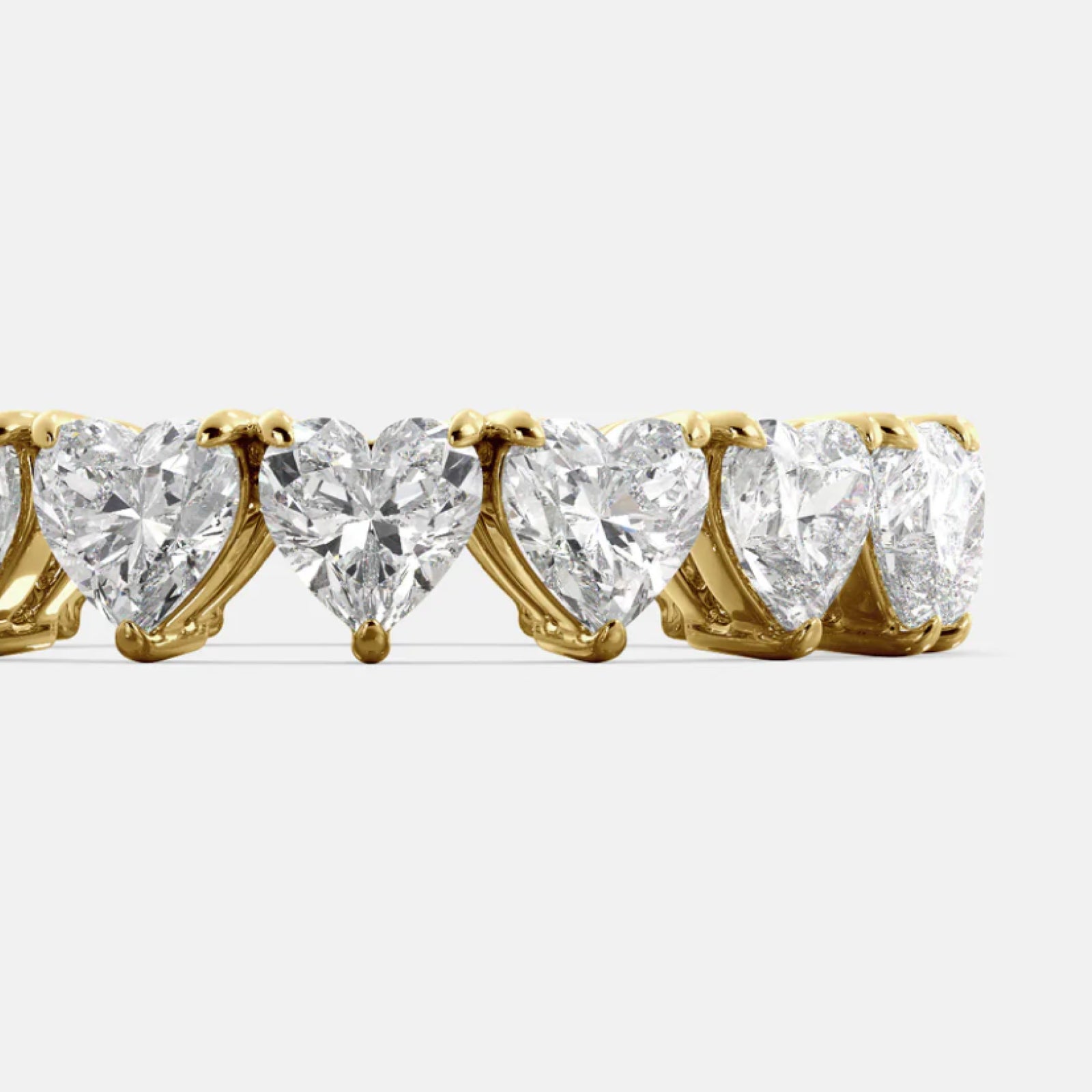
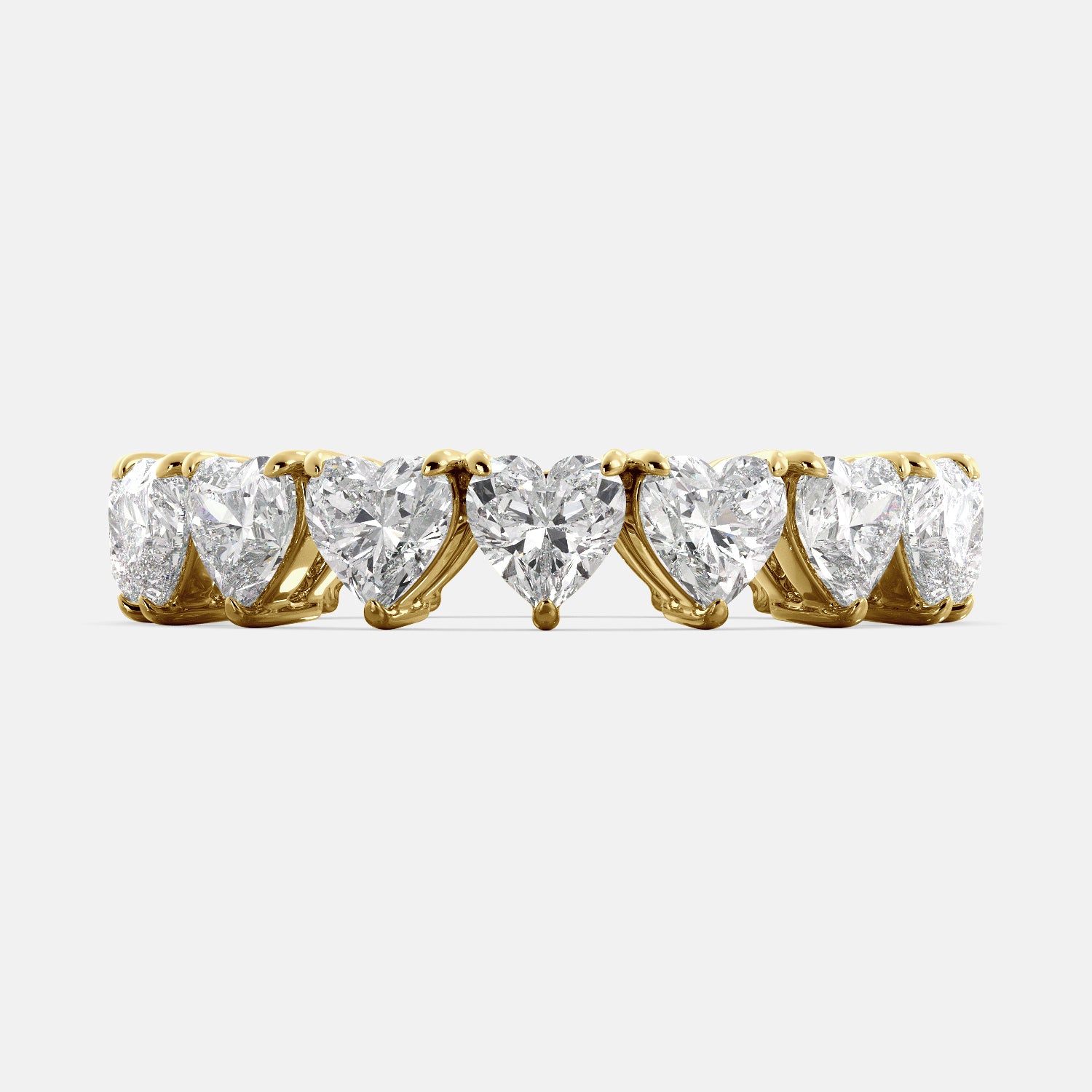
an eternity band is a good example of why this matters — worn daily, it keeps skin in continuous contact with the metal, which is exactly the kind of piece where alloy choice counts the most.
questions worth asking before you buy
is this solid gold, or gold-plated over a base metal?
is the alloy nickel-free, specifically — not just "hypoallergenic" as a general label?
what karat, specifically — 14k, 18k?
if i've reacted to jewelry before, can you tell me exactly what's in this alloy?
a brand that can answer these plainly, without hedging, is one worth trusting with the rest of the story.
frequently asked questions
is 14k gold hypoallergenic?
what actually causes a reaction to gold jewelry?
is 18k gold better than 14k gold for sensitive skin?
is gold-plated jewelry more likely to cause a reaction than solid gold?
how do i know if a piece of gold jewelry is nickel-free?
what should i do if my ears or skin react to a piece of jewelry?
solid gold
worn without worry
every piece is handcrafted to order in los angeles in solid 14k gold or platinum — never plated.
explore the collection →


