

























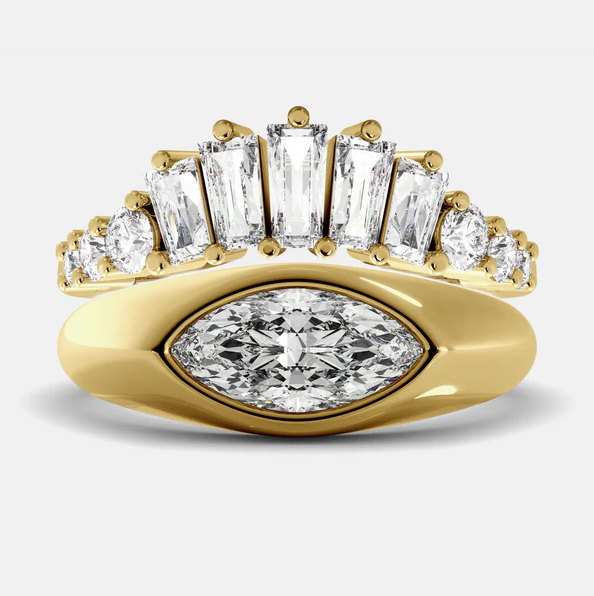

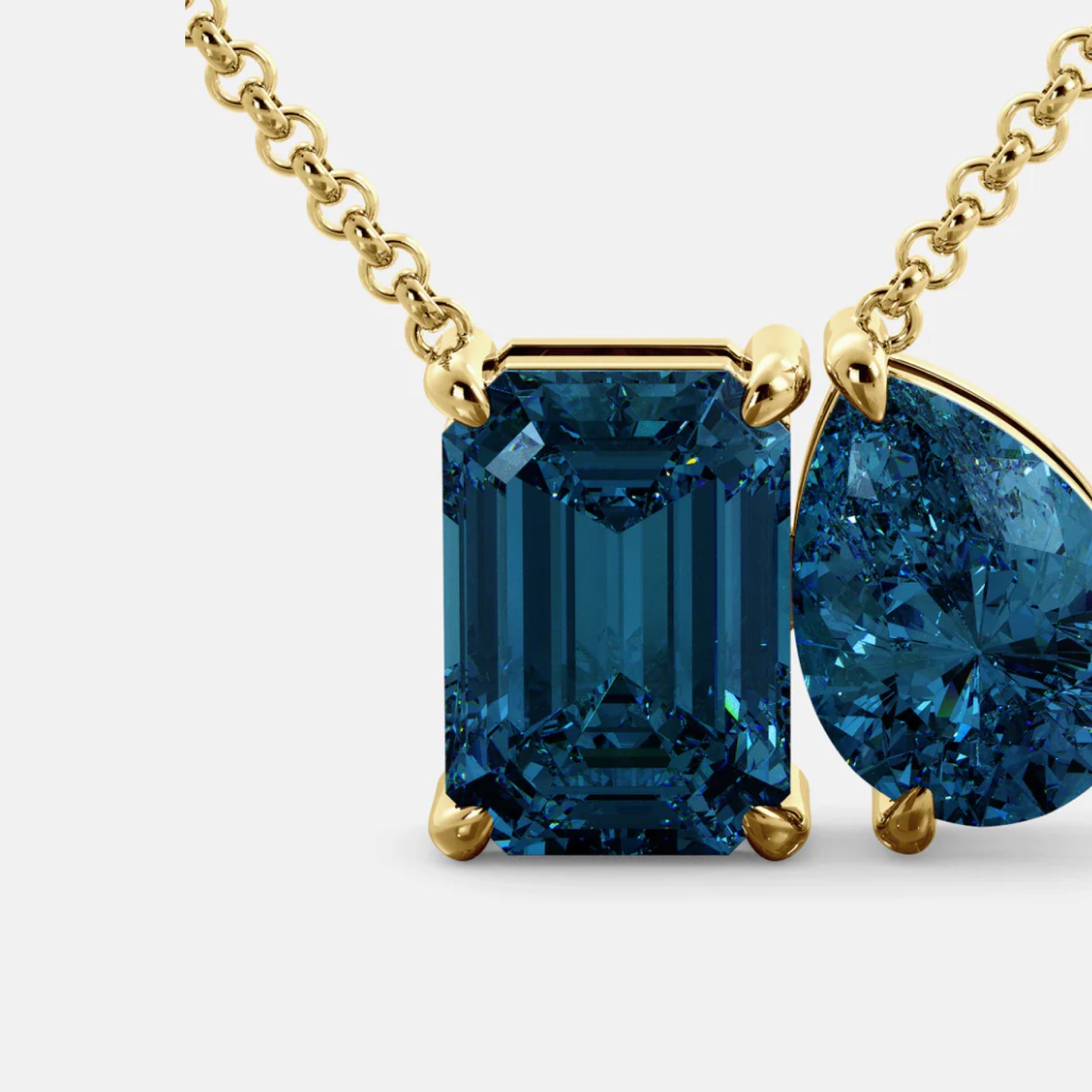

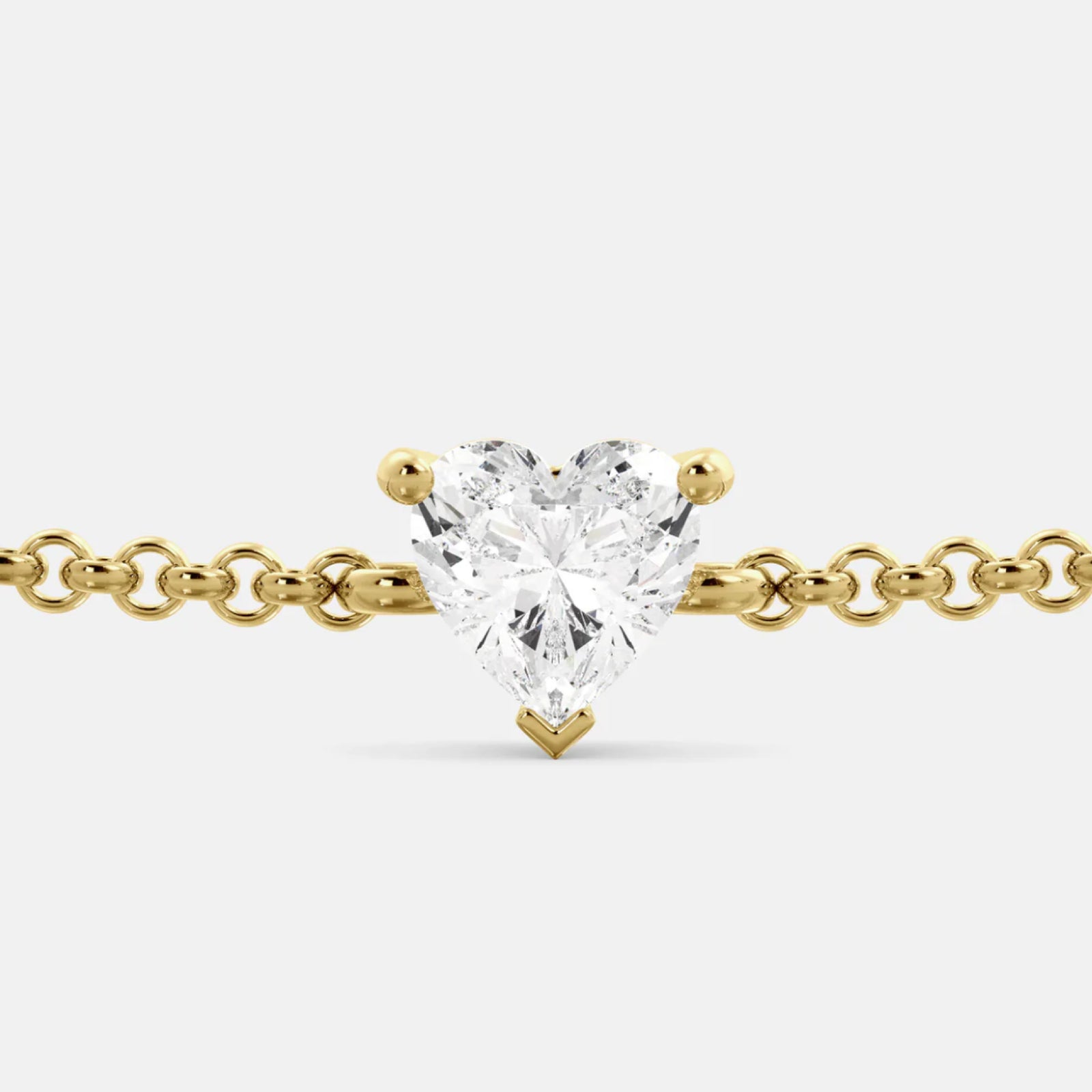

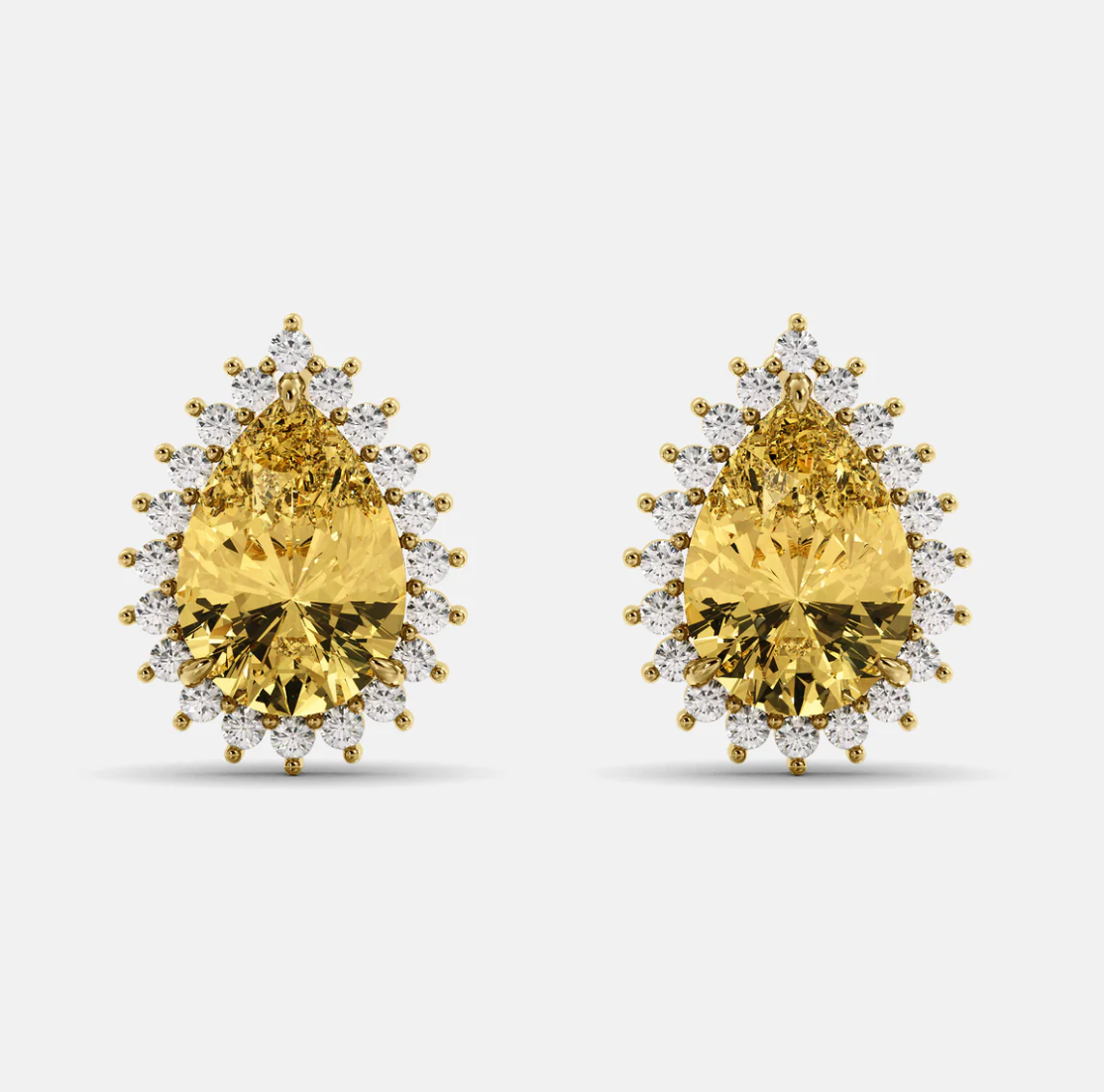

the pinky ring has centuries of history and a very specific kind of meaning. it's one of the few pieces of jewelry that has always been chosen entirely for the wearer — not for anyone else. here's what it means, who's worn it, which styles work best, and how to think about choosing one.
the pinky ring is not a trend. it's something older and more deliberate than that.
it has been worn by royals, artists, outlaws, and heads of state — almost always as a personal choice rather than a conventional one. unlike an engagement ring or a wedding band, the pinky ring has no script. it doesn't signal a relationship or a milestone. it signals something harder to name and, for that reason, more interesting: identity.
right now the pinky ring is having a visible moment — on red carpets, in street style, on the hands of people who think carefully about what they wear. but the instinct behind it is not new at all.

the history of the pinky ring
the pinky finger has been significant in jewelry for centuries, across cultures that had no contact with each other — which tells you something about how deeply the impulse runs.
in ancient egypt and rome, rings were worn on the pinky as seals — pressed into wax to authenticate documents and mark ownership. the ring wasn't decorative; it was functional and identified the wearer's authority. to have a signet ring was to have a signature that carried legal weight.
in 19th century europe, the pinky ring became associated with aristocratic families. a family crest engraved into a gold signet ring, worn on the left pinky, was a marker of lineage passed from generation to generation. the ring said: this is where I come from.
by the early 20th century, pinky rings had taken on additional layers of meaning — in mafia culture, in british gentlemen's clubs, among jazz musicians and artists who wore them as a form of quiet nonconformity. the pinky ring became, in various contexts, a sign of belonging to a group that existed slightly outside the mainstream.

what a pinky ring means today
the cultural meanings associated with specific finger placements have largely dissolved — most of the associations that once carried weight are now historical footnotes rather than active signals. what remains is something simpler and more personal.
a pinky ring today is almost always a self-gift. it's chosen for the wearer, not for anyone else. it doesn't announce a relationship or a commitment to another person. it occupies the smallest finger and often carries the most deliberate intention of anything on the hand.
- Independence the pinky ring has long been associated with self-sufficiency and a clear sense of self. it's a piece that says something without explaining itself — the opposite of jewelry that announces its meaning upfront.
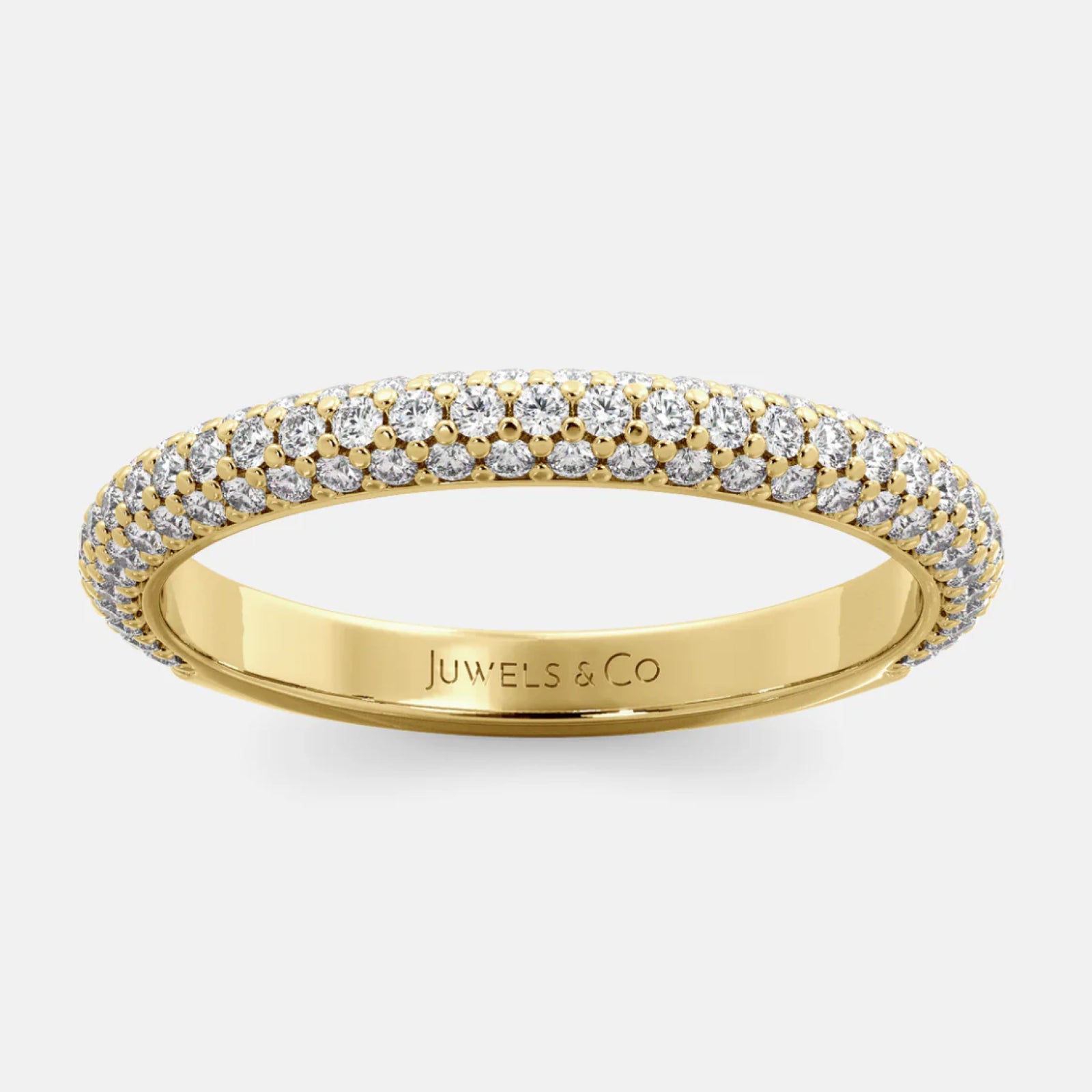
- Self-celebration an eternity band on the pinky — traditionally a symbol of enduring love — takes on a different character when worn alone. it becomes a marker of your own continuity, your own milestones, your own worth. not given by someone else. chosen for yourself.
- Personal heritage the signet ring tradition has revived strongly. many people now wear a signet on the pinky to honor something specific — an initial, a family crest, a date, a symbol that belongs to them. it's the closest contemporary equivalent to the original function of the pinky ring: identity made visible.
- Quiet confidence the pinky is the smallest finger and the one most visually distinct from the others when you move your hand. a ring placed there reads differently than one placed on the ring or index finger — more considered, less conventional, more individual.
who wears them — and what they chose
pinky rings appear consistently on people known for having a clear and considered personal aesthetic. the choices are worth looking at — not to copy, but to understand what different styles communicate.
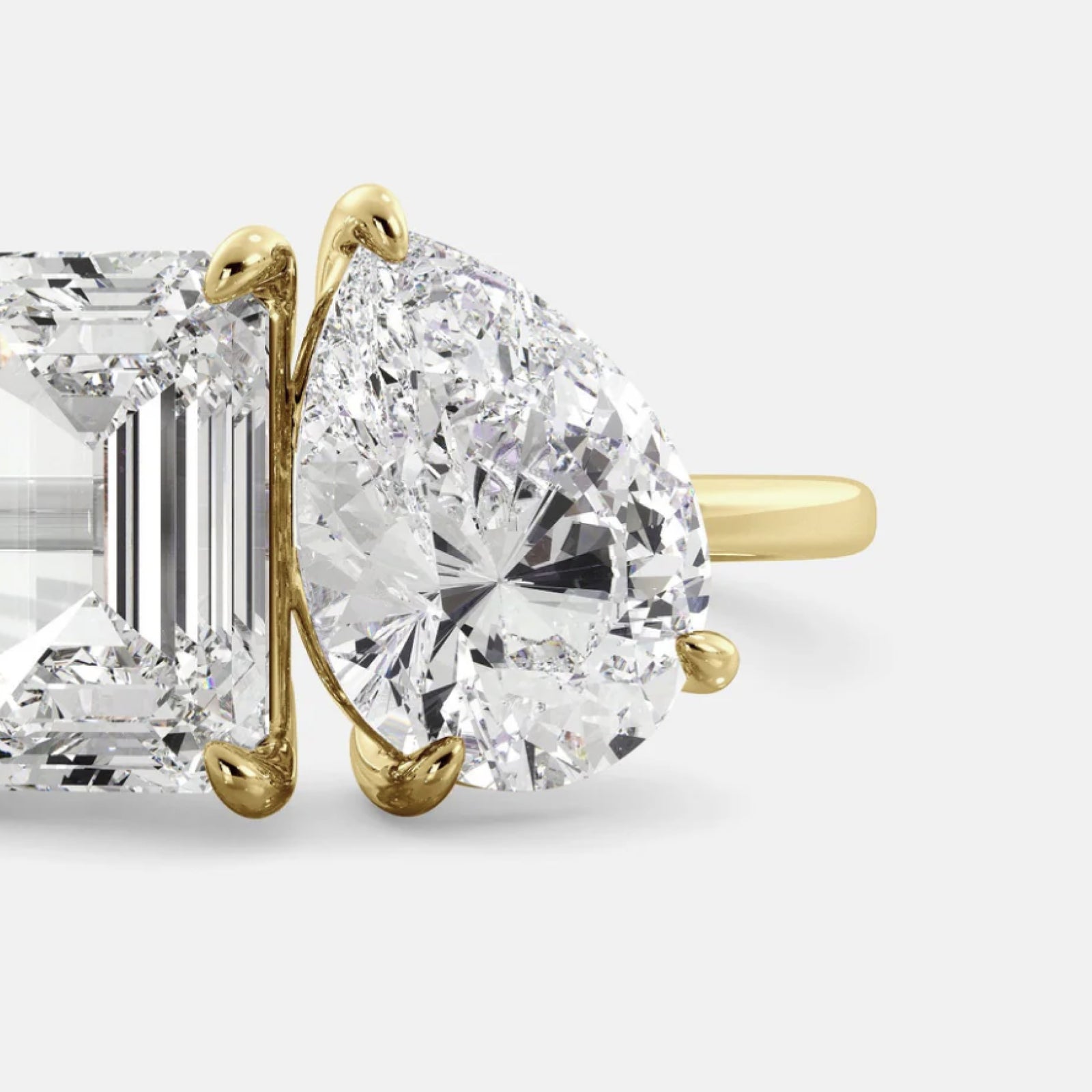
- Meghan Markle has been seen wearing an emerald-cut diamond in a bezel setting on her pinky. the bezel frames the clean lines of the emerald cut and removes all fuss from the piece — modern, architectural, self-possessed. a design that communicates precision without trying to impress.
- Dakota Johnson a round bezel-set diamond on the pinky — understated in size, definite in presence. the bezel keeps the ring low-profile and wearable without diminishing its significance. the kind of piece you wear every day without thinking about it, which is often exactly the point.
- Lindsay Lohan an eternity band on the pinky — a full circle of diamonds that reads as celebration rather than commitment when worn on the smallest finger. the choice recontextualizes a traditional form into something entirely personal.
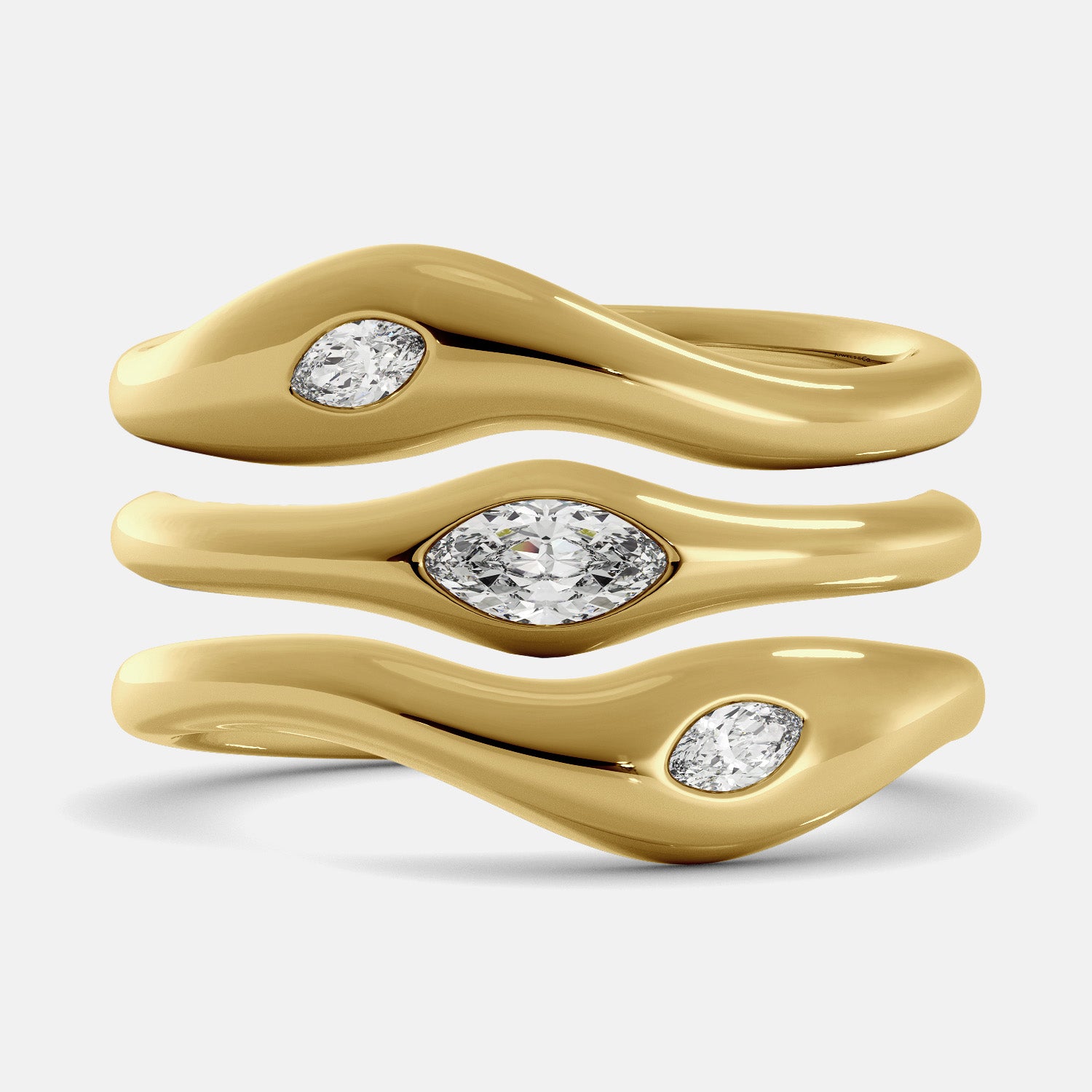
- Rihanna has worn stacked pinky rings — multiple thin bands layered on the smallest finger alongside rings on other fingers. a maximalist approach to a finger that usually gets one piece. the stack reads as abundance and intentionality rather than excess.
- Adele has favored a signet-style ring on the pinky — gold, engraved, weighted with personal meaning rather than decorative sparkle. the signet on the pinky is perhaps the most historically resonant choice, and in contemporary styling it reads as quietly authoritative.
styles that work best on the pinky
the pinky is the smallest finger, which means proportion is the primary consideration. a ring that looks delicate on the ring finger can look substantial on the pinky. a ring designed for the ring finger will typically be too wide to sit comfortably on the smallest one.
- Bezel-set solitaire the bezel setting — a clean metal rim encasing the stone — is particularly well-suited to the pinky. it sits low, doesn't snag, and keeps the focus on the stone without adding structural complexity. in solid gold with a round or emerald-cut stone, it's one of the most versatile pinky ring choices.
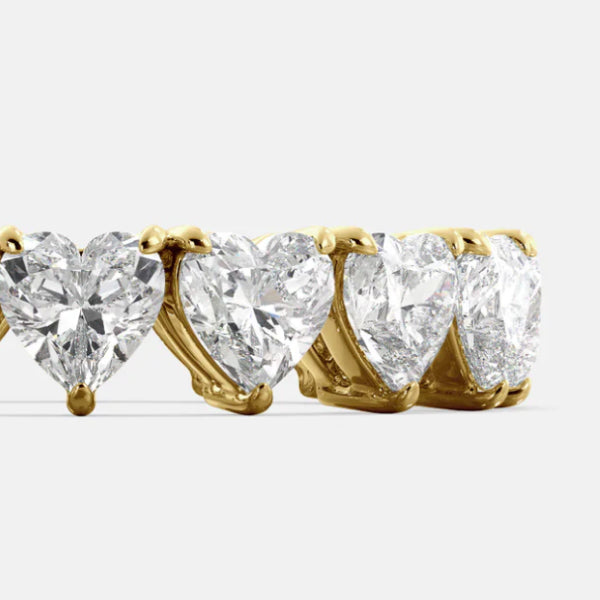
- Thin eternity or half-eternity band a line of small diamonds around a narrow band creates presence without bulk. on the pinky, an eternity band reads as pure light — particularly effective in yellow gold where the metal warmth and stone brilliance play off each other. width should be kept to 1.5mm–2mm for comfortable daily wear on the smallest finger.
- Signet ring the original pinky ring form. a flat-top oval or rectangular face in solid gold, either plain or engraved with an initial, symbol, or date. signet rings designed for the pinky are scaled down from the traditional version — the face proportioned for a smaller finger without losing the distinctiveness of the form.
- Plain gold band a simple, well-proportioned solid gold band on the pinky is often the most elegant choice. it adds without announcing. it sits naturally alongside other rings without competing. and in solid 14k gold, it carries a quiet weight and warmth that plated alternatives simply don't replicate.
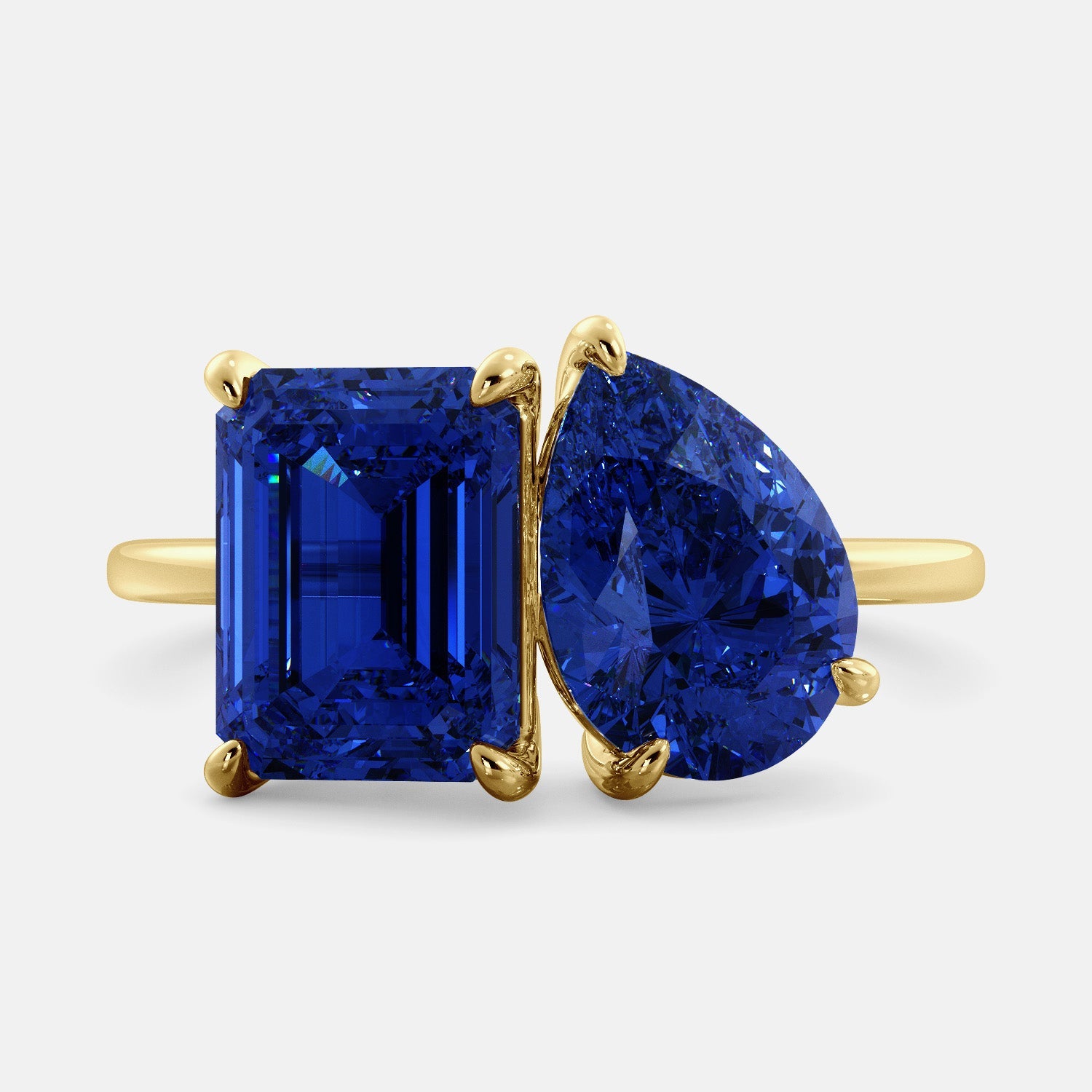
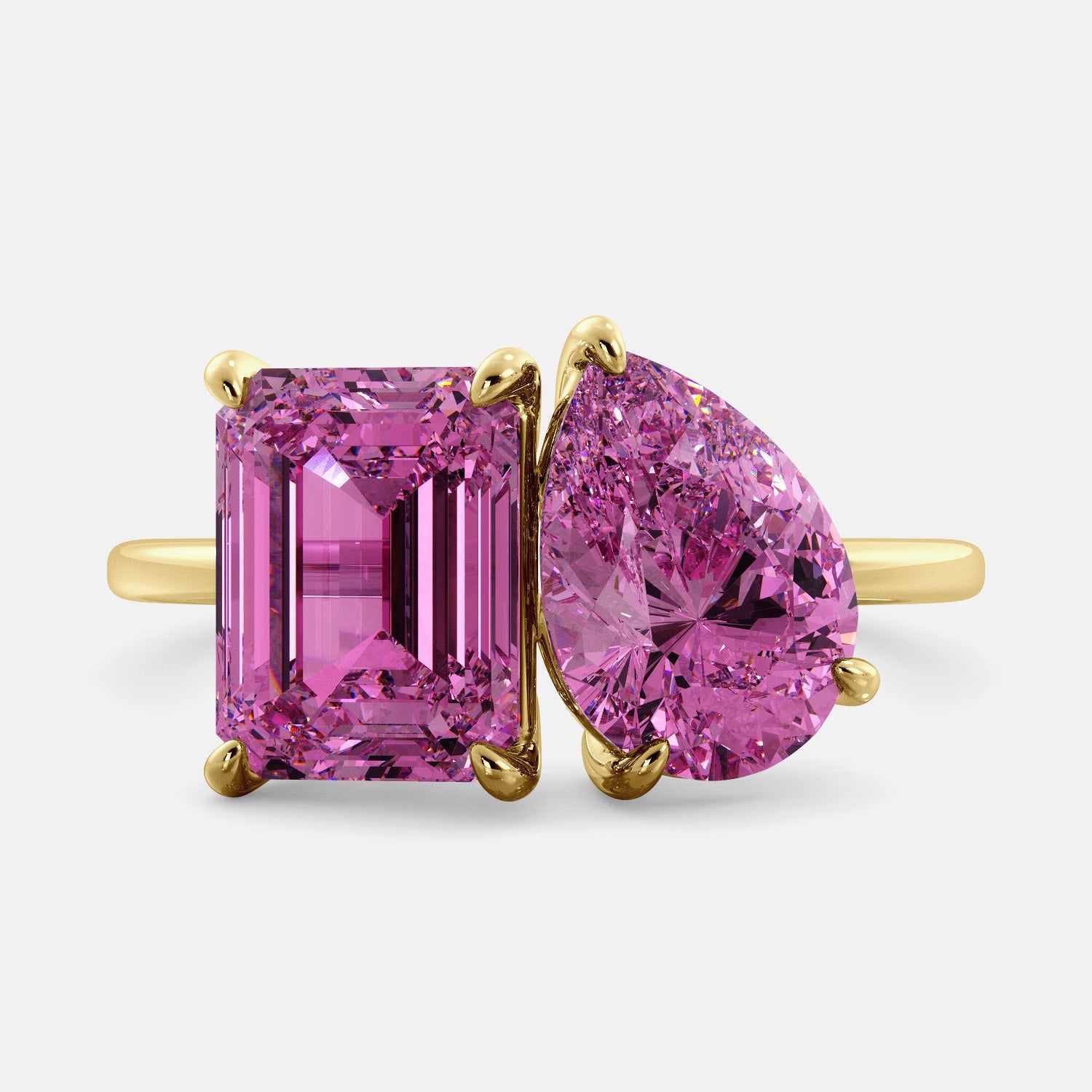
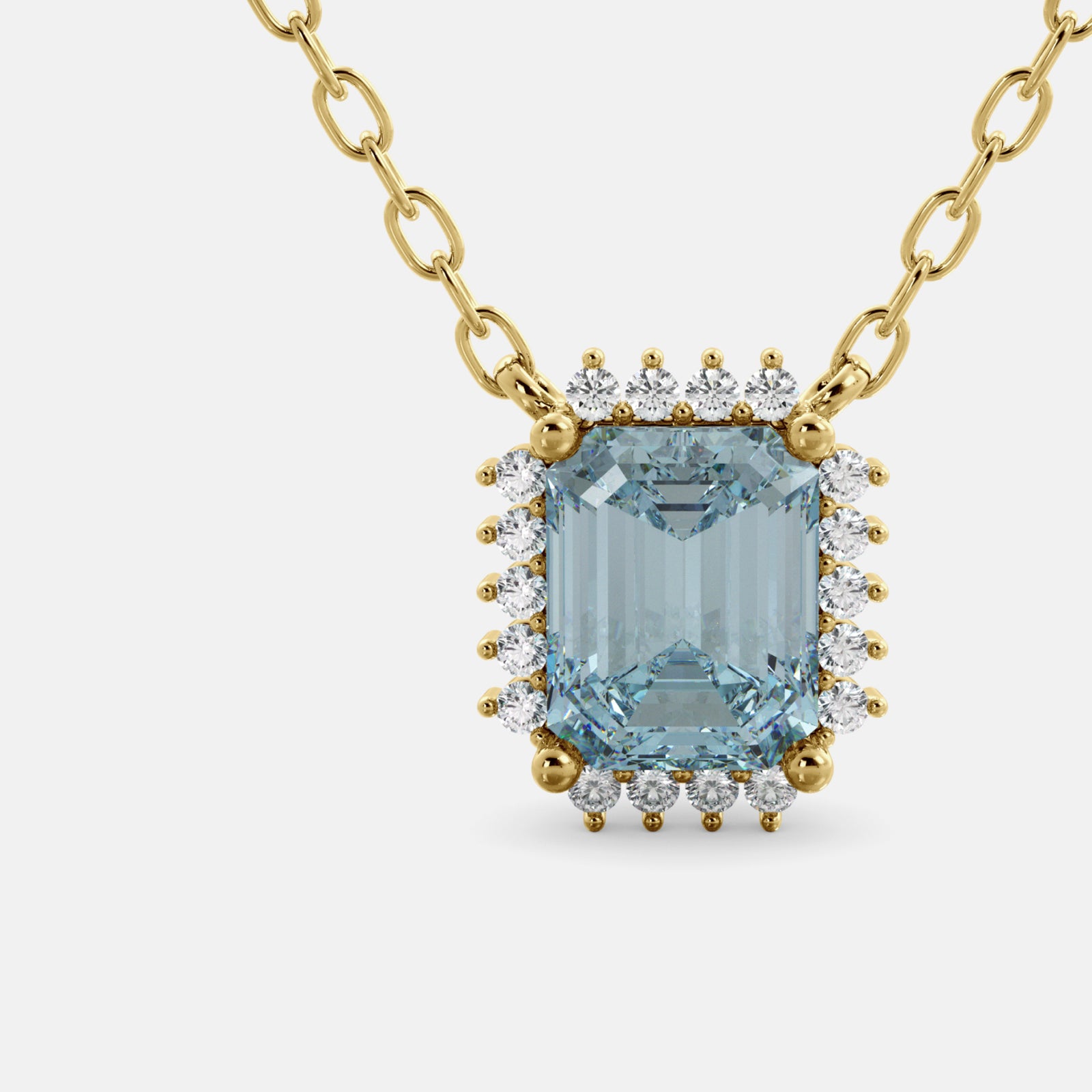
- Birthstone or colored gemstone ring a small colored stone — a sapphire, emerald, ruby, or birthstone — in a simple prong or bezel setting brings personal meaning and visual interest to the pinky without adding size. colored stones on the pinky have an editorial quality that works particularly well in yellow gold.
how to wear and stack a pinky ring
the pinky ring works as a standalone piece or as part of a considered hand stack. a few principles that help.
Worn alone
a single ring on the pinky, nothing else on that hand, is the most classic approach. the ring has full attention and reads clearly. this works particularly well for a signet or a bezel solitaire — pieces that have enough presence to stand on their own.
Stacked on the pinky
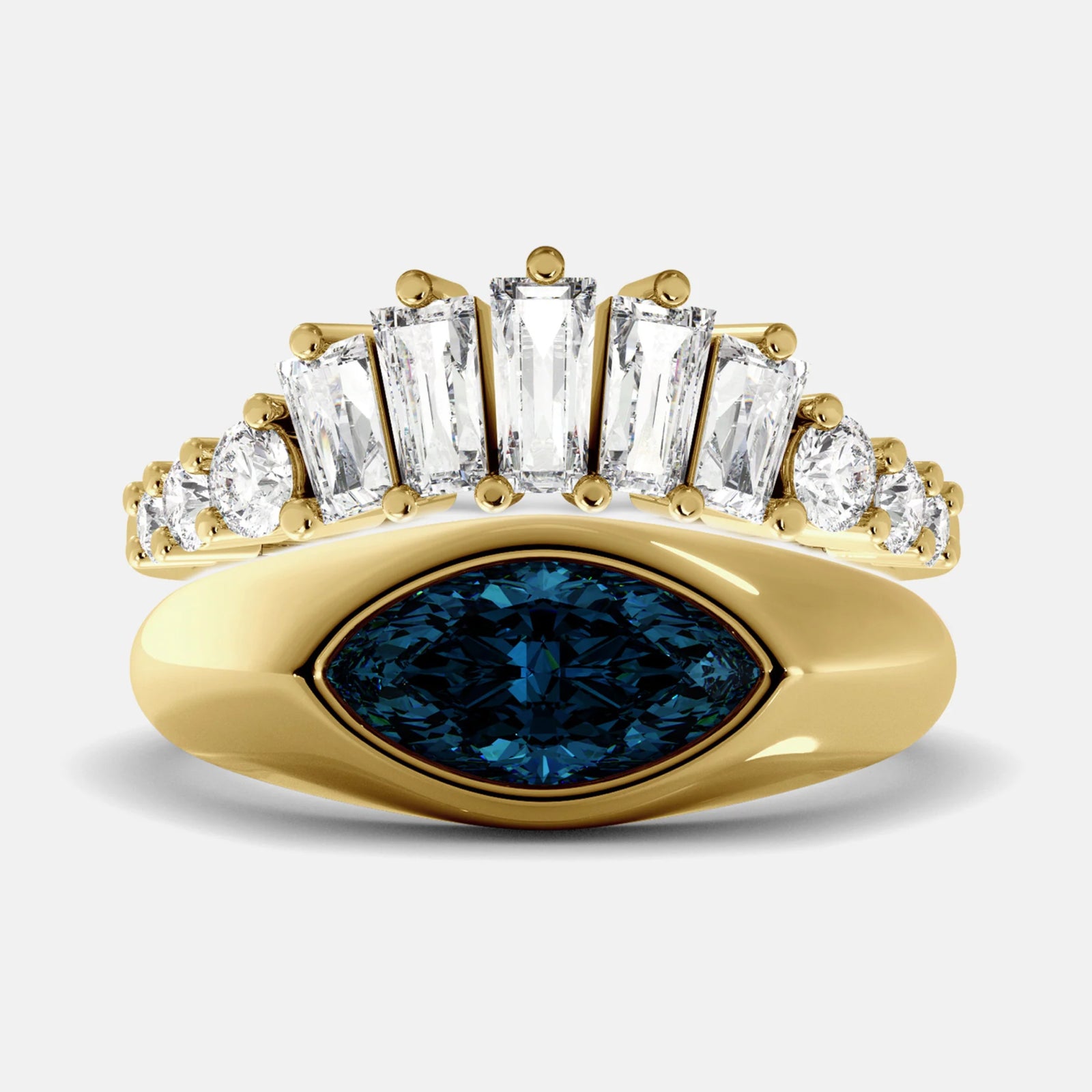
two or three thin bands on the pinky creates texture and movement. the bands should be similar in metal and proportion — mixing very different styles on one finger tends to read as busy rather than intentional. thin pavé bands, plain bands, and a delicate solitaire can all coexist on the pinky when the widths are consistent.
As part of a full hand stack
the pinky ring works as an anchor or counterpoint to rings on other fingers. a stack that covers the ring finger, middle finger, and pinky reads as fully considered; one ring on the pinky alongside one on the ring finger creates balance without weight. the pinky ring's visual distance from the ring finger — with the middle finger between them — means the two don't compete.
sizing for the pinky finger
pinky finger sizing is typically between US size 3 and US size 5 for most women, and US size 5 to US size 7 for most men — though individual hands vary significantly. the pinky is often sized a full 3–4 sizes smaller than the ring finger on the same hand.
a few things worth knowing before ordering:
- Measure at the end of the day fingers are slightly larger in the evening than in the morning due to temperature and activity. sizing at the end of the day gives the most reliable fit for everyday wear.
- Knuckle vs. base on some hands the knuckle is noticeably wider than the base of the finger — the ring needs to pass over the knuckle to sit at the base. if this is the case, size to the knuckle and expect the ring to sit slightly loosely at the base. a ring that can't pass over the knuckle cannot be worn.
- Narrower bands fit tighter a 1.5mm band feels tighter than a 3mm band at the same size because there's less surface area distributing the fit. if sizing between two options for a thin band, go up rather than down.
at juwels & co, all our rings are available in a full range of sizes and are made to order — if you're unsure about your pinky size, reach out before ordering and we'll guide you through it.
frequently asked questions
what does a pinky ring mean?
which finger is the pinky ring worn on?
what size ring fits the pinky finger?
can a pinky ring be worn with an engagement ring?
what is the best style of ring for the pinky?
is a pinky ring appropriate for everyday wear?
does juwels & co make pinky rings?
a piece chosen entirely for you.
solid 14k gold, handcrafted in los angeles. every ring made to order in your size — including the pinky.


