






























red light therapy masks are everywhere right now — and so is the question of what to do with your jewelry while using one. the short answer is: take it off. here's the longer answer, which pieces need the most care, and how to turn the pause into a small ritual.
red light therapy has moved firmly into everyday skincare — LED masks that were once only found in professional clinics are now a standard part of many at-home routines. as they've become more common, so have questions about jewelry: what happens to a diamond under red light? does gold react? do you need to take everything off?
the questions are reasonable. fine jewelry is an investment, and the instinct to protect it is exactly right. here's a clear answer.

the quick answer
remove your jewelry before using a red light therapy mask. not because the light will definitely damage your pieces — for most fine jewelry in a standard session, the risk is genuinely low — but because it's the right precaution for pieces worth protecting, and because removal takes seconds while the peace of mind lasts the entire session.
the distinction matters: the concern isn't that your solid gold ring will be destroyed by a 15-minute session. it's that some gemstones — particularly treated ones — can be sensitive to prolonged light exposure, and earrings sit directly in the mask's path. removing everything eliminates the variable entirely.
how red light therapy actually works
red light therapy (also called low-level laser therapy or photobiomodulation) uses specific wavelengths of red and near-infrared light — typically 630–850nm — to penetrate the skin and stimulate cellular activity. at-home LED masks deliver this light at low intensity, without significant heat generation.
this is the key distinction from other heat-based treatments. infrared saunas, steam rooms, and hot tubs all expose jewelry to elevated temperatures and moisture — conditions that can affect certain stones, loosen adhesives in composite gems, and accelerate wear on settings. LED masks operate differently: the light itself is the active agent, not heat.
that said, light at certain wavelengths and intensities can affect some materials over time — particularly treated or enhanced gemstones, which may have been processed with heat, irradiation, or filling that makes them more sensitive to additional exposure.
what it means for your gemstones
not all gemstones respond to light exposure the same way. natural, untreated stones are generally very stable. treated or enhanced stones deserve more caution.
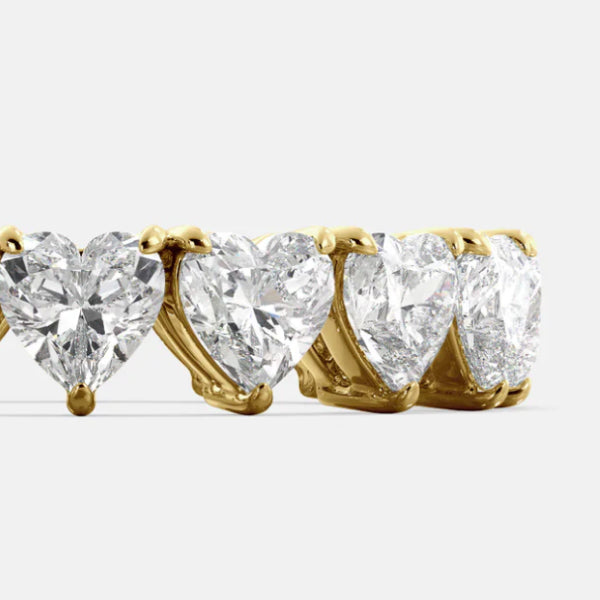
- Diamonds extremely stable. natural diamonds are unaffected by red light therapy wavelengths. lab-grown diamonds are equally stable. a standard LED mask session poses no risk to a diamond — natural, lab-grown, or otherwise.
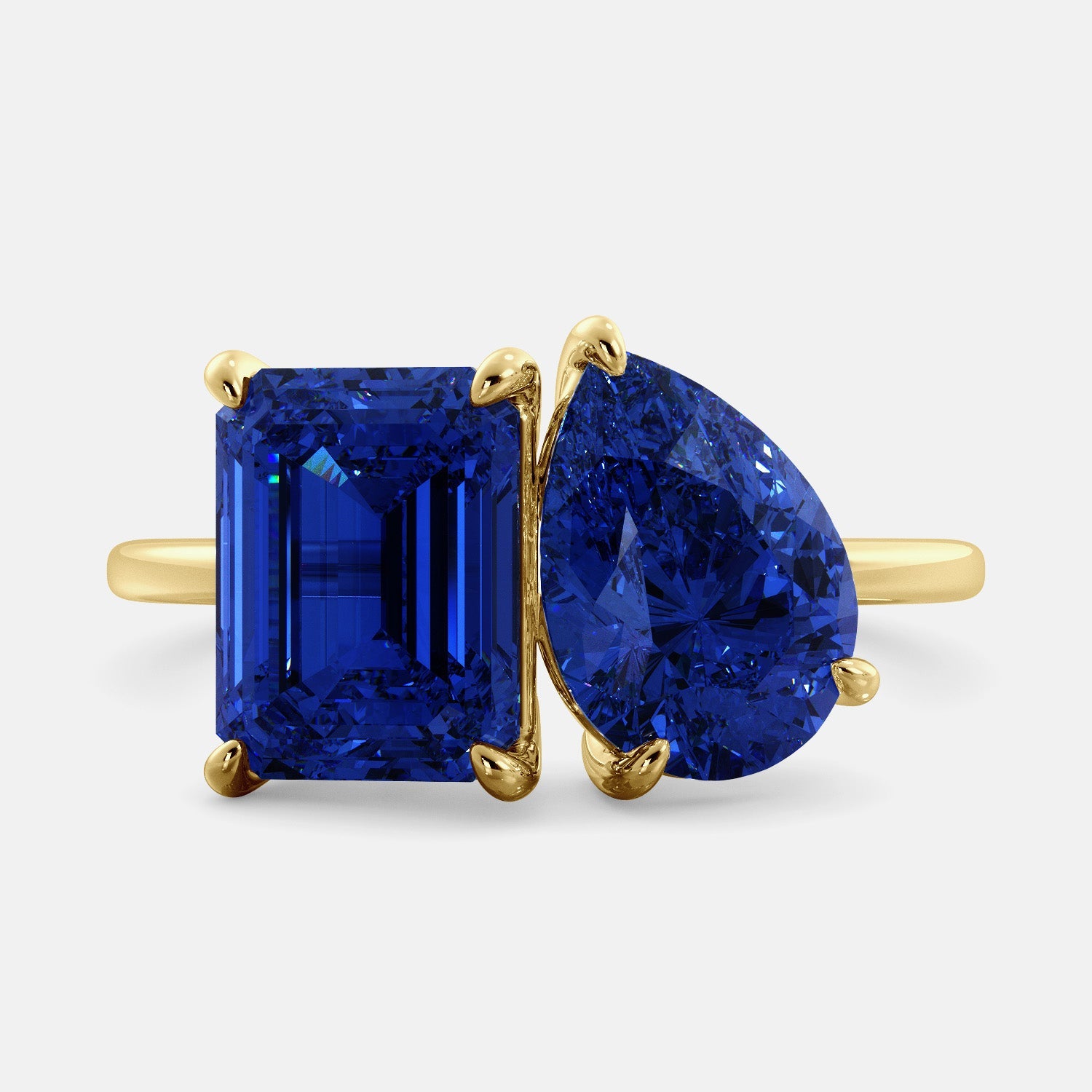
- Sapphires and rubies both are corundum — among the hardest and most stable gemstones. natural, untreated sapphires and rubies are not affected by light exposure at LED mask intensity levels. heat-treated stones (which the majority of commercial sapphires and rubies are) are stable post-treatment and equally unaffected in normal use.
- Emeralds most commercial emeralds are treated with oil or resin to fill surface fractures — a standard and accepted practice in the industry. these fillings can be sensitive to light and heat over time. emeralds are a stone where removal before any light or heat exposure is worth the extra care.
- Opals, pearls, and turquoise organic and porous stones that are generally sensitive to heat, light, and chemicals. pearls in particular should be kept away from any light therapy device. none of these should be worn during an LED mask session.
- Morganite, aquamarine, and amethyst colored stones in the beryl and quartz families. most are stable in normal use, but some — particularly irradiated or heavily heat-treated amethyst — can show color change with prolonged light or heat exposure. for everyday LED mask sessions, the risk is low; as a precaution, removal is still recommended.
- Citrine and topaz most commercial citrine is heat-treated amethyst or smoky quartz. topaz can be irradiated or coated for certain colors. both are stable for daily wear but benefit from not being exposed to additional light sources beyond normal daylight. remove before LED sessions.
what it means for your metals
solid gold, platinum, and sterling silver are unaffected by red light therapy wavelengths. the light does not penetrate, react with, or alter precious metals in any meaningful way during a standard session.
the metal concern with LED masks is minimal — but worth noting for completeness:
- Solid 14k or 18k gold completely safe. red light therapy poses no risk to solid gold. the metal will not discolor, oxidize, or change in any way from LED exposure.
- Platinum equally stable. one of the most inert metals used in jewelry — unaffected by light, most chemicals, and temperature variations within normal use ranges.
- Gold-plated or vermeil the plating itself is stable under LED light, but the base metal underneath may react differently over time. if a piece is plated rather than solid gold, extra caution is reasonable — though the primary concern remains the stones rather than the metal.
- Sterling silver stable under red light. silver's tarnishing is caused by sulfur compounds in the air and on skin — not by light exposure. LED sessions will not accelerate tarnish.
which pieces need the most care
if you want to know which jewelry to be most careful about during any light or heat-adjacent skincare treatment, this is the rough priority order:
- Earrings — always remove earrings sit directly in the path of the mask's light, closer to the LED panels than any other jewelry you might wear. regardless of the stone, earrings should always come off before an LED session. this is the one category where the proximity alone warrants consistent removal.
- Treated or enhanced stones — always remove if you know or suspect a stone has been treated — oiled, filled, irradiated, or coated — remove it for every session. this includes most commercial emeralds, some sapphires and rubies, and many colored stones in the mid-price range.
- Organic stones — always remove pearls, opals, coral, amber, and turquoise are all sensitive to light and environmental exposure. these should not be worn during any skincare device session.
- Rings and necklaces with natural diamonds, sapphires, or rubies the lowest risk category. natural, untreated corundum and diamonds are stable. removal is still recommended as a general habit, but a forgotten ring during a single session is unlikely to cause any damage.
turning removal into a ritual
the best approach to jewelry and skincare devices is to build removal into the routine itself — not as an interruption, but as the start of it.
before you put on your mask, take off your jewelry and place it somewhere deliberate. a small dish, a ring holder, a clean cloth. the 30–20 minutes of your session is a natural pause in the day — and it's also the right time to give pieces a moment of care.
for a deeper clean — particularly for rings worn daily — a brief soak in warm water with a small drop of mild dish soap while you're in your session, followed by a gentle brush and rinse, keeps settings clear and stones bright without any special equipment.
the pieces that get the most daily wear benefit the most from this kind of regular, low-effort maintenance. a ring that's cleaned gently once or twice a week looks noticeably different from one that's only cleaned occasionally.
frequently asked questions
can you wear jewelry during red light therapy?
does red light therapy damage gold jewelry?
can red light therapy change the color of gemstones?
should I remove my rings before a red light mask?
is red light therapy different from a sauna for jewelry?
what should I do with my jewelry during a red light session?
how often should I clean my jewelry at home?
pieces worth caring for.
solid 14k gold, handcrafted in los angeles. questions about caring for a specific stone or piece? we're here — and happy to help.


