

























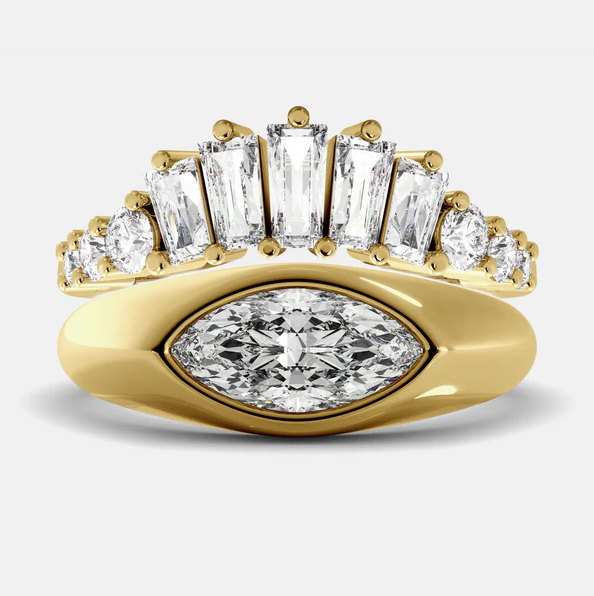

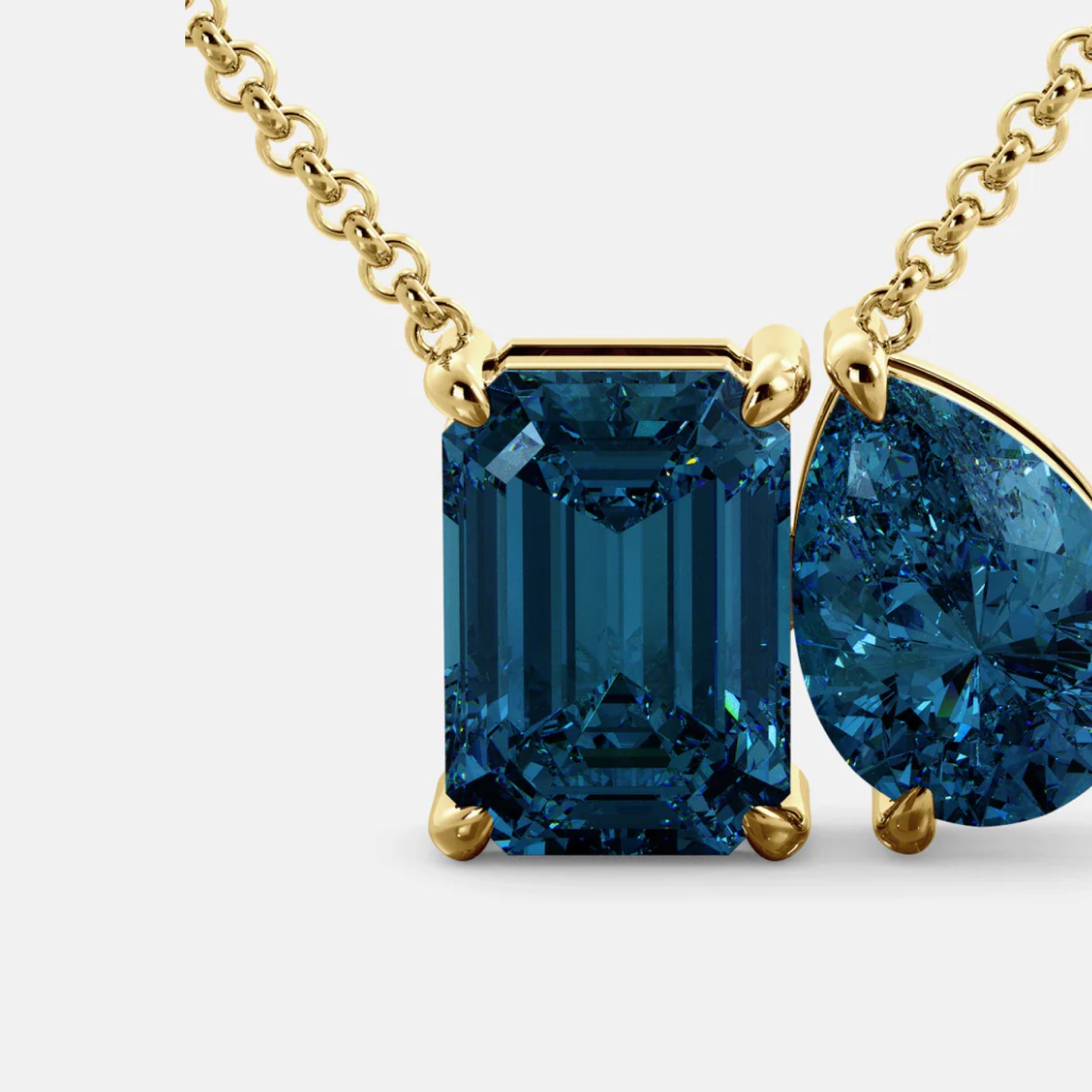

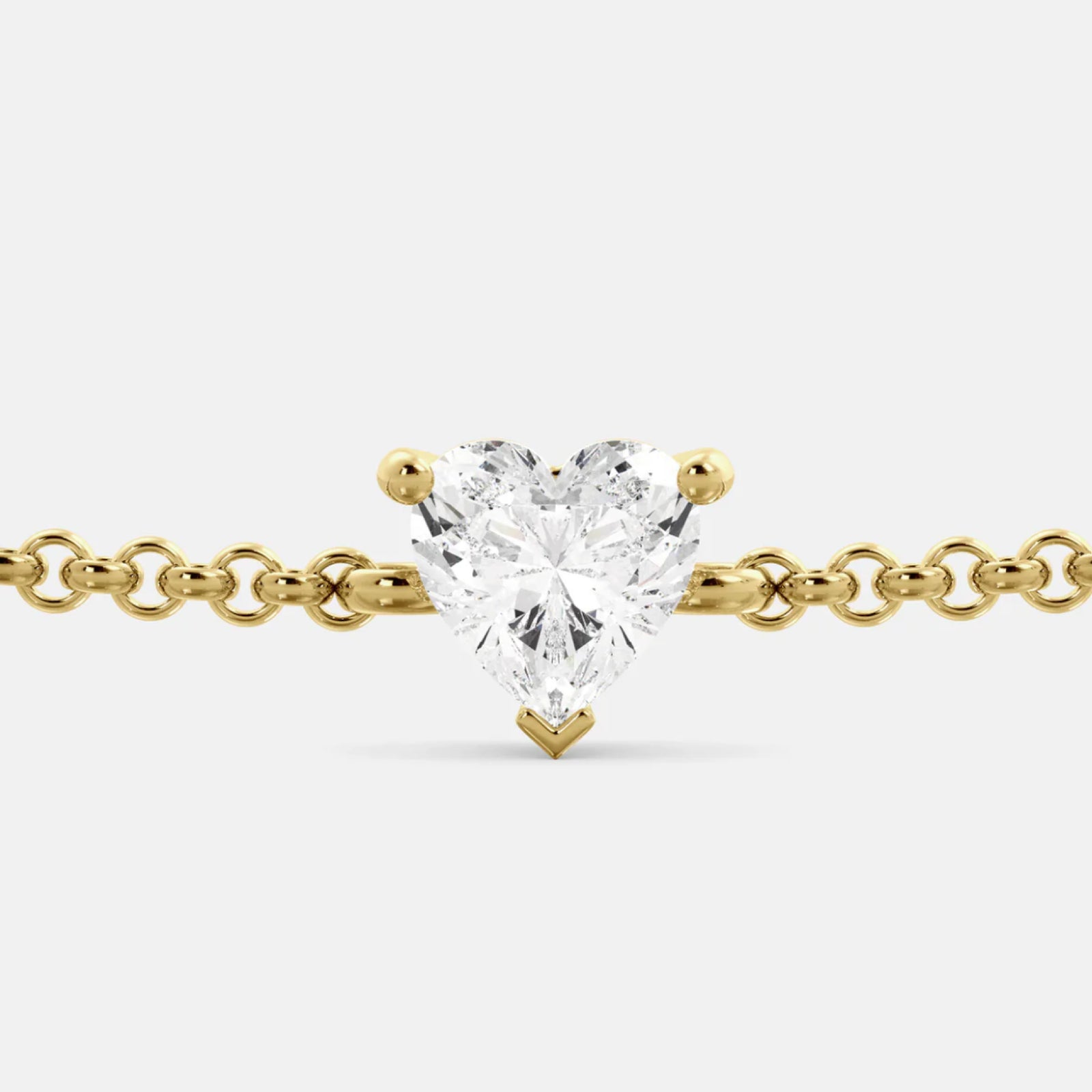

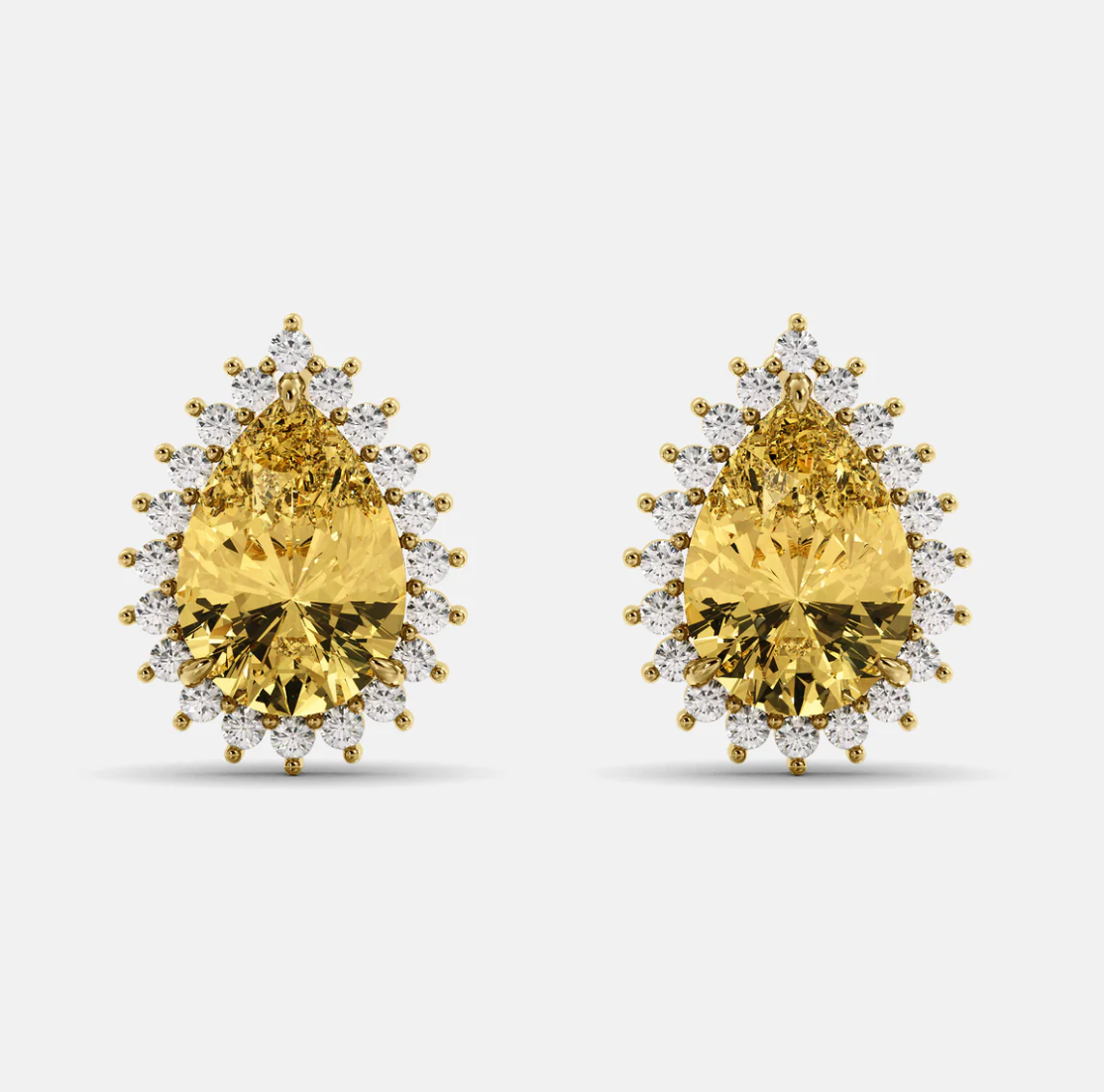

most fine jewelry looks similar in a photograph. the difference shows up in person — in the weight of the metal, the precision of the setting, the way a stone sits. here's what craftsmanship actually means, and how to see it.
you can see when a piece of jewelry is beautiful. you can feel when it's well made.
the weight of solid gold versus plated metal. the smoothness of a properly finished prong. the way a stone sits flush and still in its setting after years of daily wear. these things don't show up in product photographs — and they're exactly what separates jewelry worth keeping from jewelry that won't last.
craftsmanship is the part of fine jewelry that most brands don't talk about in detail, because most brands can't. here's what it actually means.
handcrafted vs. mass-produced jewelry
the distinction matters more than it sounds.
mass-produced jewelry is cast in bulk from molds, assembled on a production line, and finished quickly to meet volume targets. the goal is consistency at scale — not quality at the individual piece level. it's not inherently bad, but it has real limitations: prongs are rarely checked individually, stones are set by machine where possible, and the metal used is often thinner than it needs to be to reduce material cost.
handcrafted jewelry is made piece by piece, by a person who is working on that specific piece. prongs are formed and shaped by hand. stones are set by eye, adjusted until the position is right. the metal is worked until the finish is correct — not until the production quota is met.
at juwels & co, every piece is handcrafted in our los angeles studio. made to order, for the specific person who placed it. that means no two pieces move through the same production line — because there is no production line.
understanding jewelry settings
the setting is the metalwork that holds a stone in place. it's the most technically demanding part of a piece to get right — and the part where quality differences are most visible if you know what to look for.
Common setting types
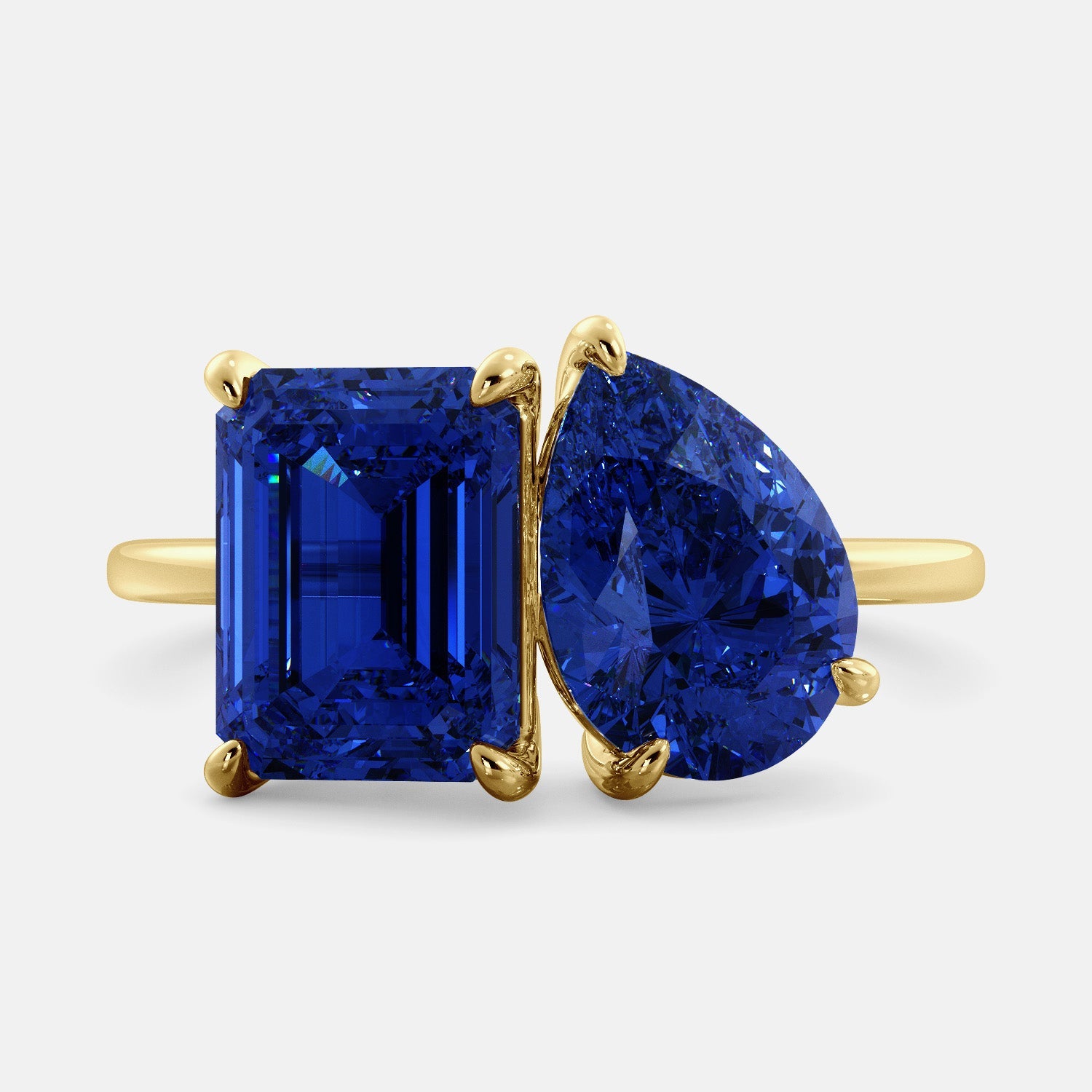
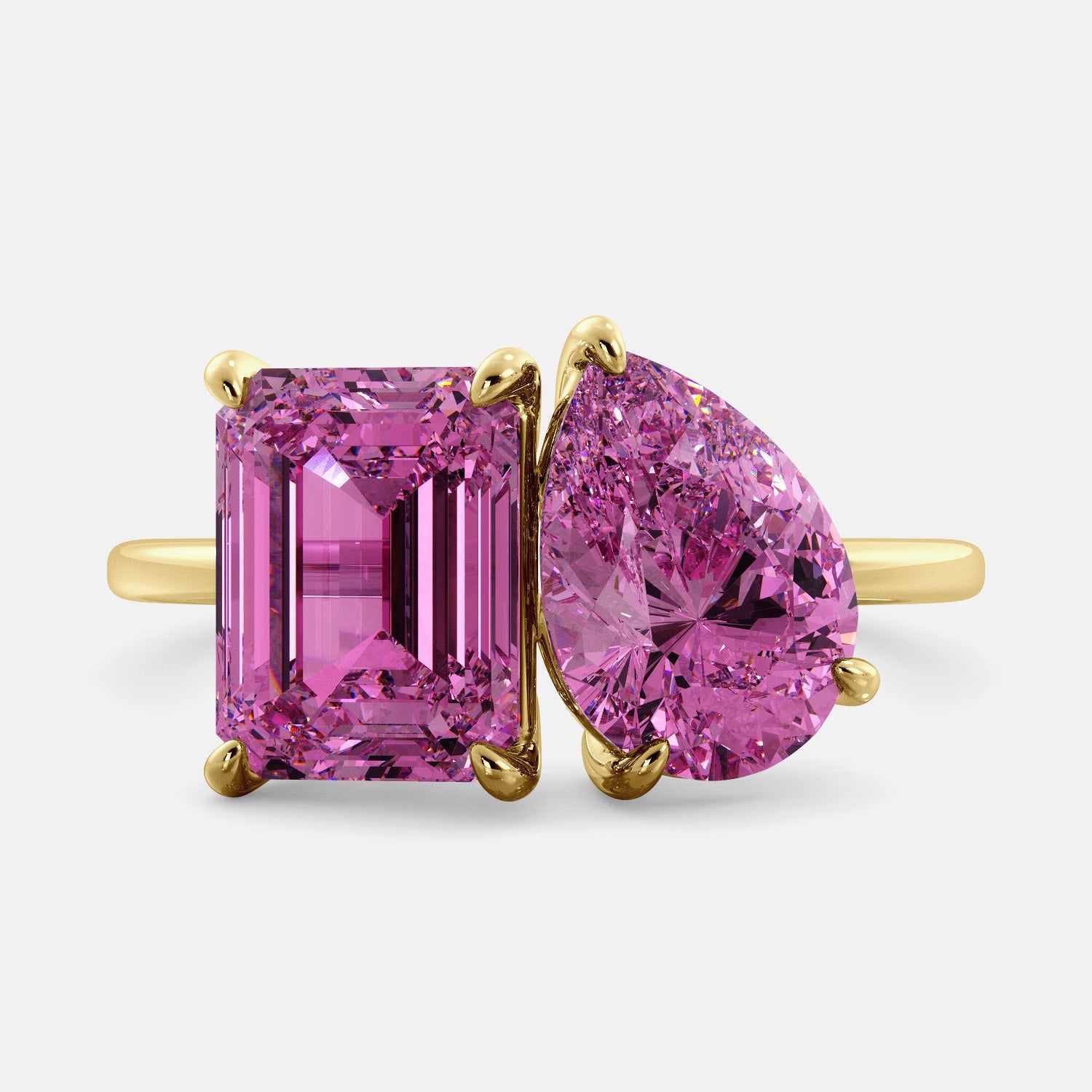
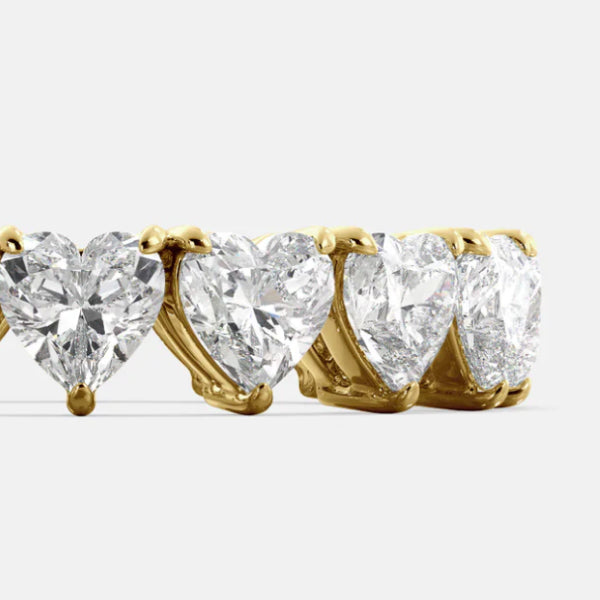
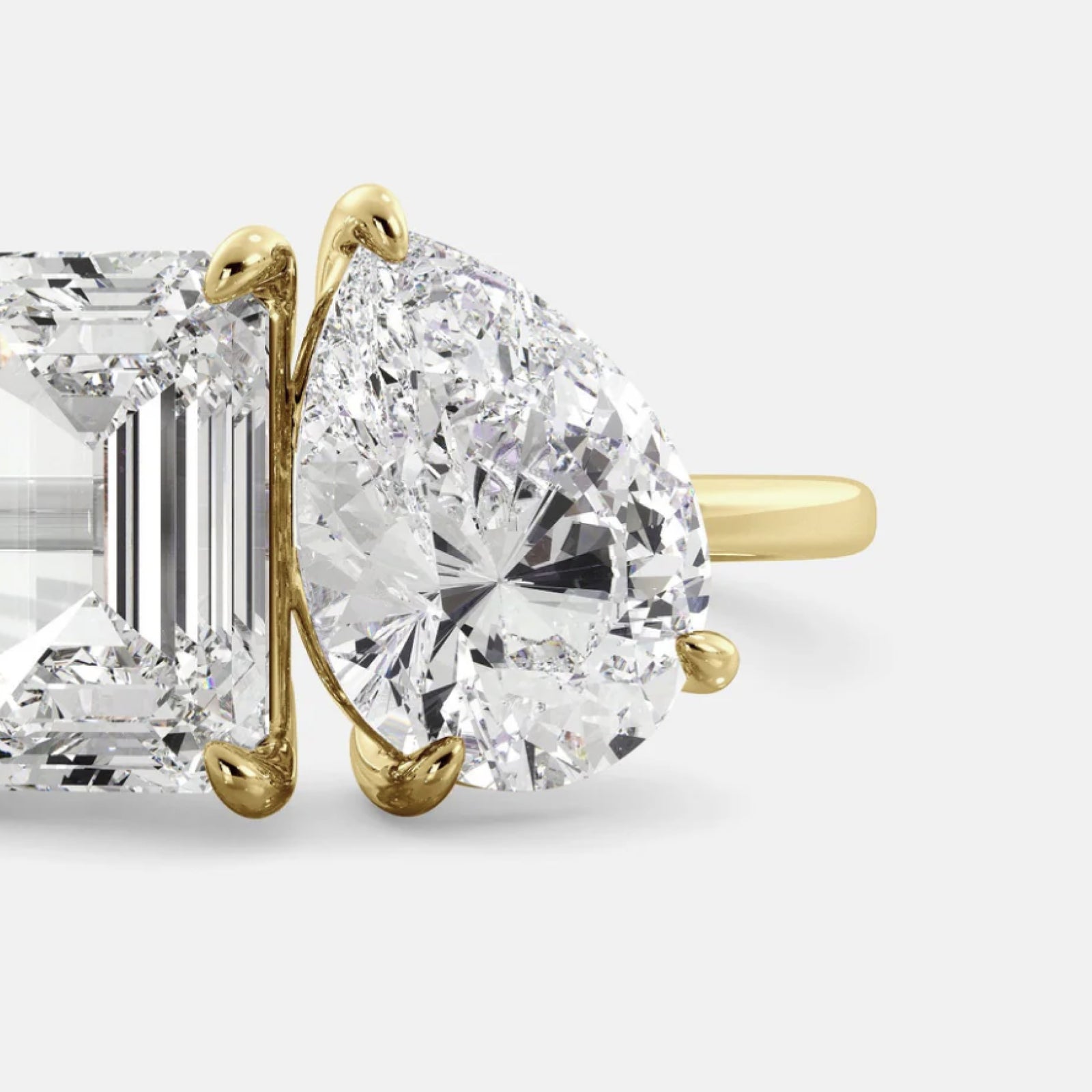
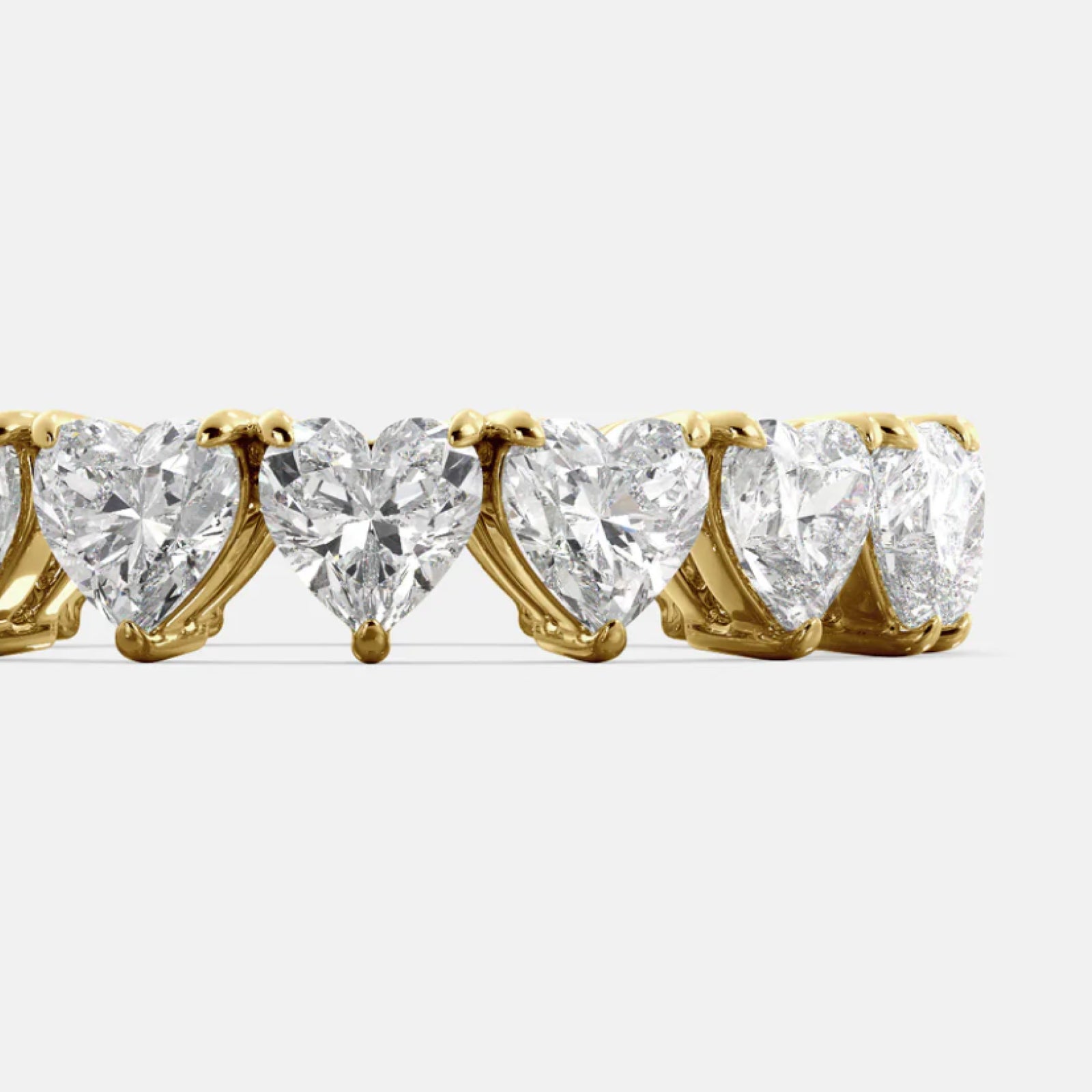
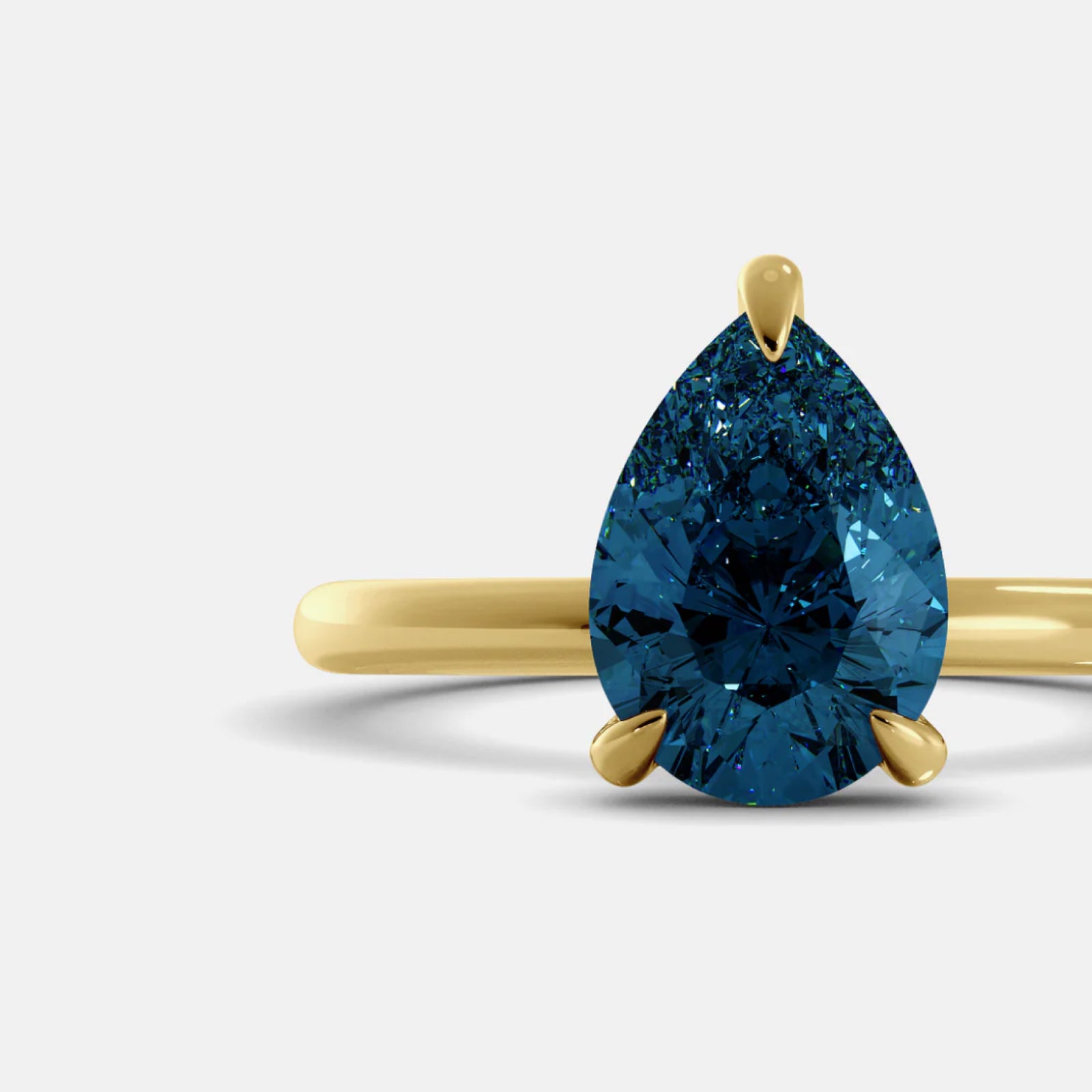
- Prong setting small metal claws that grip the stone at its girdle. the most classic setting for engagement rings and solitaires. well-made prongs are uniform in size, evenly spaced, and finished smooth so they don't snag. they hold the stone securely while allowing maximum light to enter from all angles. poorly made prongs are uneven, sharp-edged, and often lose stones over time because the metal wasn't formed correctly.
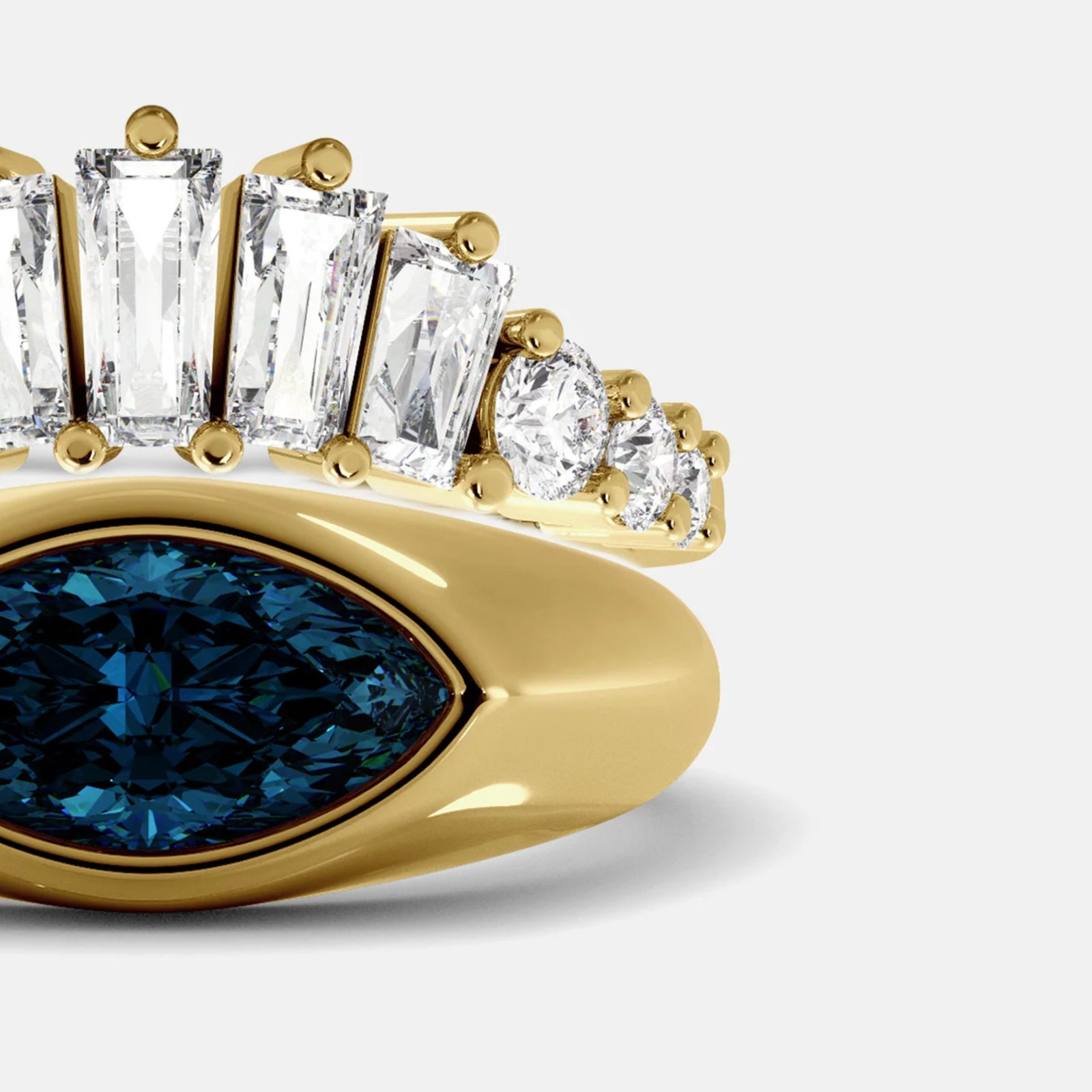
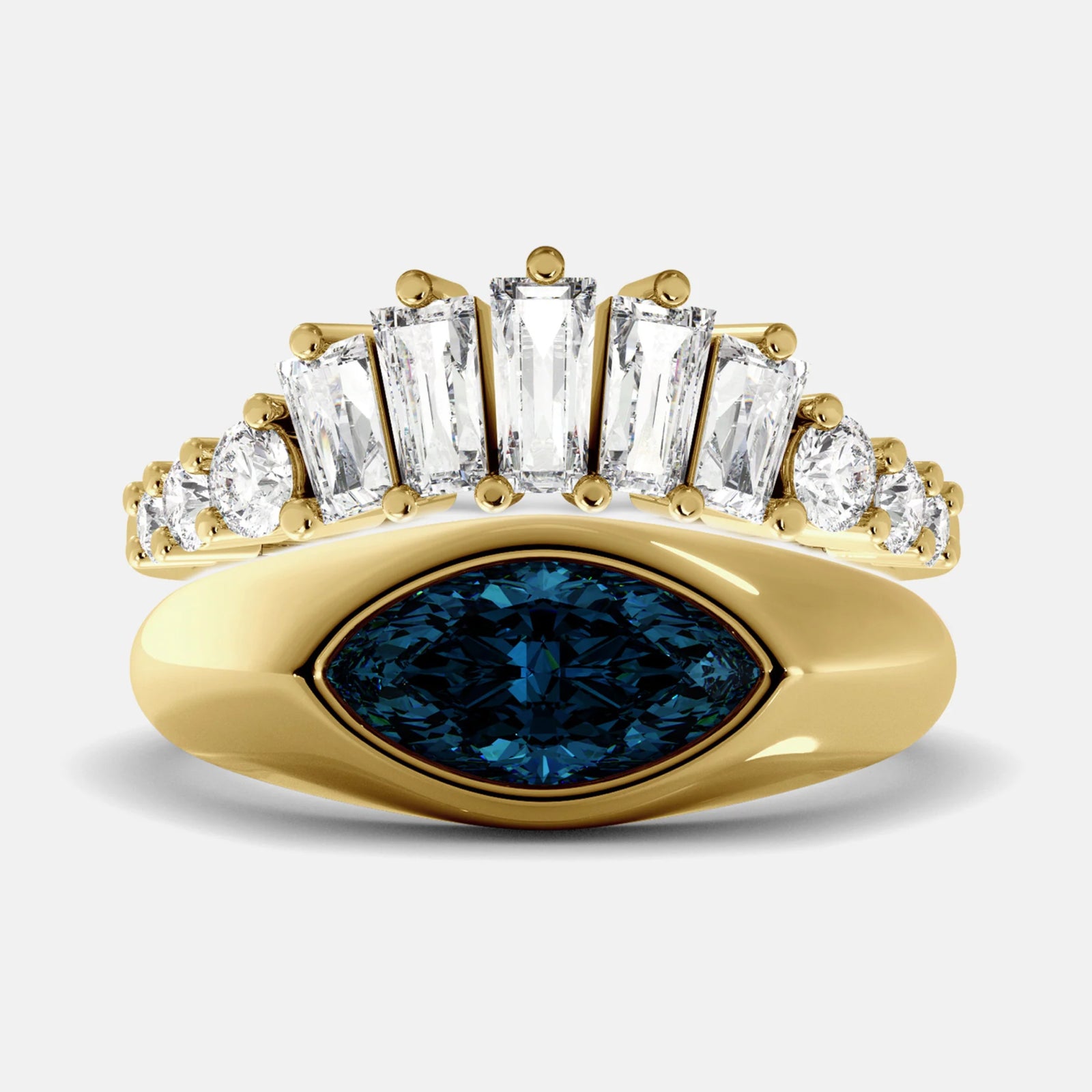
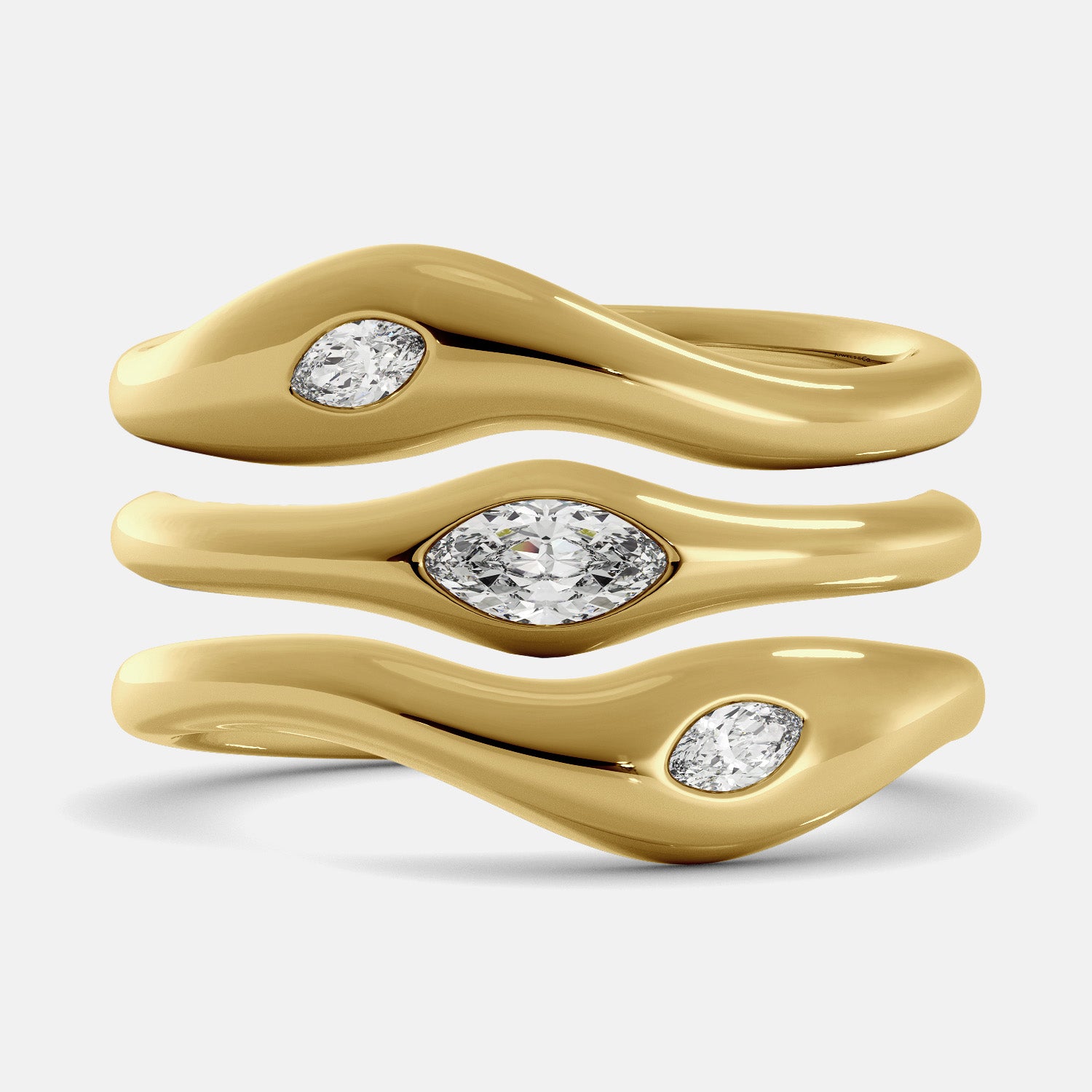
- Bezel setting a continuous rim of metal that wraps around the stone's edge, encasing it completely. modern, clean, and very secure — a well-made bezel fits the stone like a glove with no gaps. it's a harder setting to execute well than it looks: the metal has to be worked evenly all the way around without distorting the stone or leaving rough edges. a poorly made bezel shows visible gaps or uneven thickness.
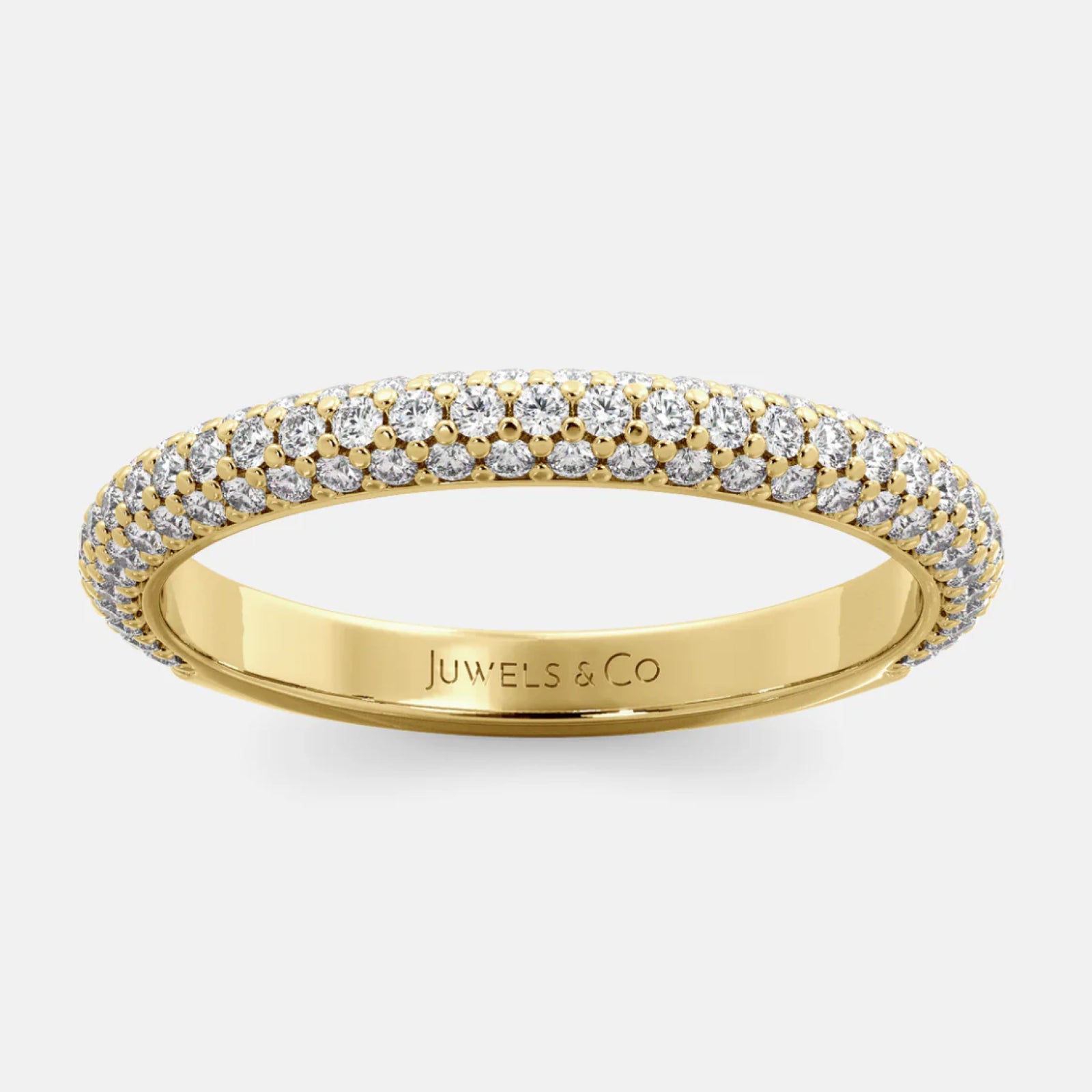
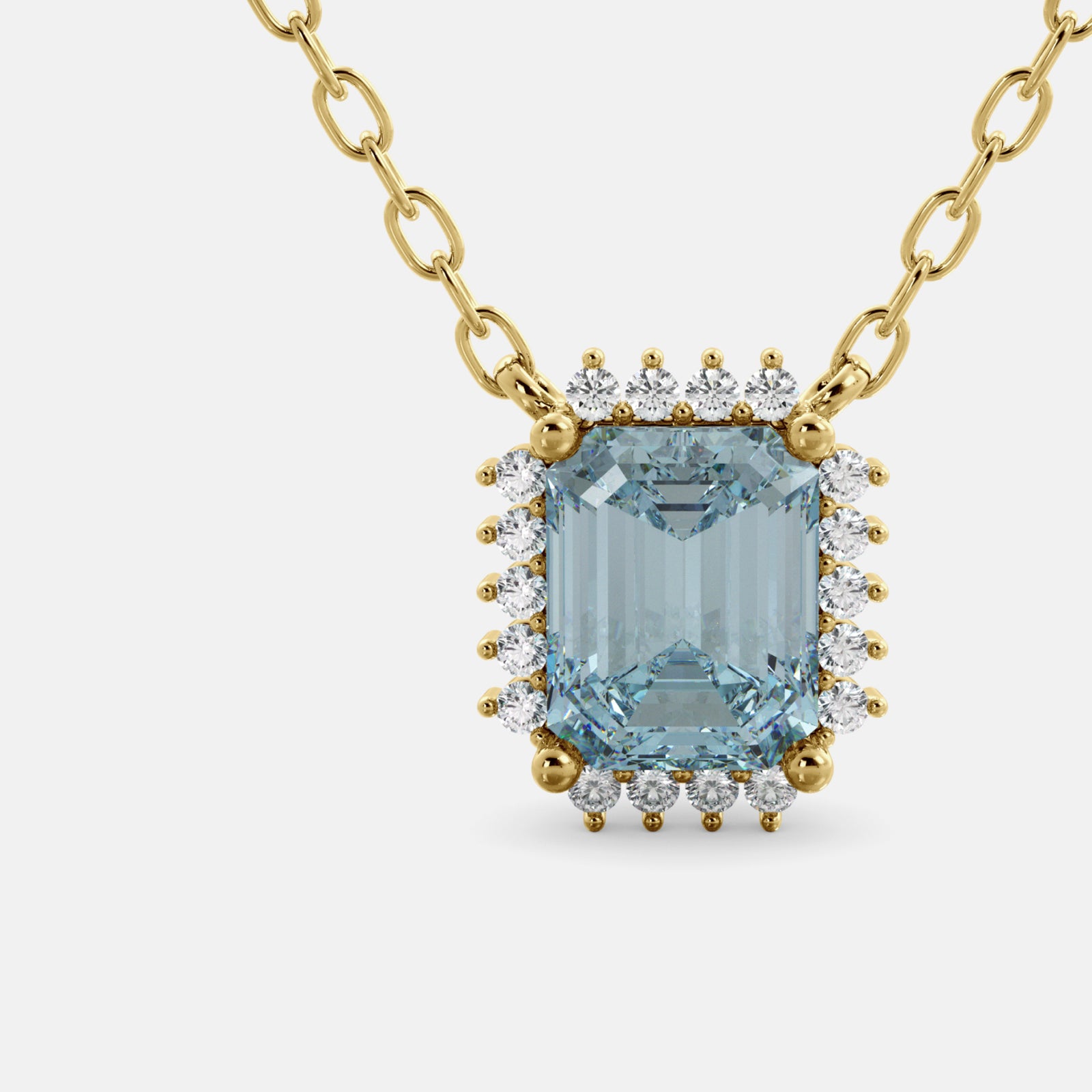
- Pavé setting small stones set closely together using tiny bead-like prongs, creating a surface of continuous light. one of the most technically demanding settings in fine jewelry — each stone is set individually by hand, and even a slight misalignment is immediately visible. quality pavé looks like an unbroken surface of sparkle; poor pavé shows crooked or tilted stones, visible gaps, or inconsistent spacing.
- Channel setting stones set in a groove or channel of metal, held in place by the walls on either side with no individual prongs. clean and secure — particularly good for eternity bands and stacking rings. a well-executed channel setting has perfectly level stones with uniform spacing; a poorly executed one shows stones at different heights or gaps between them.
- Tension setting the stone appears to float between two ends of the band, held in place by the pressure of the metal. a striking, modern look that requires precise engineering — the metal has to exert exactly the right amount of force to hold the stone without cracking it. not suitable for everyday rings unless the metalwork is exceptional.
what to look for when buying fine jewelry
most of what separates quality fine jewelry from everything else comes down to a few specific things — details that are easy to overlook but matter over time.
- Prong finish run a finger across the prongs. they should feel smooth and rounded — no sharp edges, no roughness. sharp prongs snag fabric and indicate insufficient finishing. on a well-made piece, you barely feel them.
- Stone stability gently press the stone side to side. there should be no movement at all. any rocking or clicking indicates a loose setting — a stone waiting to fall out. this is true of new pieces as much as old ones; a well-set stone should be immovable from day one.
- Metal weight hold the piece in your hand. solid gold has a distinctive weight — noticeably heavier than plated or gold-filled metal of the same size. thin, light rings are a sign of insufficient metal, which affects both durability and how the piece sits on the hand.
- Surface finish look for consistency. a well-polished piece has a uniform surface — no visible tool marks, no dull patches, no areas where the polish is uneven. the inside of a band should be as smooth as the outside.
- Stone alignment in a multi-stone piece, all stones should sit at the same height and face the same direction. any visible tilt or height difference indicates the setting wasn't checked carefully after completion.
- Solder joints anywhere two pieces of metal are joined, the connection should be invisible. visible solder lines or lumpy joins are a sign of insufficient finishing and can be structural weak points over time.
materials: why solid gold matters
the metal a piece is made from is not a minor detail — it's the foundation everything else is built on.
solid gold, gold-filled, gold vermeil, and gold-plated are four completely different products. they look similar in photographs and identical on a shelf. they perform entirely differently over time.
- Solid gold (14k or 18k) gold throughout the entire piece. 14k gold is 58.5% pure gold alloyed with other metals for strength; 18k is 75% pure. solid gold does not tarnish, does not wear through, is hypoallergenic, and holds its material value. it's the only metal appropriate for fine jewelry intended to last decades.
- Gold vermeil a thick layer of gold (at least 2.5 microns) plated over sterling silver. more durable than standard plating, but the gold layer will eventually wear through — typically within 1–3 years of daily wear, faster in areas of friction like the inside of a band.
- Gold-filled a layer of solid gold bonded mechanically to a base metal core. more durable than plating, less durable than solid gold. the gold layer is thicker than vermeil but will still wear through over time, and the base metal can cause skin reactions in some people.
- Gold-plated a very thin layer of gold (typically less than 0.5 microns) electroplated onto a base metal. inexpensive to produce, inexpensive to buy, and will show wear within weeks to months of daily use. not suitable for fine jewelry.
how we work at juwels & co
every piece we make is handcrafted in los angeles by skilled artisans — made to order, after you purchase. there is no inventory waiting to ship, no production line, no pieces made speculatively hoping someone will buy them.
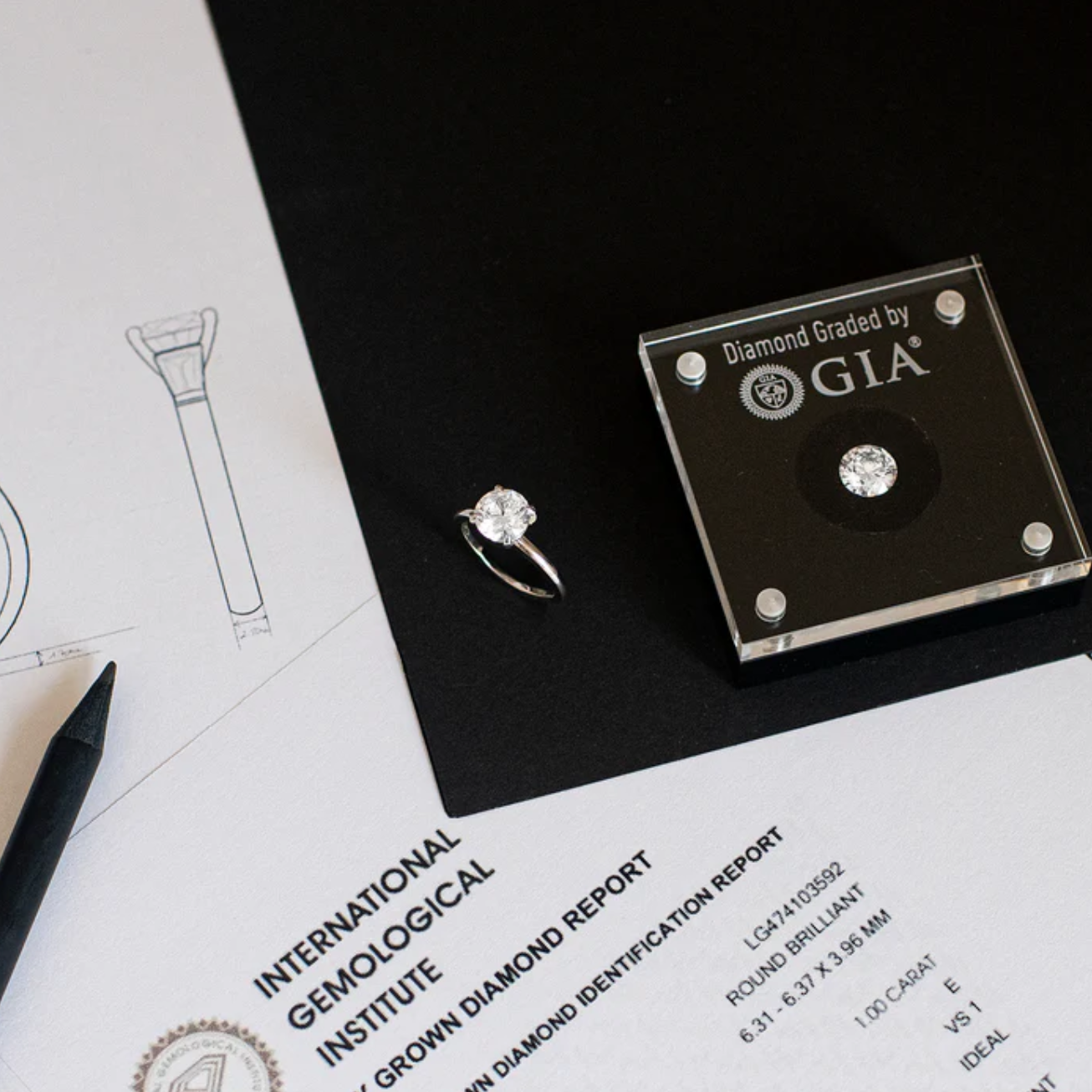
our gemologists hand-select every stone individually — not by certificate alone, but by eye. the way light moves through a sapphire. the particular depth of color in a specific garnet. two stones with identical grading reports can look entirely different in person; our gemologists choose the one that's right for the piece.
our metalworkers spend time on finishing that production jewelry skips. the inside of every band is polished smooth. every prong is checked individually. every stone is tested for stability before a piece leaves the studio.
it takes longer. it costs more to produce. and it results in pieces that feel and wear differently from anything mass-manufactured — because they are different, at every stage of the process.
frequently asked questions
what is the difference between handcrafted and mass-produced jewelry?
how can you tell if jewelry is good quality?
what is the best metal for fine jewelry?
what is the difference between solid gold and gold vermeil?
which jewelry setting is the most secure?
is juwels & co jewelry handmade?
how long does handcrafted jewelry take to make?
made by hand. built to last.
solid 14k gold, handcrafted in los angeles. every piece made to order — for you, for keeps.


