













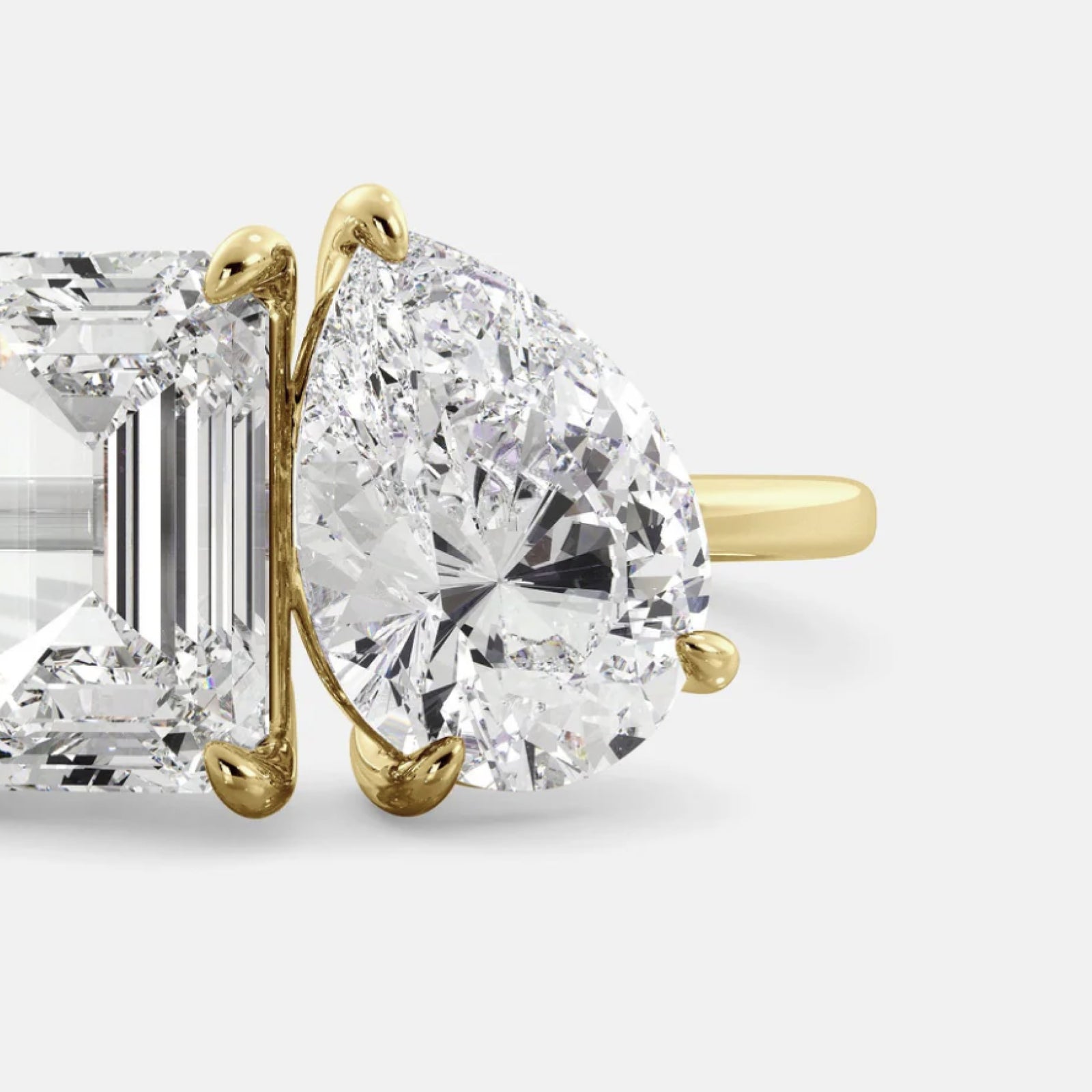

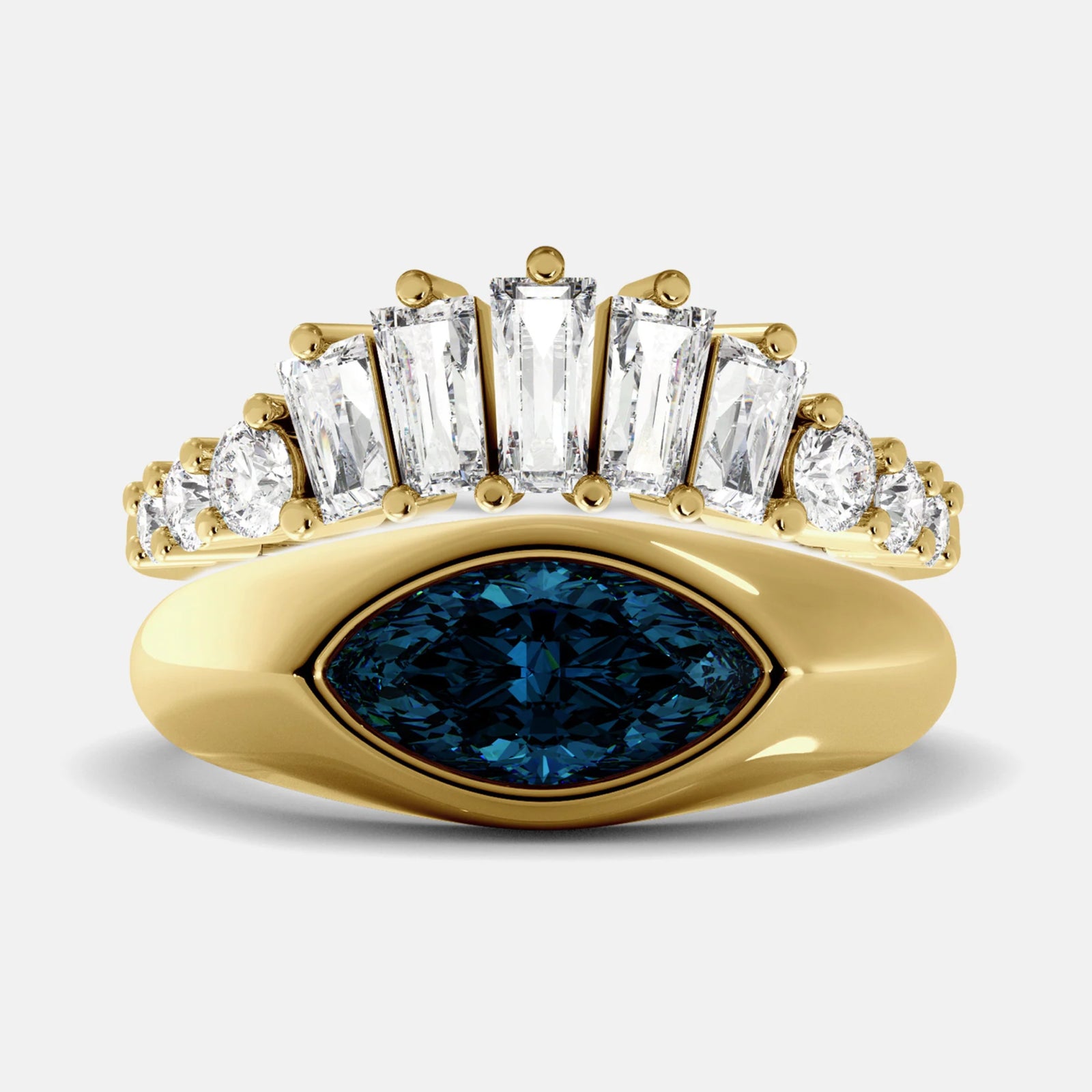

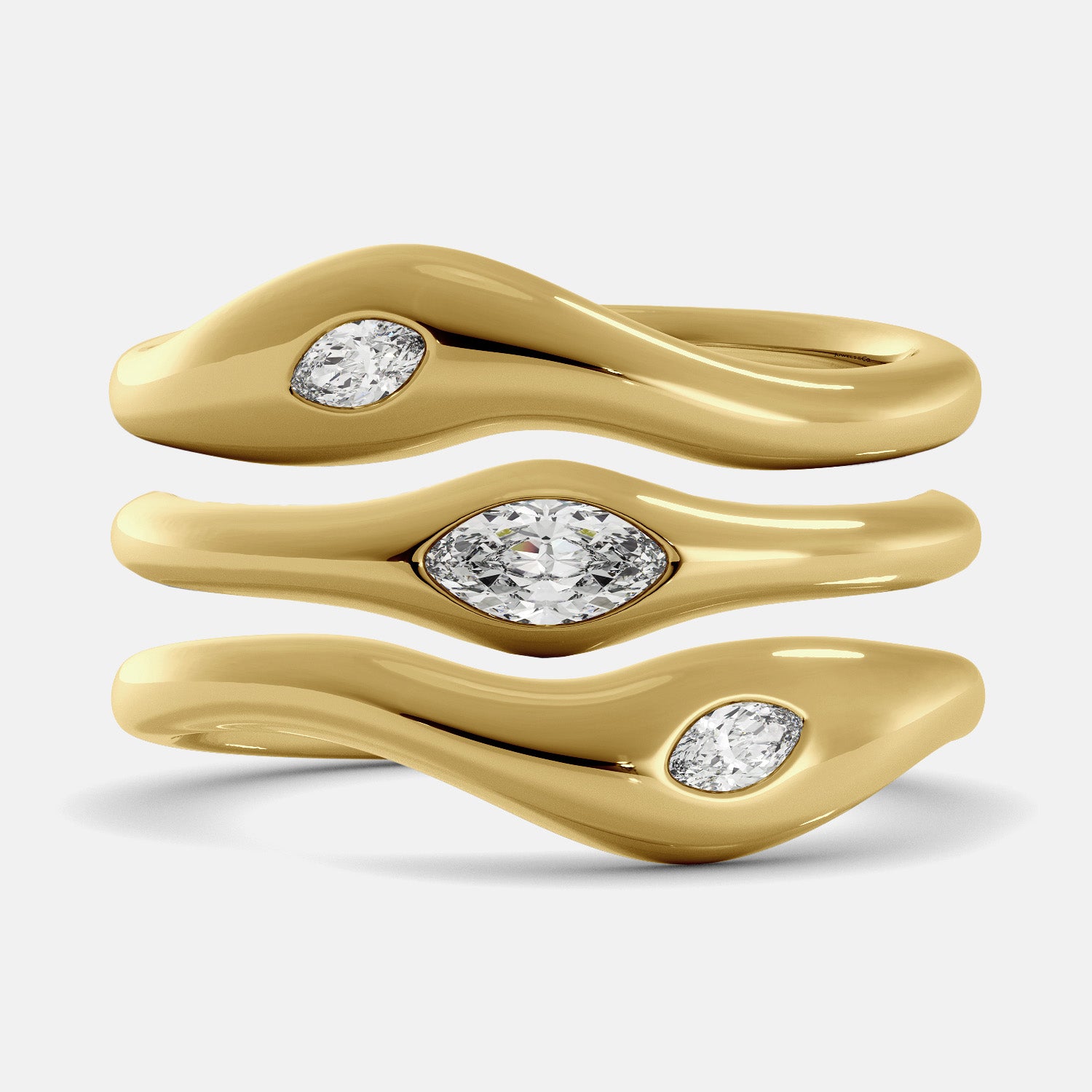

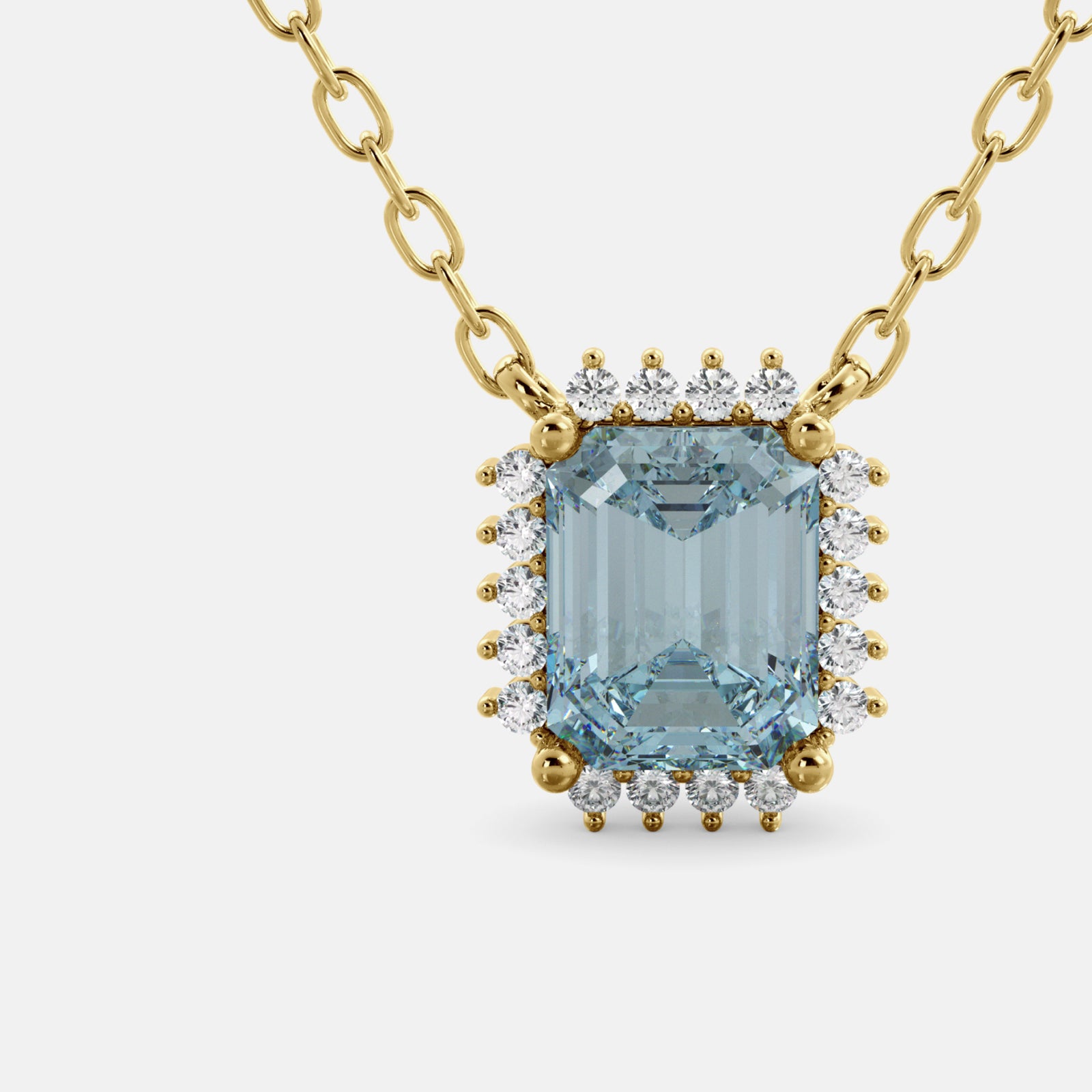









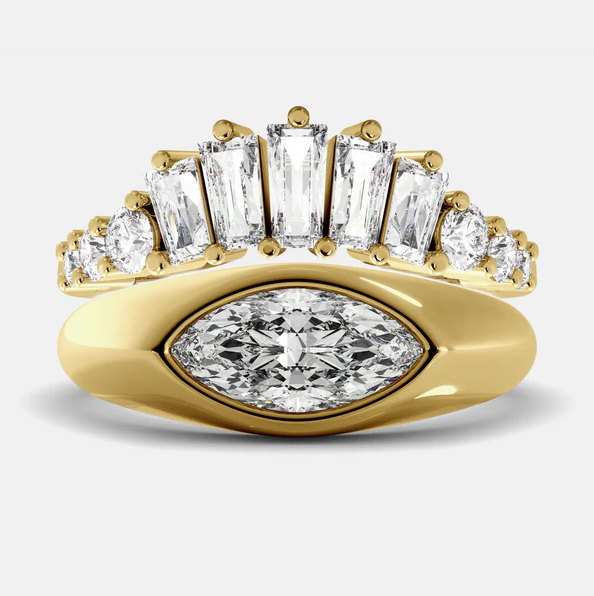

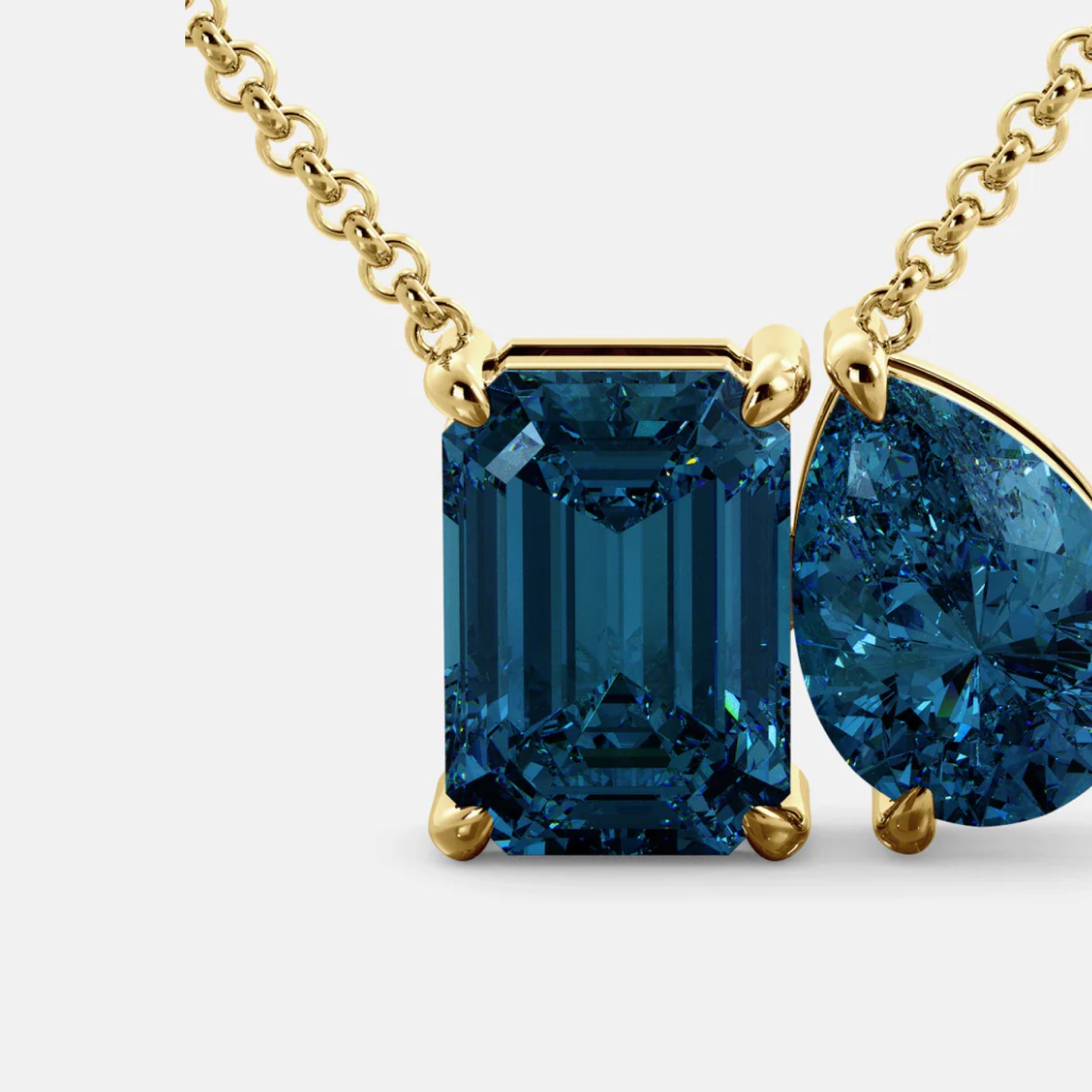

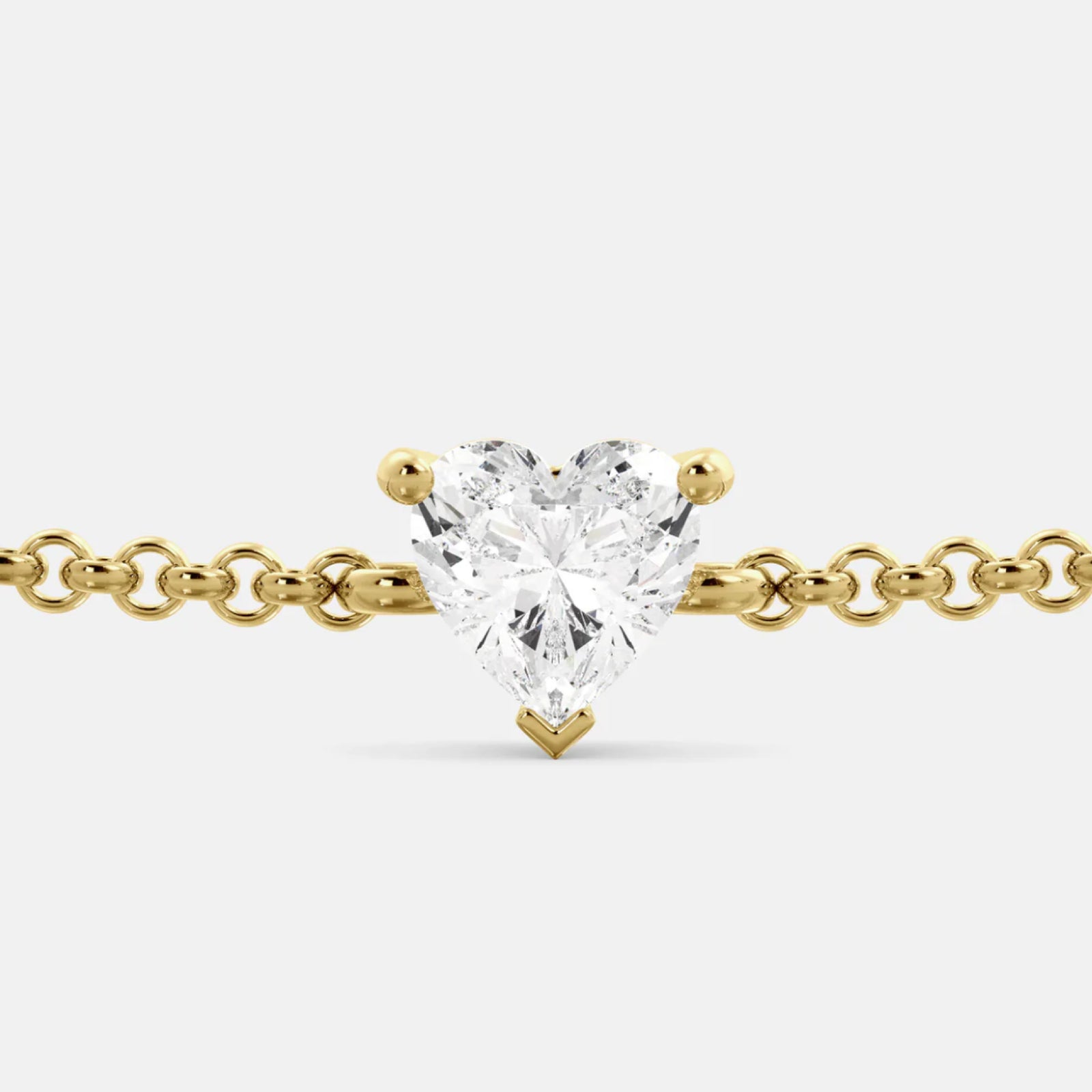

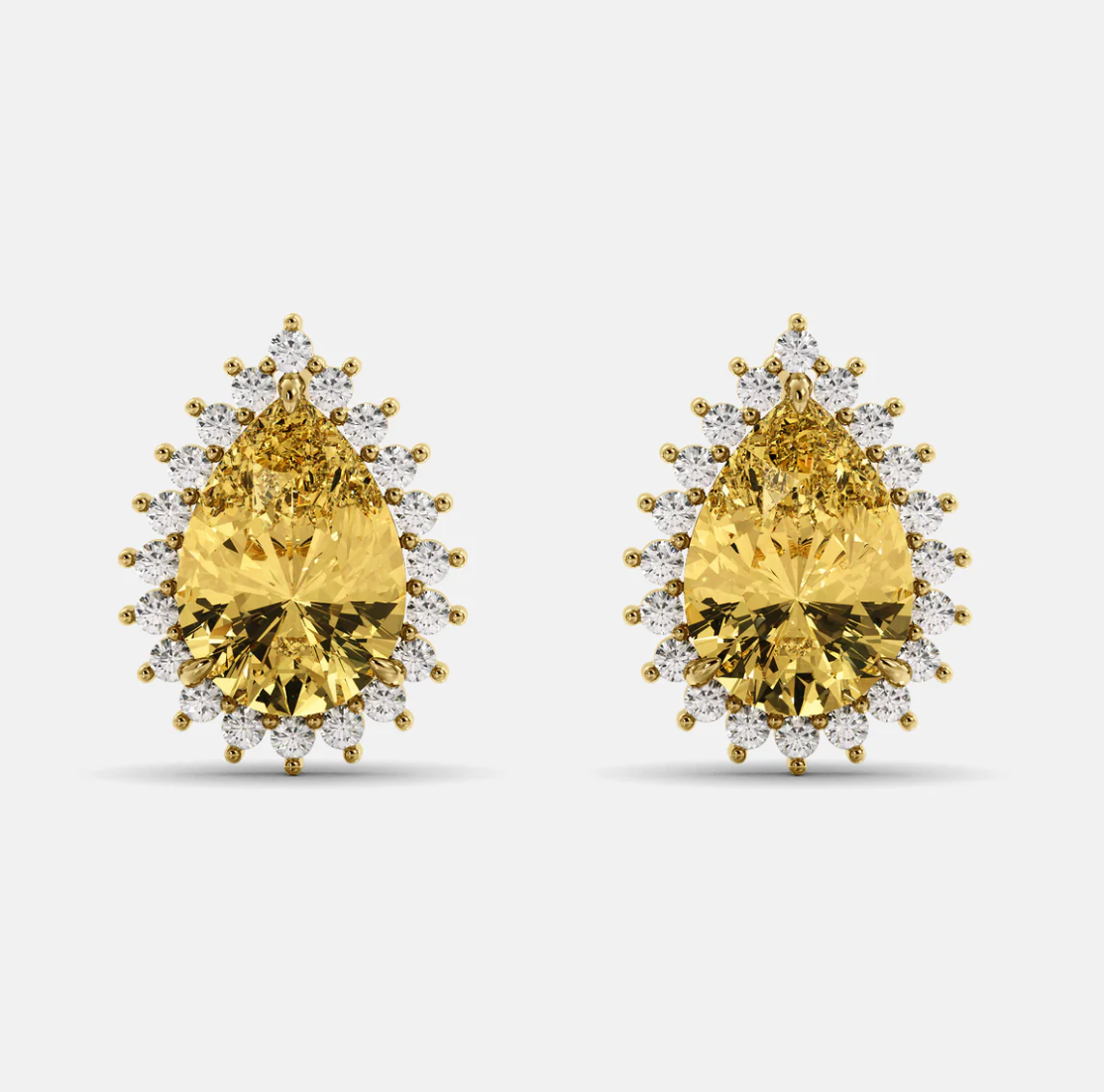

the oura ring does a lot of things well. looking like fine jewelry isn't really one of them — and it doesn't need to be. what it needs is the right piece beside it. this is a guide to exactly that: the juwels & co bands that turn a good piece of technology into a considered hand.
a lot of people who wear an oura ring wear it alone. it tracks sleep, heart rate, and recovery — it earns its place on the hand. but on its own, it reads as a wearable device. and there's a gap between "functional object on the finger" and "a hand that looks put together."
that gap is what fine jewelry fills.
the right band on an adjacent finger doesn't distract from the oura ring — it contextualizes it. it signals that the person wearing it thinks about how they present themselves, and that the oura ring is part of that picture rather than incidental to it. the four pieces below are all handcrafted in solid 14k gold in our los angeles studio, and each one does something specific for the oura ring's look.

what the oura ring is missing
the oura ring is well-designed for what it is. clean lines, minimal profile, a smooth exterior that doesn't snag on anything. it's a considered object. but it's made from titanium and optimized for sensors — not for warmth, not for sparkle, and not for the kind of personal meaning that fine jewelry carries.
that's not a criticism. it's an opening. a piece of technology that sits on your finger every day is also a piece that shares space with everything else you put on your hands. the question is whether you leave that space empty or fill it with something that matters.
the practical note: keep fine jewelry on a different finger from the oura ring. the oura ring's sensors need consistent contact with the skin to track accurately, and its titanium exterior is harder than gold — so a gold ring pressed directly against it is the gold that shows wear. one finger apart is all you need. on adjacent fingers, they don't touch, they don't compete, and the hand reads as a whole.
love eternity band — yellow gold
what it adds: personality
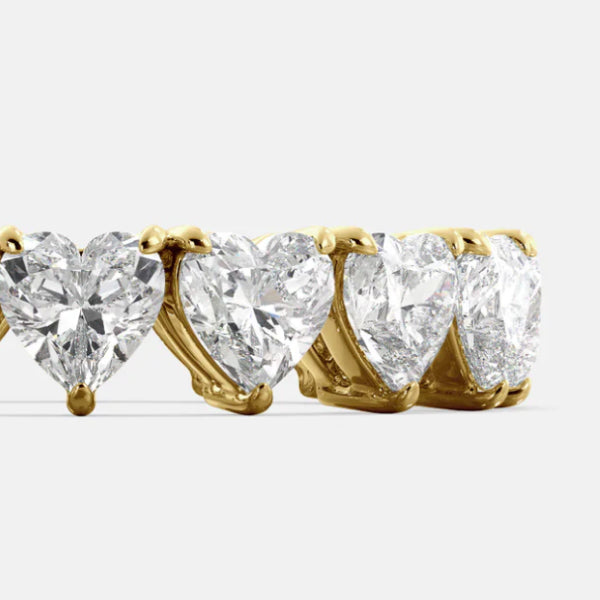
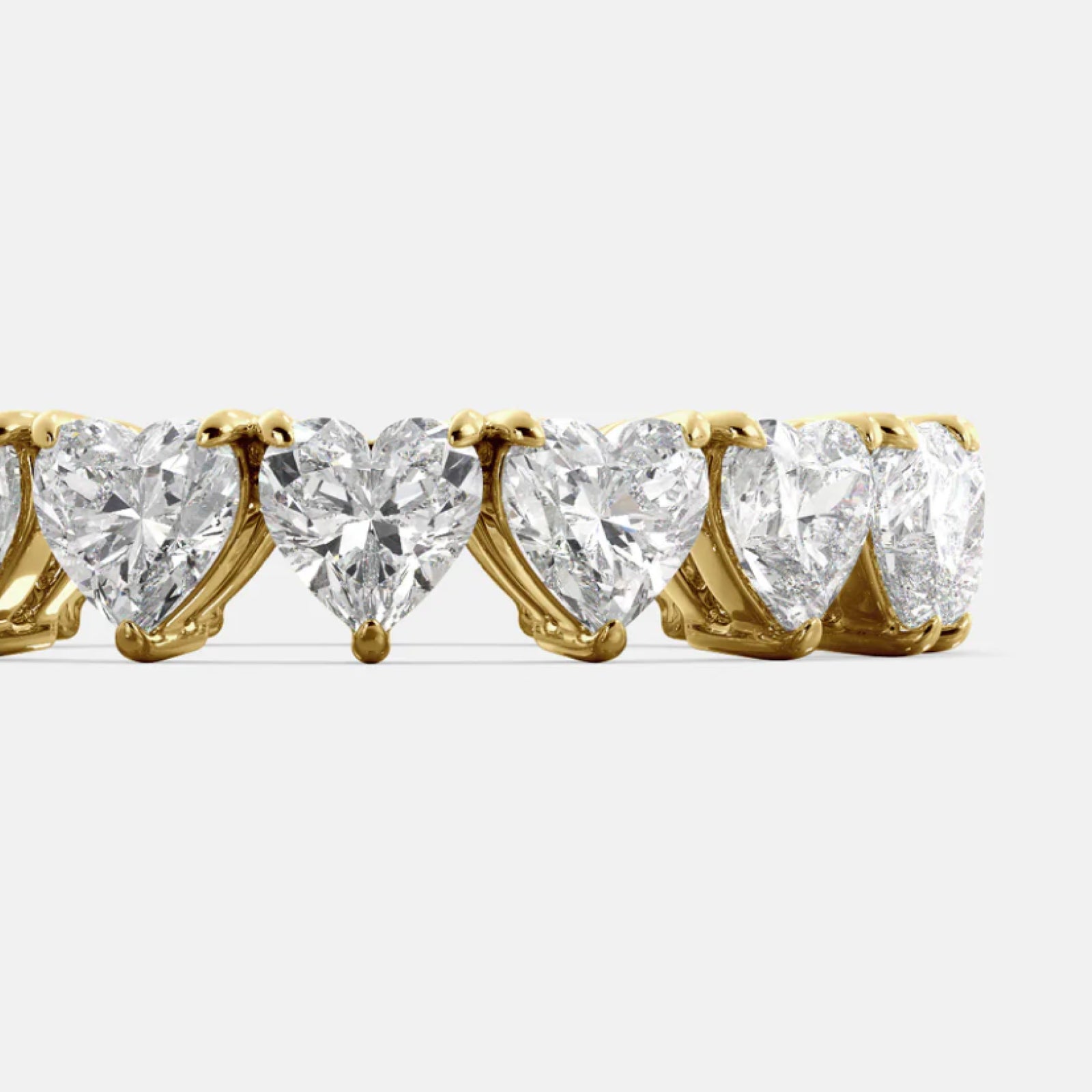
the oura ring is anonymous by design — it looks the same on every wrist. the love eternity band is the opposite. heart-shaped stones set continuously around a solid 14k yellow gold band — a shape that communicates something specific about the person wearing it.
beside the oura ring's clean, engineered exterior, the love eternity band introduces warmth and specificity. it says this hand belongs to someone. the contrast between the two pieces — one tracking biology, one marking something personal — is actually a coherent kind of hand composition. precise and human at the same time.
if your oura ring is the gold finish, the yellow gold sits in the same tonal family and the hand reads as a unified palette. if yours is silver, black, or stealth, the yellow gold of the love eternity band creates a warm contrast that reads as intentional.
best for: oura ring wearers who want their fine jewelry to mean something, not just look good. the right choice when the stack should feel personal rather than purely aesthetic.
forevermore pavé eternity band
what it adds: sparkle
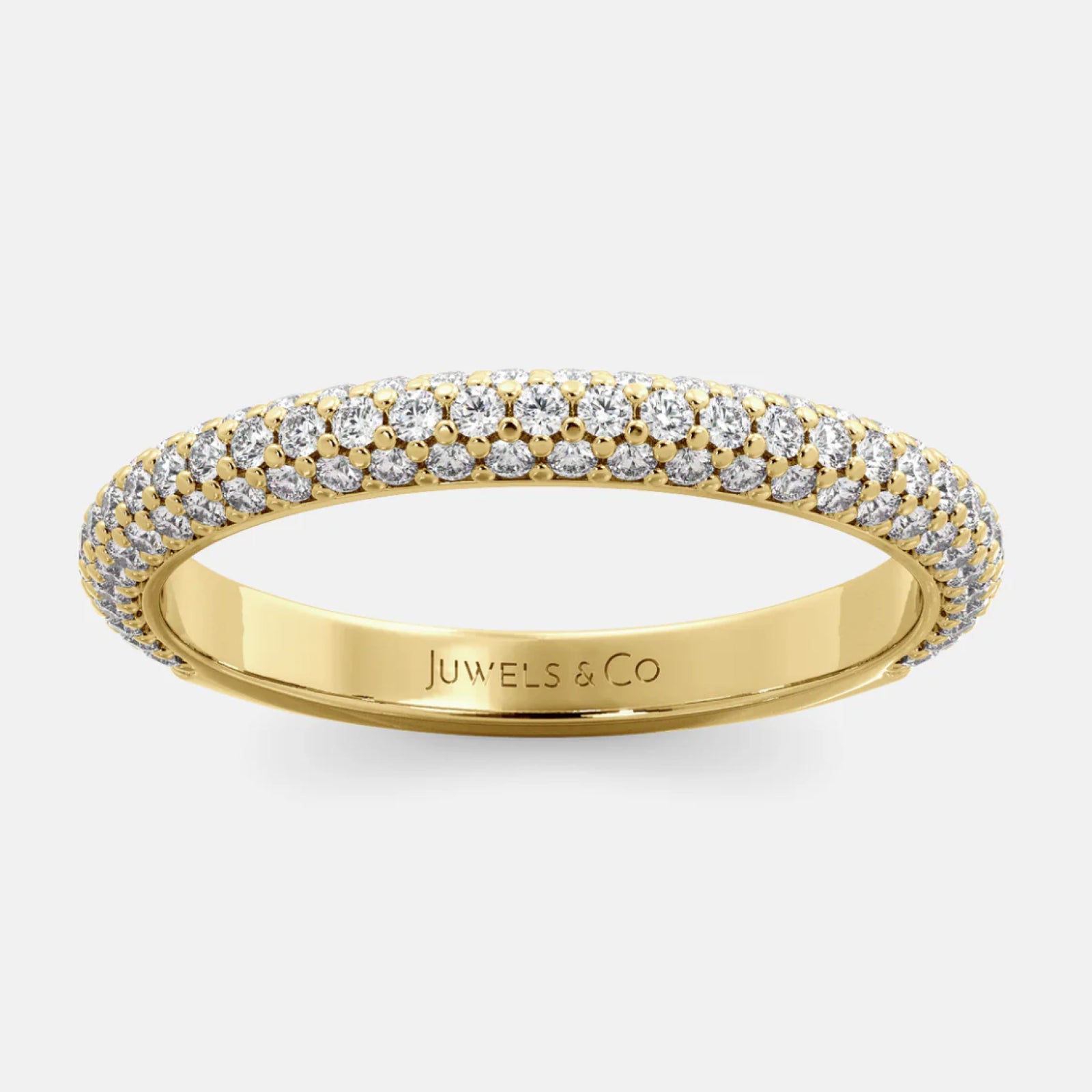
the oura ring doesn't catch light. it's matte or satin depending on finish, and that's part of its understated appeal. the forevermore pavé eternity band does the opposite — continuous pavé diamonds set flush around the full circumference, all shimmer, no interruption.
this contrast of surface is what makes the pairing work so well. one ring absorbs light, one reflects it. on adjacent fingers, that dynamic creates exactly the kind of tension that makes a hand composition feel designed rather than assembled. the pavé eternity band is also eye-catching enough to hold its own visually next to the oura ring's graphic silhouette — it doesn't get lost beside it.
this is the most universally effective pairing for oura ring wearers who want their fine jewelry to be immediately visible. it requires no explanation — the sparkle speaks for itself.
best for: anyone who wants the fine jewelry to register clearly alongside the oura ring. the strongest visual contrast of the four options here, and the most versatile across all oura ring finishes.
forevermore flat band with hidden stone — yellow gold
what it adds: warmth and intention
the forevermore flat band with hidden stone is a slim, clean solid gold band with a single stone set on the inner surface — invisible from the outside, known only to the wearer. from any distance, it reads as a simple plain gold band.
this is the most restrained pairing with the oura ring, and in some ways the most interesting one. the oura ring also carries something hidden — its sensor technology is entirely invisible from the exterior. two rings that each hold something on the inside. there's a quiet coherence to that, even if no one else sees it.
visually, the flat band's slim gold profile adds warmth to the hand without introducing visual noise. if you love the oura ring's clean aesthetic and don't want to disrupt it — just elevate it — this is the right choice. gold makes the hand look considered. the hidden stone makes it mean something.
best for: oura ring wearers who want to add fine jewelry without changing the overall aesthetic of the hand. understated, personal, and the easiest daily wear of the four.
clamped diamond wedding band — yellow gold
what it adds: presence
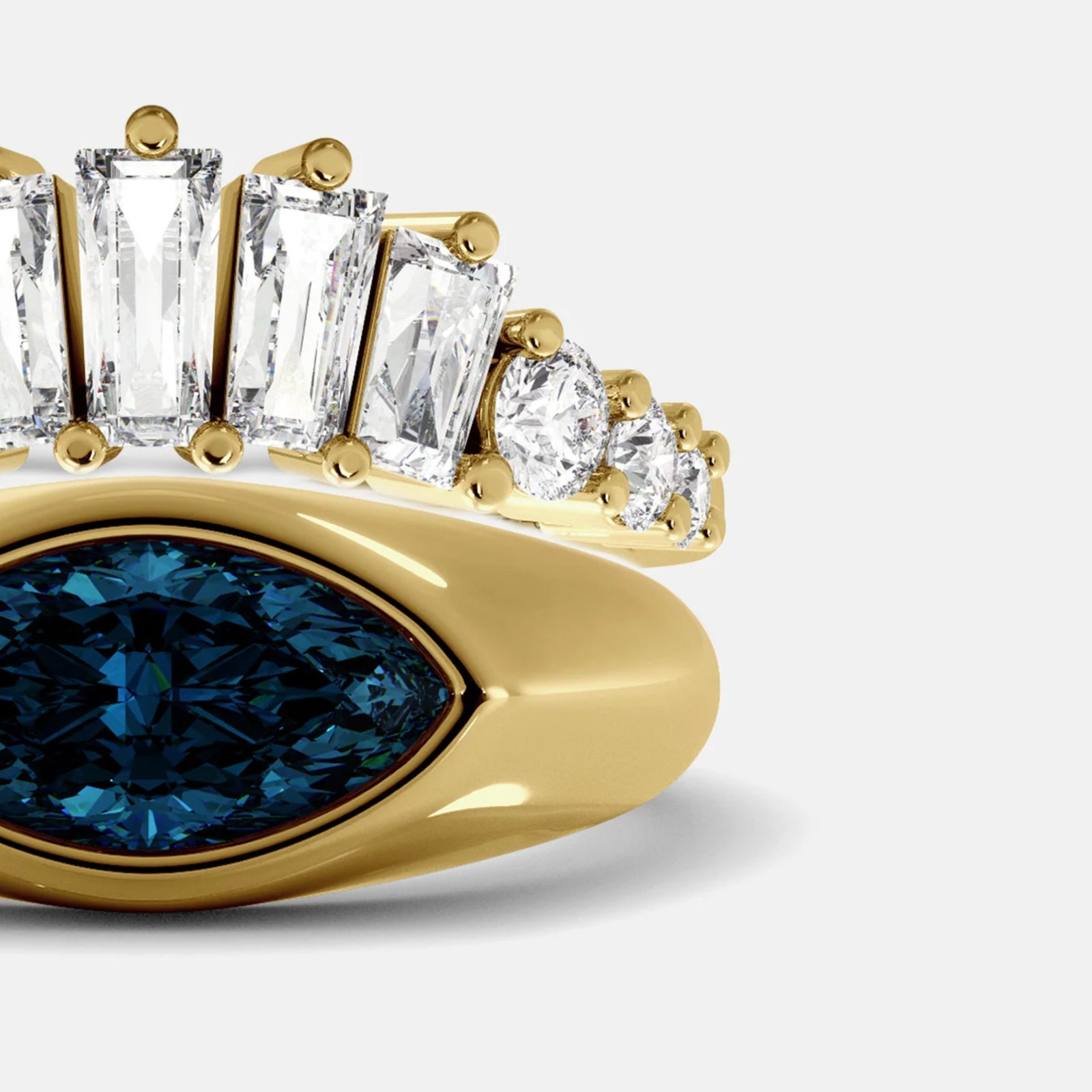
the clamped diamond wedding band sets individual diamonds in elevated prong positions — distinct points of light with space between each stone. it has a structural, architectural quality that doesn't defer to anything beside it. including the oura ring.
where the other three options either complement the oura ring or contrast gently with it, this one matches its energy. both pieces have graphic presence. both read clearly from a distance. on adjacent fingers they don't compete — they make the hand look like a place where decisions were made.
this is also the natural choice for anyone wearing an oura ring in a wedding or engagement context — either alongside a wedding band or as part of a more intentional everyday jewelry look. it was designed for exactly that kind of serious, considered wear.
best for: oura ring wearers who want fine jewelry that holds its own rather than steps aside. the strongest pairing when you want the hand to make a statement.
the combinations we recommend
all four pieces work. here's how to choose based on what you want the hand to say:
- for the cleanest upgradeoura ring + forevermore pavé eternity band on the adjacent finger. one ring that tracks your health, one that catches the light. minimal, high-impact, works with every oura ring finish.
- for the most personal lookoura ring + love eternity band. the heart motif introduces warmth and individuality that the oura ring's design deliberately avoids. together they cover both ends of the spectrum — precision and feeling.
- for the most understated resultoura ring + flat band with hidden stone. adds gold warmth to the hand without disrupting the oura ring's minimal aesthetic. the right choice if the goal is to look more considered rather than more adorned.
- for the fullest lookoura ring + flat band with hidden stone (adjacent finger) + clamped diamond band (next finger). three rings across three fingers — the flat band creates breathing room between the oura ring and the diamond band, and the hand reads as a complete, layered composition.
- for the gold oura ring specificallyoura ring (gold finish) + love eternity band or forevermore pavé eternity band in 14k yellow gold. the tonal match between the oura ring's gold pvd finish and solid 14k yellow gold is close enough to read as a unified palette — the hand looks like it was dressed, not assembled.
frequently asked questions
what jewelry looks good with an oura ring?
how do you style an oura ring with fine jewelry?
can you wear gold rings with an oura ring?
should the oura ring match your other jewelry?
will fine jewelry scratch an oura ring?
does wearing rings next to an oura ring affect its tracking?
how much does a solid gold stacking band cost?
your oura ring tracks your health.
let us handle the rest.


