


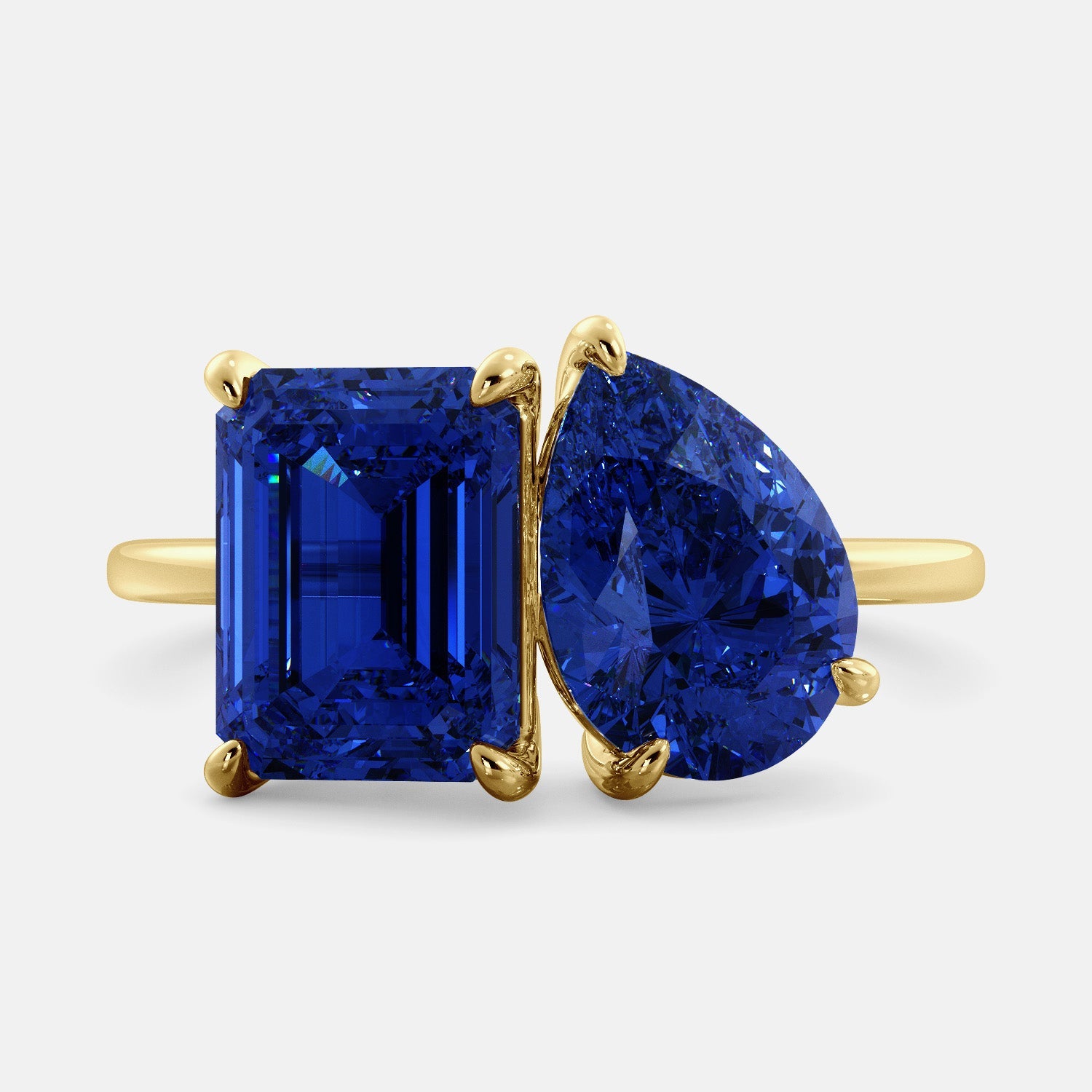

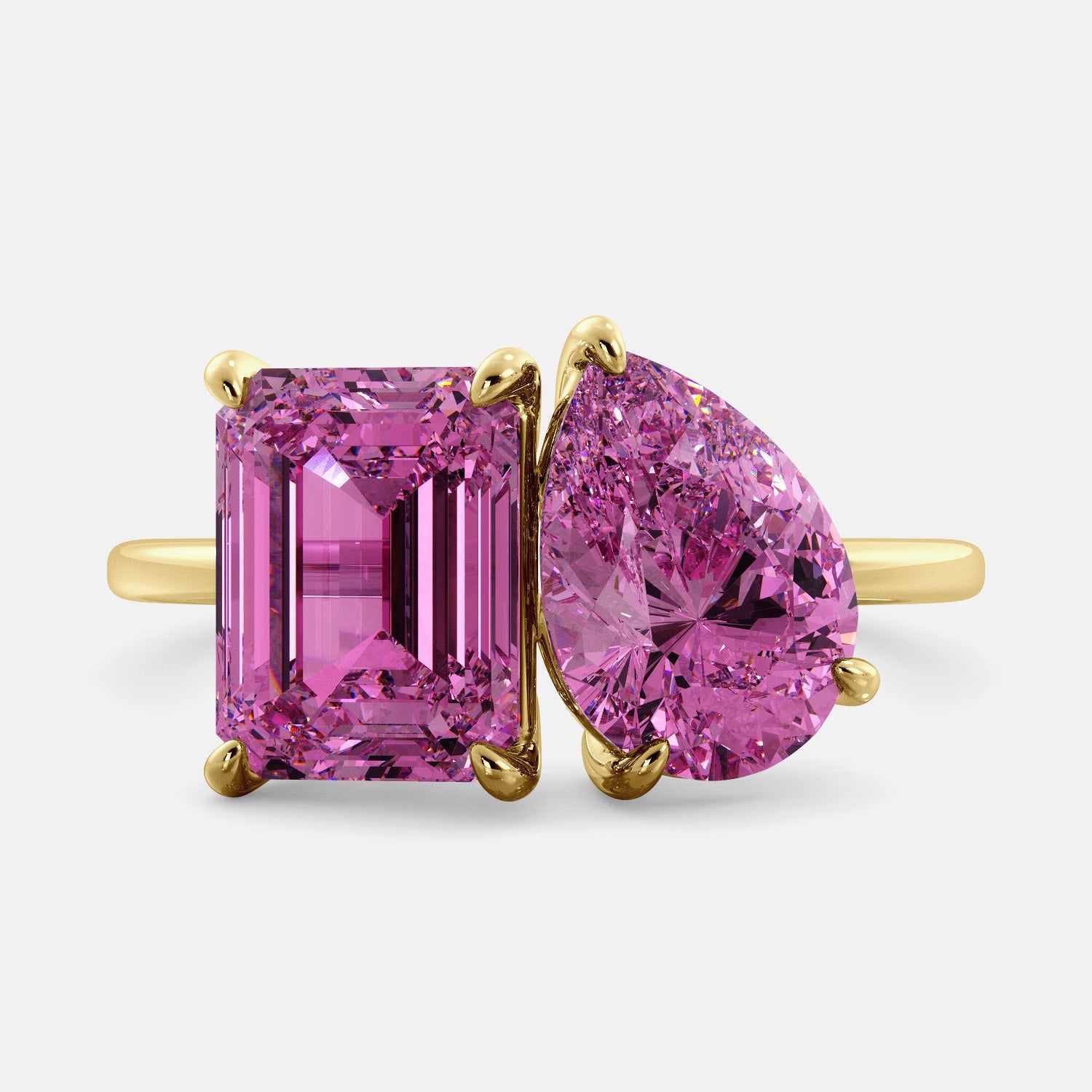


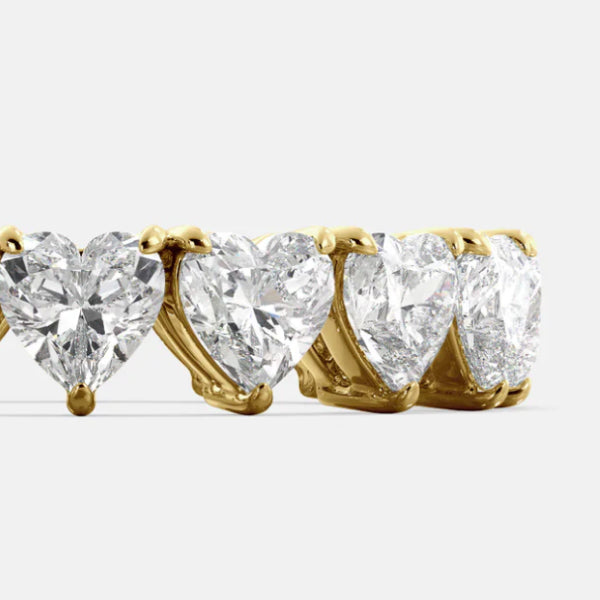

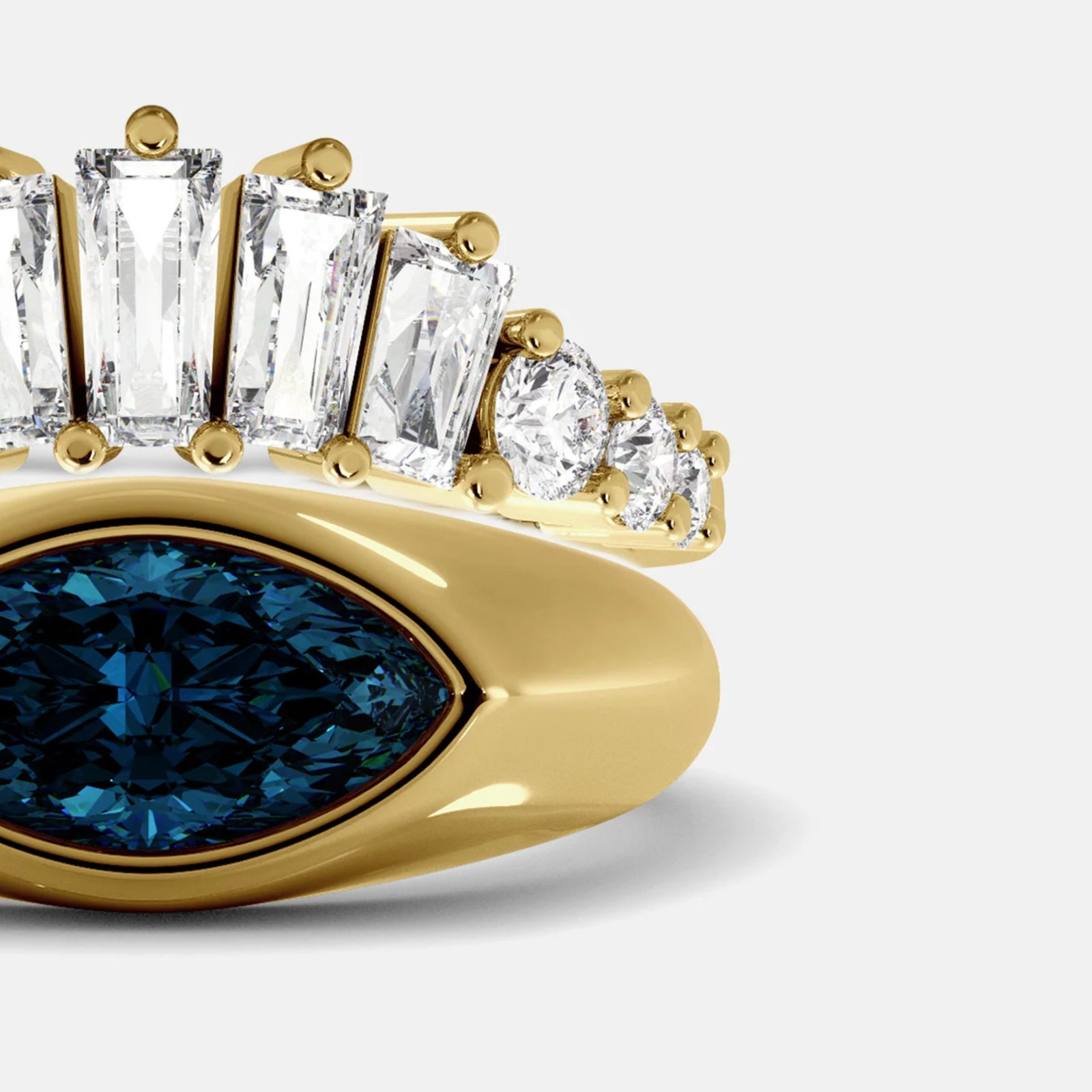







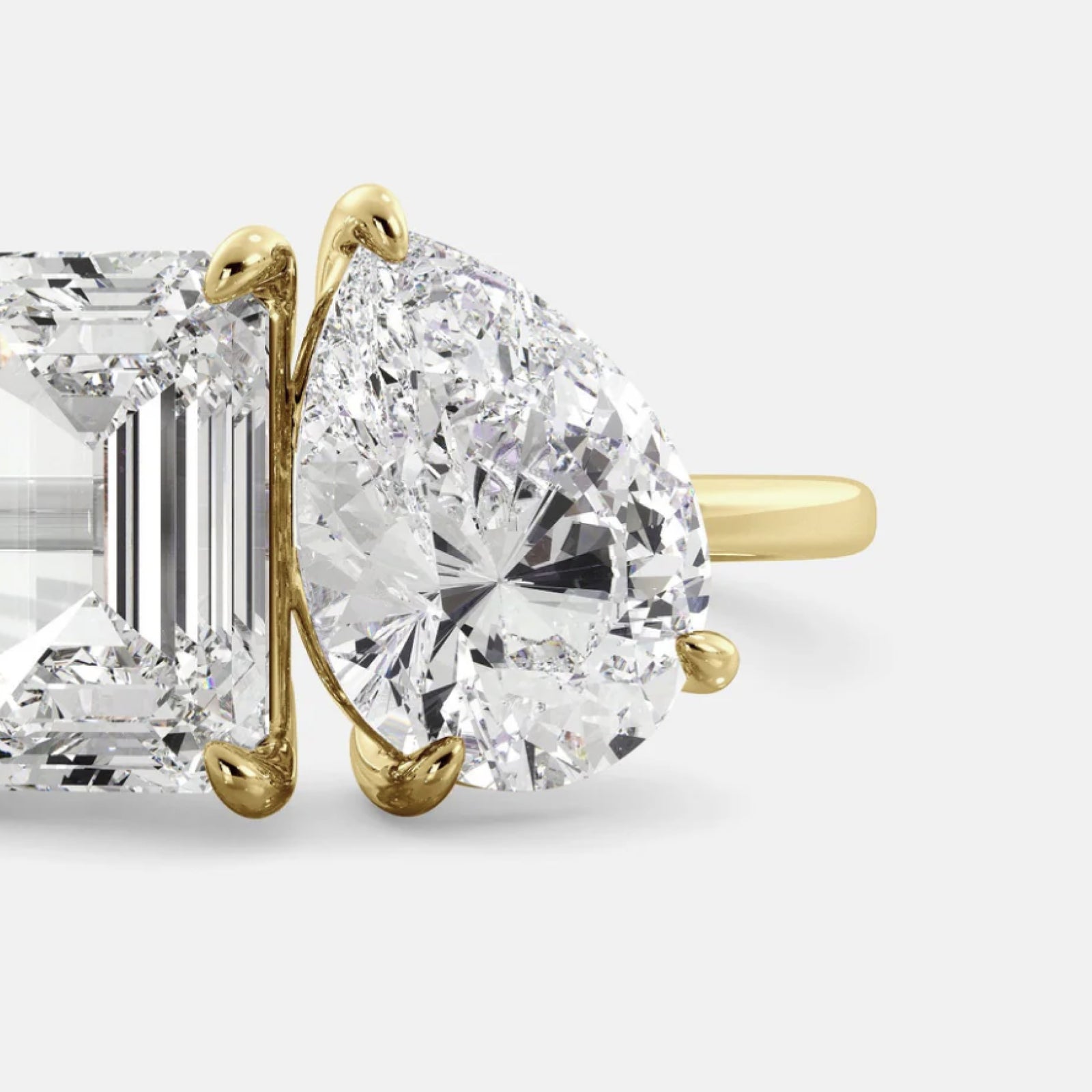

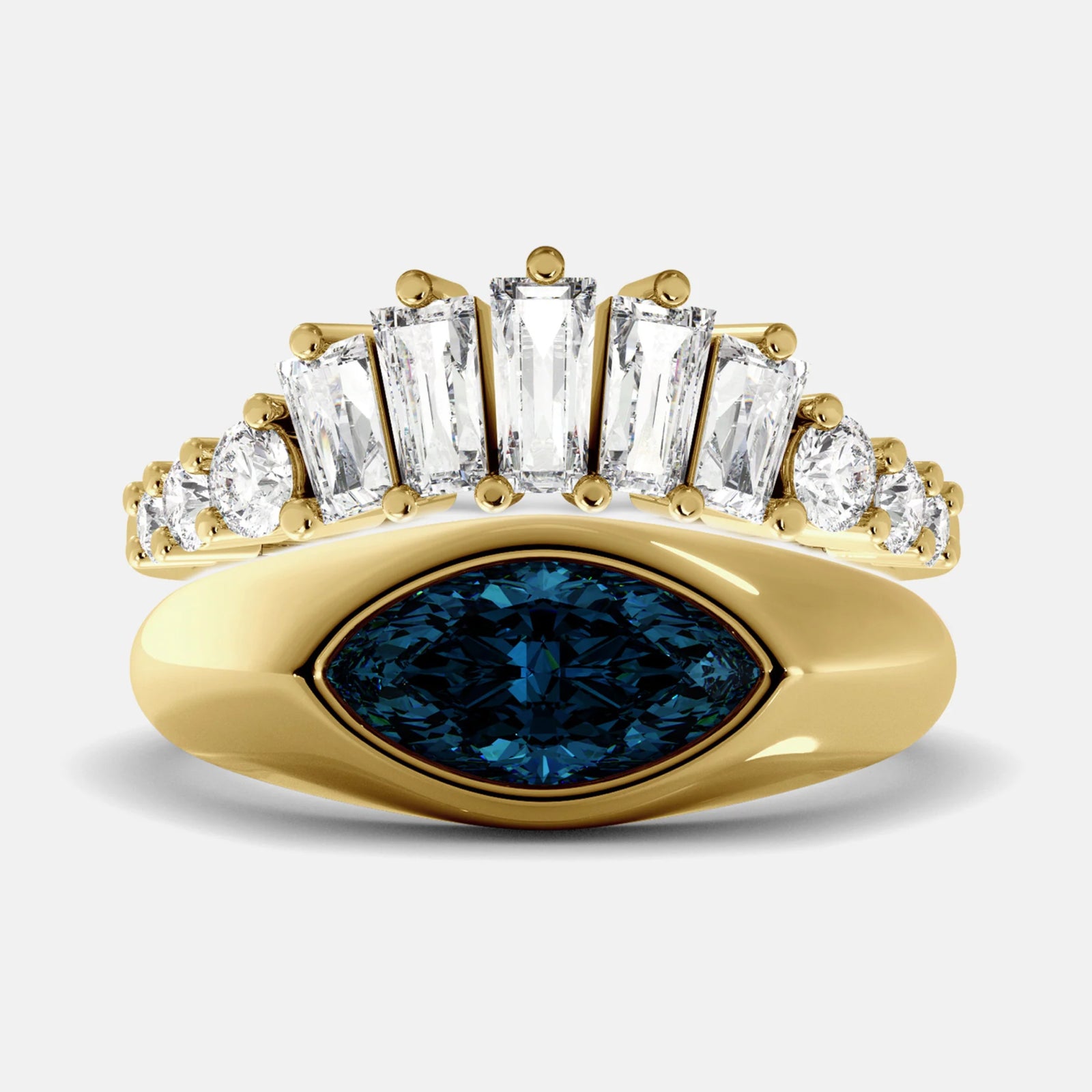

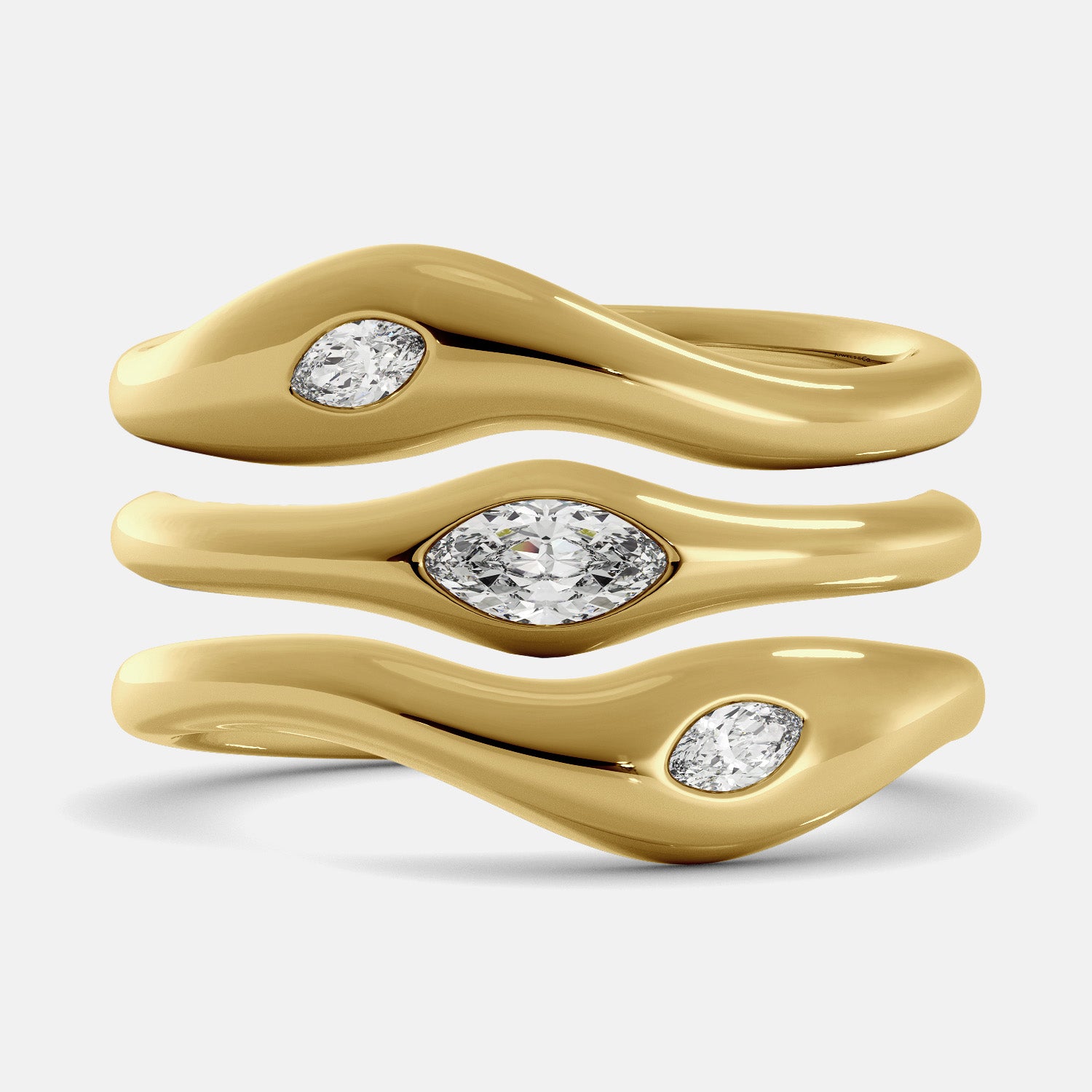

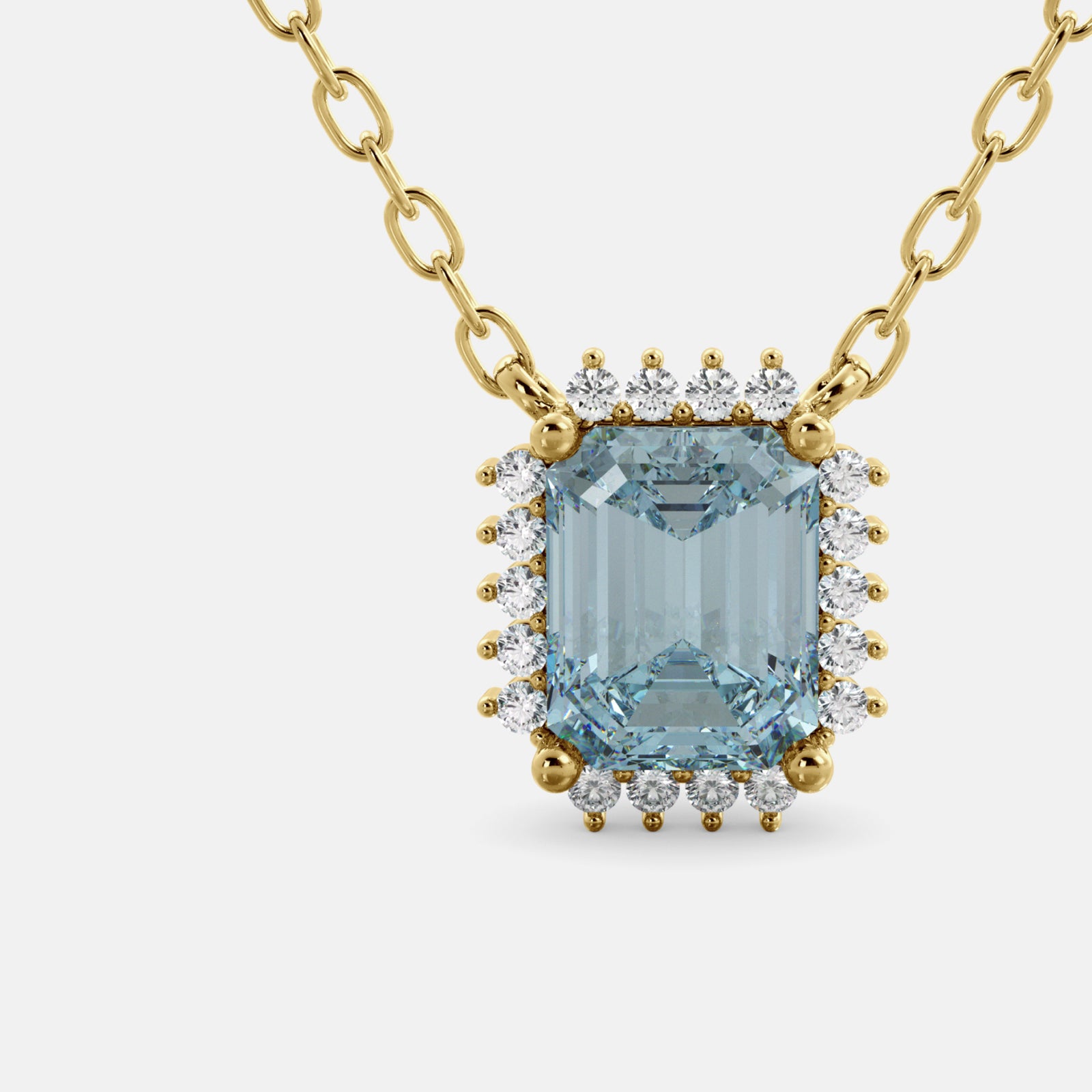

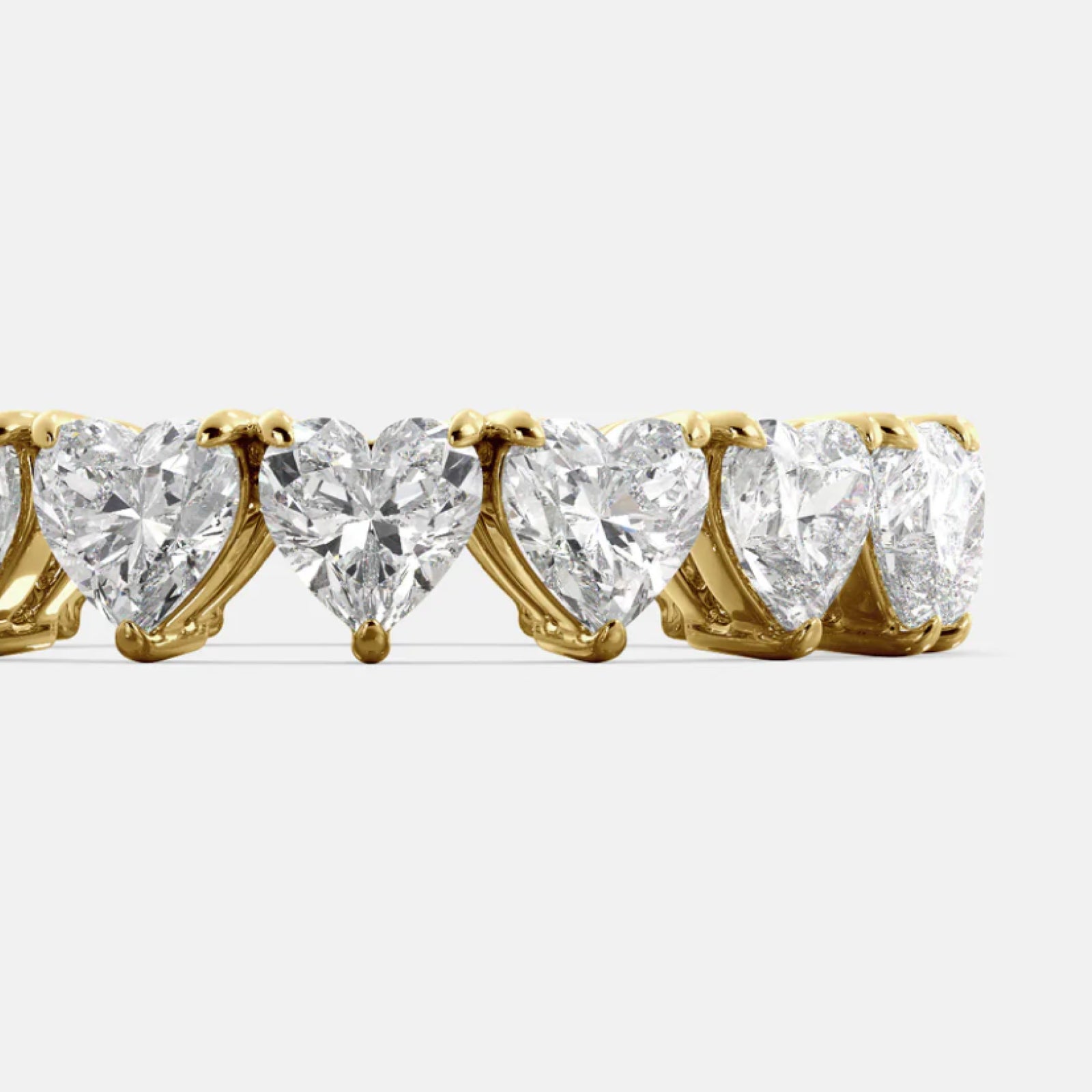

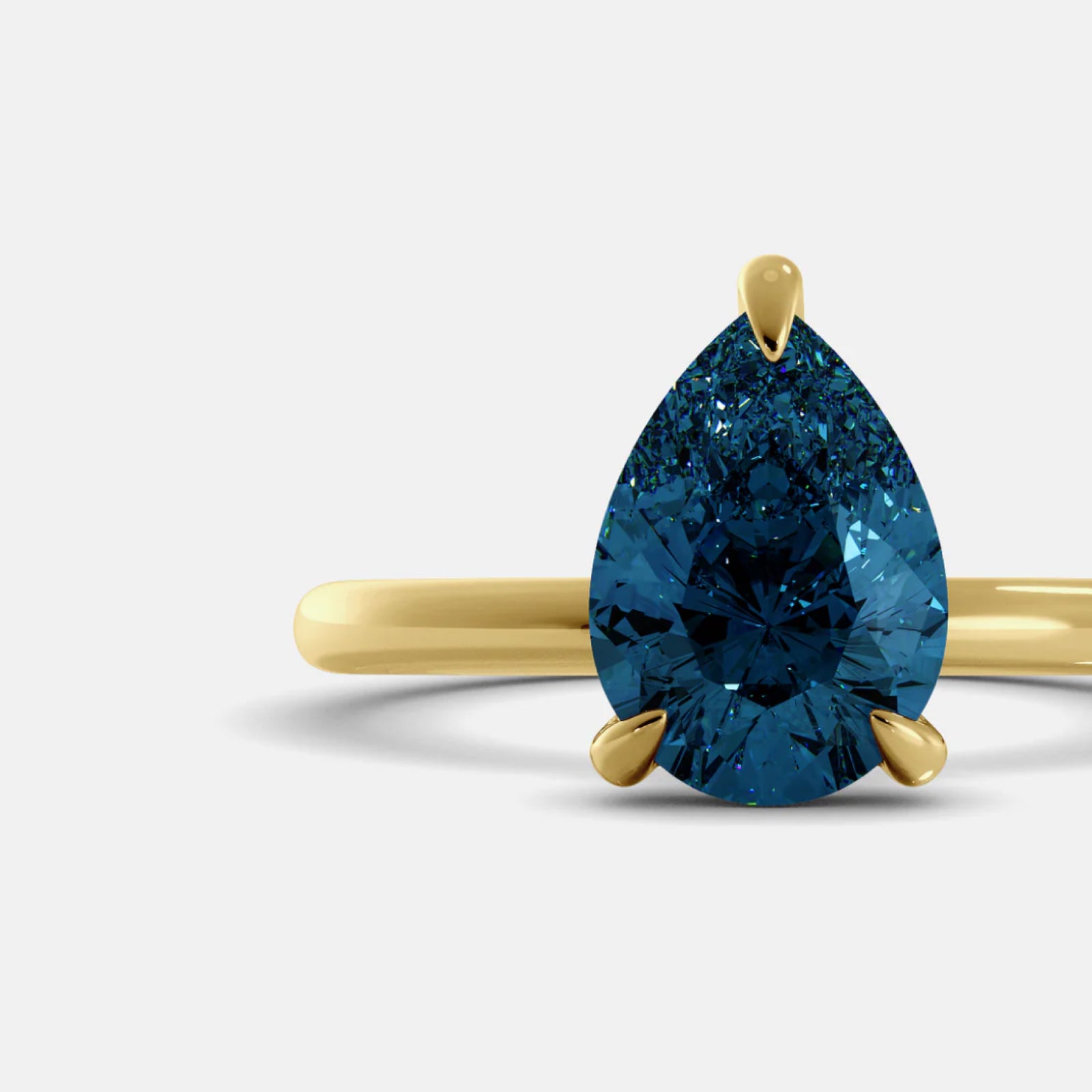







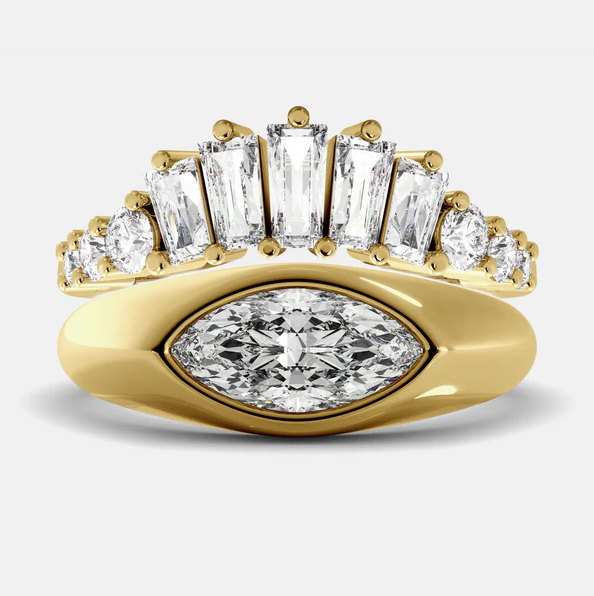

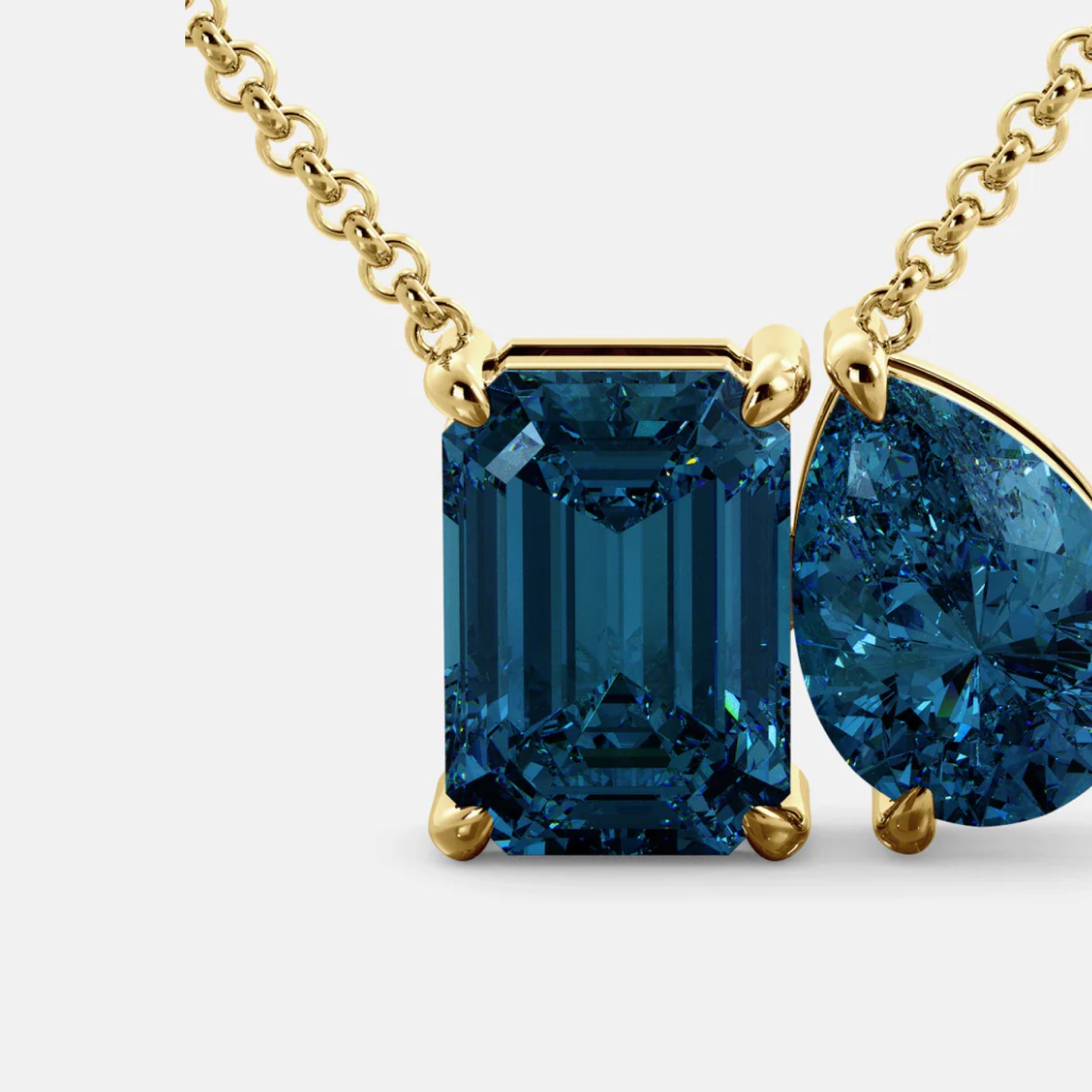

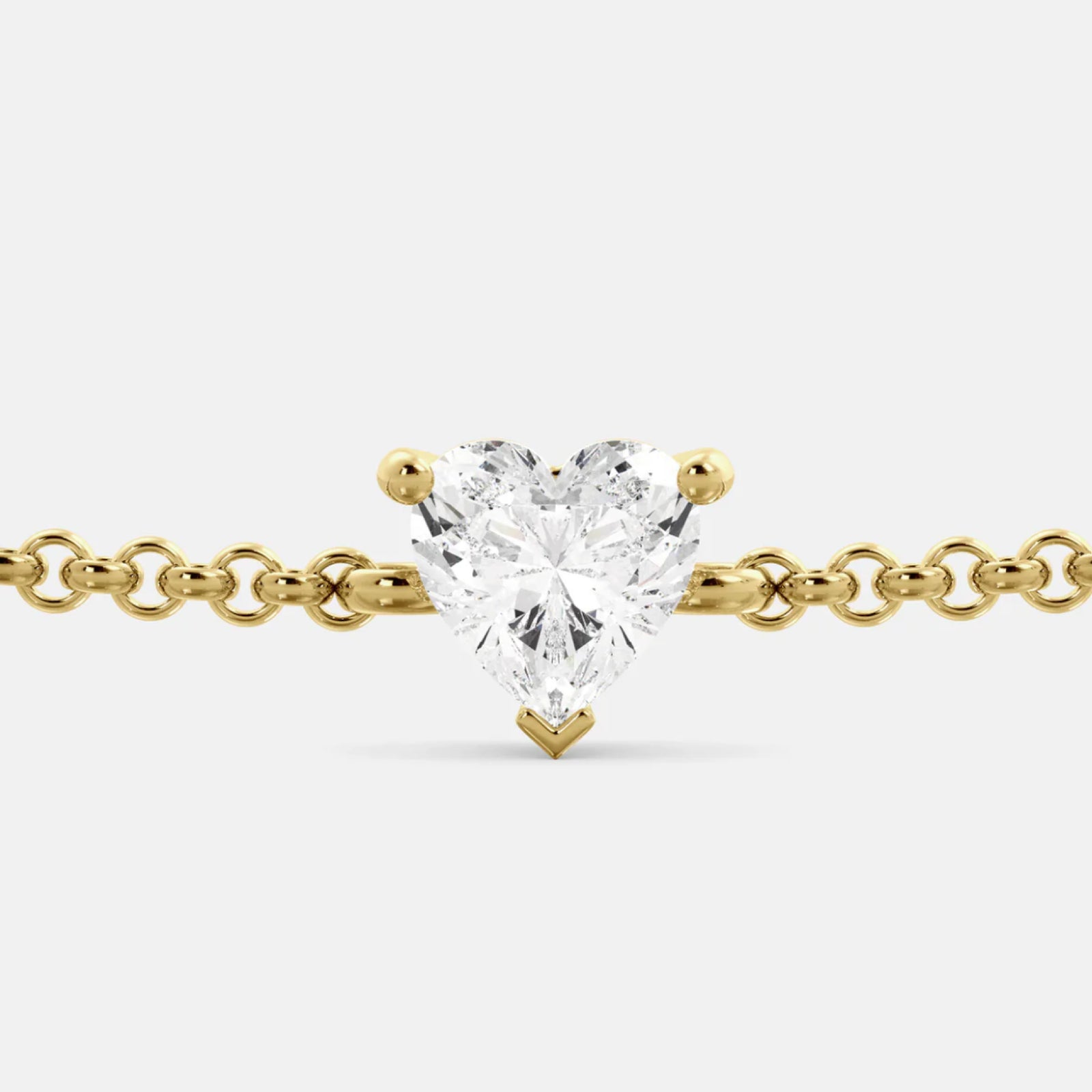

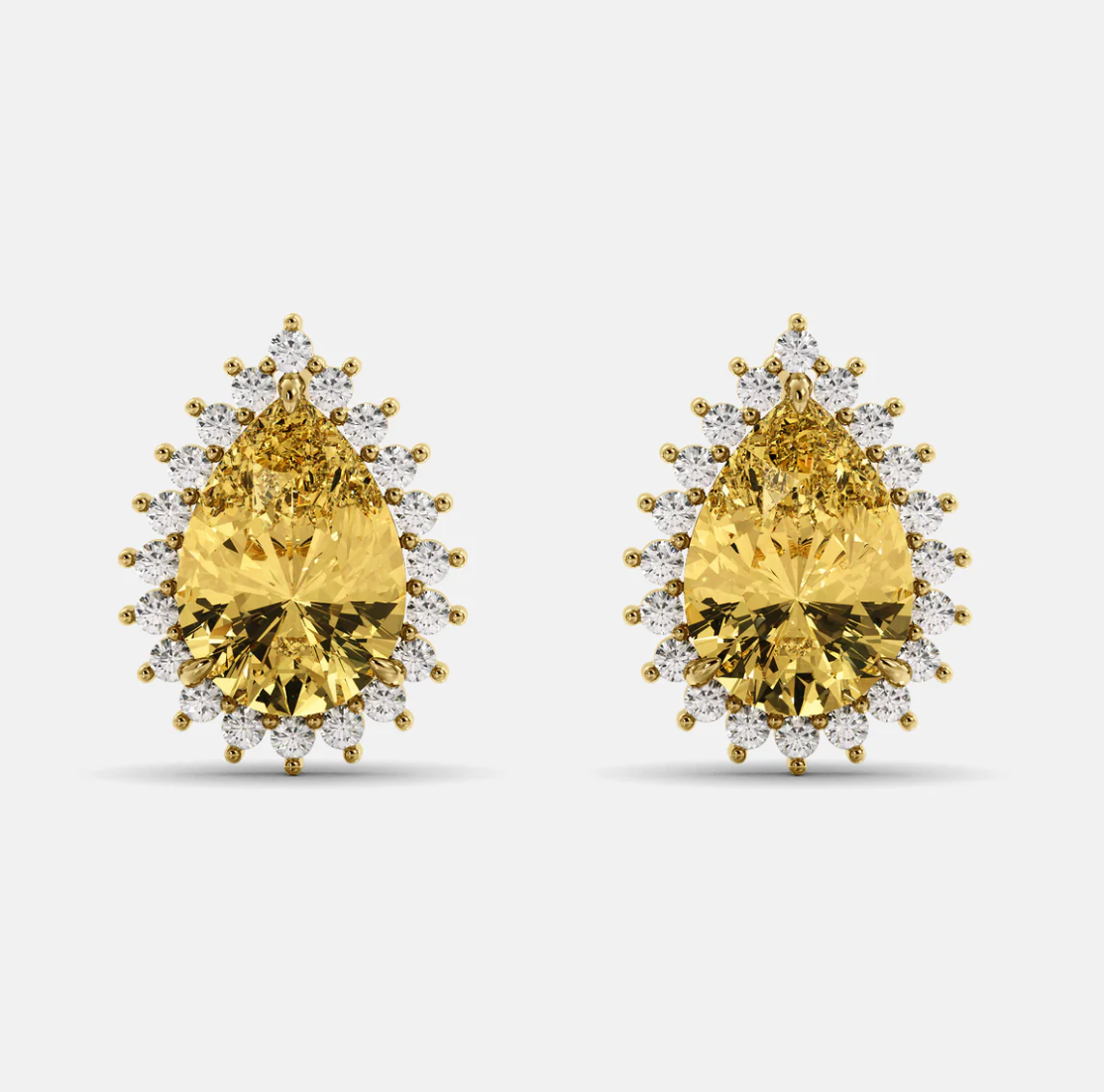

cut, color, clarity, and carat — the four factors used to evaluate every diamond. understanding what each actually means, which one carries the most weight, and how they interact is the difference between buying confidently and buying blind.
the 4Cs were developed by the Gemological Institute of America (GIA) in the mid-20th century as a standardized language for describing diamond quality. before the system existed, buying a diamond meant trusting a jeweler's description with no objective framework. the 4Cs gave buyers and sellers shared terminology — and a way to compare stones that would otherwise require side-by-side inspection.
knowing the 4Cs doesn't make you a gemologist. but it does mean you can read a certificate, ask the right questions, and understand what you're paying for. that's the point of this guide.
cut — the most important C
cut is widely considered the most critical of the four factors — and the most misunderstood. cut does not refer to a diamond's shape (round, pear, emerald, etc.). it refers to how well the diamond's facets have been proportioned, aligned, and polished to interact with light.
a well-cut diamond takes light that enters through the table (the flat top facet), reflects it internally between the pavilion facets (the lower angled surfaces), and returns it back through the top to your eye. this is what creates brilliance — white light return — and fire — colored light dispersion.
a poorly cut diamond leaks light through the sides or bottom. it looks dull and flat regardless of its clarity or color grades. a well-cut diamond with a lower clarity grade will almost always outperform a poorly cut diamond with a higher one.
- Excellent maximum light return. the highest GIA cut grade — reflects virtually all light that enters the stone. a well-cut round brilliant will appear significantly more brilliant and lively than the same stone cut to a lower grade.
- Very Good reflects most light with excellent brilliance. a practical choice for buyers who want near-ideal performance with slightly more flexibility on budget.
- Good reflects a good amount of light. visible difference from Excellent in side-by-side comparison; less obvious in isolation. acceptable for some budget-driven decisions.
- Fair / Poor significant light leakage. the stone will appear noticeably duller. generally not recommended for fine jewelry — the visual compromise is too significant relative to the savings.
note: GIA only assigns cut grades to round brilliant diamonds. fancy shapes (pear, oval, cushion, emerald cut) are not assigned a GIA cut grade — for these shapes, proportions are assessed differently and visual evaluation matters more.
clarity — what inclusions mean
clarity refers to the presence — or absence — of internal characteristics (inclusions) and surface characteristics (blemishes) in a diamond. inclusions form during the diamond's growth process: tiny crystals, fractures, clouds, or feathers trapped within the stone.
clarity is graded under 10x magnification by a trained gemologist. the grade reflects what's visible at that magnification level — not necessarily what's visible to the naked eye.
- FL / IF — Flawless / Internally Flawless no inclusions visible under 10x magnification. extremely rare — less than 1% of diamonds reach this grade. for most buyers, the practical difference between FL and VS1 is invisible; the price difference is very significant.
- VVS1 / VVS2 — Very Very Slightly Included inclusions that are extremely difficult for a skilled grader to see under 10x magnification. entirely invisible to the naked eye. an excellent grade for buyers who want near-perfect stones without the premium of FL/IF.
- VS1 / VS2 — Very Slightly Included minor inclusions visible under magnification, not visible to the naked eye. the sweet spot for most fine jewelry buyers — strong clarity performance at a more accessible price than VVS.
- SI1 / SI2 — Slightly Included inclusions noticeable under 10x magnification; may or may not be visible to the naked eye depending on the nature and location of the inclusion. SI1 is often eye-clean; SI2 requires individual evaluation. a practical budget option when chosen carefully.
- I1 / I2 / I3 — Included inclusions visible to the naked eye. I1 may be acceptable in certain settings and sizes; I2 and I3 generally show obvious inclusions that affect the stone's appearance. not recommended for fine jewelry intended for daily wear.
color — the grading scale
diamond color is graded on the GIA's D-to-Z scale, measuring the degree of colorlessness. the scale begins at D (completely colorless) and moves through increasing levels of yellow or brown tint toward Z. the system starts at D rather than A because earlier grading systems had used A, AA, and AAA inconsistently — GIA started fresh.
- D, E, F — Colorless the rarest color grades. completely colorless under controlled lighting. D is the absolute top of the scale; E and F are effectively indistinguishable from D to the naked eye and represent a more practical entry point into the colorless range without the D premium.
- G, H, I, J — Near Colorless the most popular range for fine jewelry. trace color present but not visible to the naked eye in isolation — only detectable in comparison to a higher-grade stone. G and H in particular represent excellent value, appearing colorless face-up while costing meaningfully less than D–F.
- K, L, M — Faint slight warmth visible to the naked eye. can work beautifully in yellow or rose gold settings where the warm tone of the metal complements rather than contrasts the stone. not recommended for white gold or platinum settings where the tint becomes more obvious.
- N–Z — Light to Very Light visible yellow or brown tint. generally not used in fine jewelry settings intended for daily wear. the exception is certain antique or vintage cuts where a warmer color is considered part of the aesthetic character.
Color and metal choice
the metal you choose affects how your diamond's color is perceived. yellow gold and rose gold warm any stone they hold — a G or H color diamond set in yellow gold faces up white because the gold's warmth is expected. the same stone in platinum or white gold will show slightly more color by contrast. if you're choosing white metal, staying within the D–H range gives the clearest, brightest appearance.
carat — weight vs. size
carat is a unit of weight, not size. one carat equals exactly 0.2 grams. two diamonds of the same carat weight can appear to be different sizes depending on how they're cut — a shallow, spread cut will look larger from the top but sacrifice brilliance; a well-proportioned cut will look slightly smaller but perform significantly better.
carat weight also interacts with shape. different shapes distribute the same weight differently: an oval diamond typically appears larger than a round brilliant of the same carat weight because of how its elongated shape spreads across the finger. elongated cuts — oval, pear, marquise — are often chosen by buyers who want a larger visual presence at a given carat weight.
carat weight has a disproportionate effect on price. a 1.0ct diamond costs significantly more than two 0.5ct diamonds of equivalent quality — because larger rough diamonds are rarer. the price-per-carat increases as carat weight increases, and jumps sharply at round numbers (0.5, 1.0, 1.5, 2.0). a 0.95ct diamond often looks identical to a 1.0ct stone at meaningfully lower cost.
how the 4Cs work together
the 4Cs don't exist in isolation — each affects how the others are perceived, and the right balance depends on your priorities and budget.
| Priority | Recommended approach | Where to save |
|---|---|---|
| Maximum brilliance | Excellent cut, G–H color, VS2 clarity | Carat weight — go slightly under round numbers |
| Larger visual size | Elongated shape (oval, pear), VS2–SI1 clarity | Color (G–J works well in yellow gold) |
| Budget-conscious | Excellent or Very Good cut, G–H color | Clarity — SI1 eye-clean, 0.9ct instead of 1.0ct |
| Colorless appearance | D–F color, white gold or platinum setting | Clarity — VS2 or SI1 eye-clean |
| Warm, vintage aesthetic | K–M color in yellow gold, old mine or old European cut | Color grade is a feature, not a compromise |
the 4Cs and lab-grown diamonds
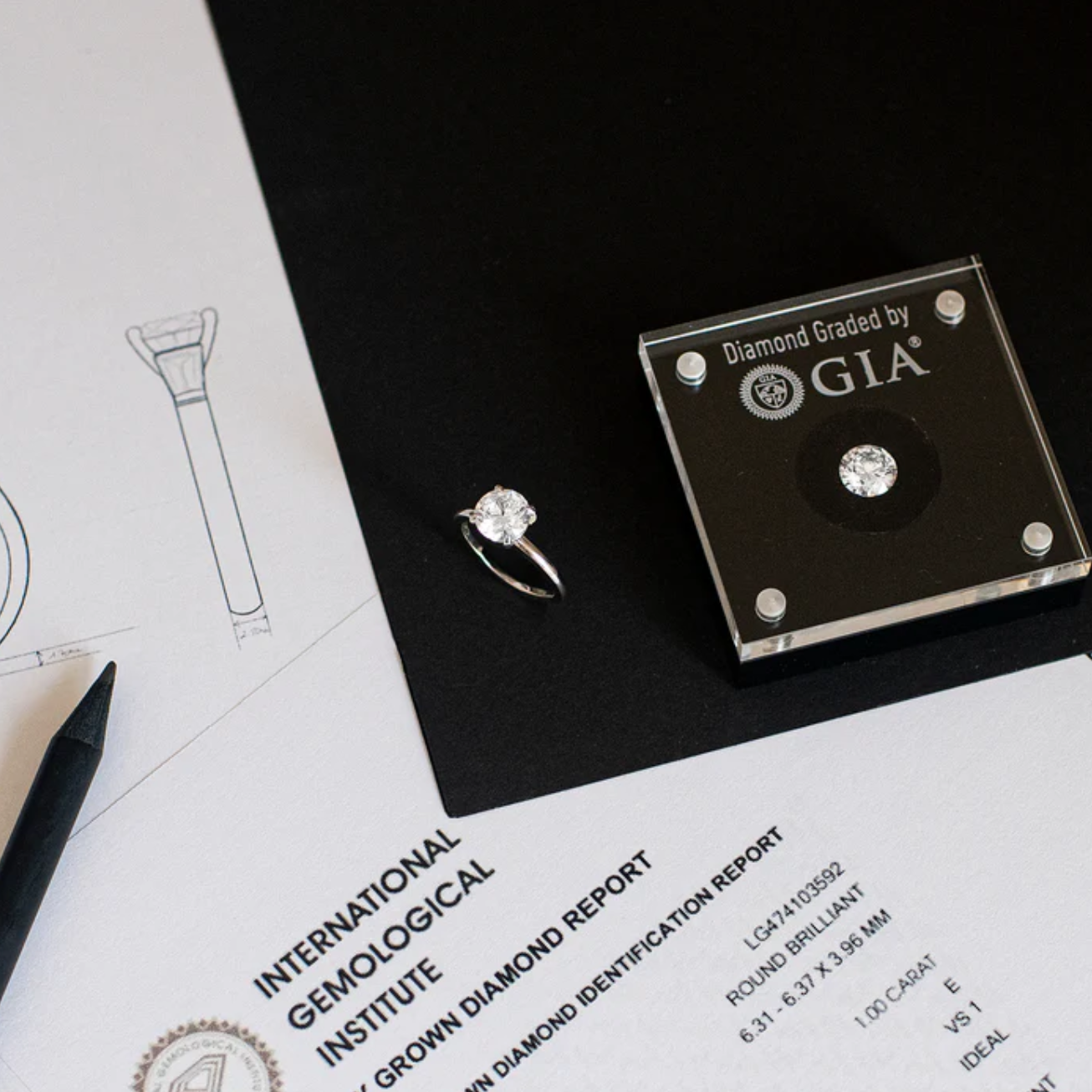
lab-grown diamonds are graded on exactly the same GIA 4C scale as mined diamonds. the grading criteria are identical because the material is identical — carbon in a crystal lattice structure, with the same optical properties and the same range of inclusions, color variations, and cut quality.
the practical difference: lab-grown diamonds are available at significantly lower price points than equivalent mined stones — typically 50–80% less for the same 4C grades. this means a buyer who would have considered an SI1 clarity, H color, 0.8ct mined stone can consider a VS1 clarity, F color, 1.2ct lab-grown stone at the same budget. the 4Cs stretch further.
at juwels & co, we use lab-grown diamonds across our diamond pieces — certified, graded stones selected for their individual character as much as their technical grades. we look for stones that perform well in the specific setting they'll inhabit, not just stones that score well on paper.
frequently asked questions
what are the 4Cs of diamonds?
which of the 4Cs matters most?
what is the best diamond color grade?
what diamond clarity grade should I buy?
does a higher carat diamond always look bigger?
are lab-grown diamonds graded on the same scale as mined diamonds?
what 4C grades does juwels & co use?
what is the difference between diamond cut and diamond shape?
diamonds chosen with intention.
lab-grown diamonds in solid 14k gold, handcrafted in los angeles. every stone selected for how it performs in its setting — not just how it grades on paper.


