

























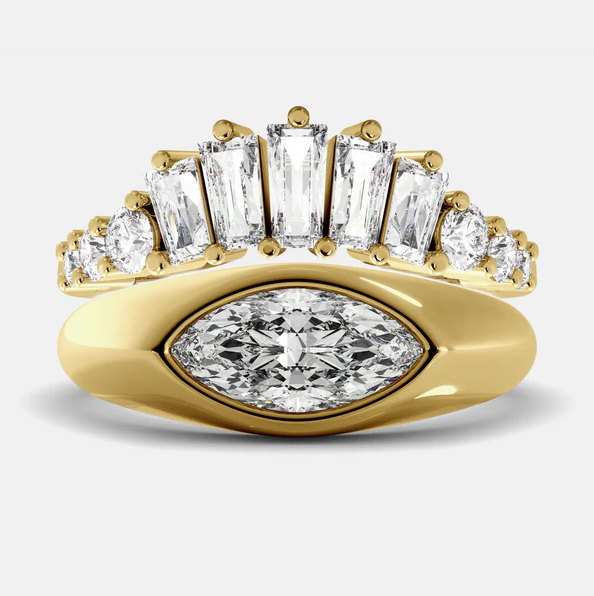

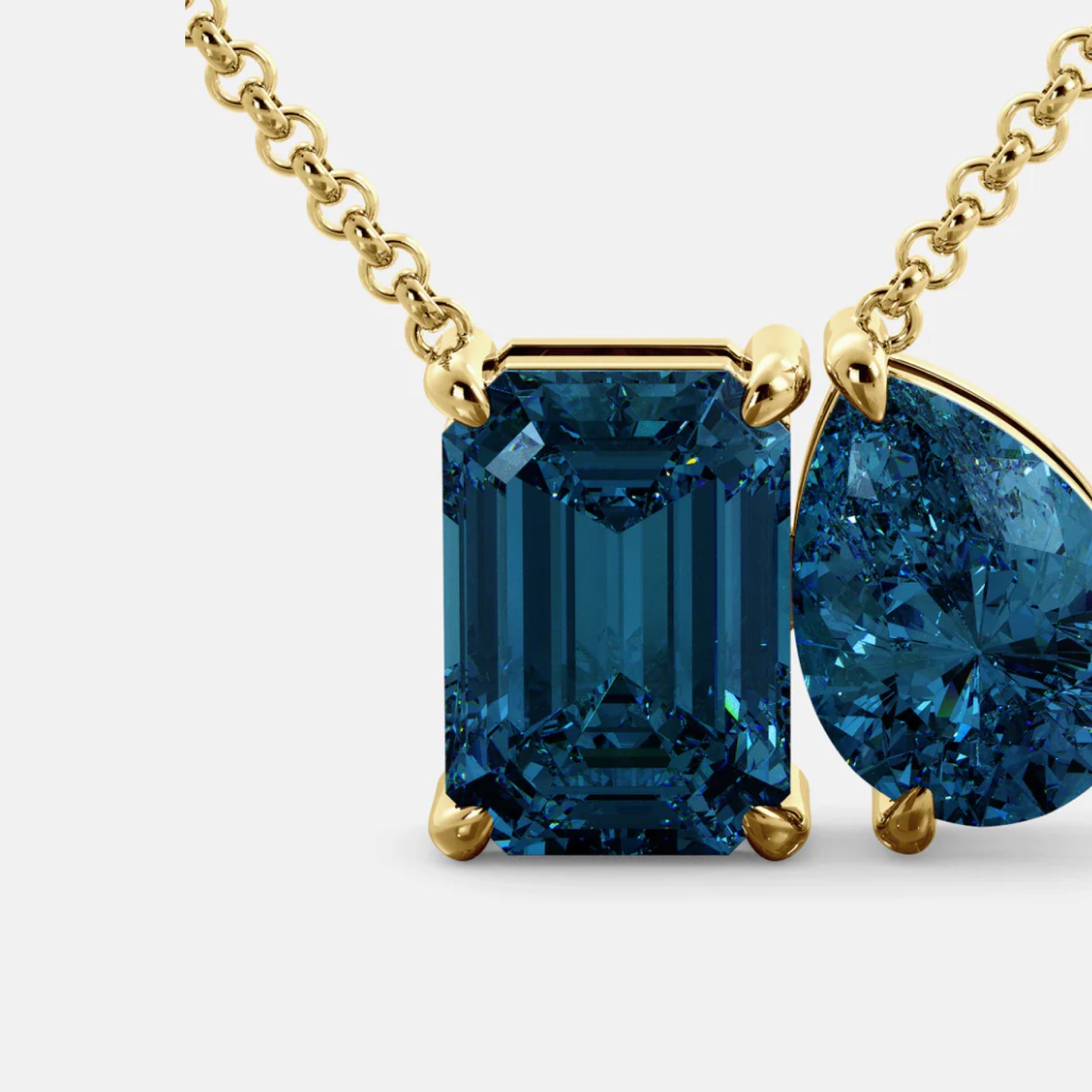

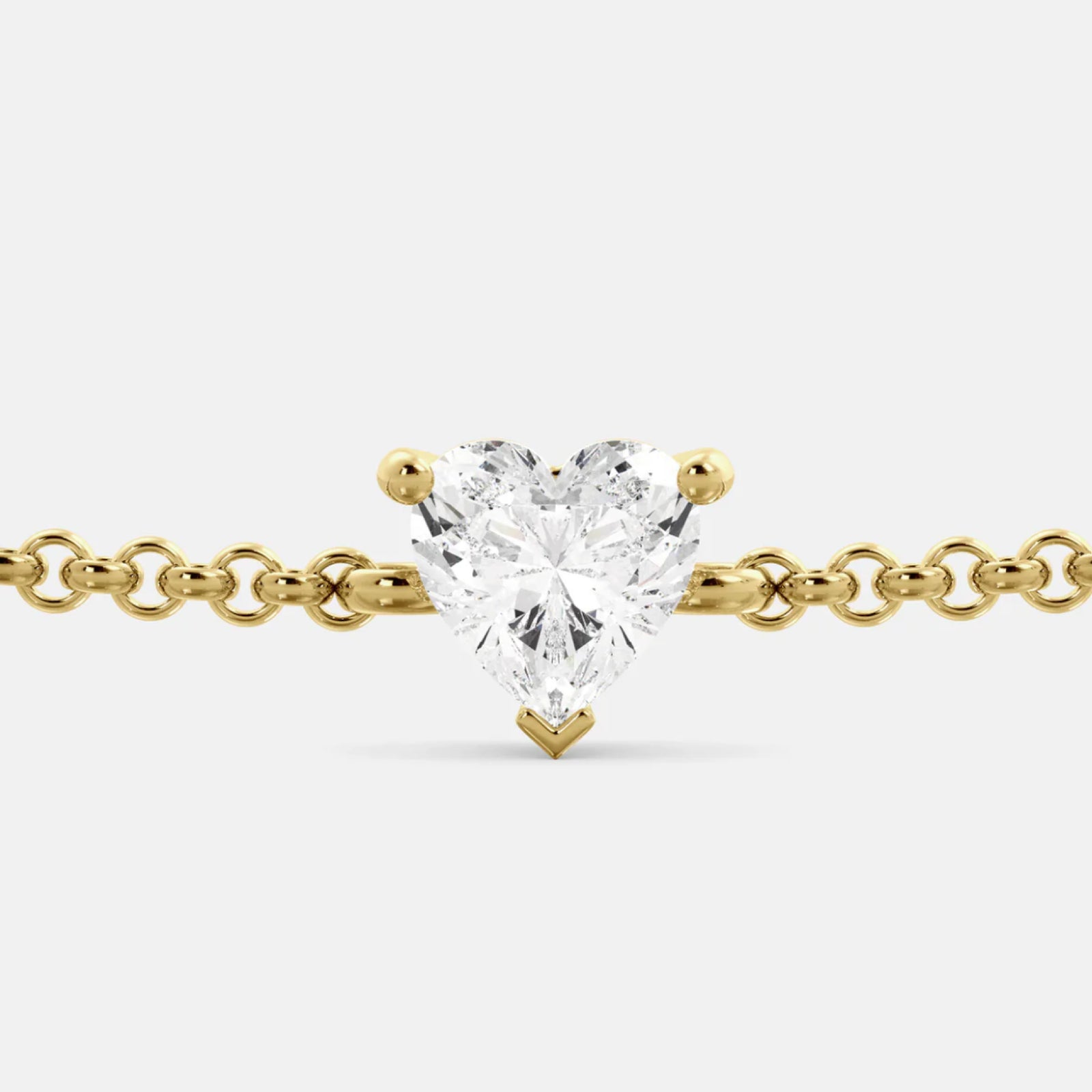

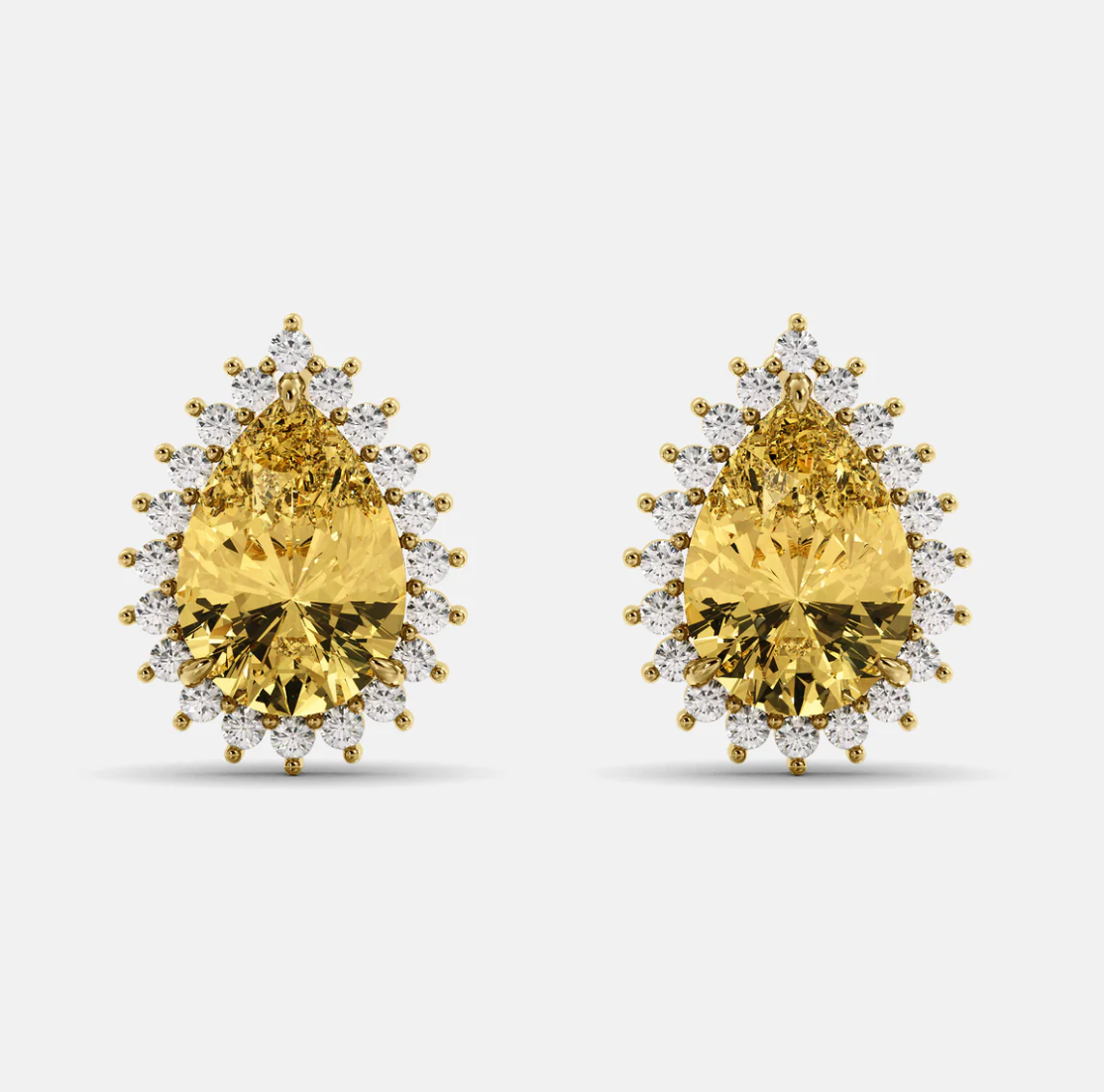

the short answer is no — but the reasons matter more than the rule. sweat, weights, and gym equipment are genuinely hard on fine jewelry in specific ways. here's what actually happens, which pieces are most at risk, and what to do if you've already been wearing yours.
most people who wear jewelry to the gym aren't thinking about damaging it. they put it on in the morning and it goes with them everywhere — to work, to coffee, to the gym, back home. the ring is just part of getting dressed.
that's understandable. but the gym is one of the environments where fine jewelry genuinely accumulates damage — not in a single session, but consistently over weeks and months. knowing what's actually happening helps you make an informed decision rather than following a rule without understanding why it exists.

what sweat does to fine jewelry
sweat is not neutral. it contains salt, lactic acid, urea, and trace amounts of other compounds that, with regular contact, affect the metals in fine jewelry in specific ways.
solid gold — whether 14k or 18k — is an alloy. pure 24k gold doesn't react with sweat, but pure gold is too soft for jewelry. 14k gold is 58.5% gold mixed with other metals: copper, silver, zinc, or palladium depending on the color. it's these alloy metals that react with the acids and salts in sweat.
- Surface dulling the most common effect of regular sweat exposure. a piece that should look bright starts to look flat. this is surface-level and can be reversed with cleaning, but left untreated it builds up and becomes harder to remove without professional polishing.
- Discoloration on rose gold rose gold has a higher copper content than yellow or white gold — copper is what gives it its warm pink tone. copper is also what reacts most visibly with sweat. rose gold worn regularly to the gym will show discoloration sooner than yellow or white gold pieces.
- Skin irritation and reactions when sweat sits between skin and metal for an extended period, it can cause irritation — particularly in people with sensitivity to nickel, which is present in some gold alloys. this presents as redness, itching, or a rash beneath the jewelry. if this happens consistently, the piece may need to come off during physical activity.
- Buildup in settings sweat, combined with skin oils and particles from gym equipment, accumulates in the recessed areas around settings and under stones. this dulls the appearance of gemstones from below and can eventually be difficult to clean without professional tools.
physical damage — weights and equipment
sweat affects the surface and finish of jewelry over time. physical contact with gym equipment creates immediate, visible damage.
- Scratches from weights and bars gripping a barbell, dumbbell, or kettlebell presses metal against metal. gold is relatively soft — 14k gold sits at around 3–4 on the Mohs hardness scale. steel equipment scratches it easily. a single heavy lifting session can leave deep scratches on a ring that would require professional polishing to remove.
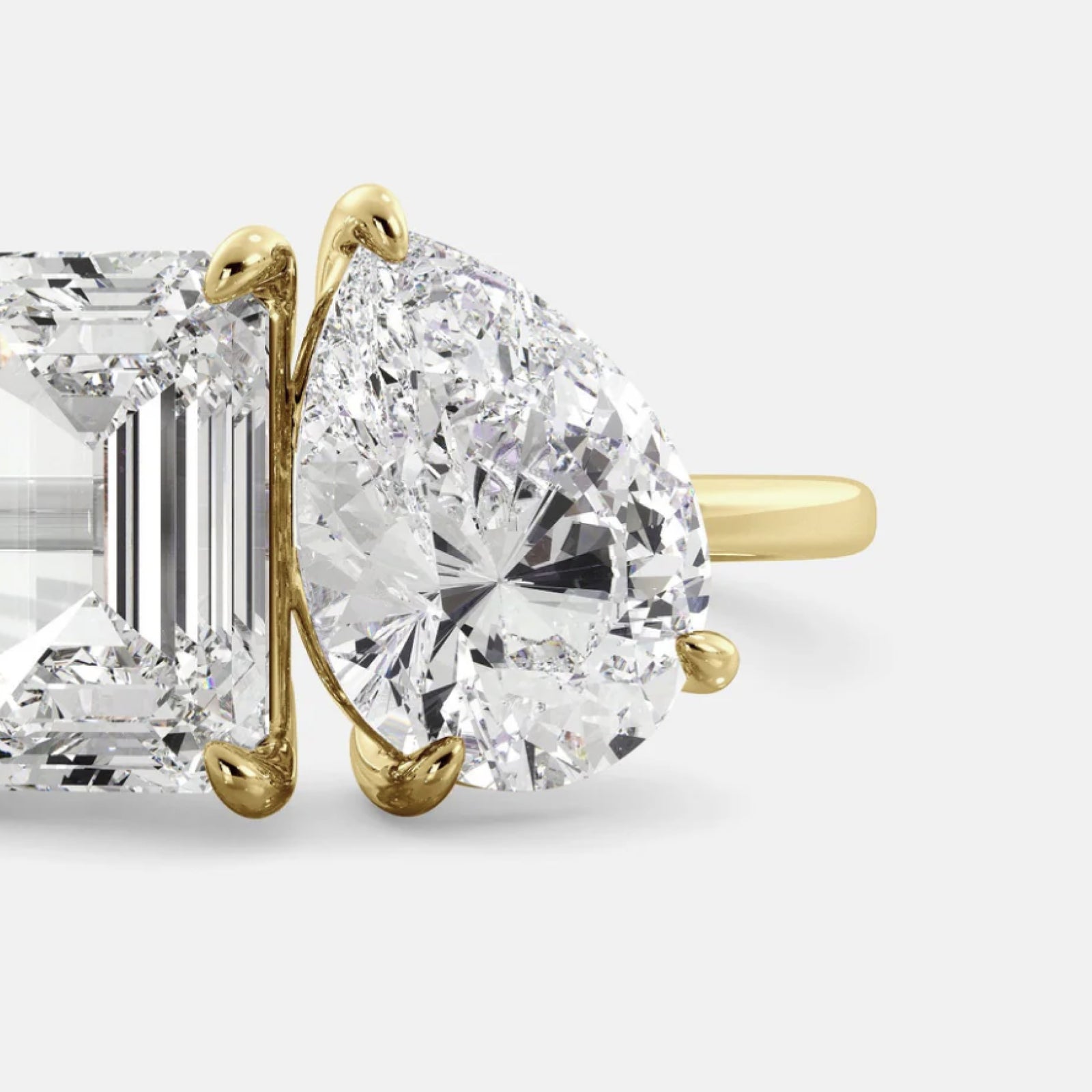
- Bent or deformed settings the force involved in gripping and lifting can deform prongs and settings — sometimes visibly, sometimes in small ways that aren't noticeable until a stone starts to move. prongs bent inward or outward no longer hold stones correctly, creating a loss risk that isn't obvious until the stone is already gone.
- Loose or chipped stones impact — dropping a weight, catching a barbell, a sudden jar — can loosen stones in their settings or chip more brittle gemstones at their edges. diamonds are extremely hard but not unbreakable; sapphires and rubies are similarly durable but can chip from a sharp impact at the right angle. softer stones (morganite, opal, emerald) are more vulnerable.
- Necklaces snagging and breaking chains catch on equipment, clothing, and sometimes other people during classes or partner workouts. the clasp is usually the weakest point; a single sharp pull can break it. longer or heavier pendants increase the risk. even a fine, thin chain that survives multiple sessions will eventually show stretched or weak links from the repeated tension of movement.
the safety case — ring avulsion
the jewelry damage reasons are about protecting a piece. this one is about protecting you.
ring avulsion is an injury that occurs when a ring gets caught on something — a weight, a machine handle, a pull-up bar — and is forcibly pulled along the finger while the finger stays behind. the result is severe soft tissue damage: tendons, nerves, and blood vessels stripped from the finger, sometimes requiring amputation.
it sounds extreme. it isn't rare. it's a documented occupational and sports injury with a consistent mechanism: a ring, a fixed or moving object, and force applied in the wrong direction at the wrong moment.
the activities that create the highest risk: pull-ups and bar work, heavy barbell lifting, climbing, kettlebell swings, and any exercise where a hand grips a fixed object under significant load. for these specifically, removing rings is not a stylistic preference — it's a safety recommendation.
for home workouts involving yoga, stretching, or light bodyweight exercise, the risk is considerably lower. the principle is the same — remove rings before any activity involving a grip on equipment — but the urgency is different.
by piece — rings, necklaces, earrings
Rings
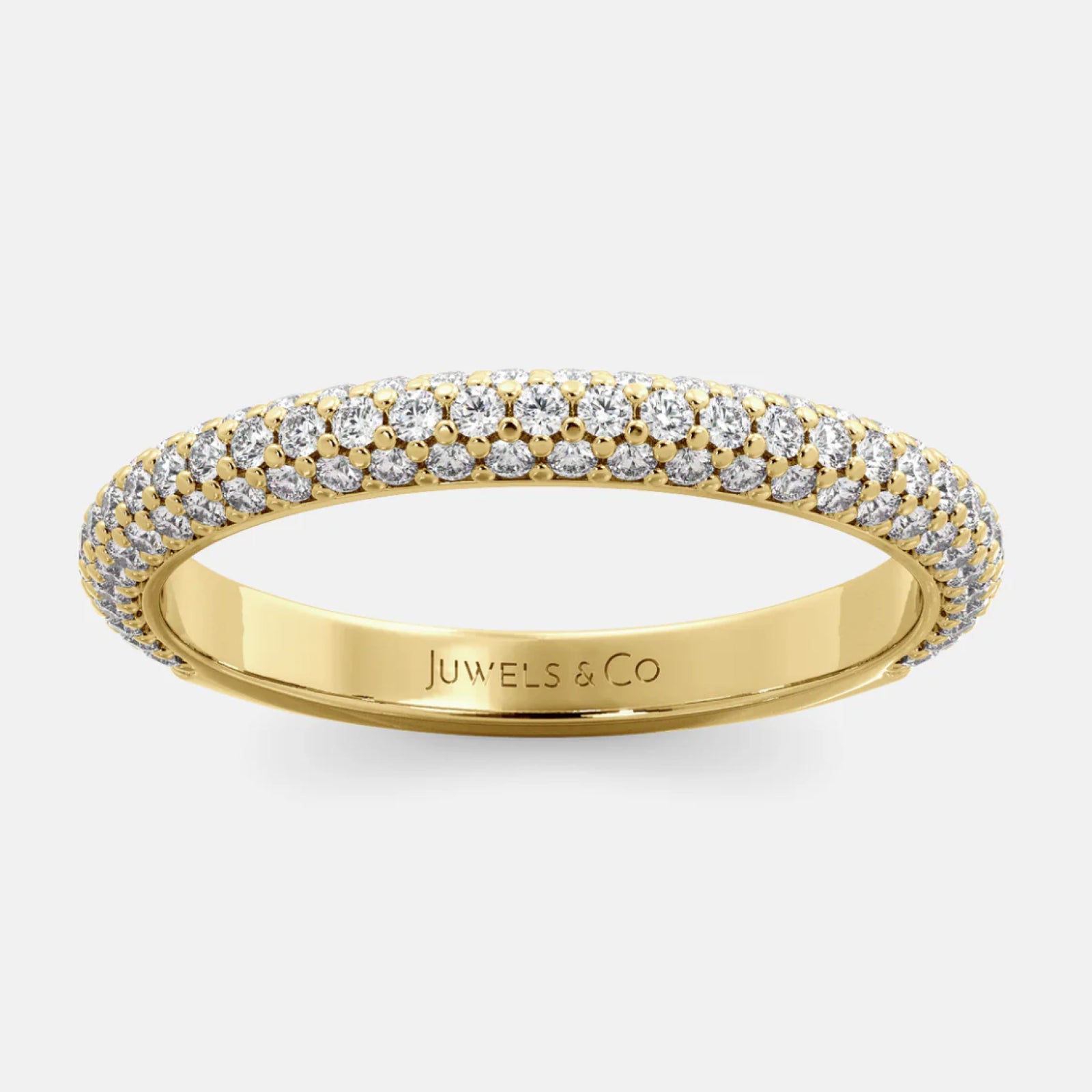
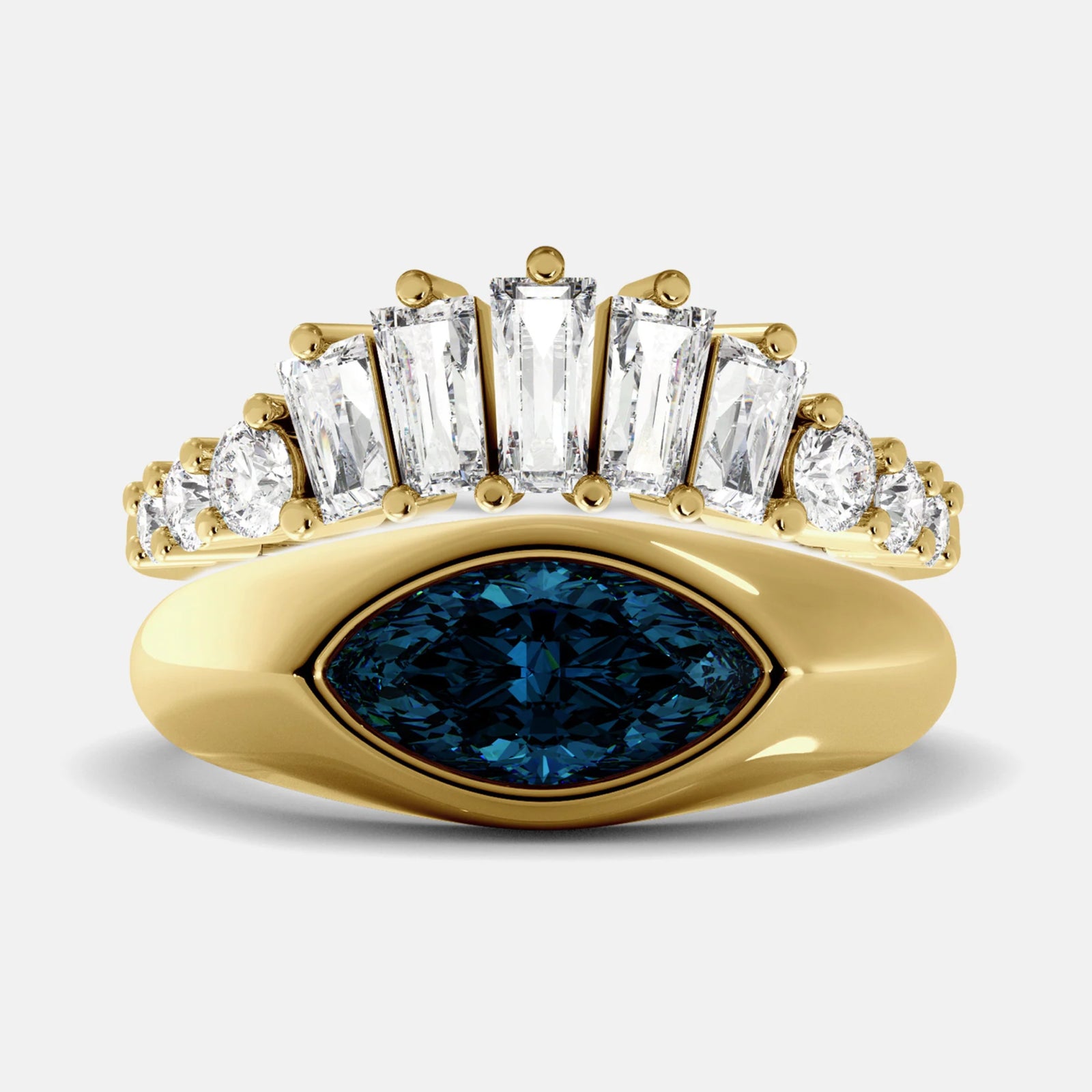
the highest risk piece for the gym, for both physical damage and personal safety. rings are in direct contact with every piece of equipment you touch. they accumulate sweat underneath the band, collect impact damage on the setting, and carry the avulsion risk. for any workout involving weights or bar work: remove.
Necklaces
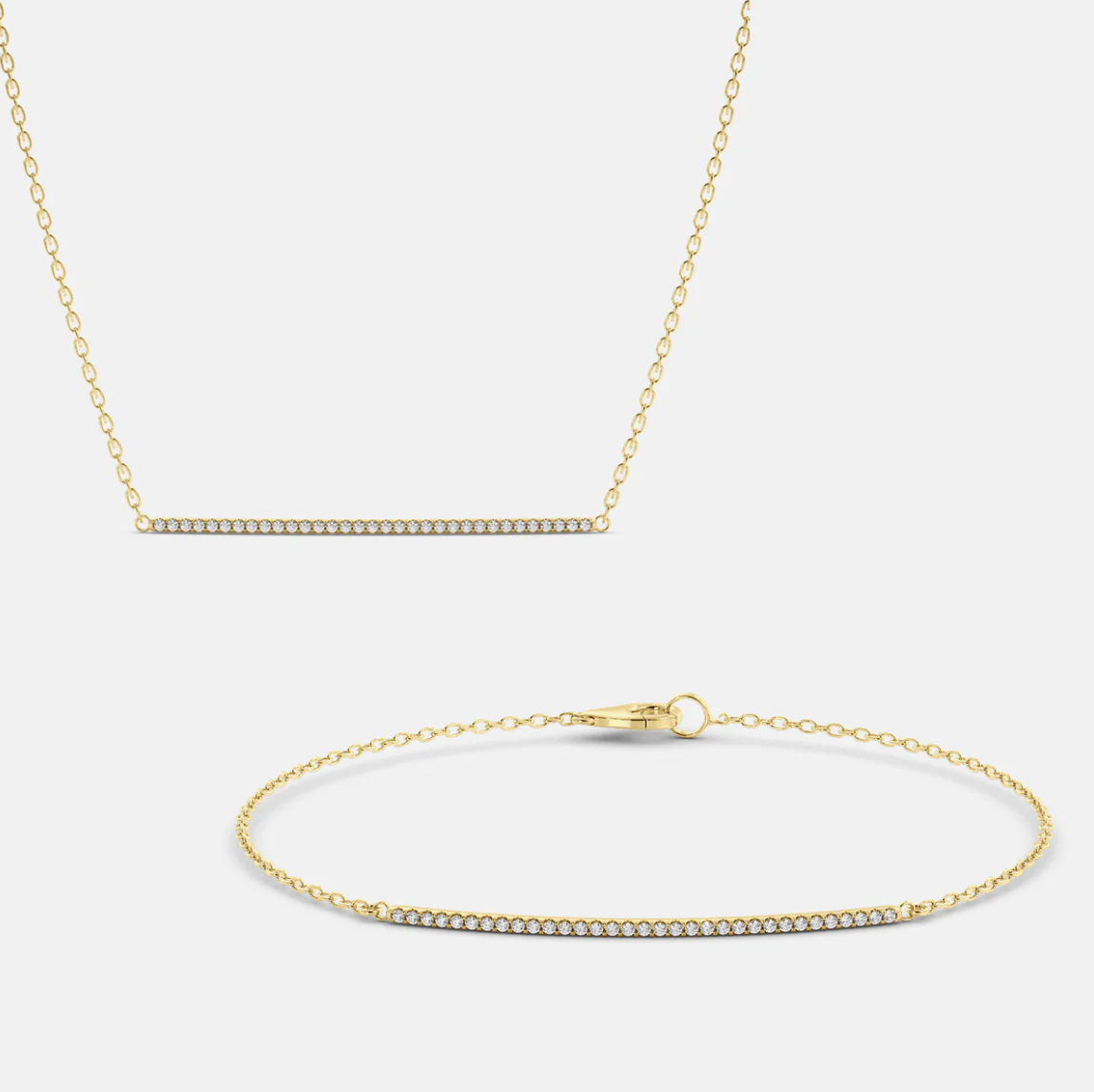
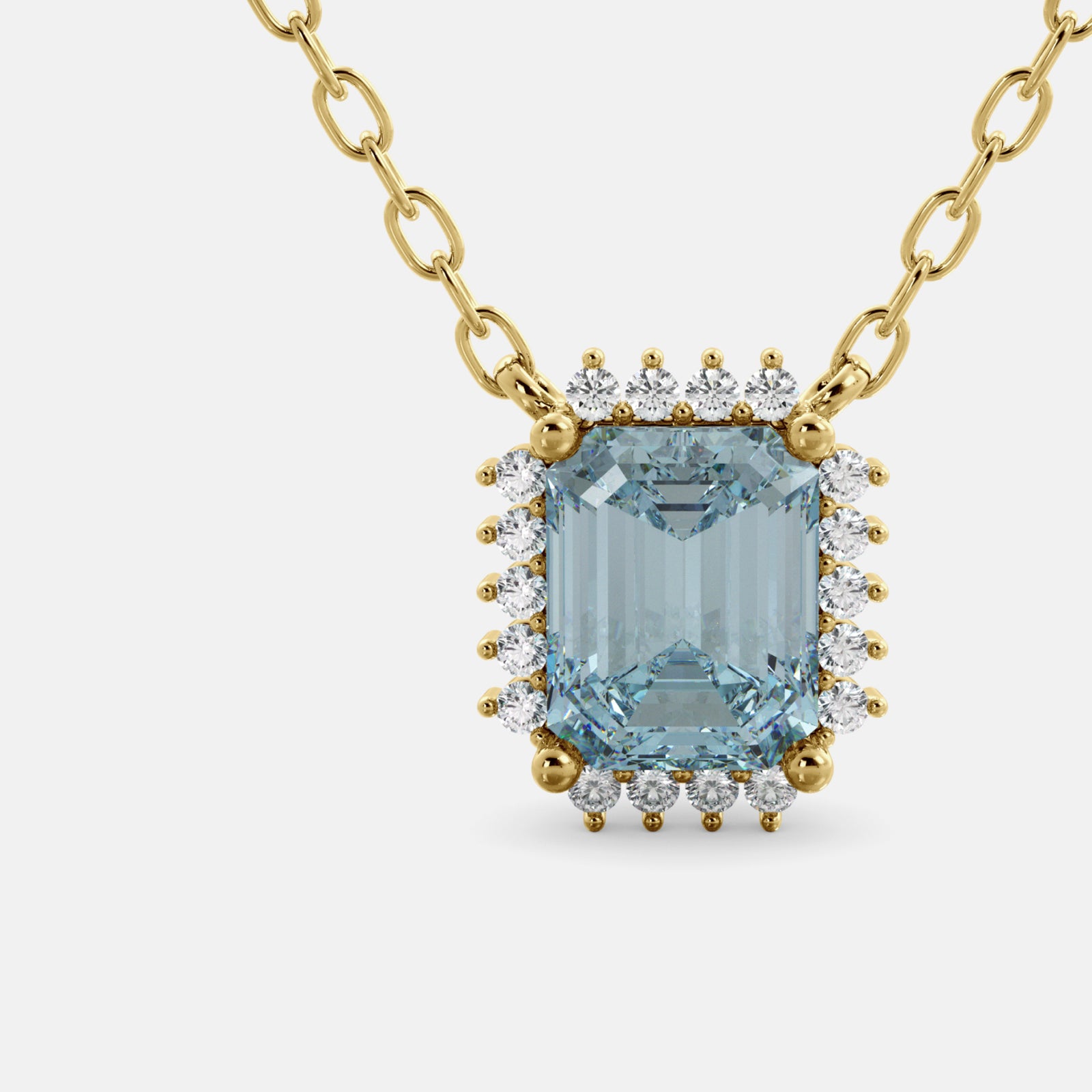
chains are vulnerable to snagging, stretching, and clasp failure during any dynamic movement — running, jumping, HIIT, or classes with unpredictable movement patterns. short, fitted chains carry lower risk than longer pendant necklaces. for any high-intensity or partner workout: remove. for low-intensity steady-state cardio (walking, cycling), a short fitted chain is lower risk but still accumulates sweat at the skin surface.
Earrings
small studs are the lowest-risk jewelry to wear during exercise. they don't move, don't snag, and don't contact equipment. the concern with studs is sweat accumulation at the back of the ear, which can irritate new or sensitive piercings — worth monitoring if you wear them consistently during workouts.
hoops and dangling earrings are a different category. they can catch on clothing, hair, or another person during contact or group exercise. for any activity with movement, lateral head turns, or physical contact: remove hoops and dangles.
Bracelets
similar risk profile to rings — direct contact with equipment, accumulate sweat under the band, and can snag during certain movements. tennis bracelets and delicate chain bracelets are particularly vulnerable to clasp stress and stone loosening from grip-heavy exercise. remove for any weight training or equipment-based workout.
if you do wear jewelry to the gym
the recommendation is clear. but if you forget, or if you choose to wear a piece anyway, a few things help minimise the damage.
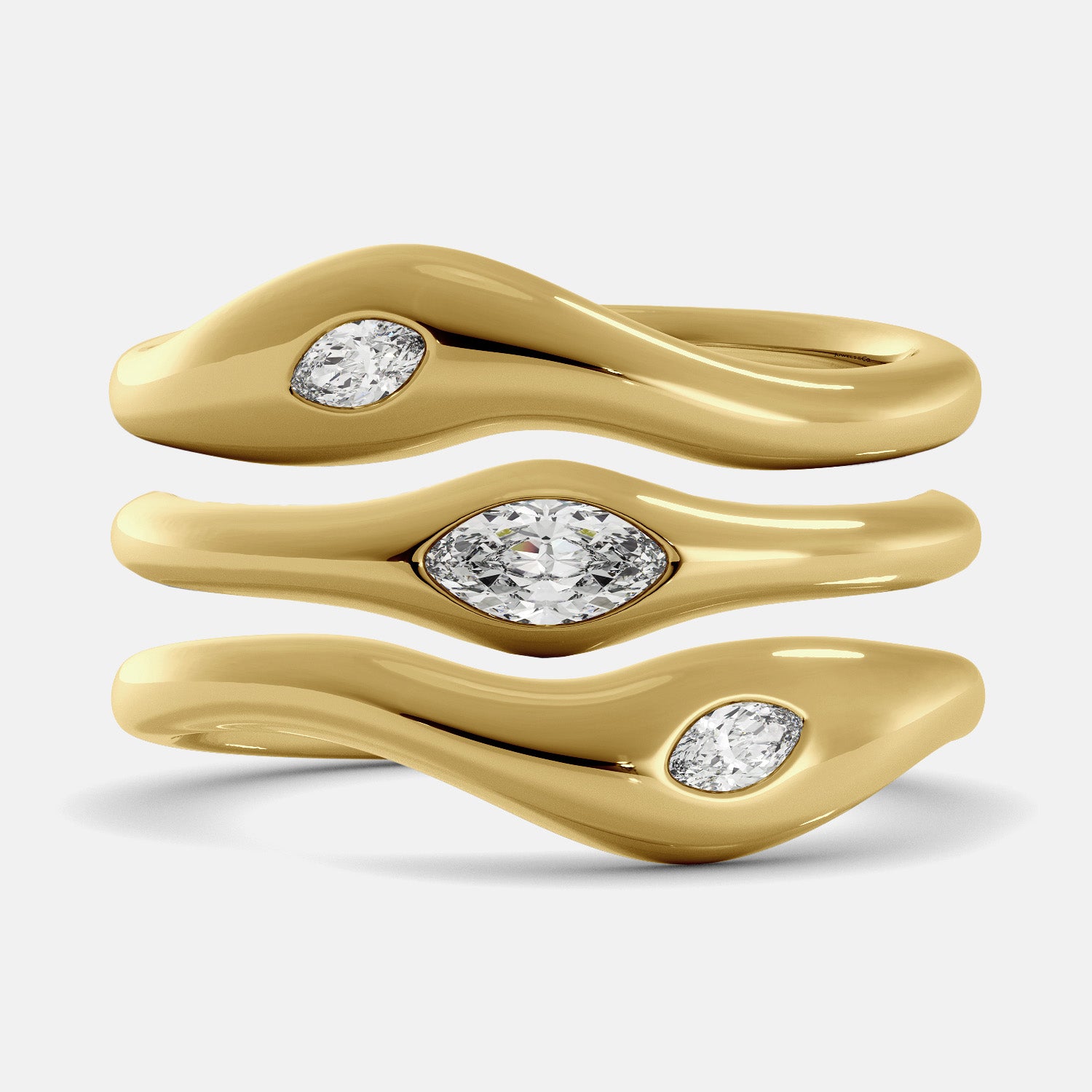
- Choose plain bands over set pieces a smooth, plain gold band with no settings or prongs has far less surface area for sweat to accumulate, fewer structural vulnerabilities, and nothing to snag. if you want to wear something during exercise, a simple band is the most durable choice.
- Avoid rings during grip-heavy exercises if you wear a ring on a run or to yoga, the risk is low. if you keep it on for barbell work, pull-ups, or kettlebell training, the risk to both the piece and your finger rises significantly. even if you wear jewelry for lower-intensity portions of a workout, remove rings before any grip-intensive exercise.
- Rinse immediately after the sooner sweat is rinsed off fine jewelry, the less time the acids and salts have to react with the metal. a quick rinse in clean water immediately after a workout significantly reduces the cumulative effect of regular sweat exposure.
care after a workout
for pieces worn regularly during exercise — or for any piece that's accumulated the effects of daily wear — consistent home care makes a significant difference.
The basic clean
warm water, a small drop of mild dish soap, a soft brush (a clean soft-bristled toothbrush works well) used gently around settings and prongs, a thorough rinse, and careful drying with a soft lint-free cloth. don't air dry — water left sitting in settings deposits minerals that build up over time. this takes about two minutes and, done regularly, keeps pieces looking genuinely well-maintained.
Check the settings
after any workout where a ring was worn — particularly one involving gripping equipment — press each stone gently side to side. no movement should be felt. any rocking or clicking means a prong has been compromised and the piece needs attention before it's worn again. a loose stone found early is repaired; a loose stone found after it's fallen out is not.
When to seek a professional clean
pieces worn daily to the gym benefit from a professional clean and setting check every 6–12 months. this addresses the buildup that home cleaning doesn't fully reach, restores the polish to gold and gemstone surfaces, and catches any setting wear before it becomes a problem. at juwels & co, we're always happy to advise on the right care for any piece in our collection — reach out at hello@juwels.co.
frequently asked questions
should you wear jewelry to the gym?
can you wear a gold ring to the gym?
what is ring avulsion and how serious is it?
does sweat damage gold jewelry?
can you wear a necklace to the gym?
is it okay to wear earrings at the gym?
how do I clean gold jewelry after a workout?
what jewelry is safe to wear during exercise?
pieces built to last — with the right care.
solid 14k gold, handcrafted in los angeles. questions about caring for a specific piece or how to clean after daily wear? we're here.


