





























two names, one diamond
the trade calls it old mine cut. the lab report calls it something else. both are right.
We're in the middle of building a custom piece right now, set with a diamond that reads, at a glance, as a classic old mine cut — soft, warm, a little irregular in the most intentional way. The IGI report for that same stone lists it as a Cushion Brilliant. Both descriptions are accurate. They're just answering two different questions.
This mix-up comes up more than you'd think, especially now that vintage-style cuts are back in circulation — including, reportedly, in Taylor Swift's own engagement ring. Here's what's actually going on, using the stone from our current custom project as the real example.
What Old Mine Cut Actually Means
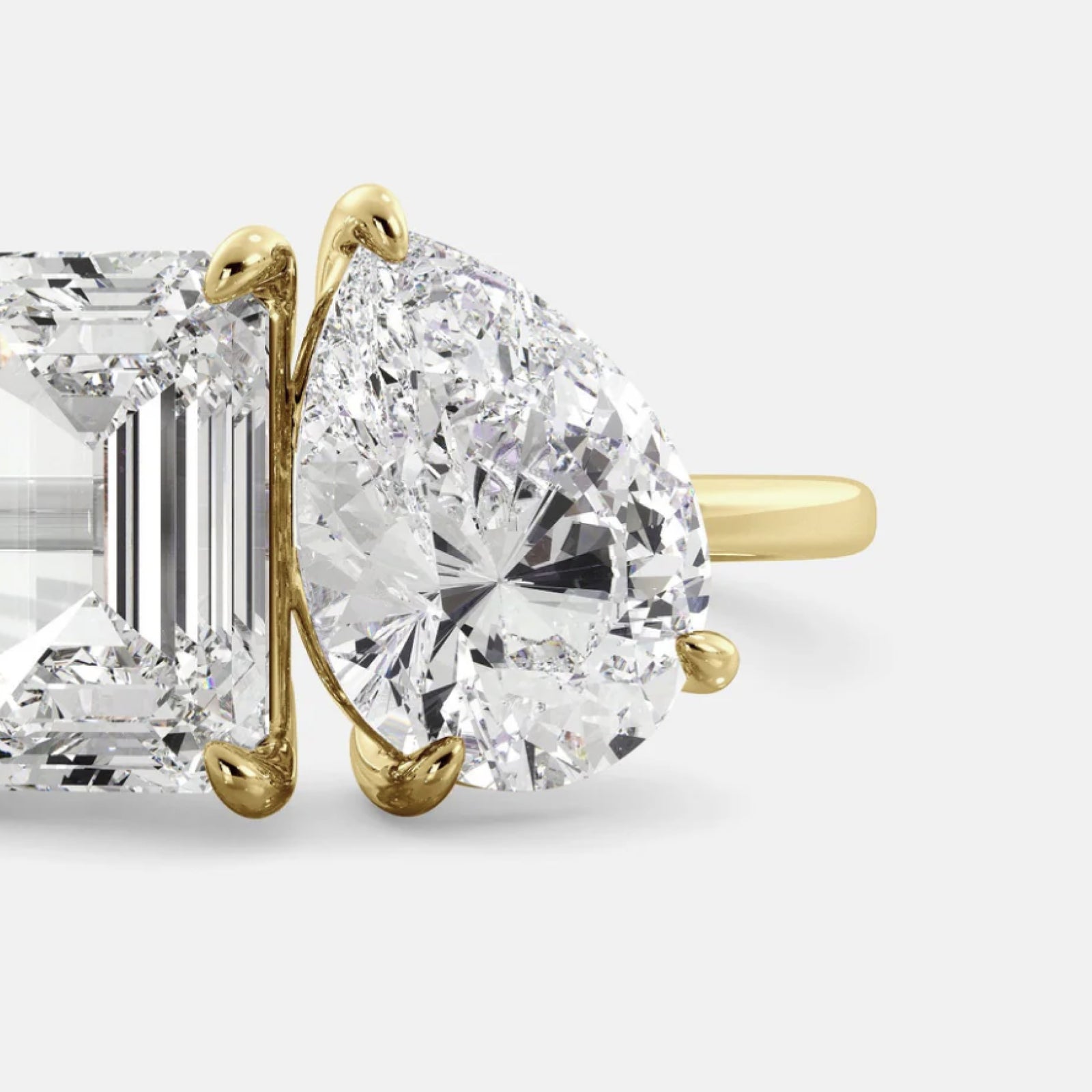
Old mine cut is a historical term, not a modern one. It describes how diamonds were faceted roughly from the 1830s through the early 1900s, cut by hand and judged by candlelight rather than by machine and daylight. The result has a distinct character: a squarish outline with softly rounded corners, a noticeably high crown, a small table, and a large culet — sometimes open enough to look like a tiny window at the bottom of the stone. Facets are fewer and less uniform than a modern cut, which is exactly why the light moves through an old mine cut diamond differently — warmer, softer, less of the sharp, mirrored flash you get from a modern round brilliant.
The important thing to hold onto: old mine cut isn't a shape on its own. It's a faceting style, applied to what modern grading calls a cushion shape — a rounded square or rectangle. The old mine cut is, in a real sense, the original cushion cut. Everything sold today as "cushion" descends from it.
It's also having a real moment again. Vintage and antique-style cuts have been showing up across engagement rings and fine jewelry for the past couple of years, and old mine cut specifically is part of that — people wanting a stone with warmth and history to it, rather than the maximum-brilliance cut that's dominated the last few decades. That renewed interest is exactly why the report-versus-trade-term question comes up so often right now.
Why Your Report Says Cushion Brilliant Instead
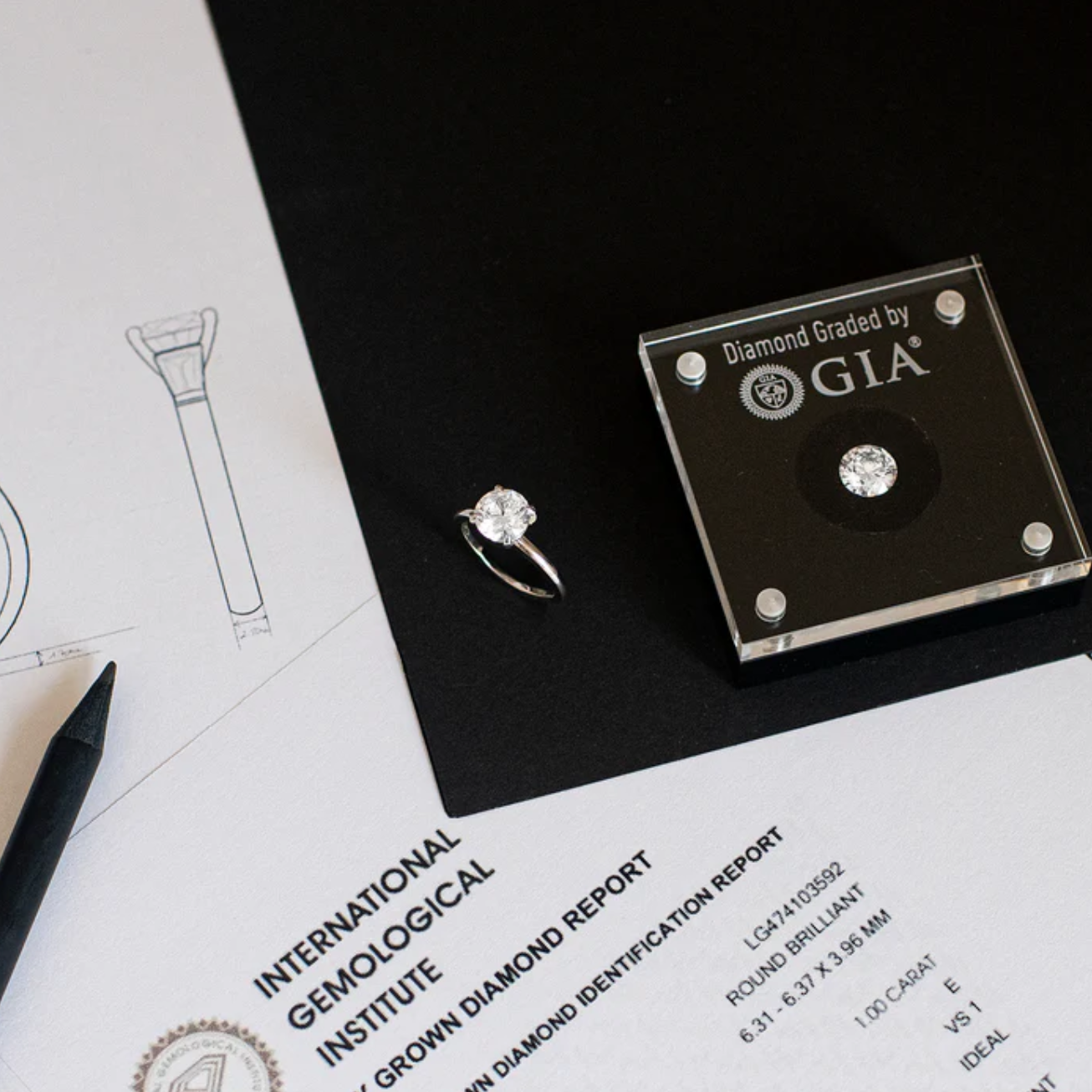
Labs like GIA and IGI grade diamonds against a fixed, standardized list of shape and cut classifications — Round, Cushion Brilliant, Cushion Modified Brilliant, Oval, Emerald, Radiant, and so on. "Old mine cut" isn't one of the options on that list. It's a trade and historical term, used by jewelers, appraisers, and auction houses to describe a specific antique faceting style — not a formal grading category a lab report is built to check.
So when a diamond with that rounded-square, high-crown, big-culet character gets graded, the lab places it in the closest standard category available: almost always Cushion Brilliant or Cushion Modified Brilliant, depending on the exact facet arrangement. That's not the lab contradicting the old mine cut description. It's the lab answering a different question — "which of our standard categories does this shape belong to" — rather than "what historical style was this diamond cut in."
This shows up constantly with new diamonds that are deliberately cut in the old-mine style, rather than reclaimed antique stones. The cutter is recreating a 19th-century look on a diamond mined and cut today. The report reflects the modern shape classification, because that's what the report is for. The old mine cut description reflects the faceting style, because that's what the trade language is for. A single diamond carries both, honestly.
The Diamond Behind Our Current Custom Piece
We're currently building a one-of-a-kind piece through custom design, set with a diamond that has exactly this character — the high crown, the softened outline, the warmer, quieter sparkle people associate with old mine cut stones. Its IGI report lists it as a Cushion Brilliant, for the reasons above. In the trade, and in how we talk about it with the client, it's an old mine cut–style diamond. Both are the same stone.
Because every Juwels & Co custom piece is built from a real stone Julia sources and confirms with the client before any work begins, questions like this one come up often — and they're worth answering plainly rather than glossing over. A diamond doesn't need its report and its trade description to match word-for-word to be exactly what it was chosen to be.
It's a common reason to choose a newly cut old-mine-style stone over sourcing a genuinely antique one: the warmer, softer character people are drawn to, paired with a current, fully confirmed report rather than the unknowns that can come with a much older stone's history and condition.
Taylor Swift's Engagement Ring, the Same Story
Taylor Swift's engagement ring from Travis Kelce — designed by Kindred Lubeck, set in yellow gold, and widely estimated between $250,000 and $550,000 — has been described by multiple outlets as an elongated old mine cut diamond. It's a good example of exactly what this guide is about: a diamond chosen and talked about, publicly, in the language of its historical cutting style, which is a separate thing from whatever shape category its own paperwork uses.
That's not a contradiction, and it's not a red flag on either description. It's the same distinction running through this entire guide, just on a much more photographed ring. If you're curious about the rest of her jewelry from that year, we've also covered what she wore for her wedding band.
Getting One Made for You
Every piece works this way — see how to order custom jewelry for the full process, or start directly on the custom design page.
A Few Things to Get Right
frequently asked questions
what does old mine cut mean?
why does my old mine cut diamond say cushion brilliant on the report?
is old mine cut the same as cushion cut?
is old mine cut the same as old european cut?
can you get a new diamond cut in the old mine style?
what cut is taylor swift's engagement ring?
a stone with a history
built into something new
every custom piece starts with a real stone julia sources and confirms with you, handcrafted in our los angeles studio.
start a custom design → see how custom orders work →


