

























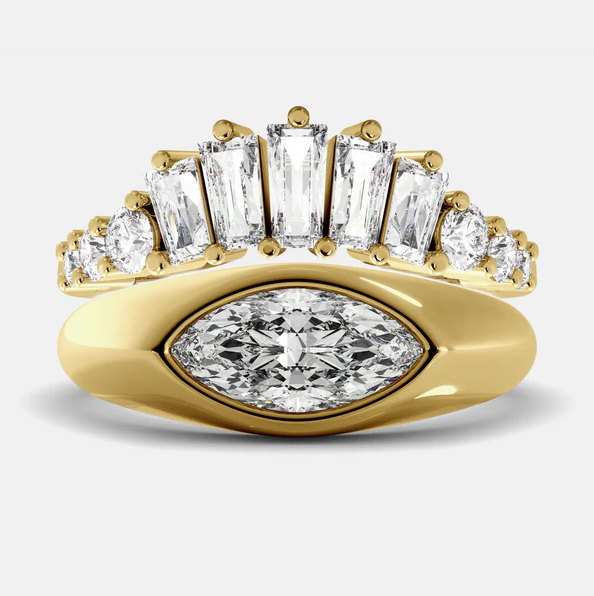

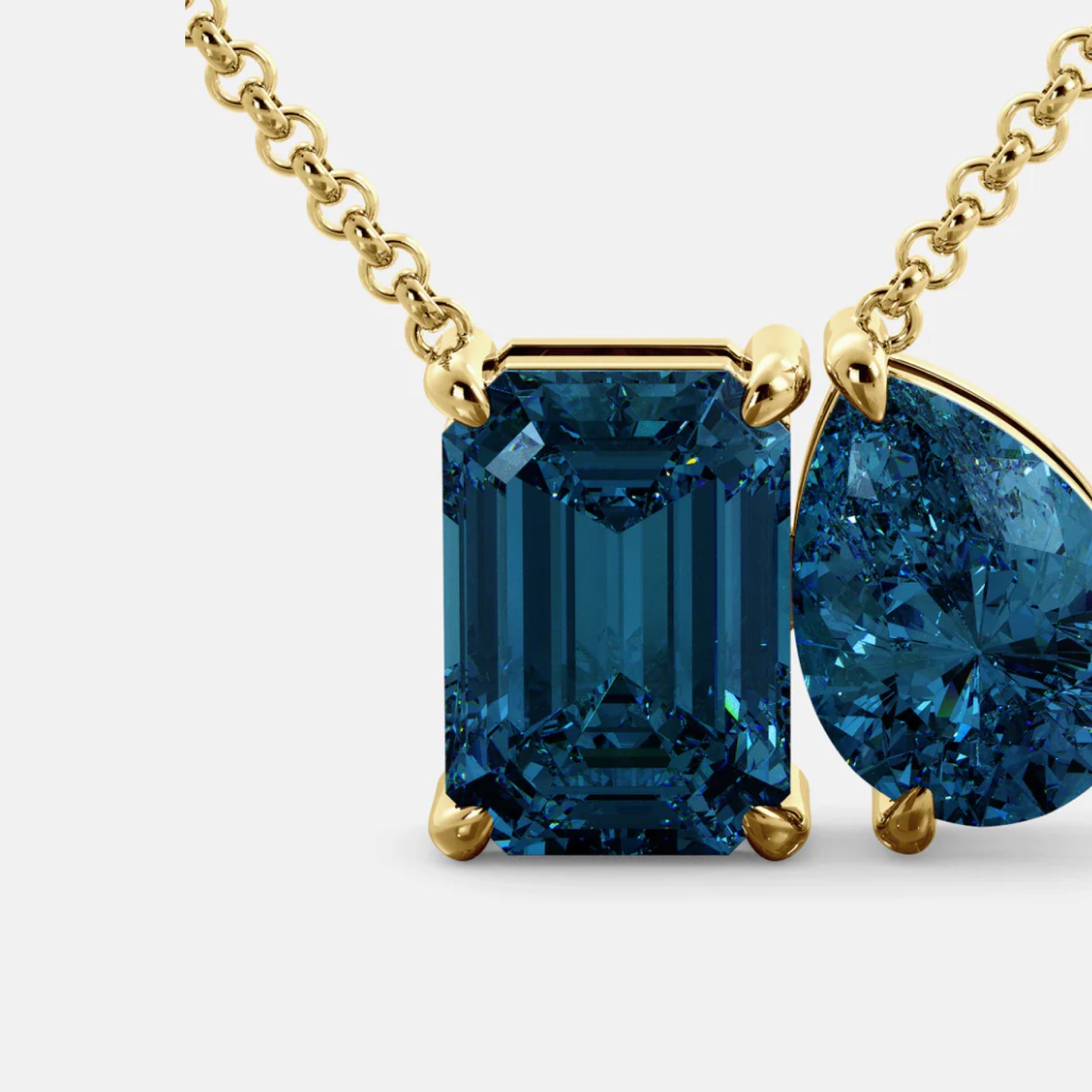



a ring stack that looks intentional isn't the result of buying more rings — it's the result of understanding proportion, contrast, and which piece leads. here's how to build one from scratch, and how to add to a stack you already have.
stacking rings is one of the most personal forms of jewelry styling — and one of the most frequently overthought. the instinct when building a stack is often to add more. the principle that actually works is to add with intention.
a good stack reads as a composition: a lead piece, supporting pieces, and deliberate space. here's how to build that.

start with an anchor ring
every stack needs one piece that establishes the tone — a ring with enough presence to be clearly "the lead." everything else is built in relation to it.
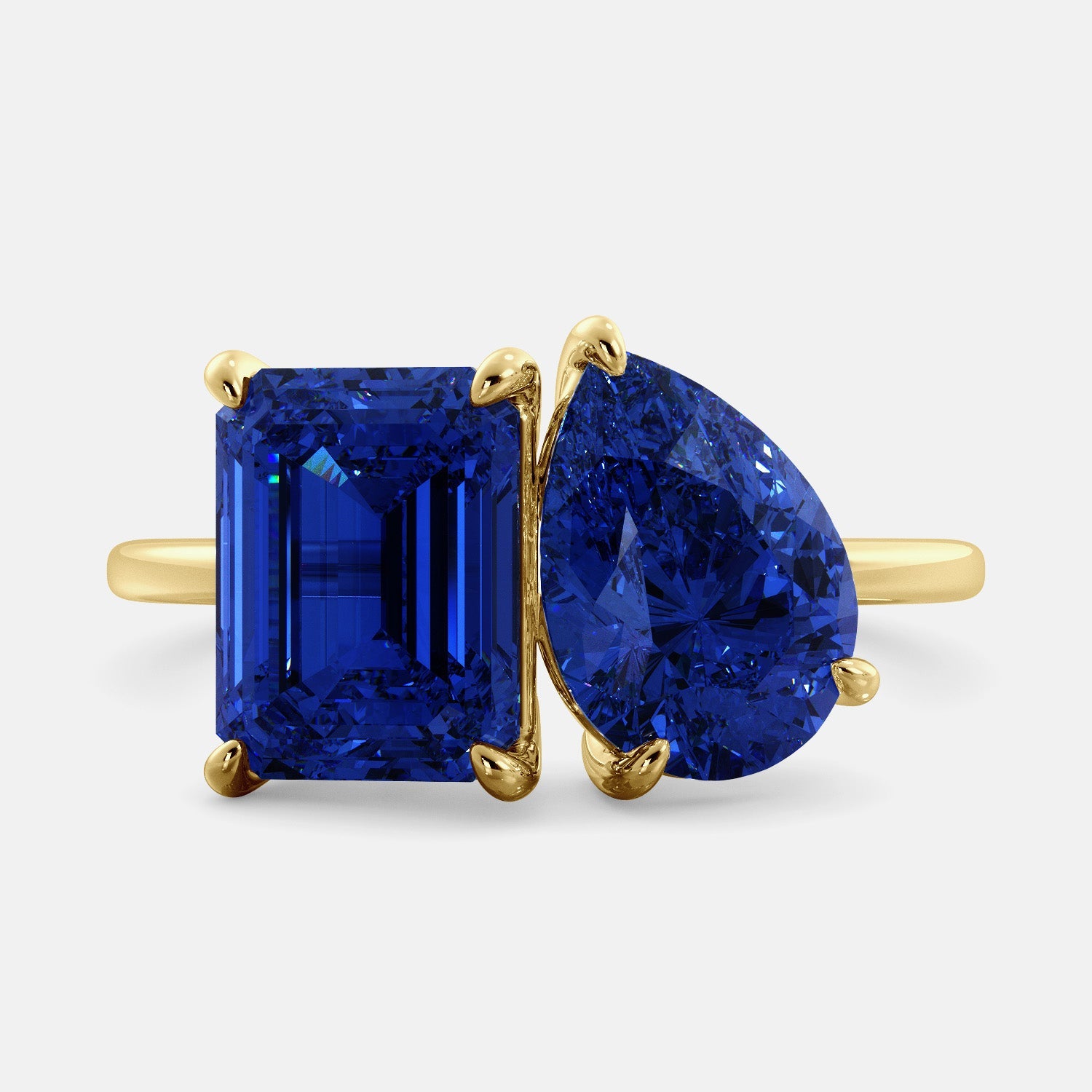
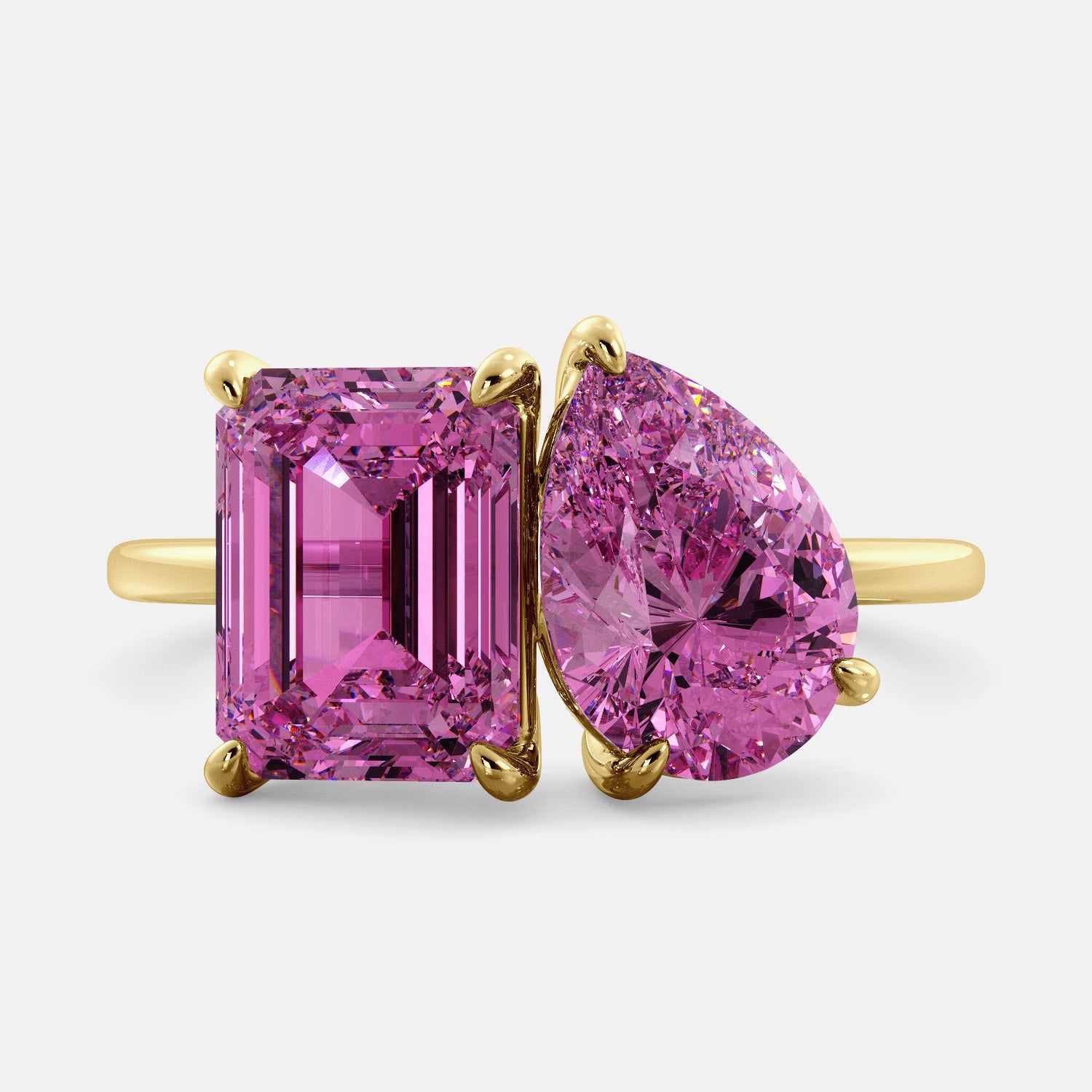
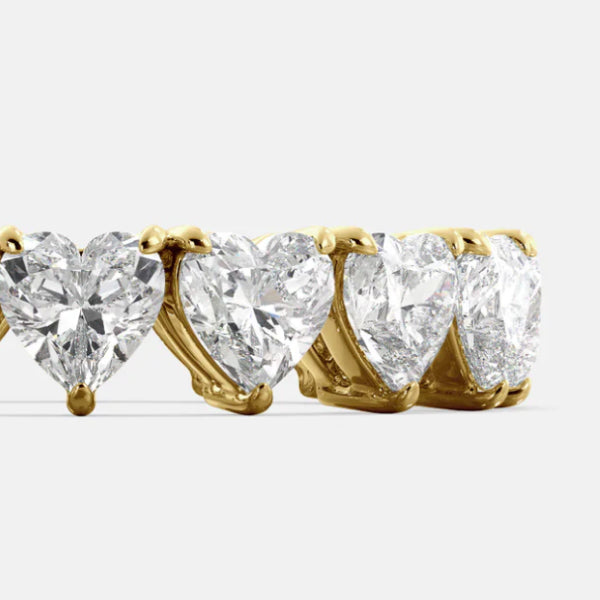
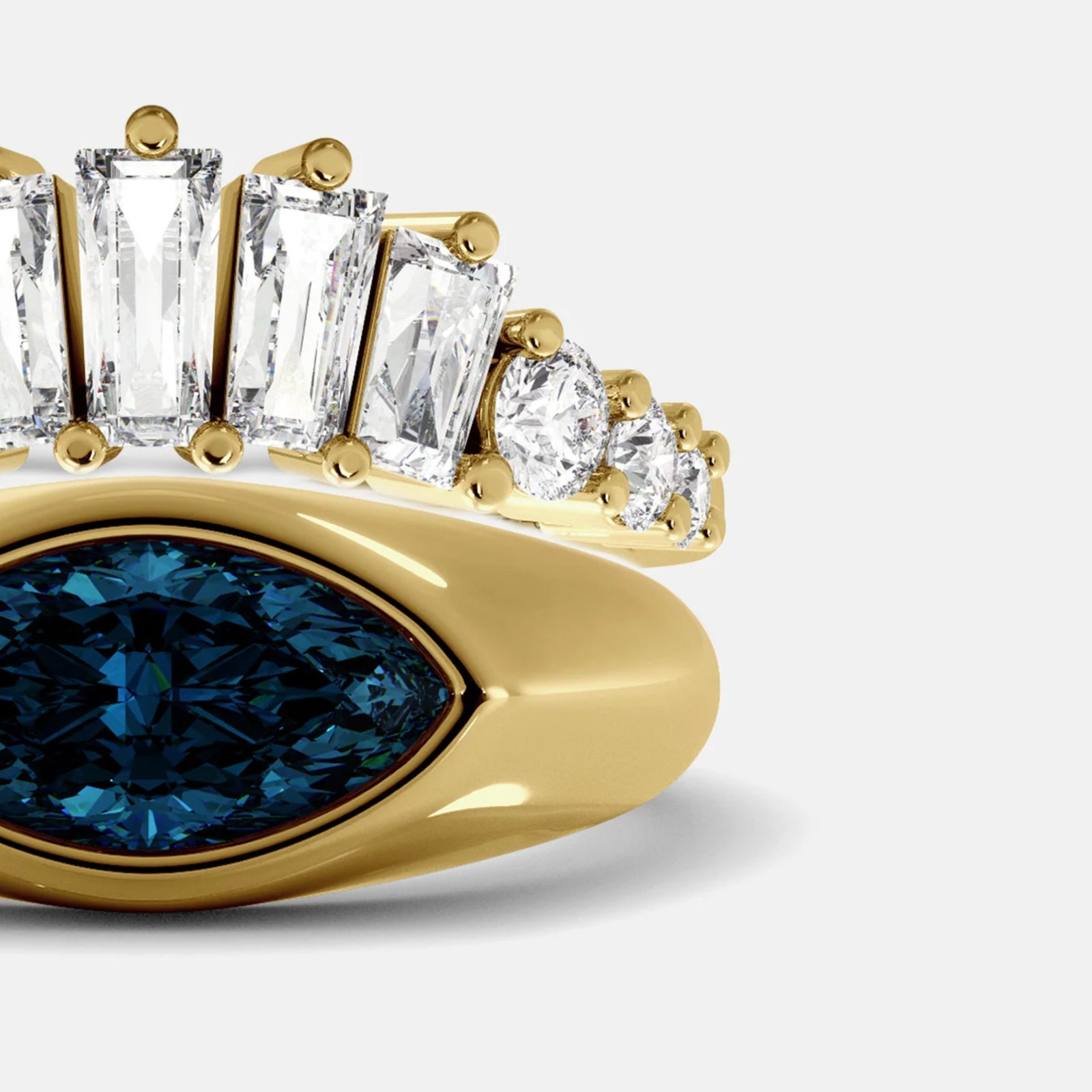
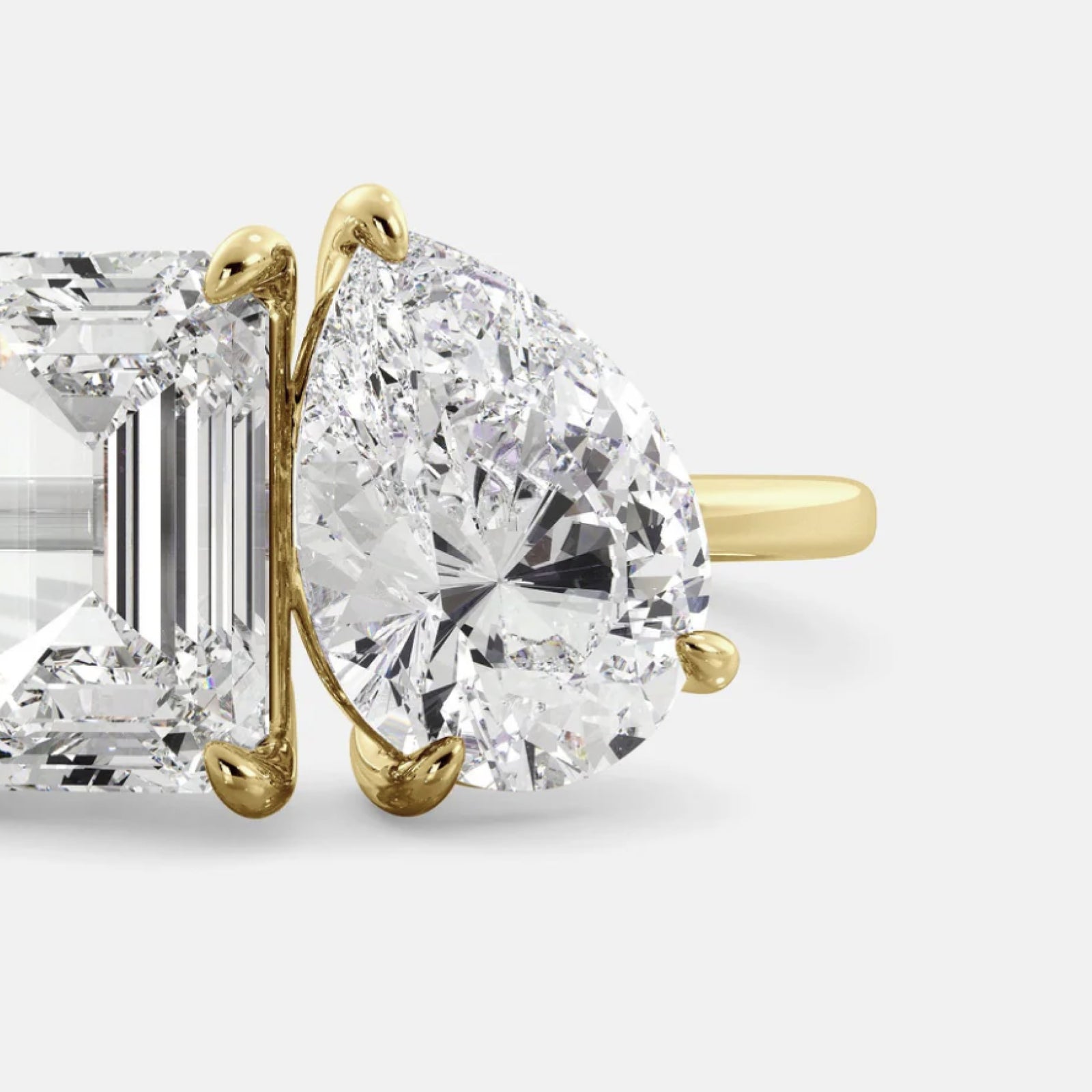
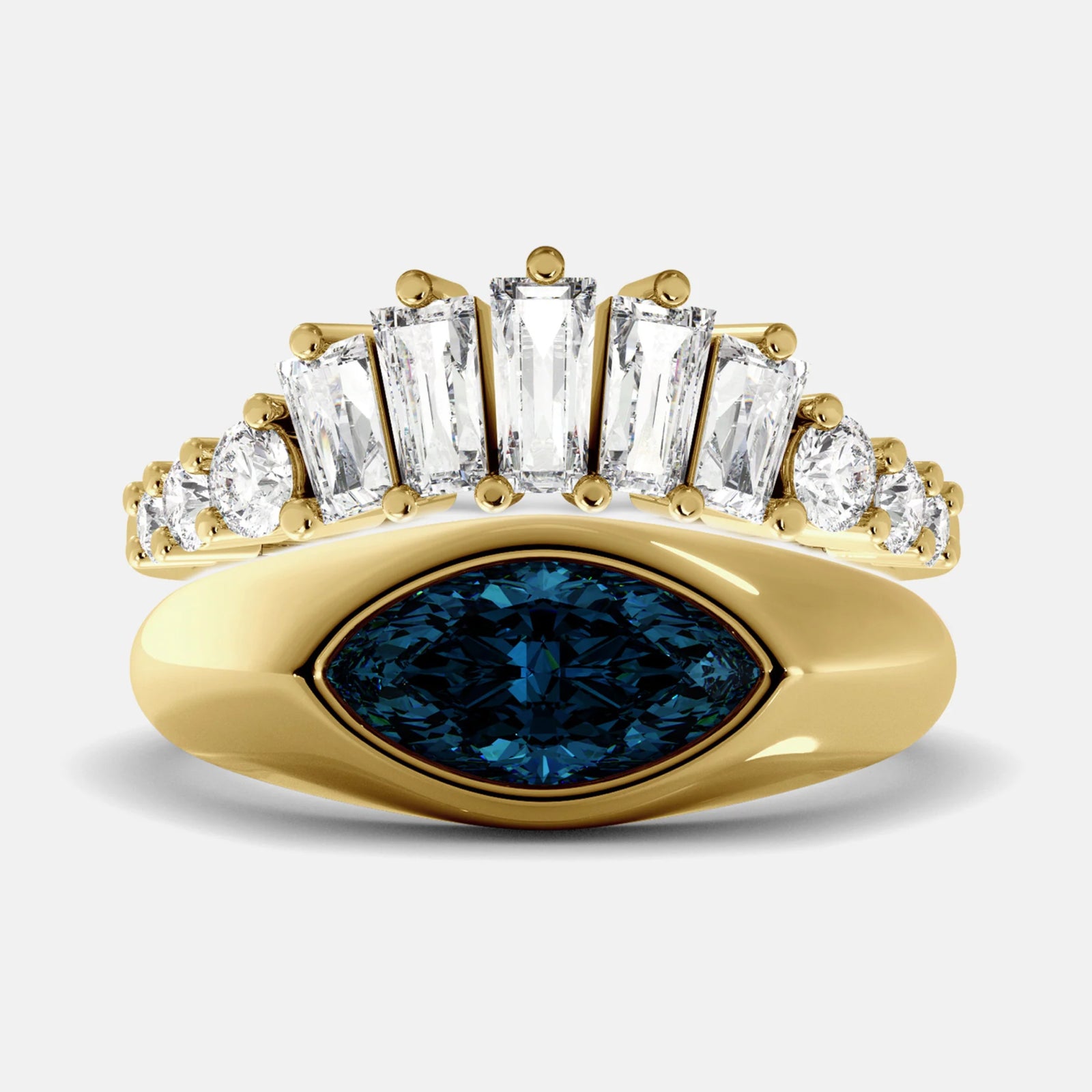
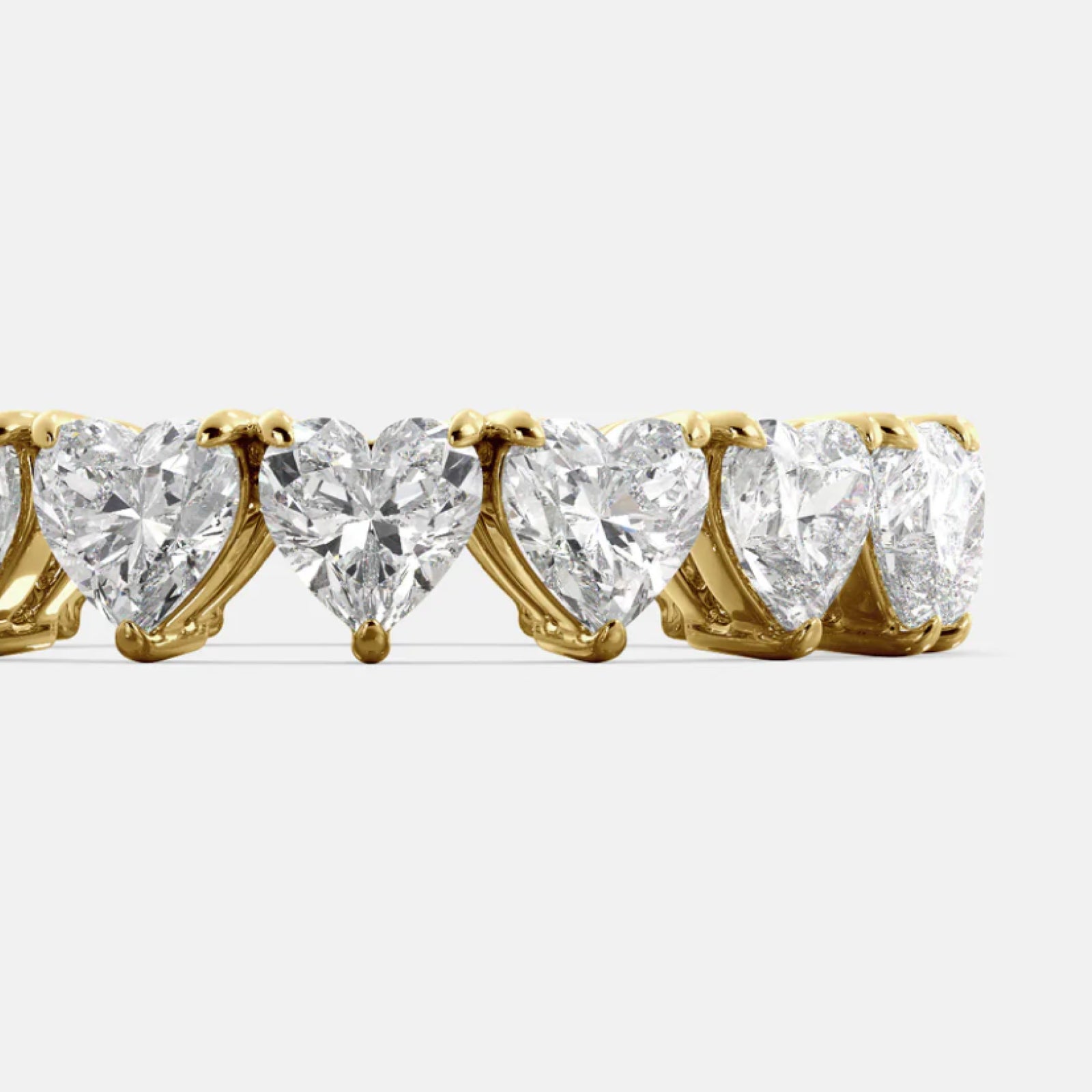
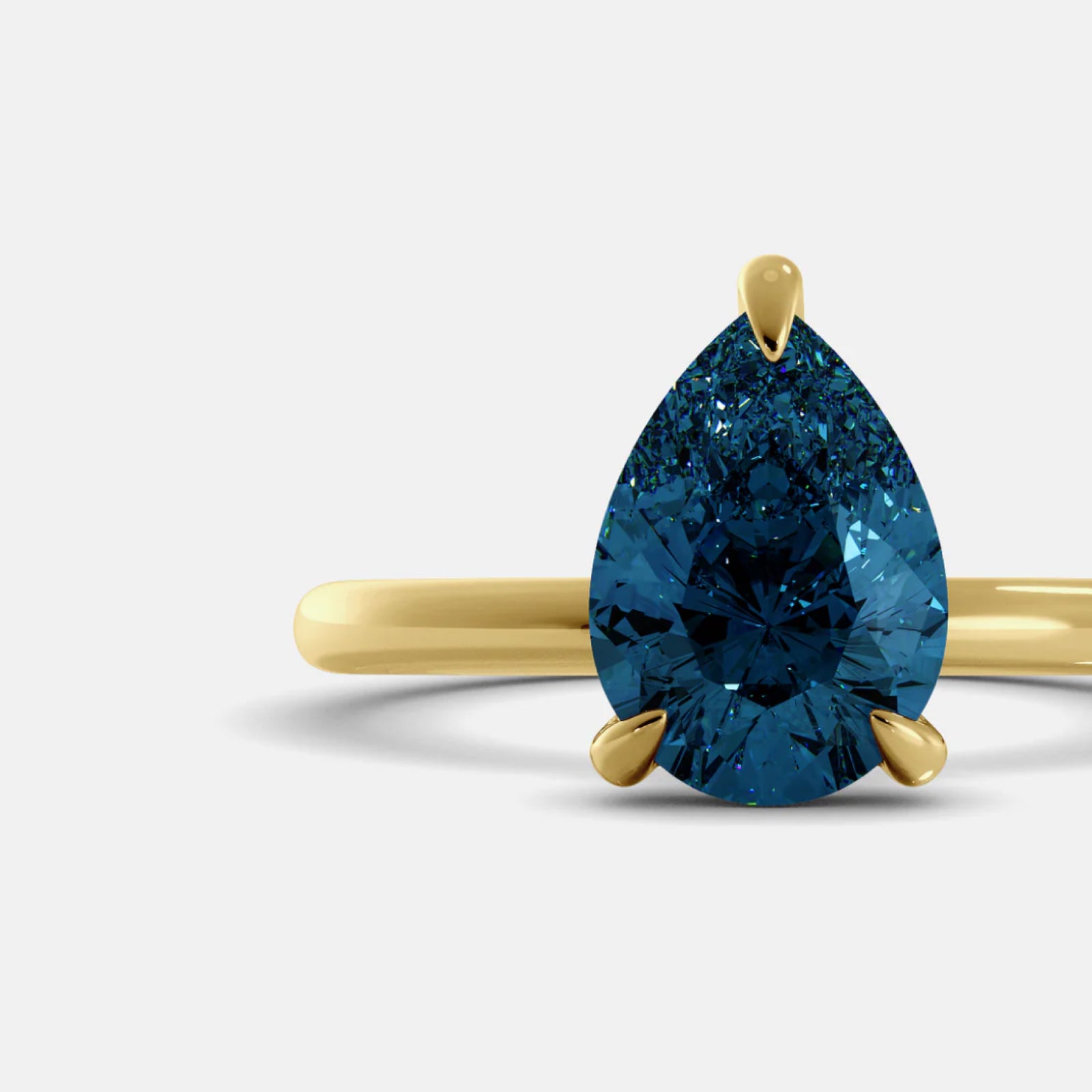
the anchor can be a toi et moi ring, a signet, a statement solitaire, an eternity band, or any piece with visual weight that sets the aesthetic direction. it doesn't need to be the most expensive piece — it needs to be the most distinctive.
if you don't have an anchor yet, that's where to start. building a stack without one produces a collection of rings that look assembled rather than considered.
mixing widths and textures
the most reliable principle in ring stacking: vary the width, but keep the proportion controlled.
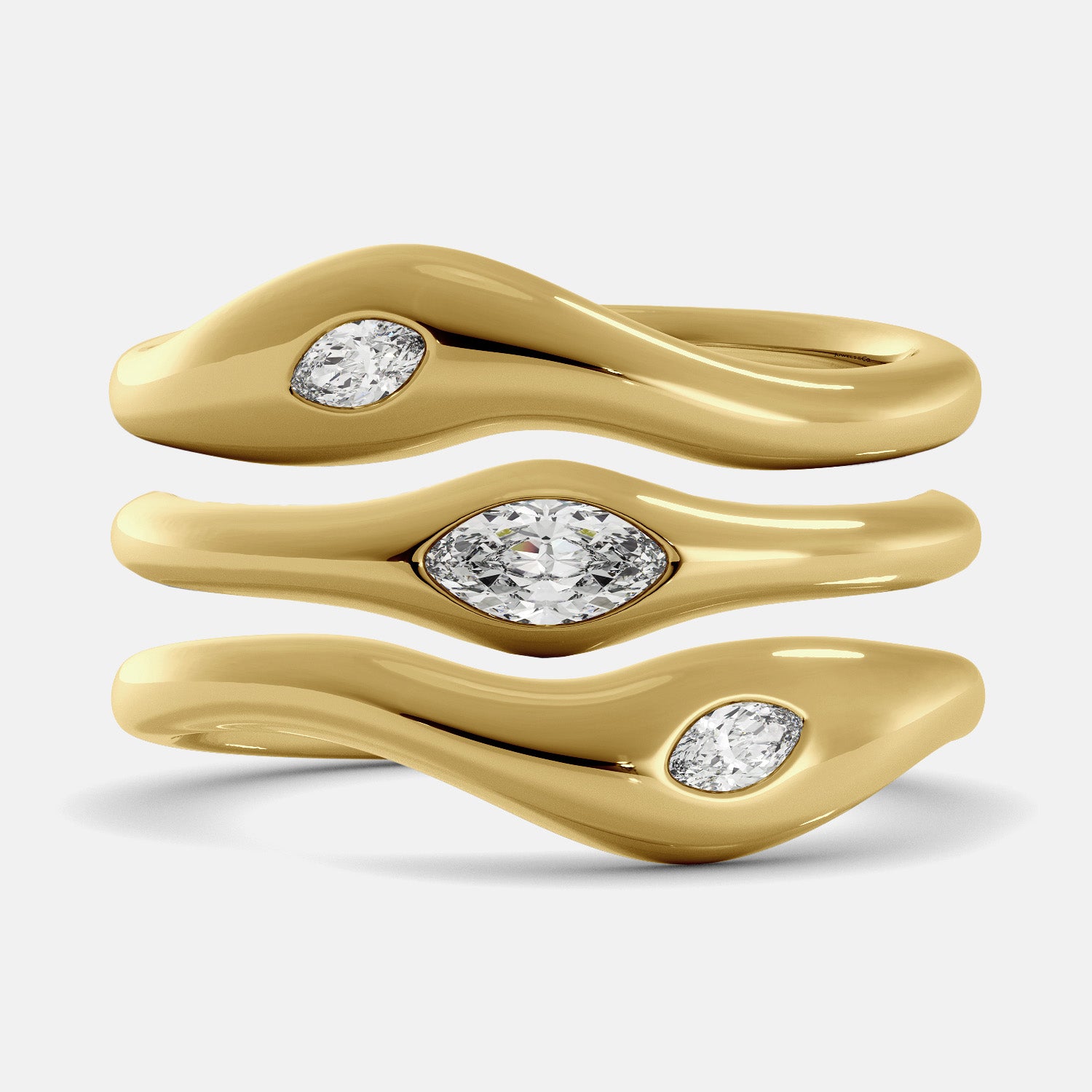
- Pair one wider band with one or two thin ones a 4mm band alongside two 1.5mm bands creates rhythm without bulk. three wide bands together create visual heaviness that overwhelms most hands.
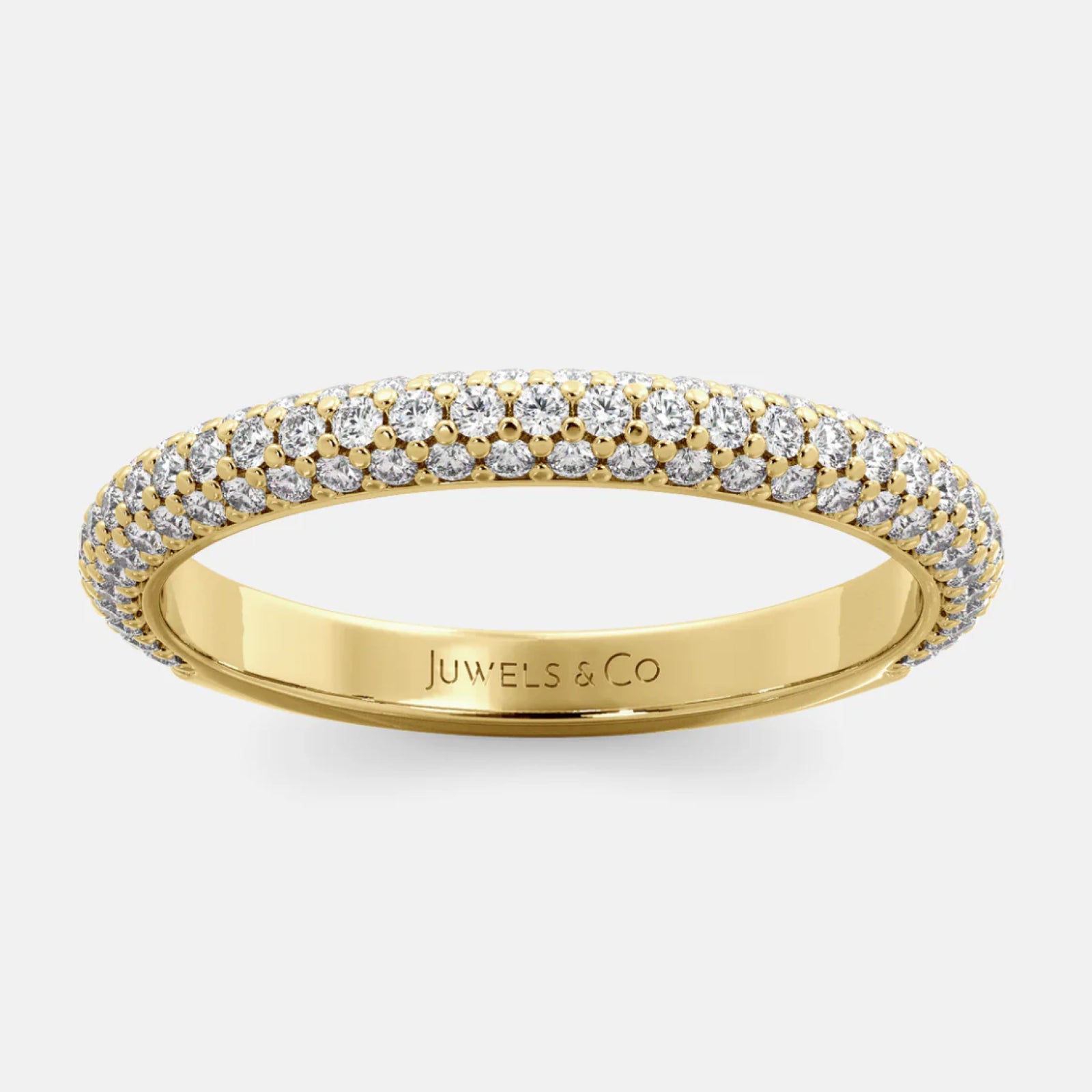
- Alternate texture with smooth a pavé band next to a plain polished band — the smooth surface gives the eye a place to rest and makes the pavé sparkle more visible by contrast. all texture reads as busy; all smooth reads as flat.
- Use negative space leaving a gap — one unadorned finger between two stacked fingers — creates balance and lets the eye appreciate each section independently. a stack on every finger looks maximalist by default; selective placement looks considered.
- Keep total width proportional to your hand four rings on one finger reads as substantial on larger hands and overwhelming on smaller ones. the same stack distributed across two fingers often reads better for both. try different distributions before committing to one.
mixing metals
mixed metals in a stack — yellow gold alongside white gold, or yellow alongside rose — can work well when the mixing is deliberate. the visual logic: variety reads as intentional; inconsistency reads as accidental. the difference is usually whether the anchor piece sets a clear direction.
- Lead with one dominant metal if your anchor ring is yellow gold, two yellow gold bands and one white gold accent reads as intentional contrast. two yellow and two white with no clear hierarchy reads as mismatched.
- Rose gold as an accent, not an anchor rose gold's warmth works beautifully as a single accent piece within a yellow or white gold stack. a full stack in rose gold is equally coherent — the issues arise when rose is mixed without intention.
- The easiest approach: stay in one metal family a stack entirely in yellow gold — varied widths, textures, and stone choices — reads as cohesive without requiring any thought about metal mixing. if mixed metals feels complicated, single-metal stacks are the cleaner solution and consistently the most refined-looking option.
which fingers to stack
- Ring finger the conventional stacking finger and the most common location for an anchor ring. the ring finger sits centrally on the hand and catches the eye naturally. if you wear an engagement ring or wedding band here, they become the foundation of your stack whether you plan it that way or not.
- Middle finger the most neutral finger for stacking — no conventional meaning, maximum visibility. a single statement ring on the middle finger reads as very deliberate. stacking here alongside ring finger rings creates a connected visual across the hand.
- Index finger a single ring on the index finger adds presence without feeling stacked — because the index is so functionally active, one ring here stands alone effectively. multiple rings on the index can feel restrictive.
- Pinky see our pinky ring guide for the full approach — the pinky works as an independent statement or as a bookend to a stack that starts on the ring finger. the visual distance between the pinky and ring finger creates natural separation that prevents the stack from looking cluttered.
stacking with a toi et moi ring
the toi et moi is one of the best anchor rings for a stack — and one of the most underused in this context. its two-stone design already contains internal contrast (two stones, often different cuts or colors), which means the supporting pieces need to be simple to avoid competing.
what works alongside a toi et moi:
- One or two plain gold bands a thin 1.5mm solid gold band on either side of a toi et moi lets the two-stone design dominate. the bands frame without competing. in yellow gold on both sides, the stack reads as a designed set.
- A thin pavé eternity band on one side only one pavé band adds sparkle without symmetry — asymmetrical stacking tends to look more organic and personal than the same ring on both sides.
- A signet or birthstone ring on a different finger rather than crowding the toi et moi finger, carrying the story to another finger — a pinky signet, a birthstone on the middle finger — extends the narrative of the stack across the hand without overwhelming the lead piece.
mistakes that make stacks look off
- No anchor piece a collection of similarly-weighted rings with no clear lead reads as accumulation, not composition. pick one piece to lead and build from there.
- Too many statement pieces on one finger two rings with significant stones or design on the same finger compete with each other. one statement, supported by plain or delicate pieces, is the more effective combination.
- Ignoring fit stacked rings feel different than a single ring — the combined width affects how the hand moves and how rings spin or slip. sizing rings for a stack often means going up half a size on the inner rings so the stack sits comfortably rather than binding.
- Adding for the sake of adding more rings don't make a better stack. the best stacks often have two or three pieces — enough for visual interest, not so many that the composition becomes noise.
frequently asked questions
how many rings should you stack?
can you mix gold and silver rings in a stack?
how do you stack rings with an engagement ring?
should stacked rings be the same metal?
does ring stacking damage rings?
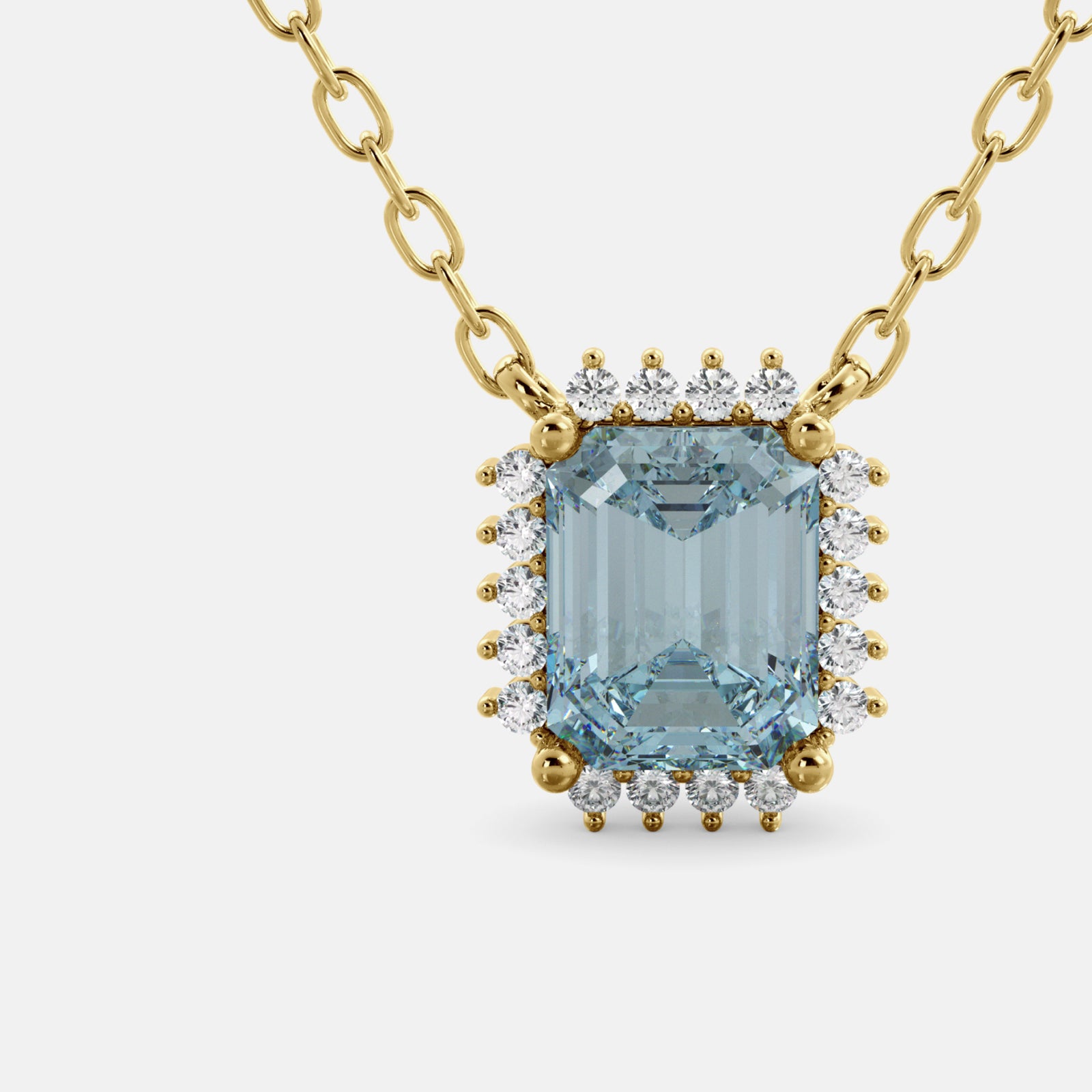
pieces worth building a stack around.
solid 14k gold, handcrafted in los angeles. toi et moi rings, eternity bands, and plain bands made to order in your exact size.


