Custom & Personalization
and what still needs a human hand
everyone's suddenly designing rings on their phone. here's what that actually gets you, and where it stops.
the phrase "AI jewelry design" has been showing up everywhere this year — in app store listings, in retailer chat windows, in the caption under a ring you saved to a mood board at 1am. the market behind it is real: analysts expect spending on AI jewelry design tools to grow more than fivefold by the mid-2030s. what's less clear, if you're the person actually trying to design something you'll wear for the rest of your life, is what any of it means for you.
so here's a straight answer, from a studio that still makes everything by hand.
What "AI Jewelry Design" Actually Means
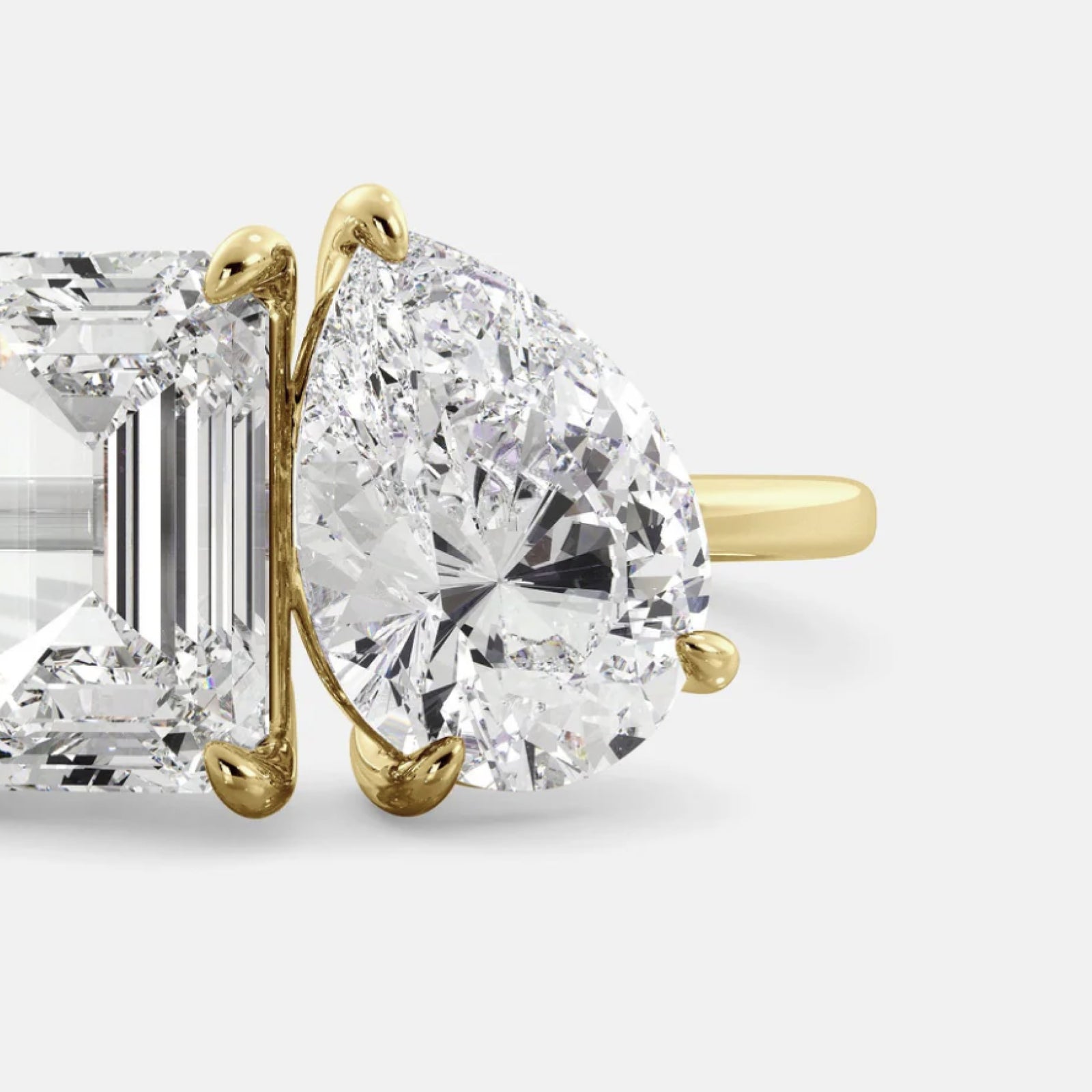
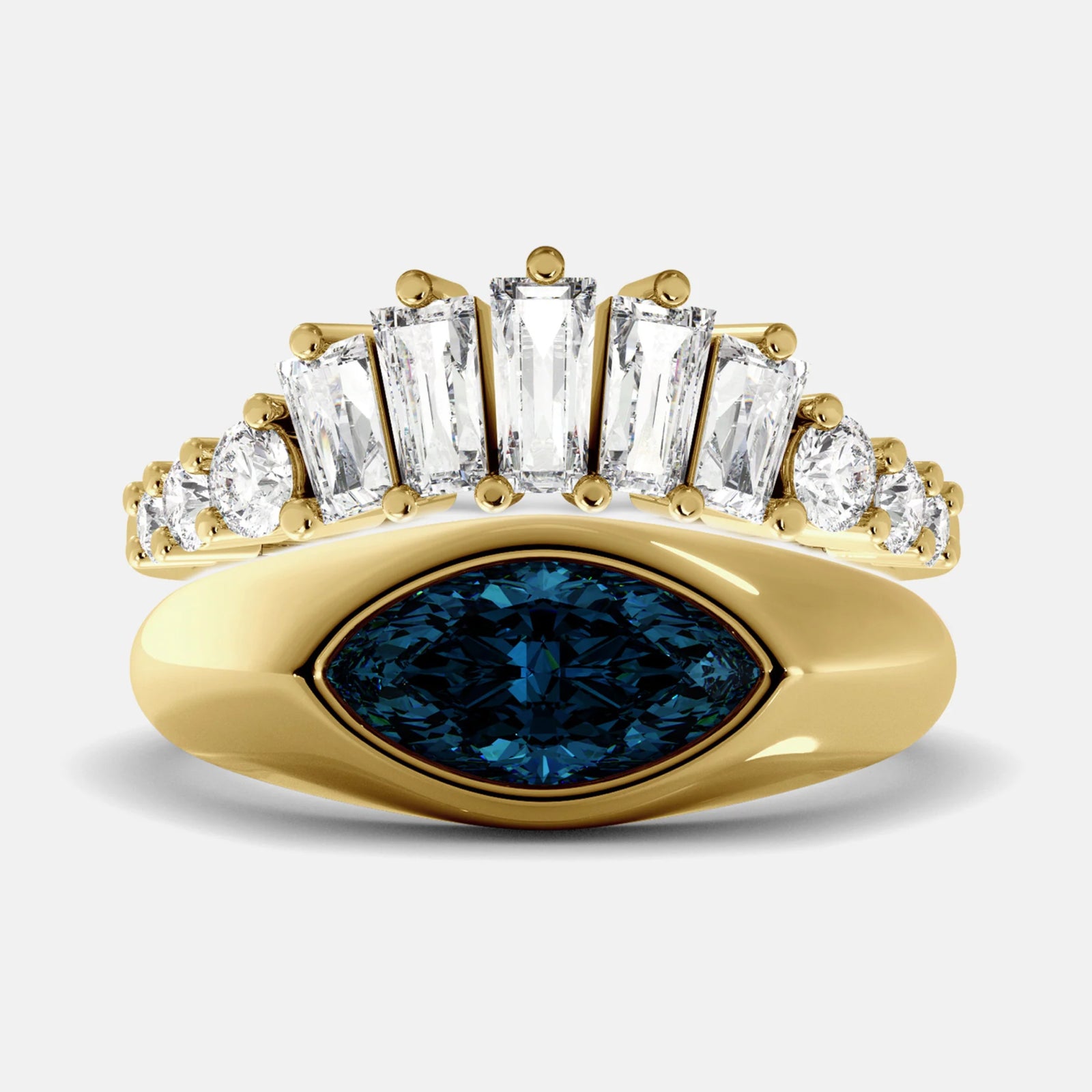
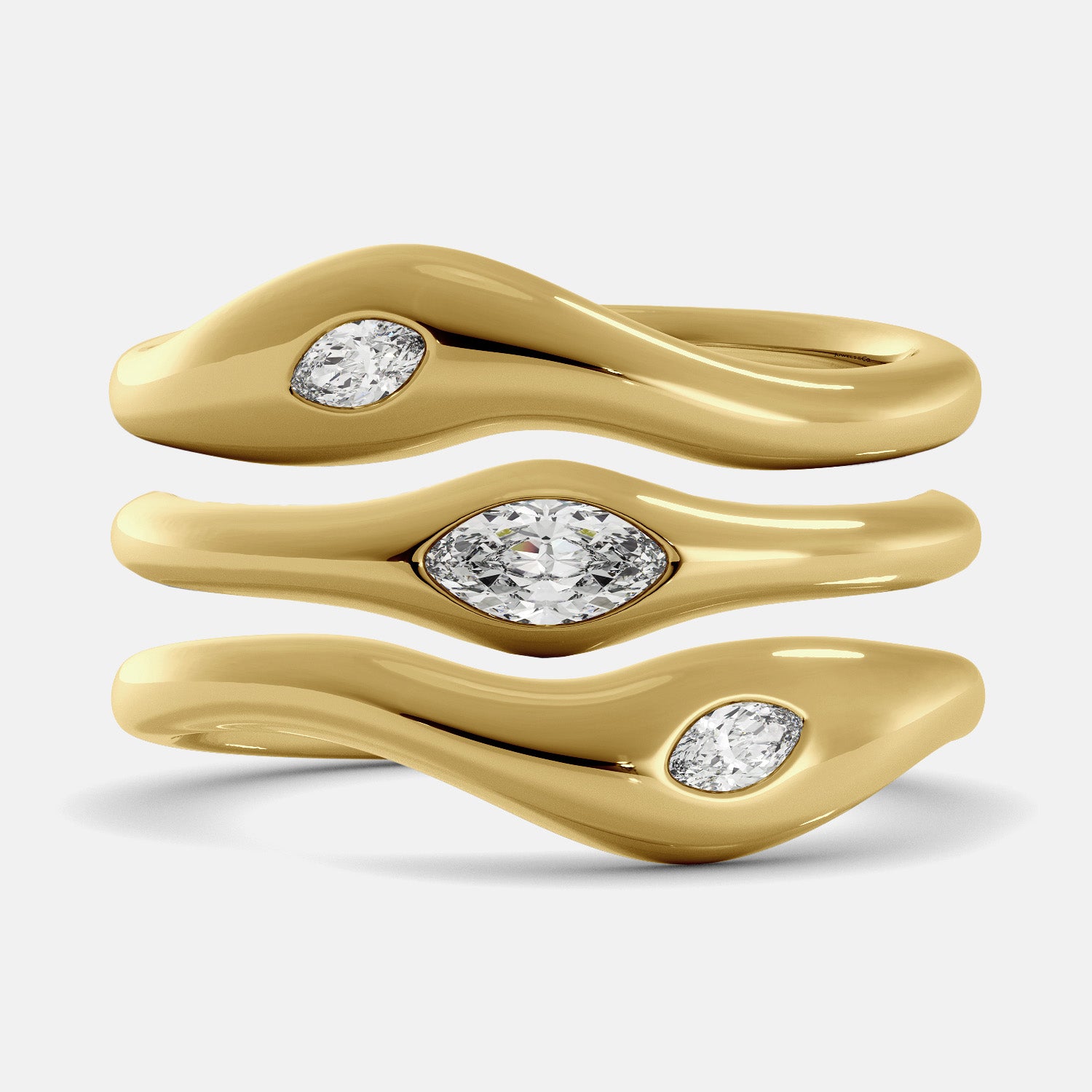
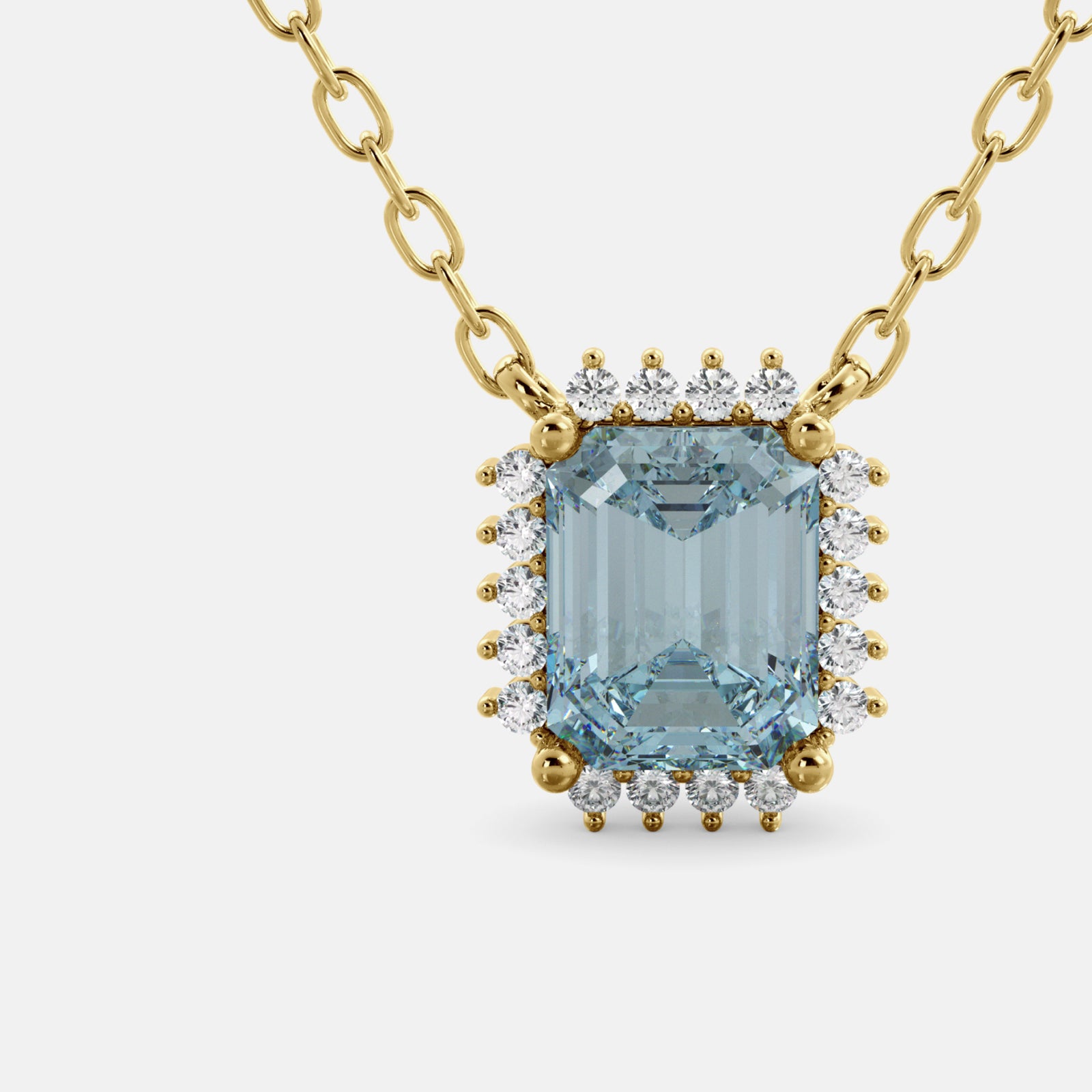
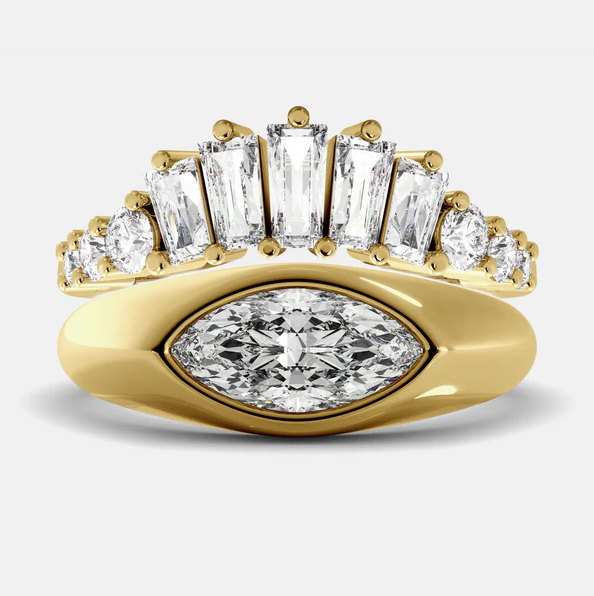
under the hood, most of what gets called "AI jewelry design" is one of three things: an image generator that turns a text description into a picture of a ring, a 3D configurator that lets you swap stones, metals, and settings and see the result rendered instantly, or a chat-based assistant that walks you through those choices in plain language instead of a dropdown menu.
none of these produce a piece of jewelry. they produce a picture, a file, or a conversation — a starting point. what happens after that starting point is where the actual jewelry gets made, and that part hasn't changed much at all.
Where AI Tools Genuinely Help
used well, these tools solve a real problem: most people know a feeling before they know a design. AI is good at closing that gap fast.
01
turning a feeling into a reference
describe "an heirloom that doesn't look like my grandmother's" and get five directions to react to, instead of staring at a blank page.
02
testing proportions before committing
see roughly how a bezel setting reads next to a prong setting, or how a stone size sits against a thinner band, before a single tool touches metal.
03
visualizing it on your own hand
AR try-on tools overlay a rendered design on a photo of your hand — useful for scale and placement, even though the render is still a guess about how metal actually catches light.
this is the democratizing part people mean when they talk about AI jewelry design — a custom starting point that used to require a sketch artist and a consultation is now available to anyone with an idea and a phone.
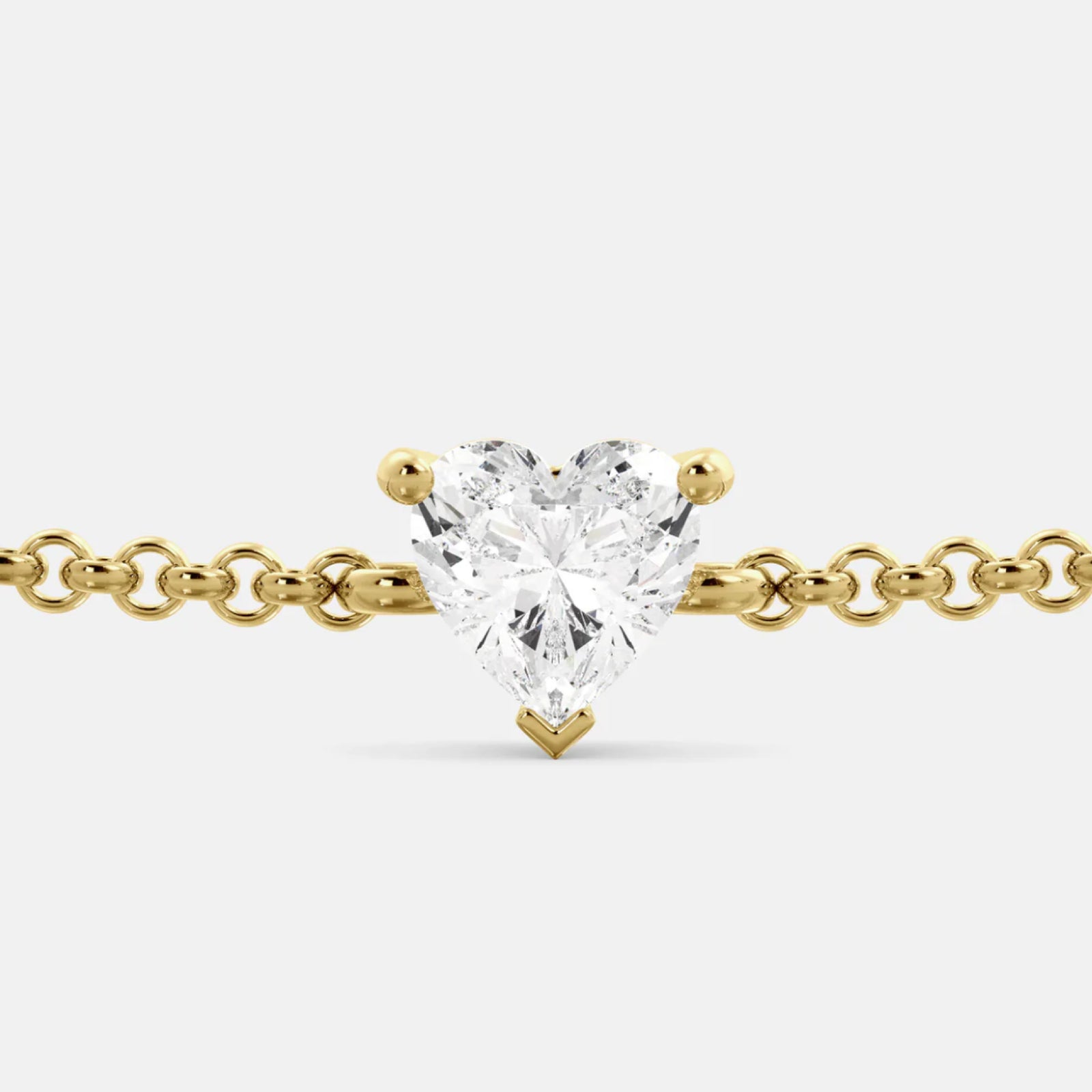
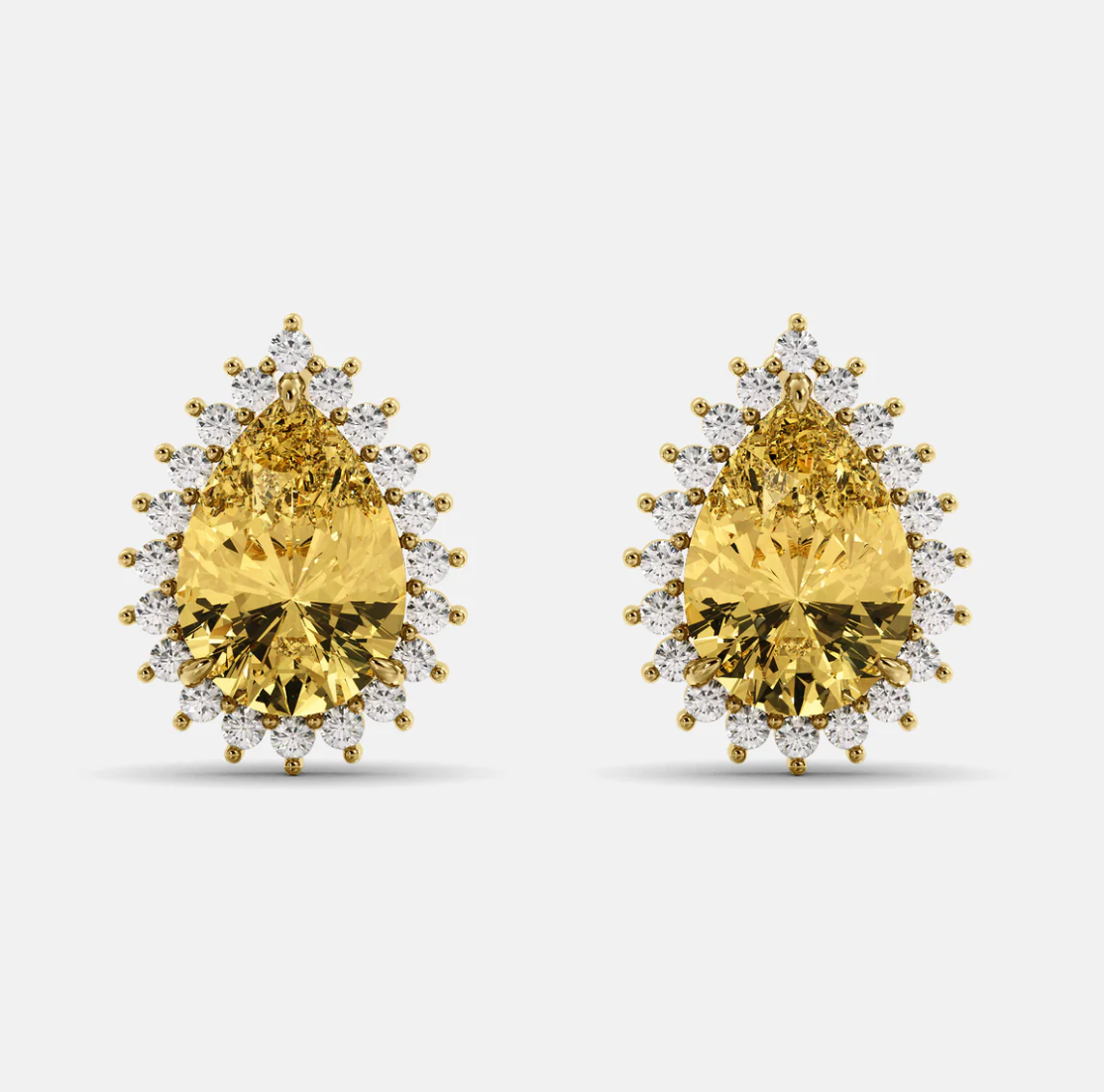
a render can tell you what a design might look like. it can't tell you what it will feel like to wear.
Where It Falls Short
the gap between a rendering and a finished piece is where most of the disappointment lives. a few things worth knowing before you fall for a render.
×
assuming the file is the finished piece. a render is a visual estimate — it doesn't account for how a stone will actually be set, how metal will wear at that thickness, or whether the design is structurally sound at ring size 6.
×
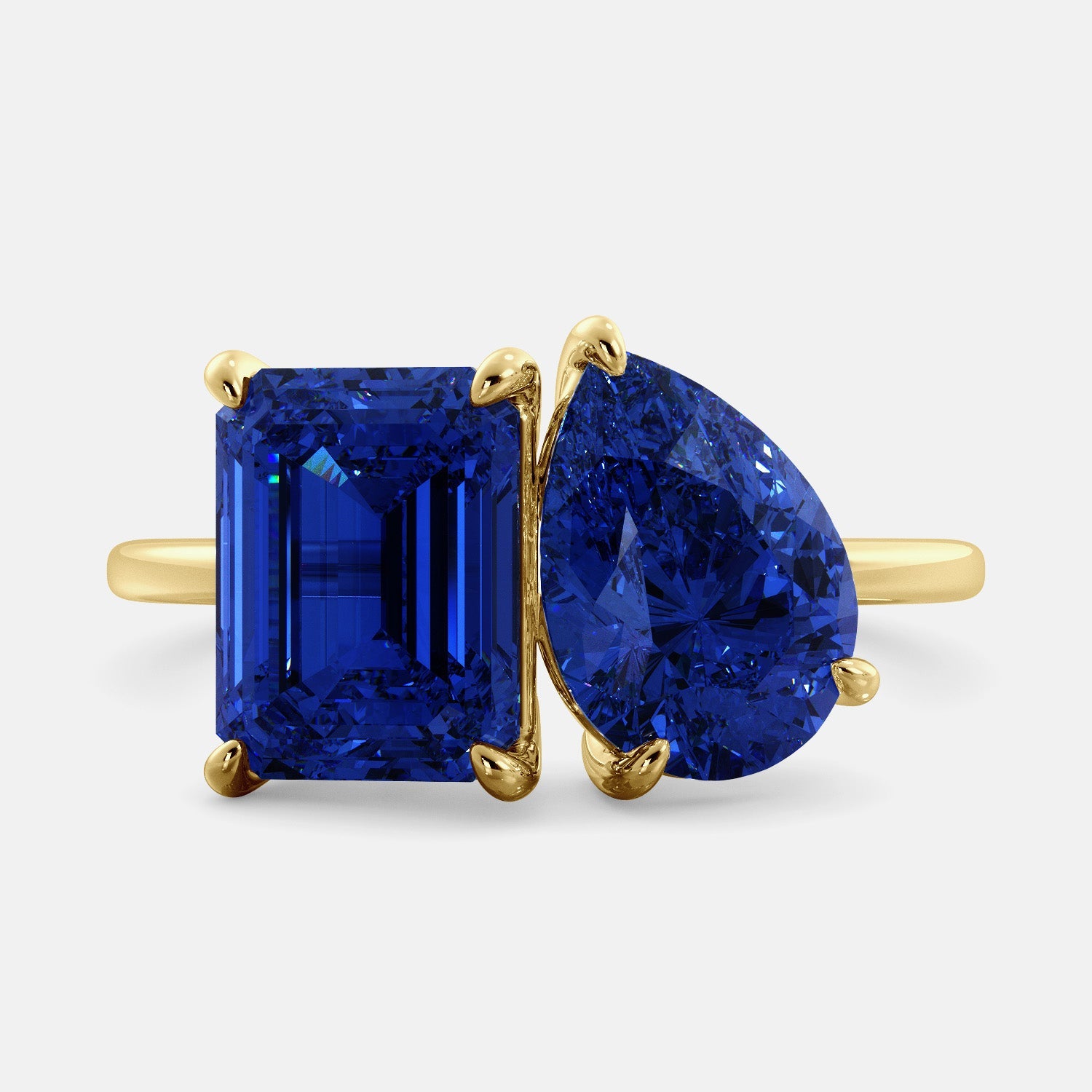
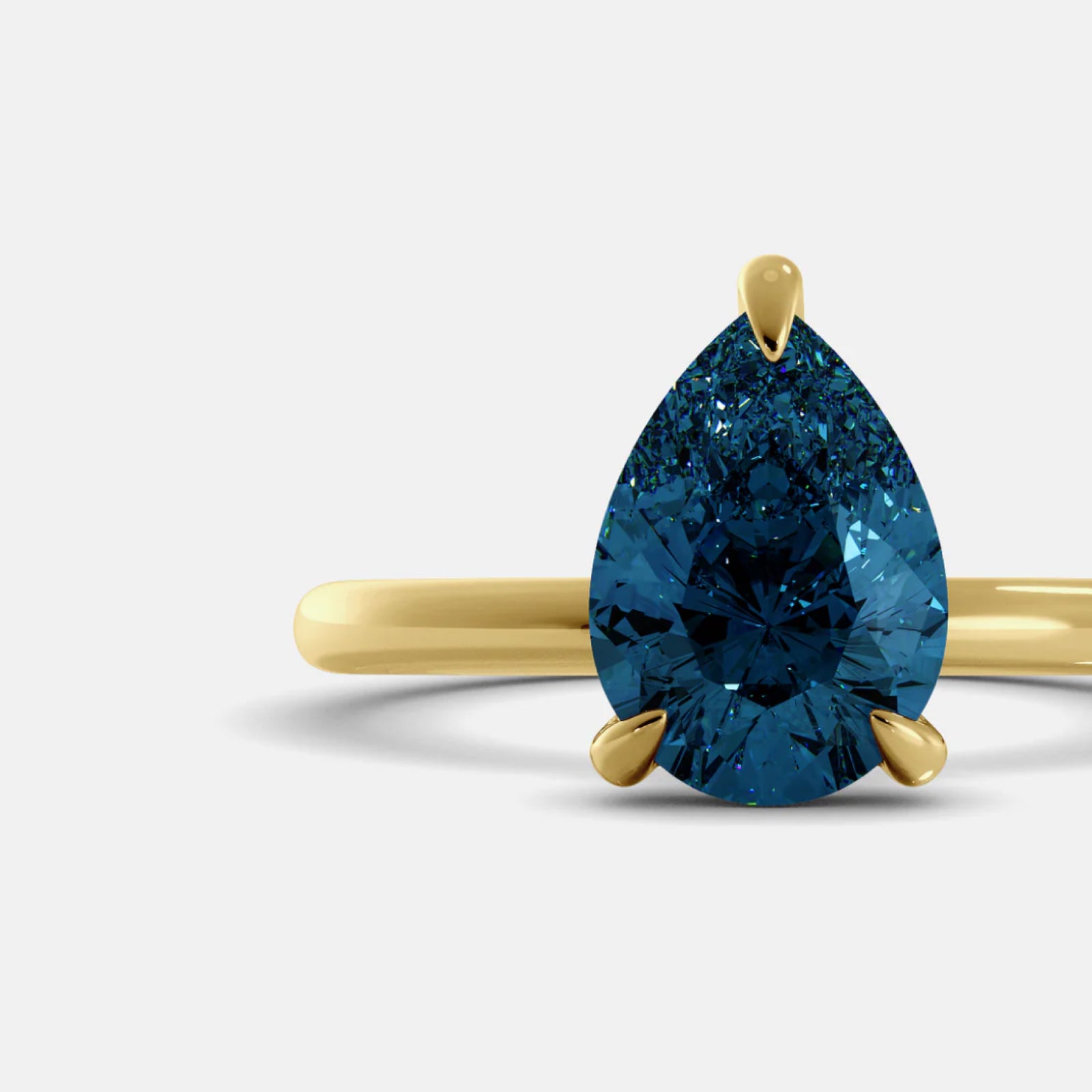
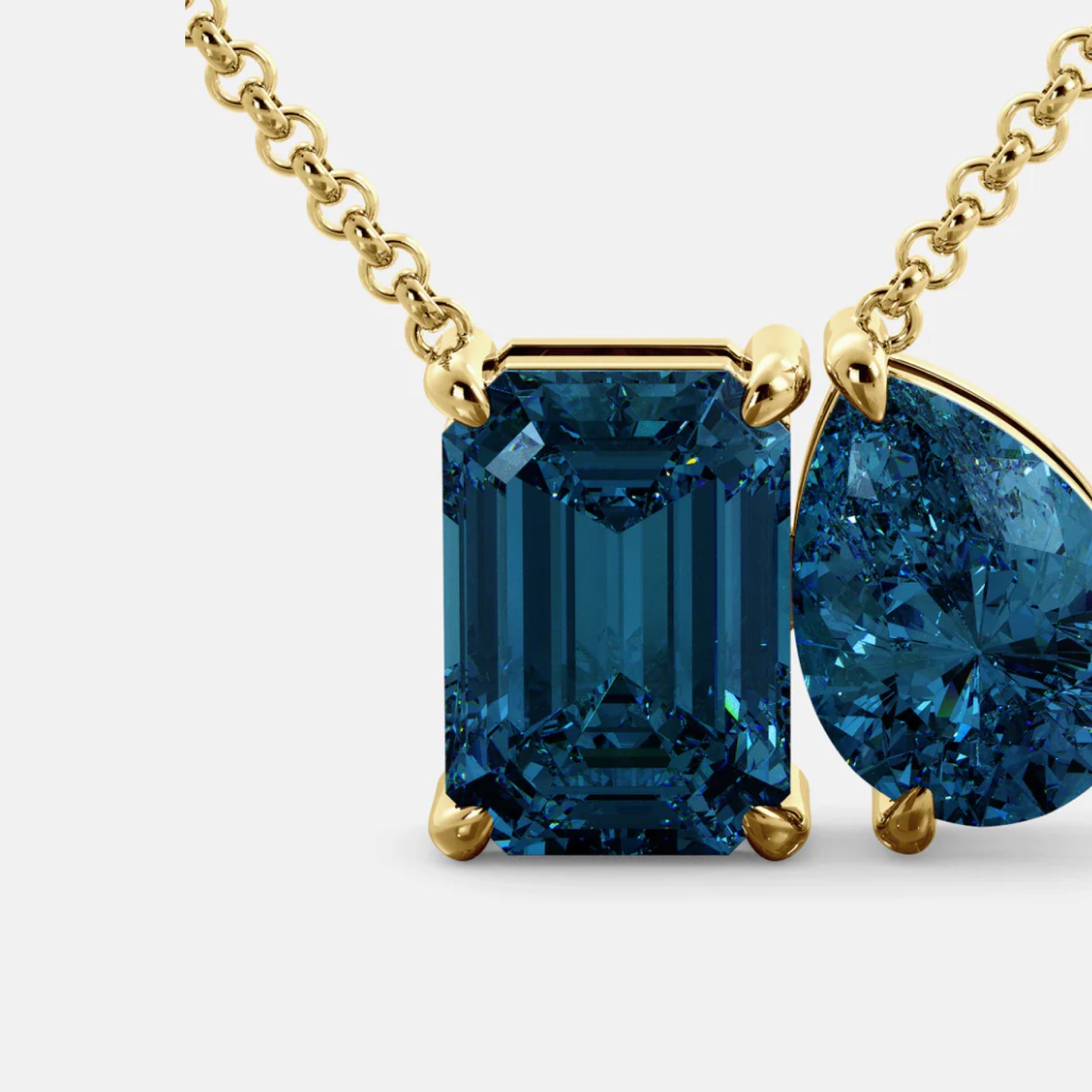
trusting the render as a color and clarity guide. AI-generated diamonds and gemstones are lit for drama, not accuracy — the sapphire in your mockup will almost never match the sapphire that arrives.
×
skipping the question of sourcing. a tool that generates a beautiful ring says nothing about where the metal or stones in the real version come from — that's a separate conversation you still have to have.
×
designing alone, start to finish. the most-loved custom pieces are usually the ones a jeweler pushed back on somewhere — a setting adjusted for durability, a stone swapped for one that actually suits daily wear.
The Part No Algorithm Replaces
every piece we make starts as an idea, and plenty of those ideas now arrive as a screenshot from a design app or a saved AI render. we don't mind that at all — it's just a new shape for the oldest part of the process, someone trying to describe a feeling before they know the word for it.
what happens next is still entirely human. a jeweler looks at that reference and asks the questions a generator can't: will this setting hold up if you wear it every day? does this proportion actually flatter your hand, not just the render? is there a version of this that means more, once we know why you're making it? then it's carved, cast, set, and finished by hand, in our studio, the same way it would have been before any of these tools existed.
AI is very good at the first five minutes of designing something. it has nothing to say about the next five weeks.
If You Want to Try It, Do This
—
use it for mood and direction, not a final decision — treat every render as a conversation starter, not a spec sheet.
—
save the two or three renders that got closest, instead of one "perfect" one — it gives a jeweler more to work with than a single fixed image.
—
bring the render into a real consultation early, before you've fallen in love with a detail that isn't structurally possible.
—
ask directly about sourcing and materials — a generated image can't answer that question, and it's the one that matters most once the piece is real.
frequently
asked questions
can ai design jewelry?
yes — AI tools can generate images and 3D renders of jewelry designs from a text description or a set of chosen options. what they generate is a visual concept, not a wearable, finished piece.
how does ai jewelry design work?
most tools work one of two ways: a text-to-image generator that turns a written description into a rendered picture, or a configurator that lets you select metal, stone, and setting options and instantly renders the combination.
is jewelry designed with ai made of real gold and diamonds?
not on its own. the AI output is a digital image or file — whether the finished piece uses solid gold, lab-grown or natural stones, or a particular setting technique depends entirely on the jeweler who produces it, which is a separate step and a separate conversation.
can i use ai to design my own engagement ring?
you can use it to explore direction — settings, stone shapes, overall style — before bringing that reference to a jeweler. for a piece meant to last a lifetime, most people still work with a jeweler to finalize proportions, durability, and sourcing.
does ai replace jewelers?
no. AI tools generate ideas and visuals; jewelers still carve, cast, set stones, and finish every physical piece by hand. the tools have changed how people start the design conversation, not who finishes it.
what's the difference between an ai rendering and a finished piece?
a rendering is a digital estimate optimized to look appealing on a screen. a finished piece accounts for real material behavior, wearability, structural durability, and how light actually moves across metal and stone — factors a render can approximate but not guarantee.
Juwels & Co — Los Angeles
bring us the reference.
we'll bring it to life.
a render, a screenshot, a description — any starting point works for a custom consultation.
start a custom design →