







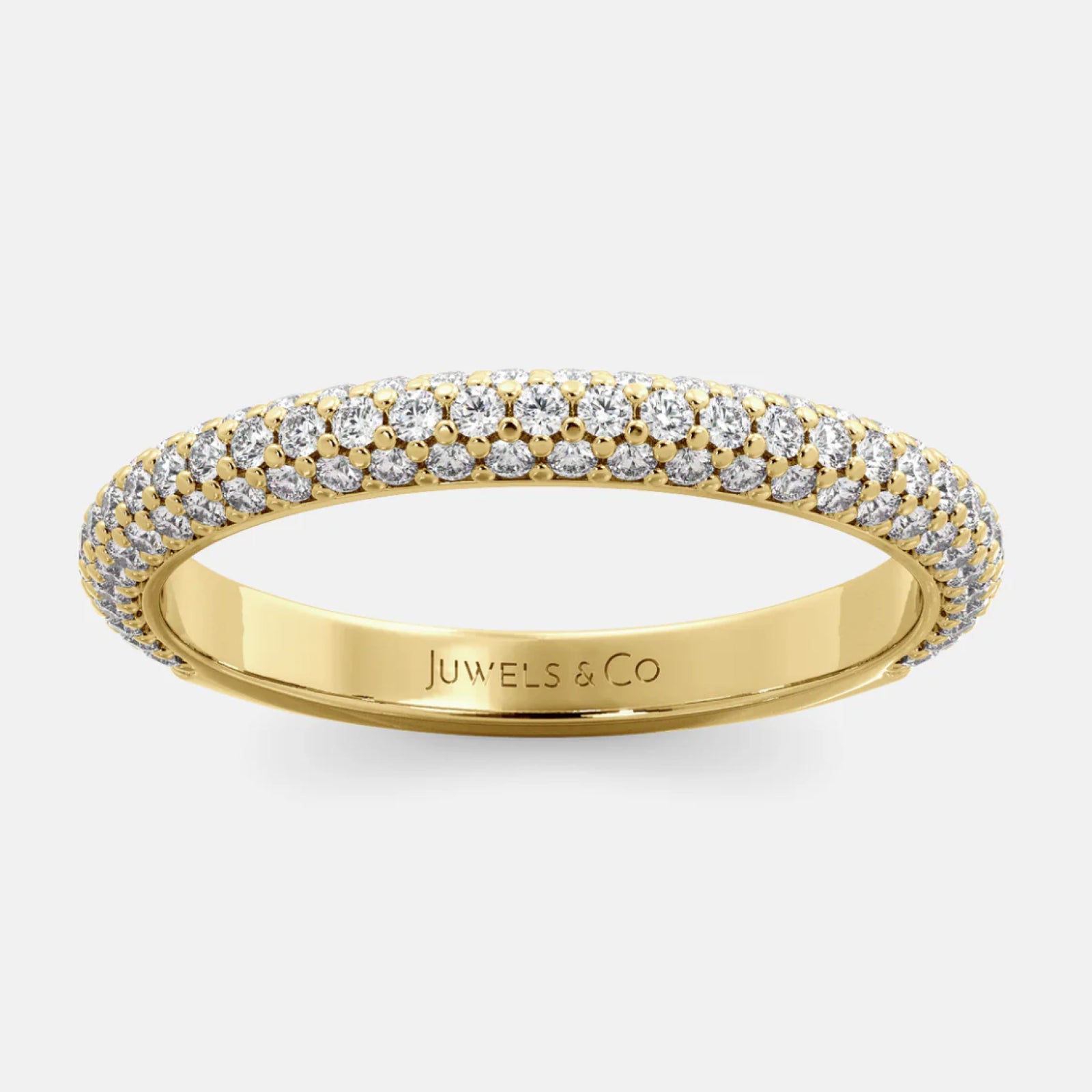


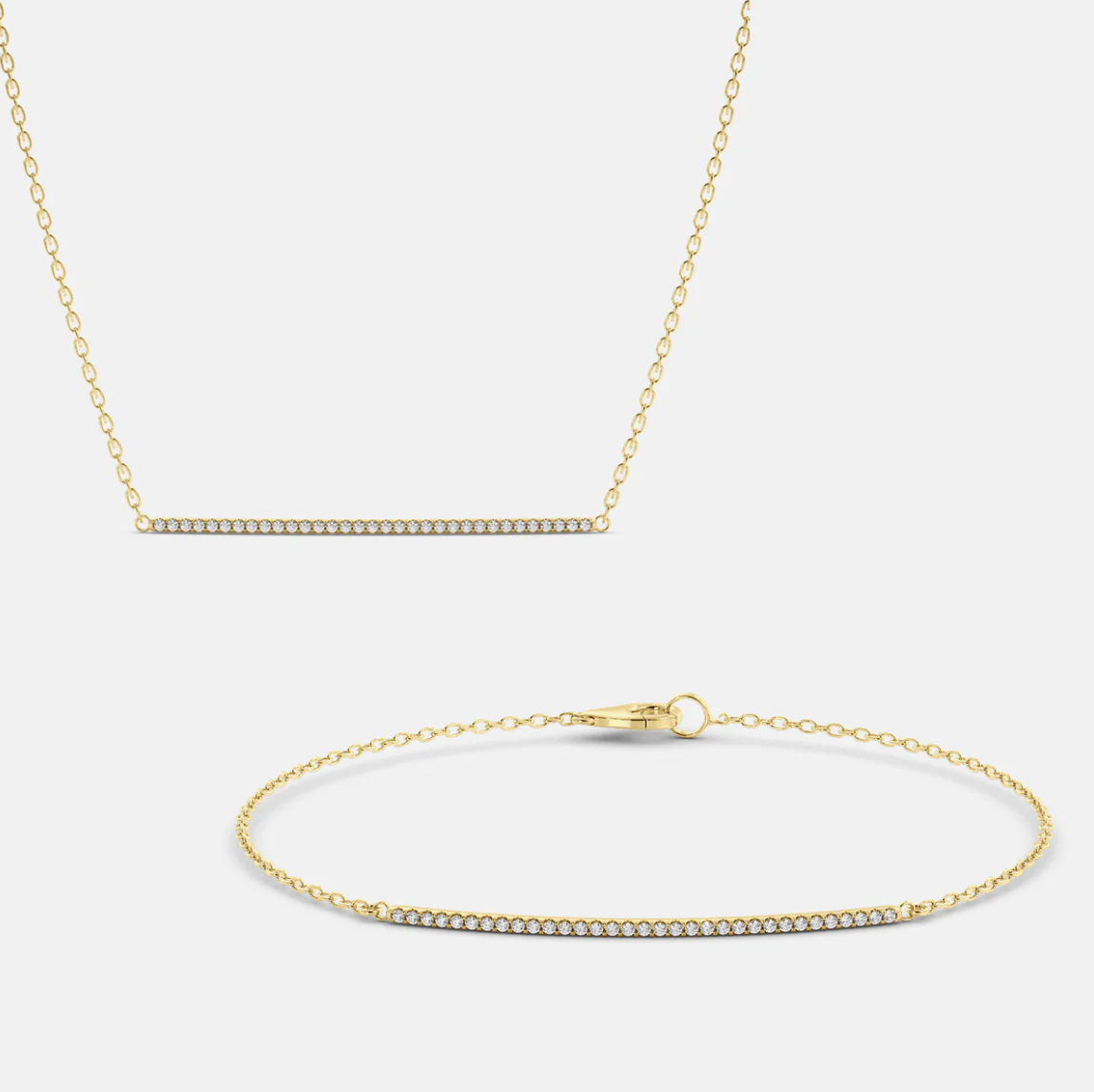





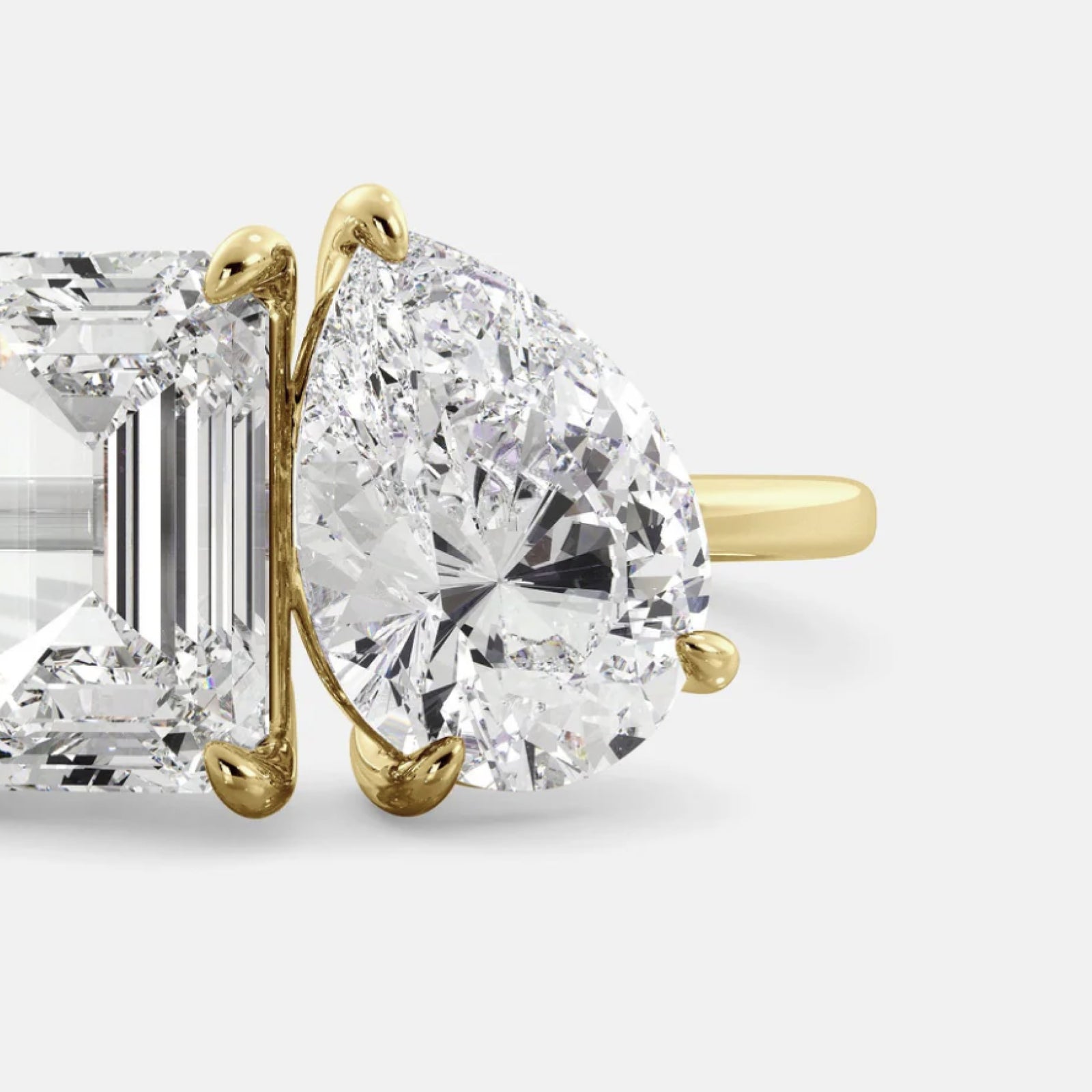

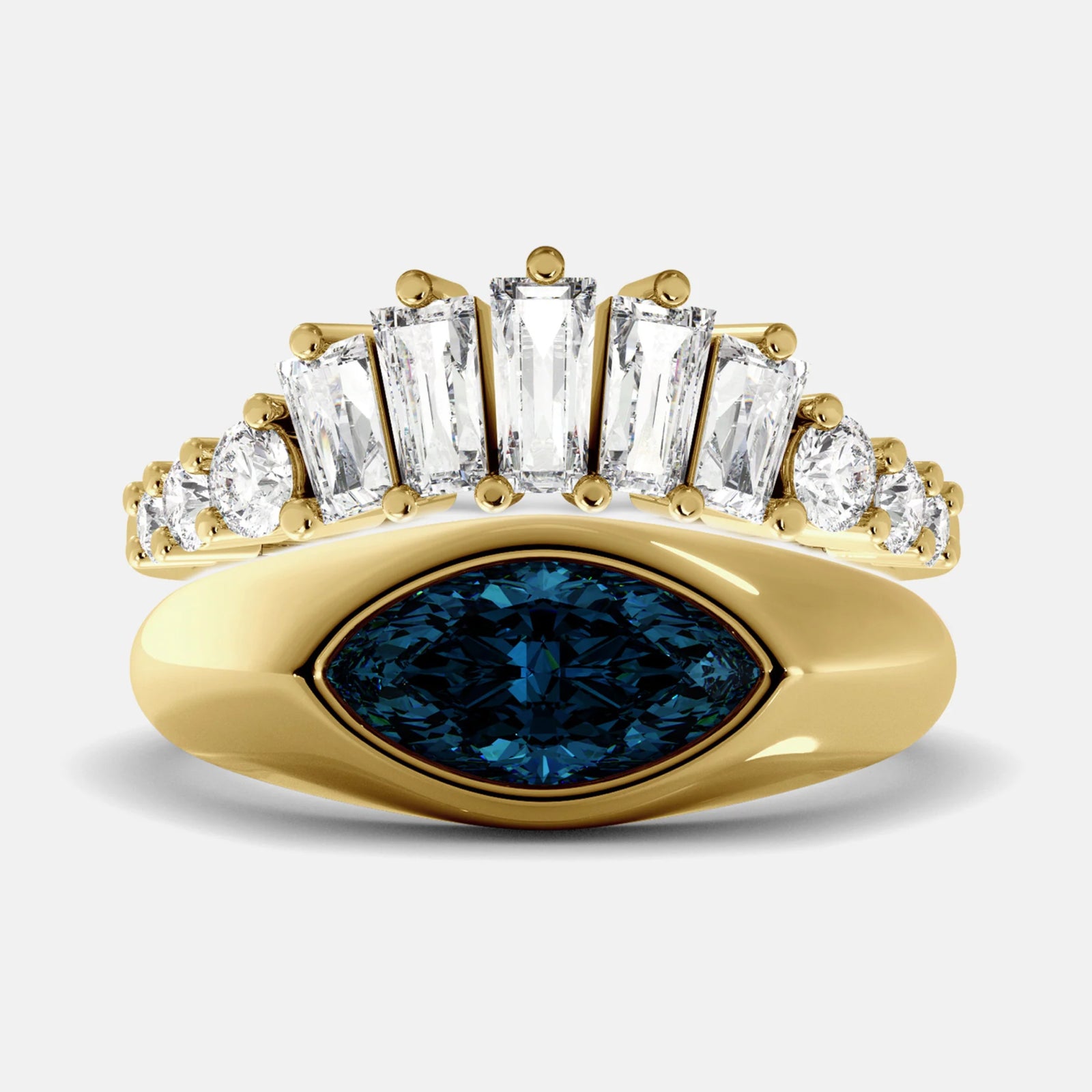

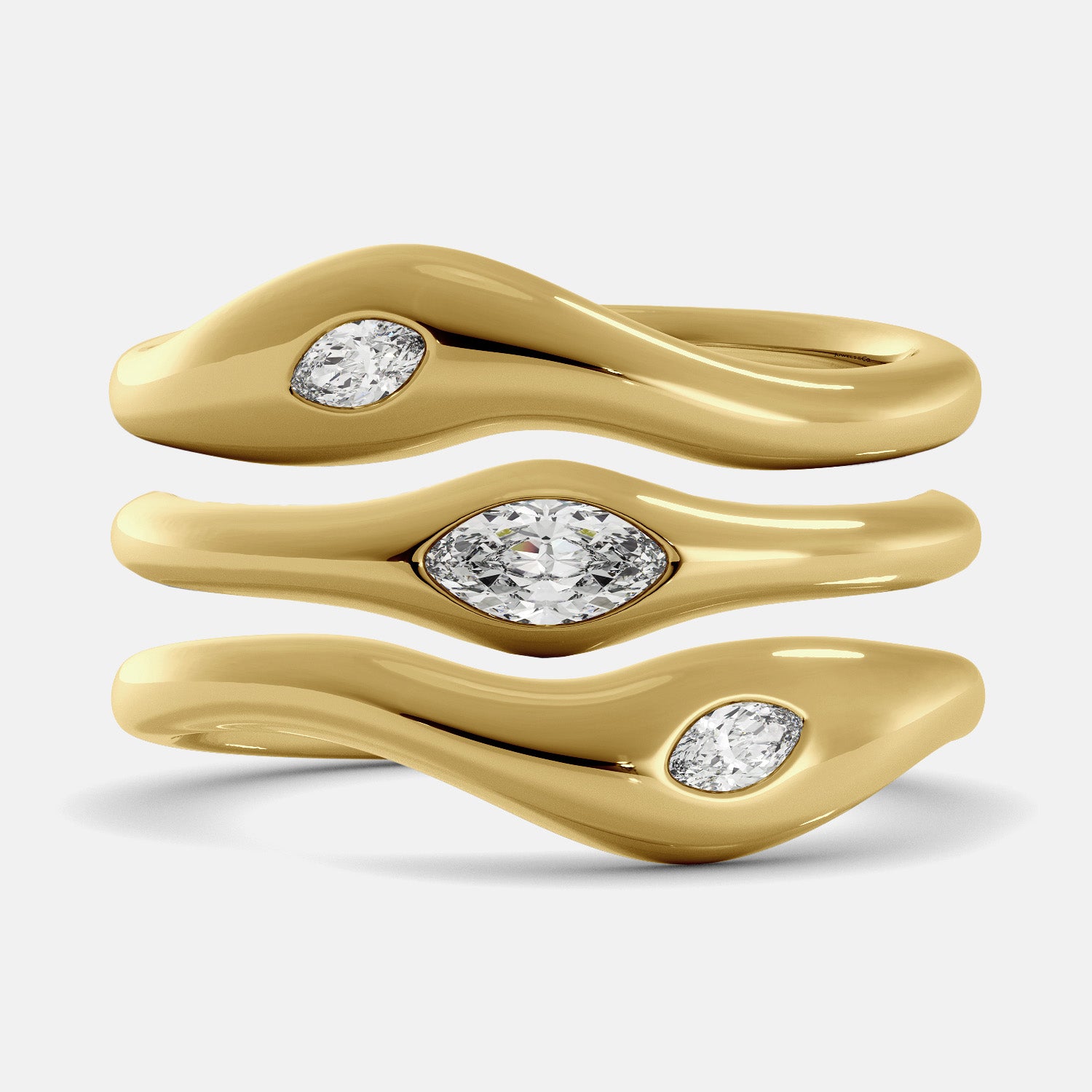

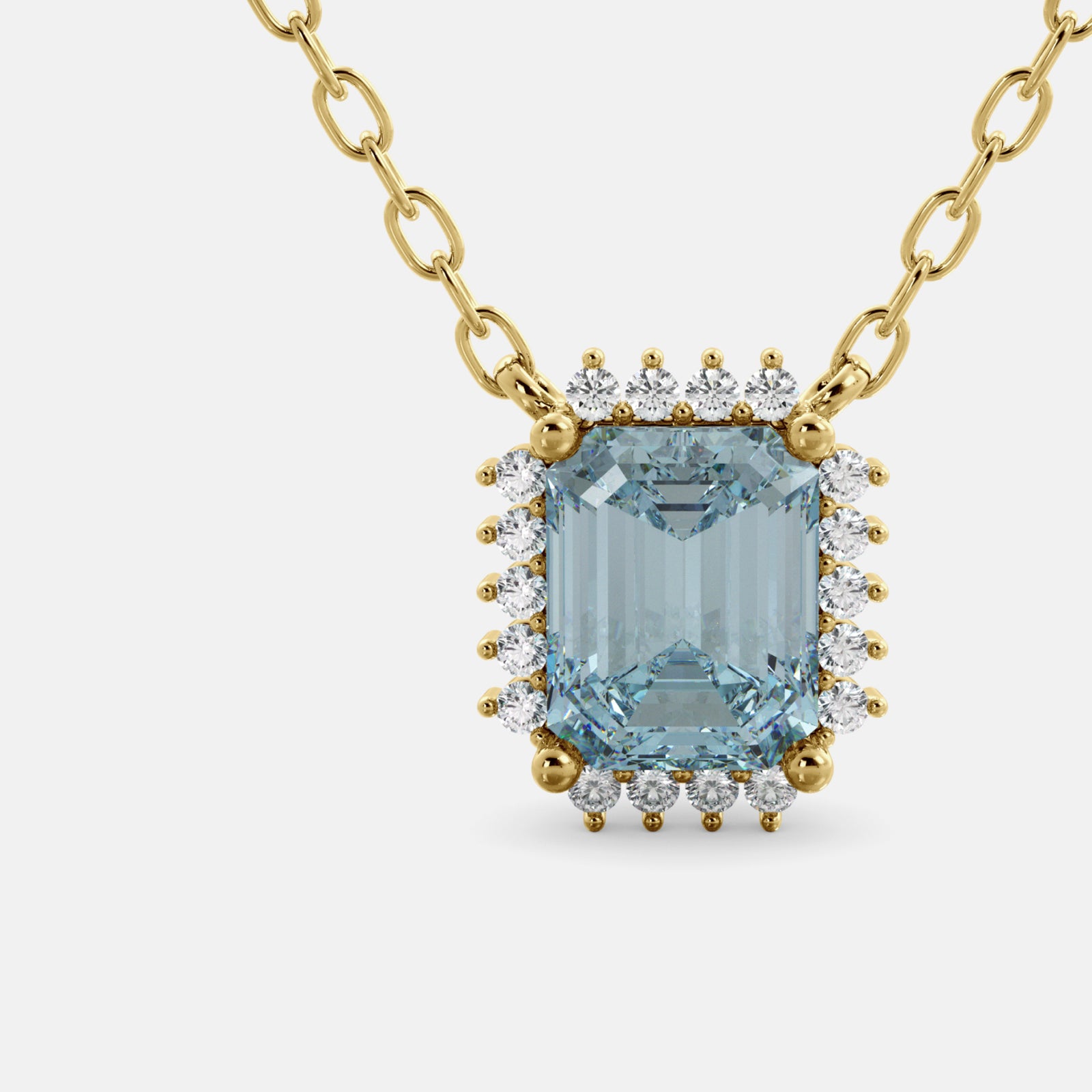

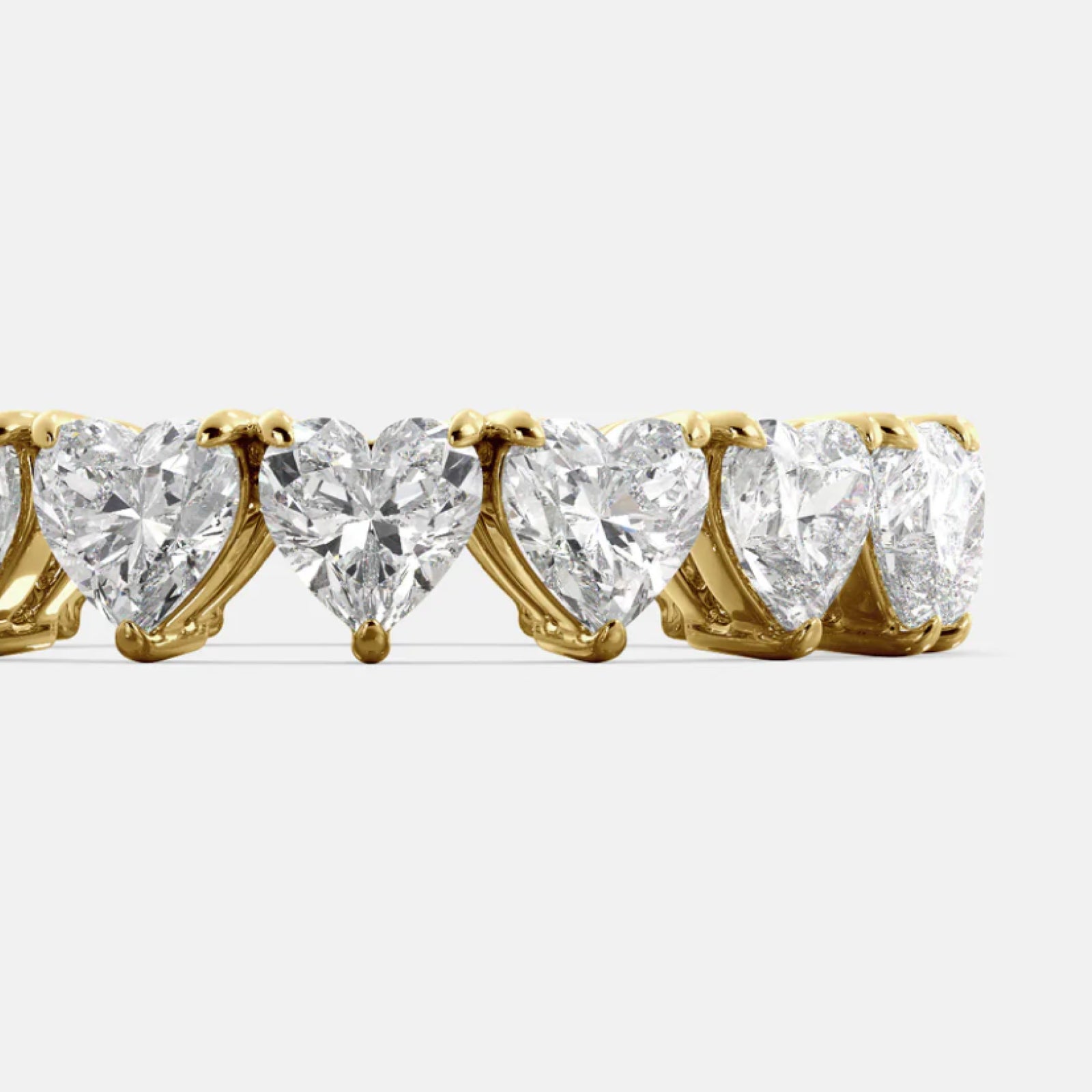









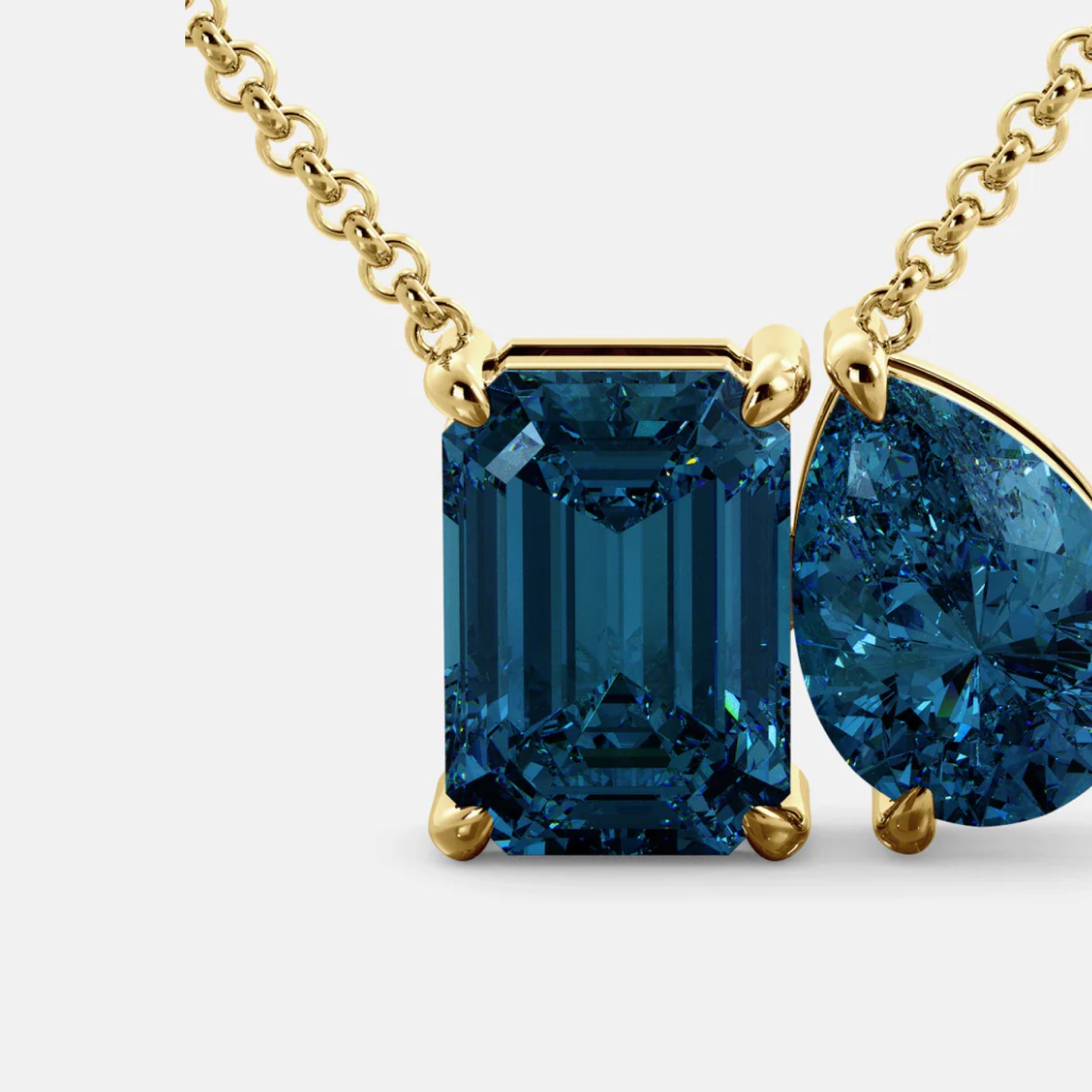

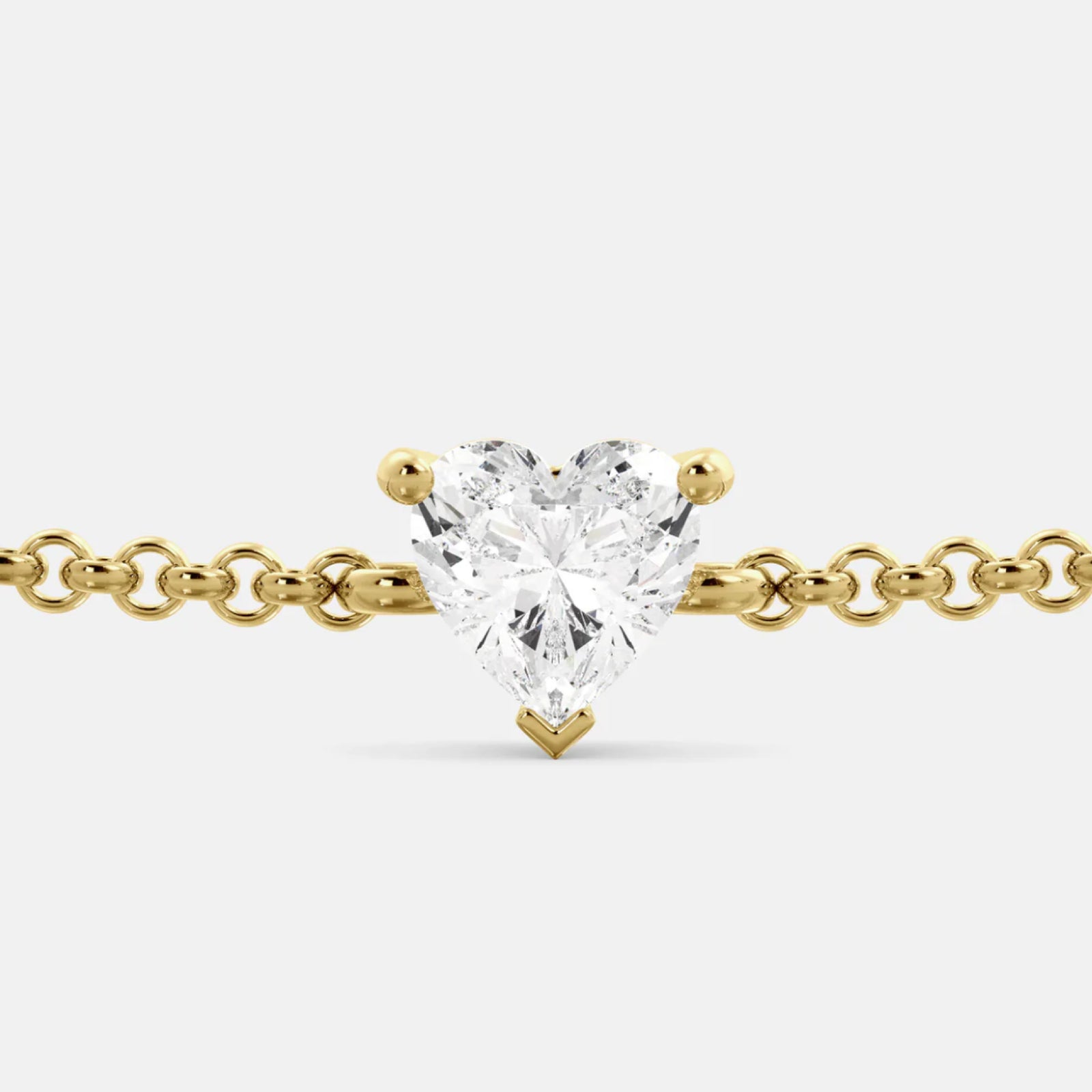

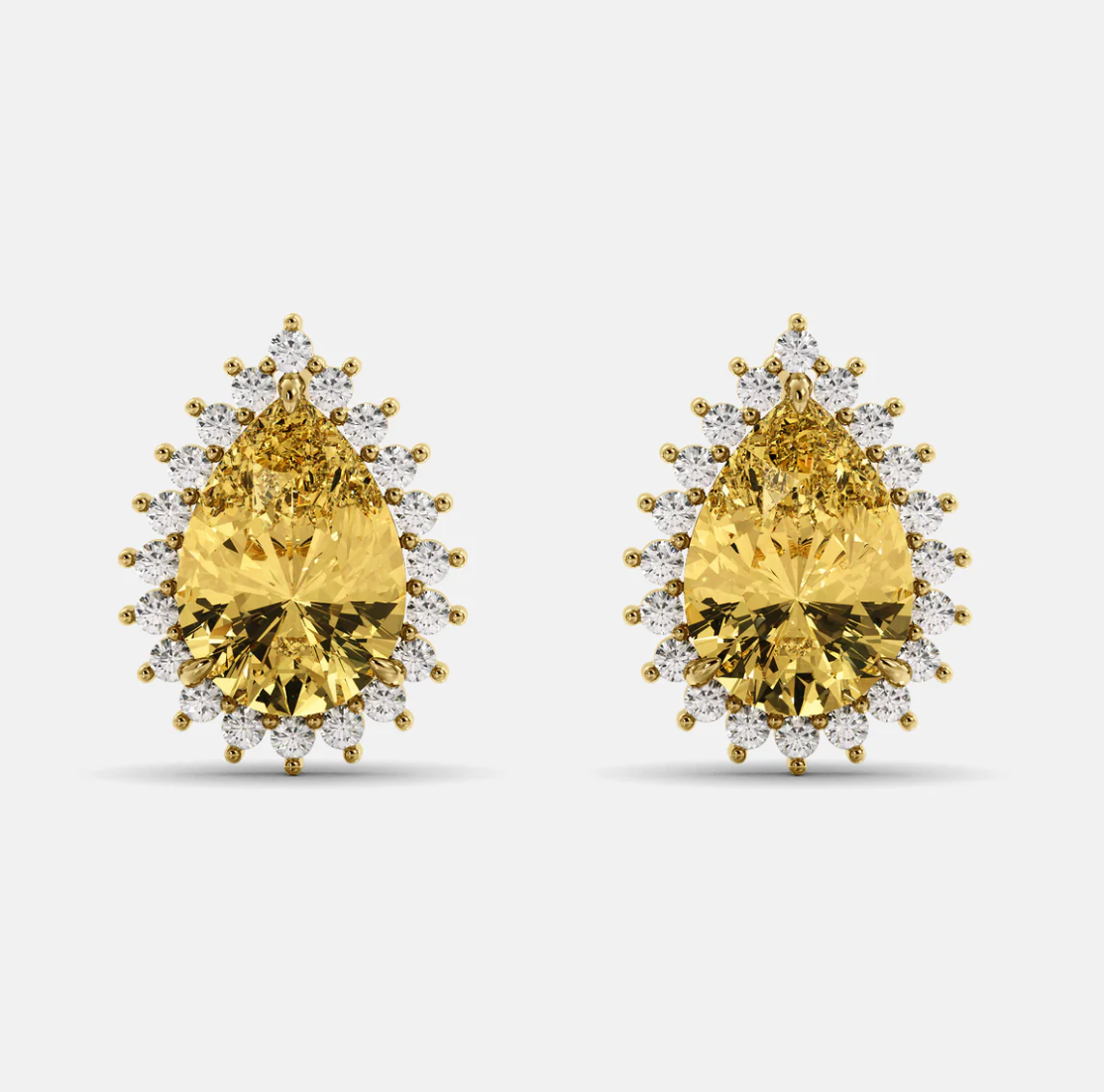

solid gold, gold-plated, gold-filled, recycled gold — the terminology in fine jewelry is genuinely confusing, and the differences matter significantly. this is the complete guide to understanding what you're buying, why it holds value, and why the source of the gold matters as much as the karat.
most people buying jewelry know they want gold. fewer know exactly what they're getting.
the word "gold" appears across price points that range from $30 to $3,000 for visually similar pieces. the difference isn't in how they look on day one — it's in what they're made of, how they perform over time, and what it cost the world to make them. understanding the terminology changes how you shop, not just what you buy.
what is solid gold?
solid gold means the piece is made entirely from a gold alloy throughout — not a gold layer over another metal, not gold bonded to a base, but gold-content metal all the way through. it cannot be worn away, chipped off, or peeled because there is no layer to peel.
pure gold in its natural state (24 karat) is too soft for everyday jewelry — it bends, scratches, and deforms too easily to hold settings or maintain its shape. so solid gold jewelry is made from gold alloys: gold mixed with other metals (silver, copper, zinc, palladium) to create a more durable material while maintaining a high gold content.
this is what gives solid gold its longevity. it doesn't wear through because there's nothing to wear through to. the same piece, worn daily for decades, will retain its structure, its value, and — with basic care — its appearance.
solid gold vs. plated vs. filled
these three terms describe fundamentally different products that are frequently confused — sometimes deliberately, in marketing language that uses "gold" without clarifying which kind.
- Solid gold (10k, 14k, 18k) gold alloy throughout the entire piece. won't tarnish, won't wear through, won't expose a base metal beneath. hypoallergenic at 18k and above; most people tolerate 14k without issue. holds intrinsic material value tied to the gold market. the correct choice for any piece intended for daily wear over years.
- Gold-filled a layer of solid gold mechanically bonded to a base metal core — typically brass. the gold layer is substantially thicker than plating (legally required to be at least 1/20th of the total weight). more durable than plated pieces; will last years of regular wear before the gold layer shows significant wear. not suitable for pieces with heavy daily friction. cannot be resized without compromising the gold layer.
- Gold vermeil a thick layer of gold (minimum 2.5 microns) electroplated over sterling silver. more durable than standard gold plating and a step above standard plated pieces. the gold layer will eventually wear through with daily use — typically within 1–3 years depending on wear patterns, most visibly on the inside of bands and areas of friction.
- Gold-plated a very thin layer of gold (often less than 0.5 microns) electroplated onto a base metal. the least durable option — visible wear typically begins within weeks to months of regular use, exposing the base metal beneath. can cause skin reactions in people sensitive to the base metals used. no meaningful resale or intrinsic value.
understanding karats — 10k, 14k, 18k, 24k
karat (abbreviated k or kt) is the unit used to measure the purity of gold in an alloy. 24 karats represents pure gold; lower karats represent a proportionally lower gold content mixed with other metals.
- 24k — 99.9% pure gold the purest form. rich, deep yellow color. too soft for most jewelry — bends and scratches easily, cannot hold prong settings securely. used in some investment gold and certain cultural jewelry traditions where softness is acceptable. not recommended for everyday fine jewelry.
- 18k — 75% gold the standard for luxury fine jewelry. rich gold color, noticeably warmer and deeper than 14k. more resistant to tarnishing than lower karats due to the higher gold content. slightly softer than 14k, which means it's best suited to pieces that don't experience heavy daily friction — pendants, earrings, occasional-wear rings. hypoallergenic for nearly all wearers.
- 14k — 58.5% gold the most practical choice for everyday fine jewelry. the higher alloy content makes it harder and more scratch-resistant than 18k. it holds prong settings more securely, withstands daily wear better, and is the standard used in most American fine jewelry. slightly less warm in color than 18k but visually indistinguishable to most people. the choice at juwels & co for all pieces.
- 10k — 41.7% gold the minimum karat legally permitted to be sold as "gold" in the United States. the most durable of all karats due to the higher alloy content, but also the least gold-rich. noticeably paler in color. less valuable intrinsically and less desirable for fine jewelry. the alloy content can cause skin reactions in people with metal sensitivities.
yellow, white, and rose gold
the color of gold is determined by which metals are mixed with the gold content. all three colors are solid gold — the karat determines the gold content; the alloy determines the color.
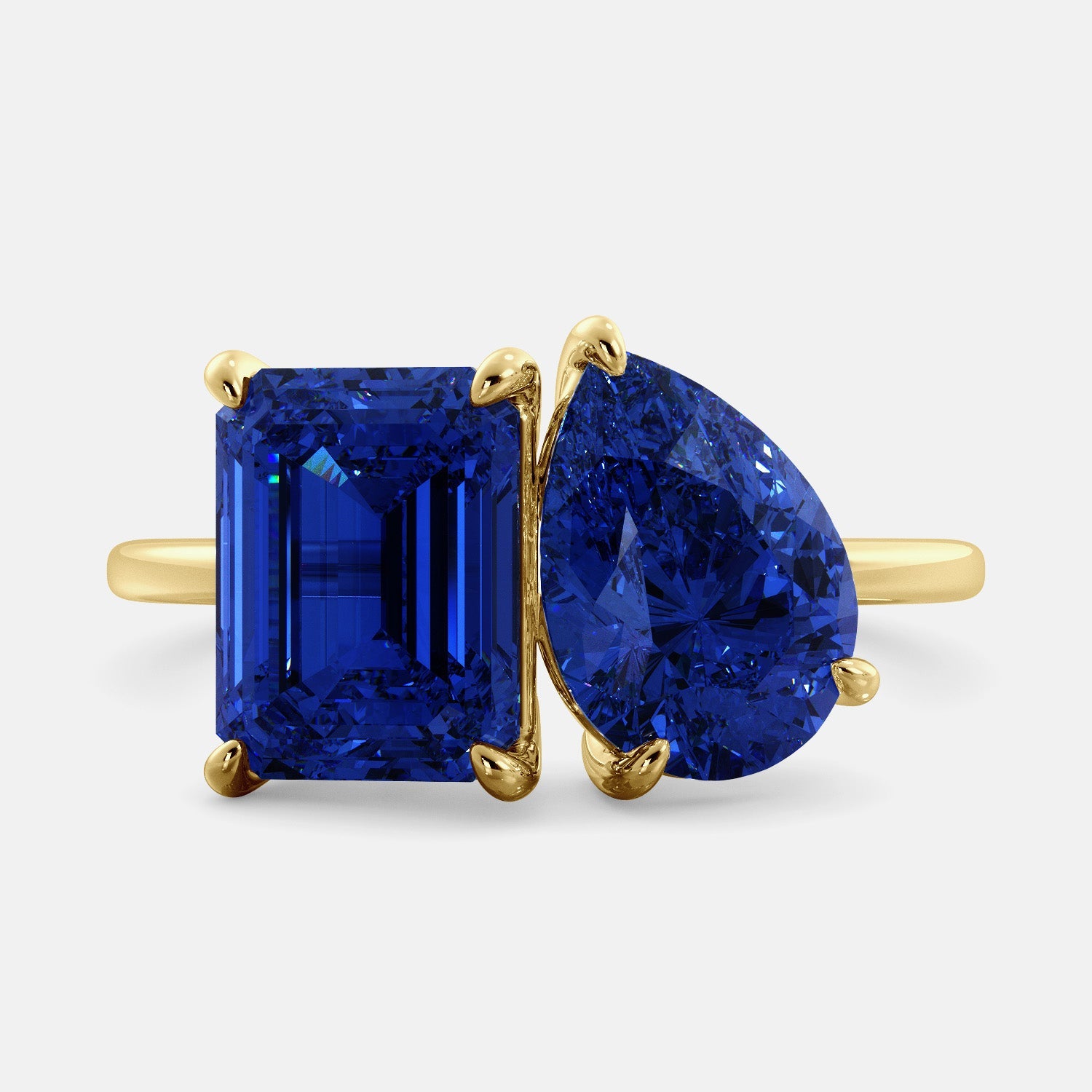
- Yellow gold gold alloyed primarily with silver and copper in proportions that maintain the natural warm yellow of gold. the most traditional and historically consistent gold color. complements warm skin tones and colored gemstones particularly well. requires minimal maintenance — doesn't need rhodium plating to maintain its appearance.
- White gold gold alloyed with white metals — typically palladium or nickel — and usually finished with a rhodium plating that gives it a bright, silvery-white appearance. the rhodium plating can wear over time (especially on rings), revealing the slightly warmer tone of the gold alloy beneath. re-plating is a standard and straightforward maintenance procedure. the cooler tone makes colorless diamonds appear more brilliant.
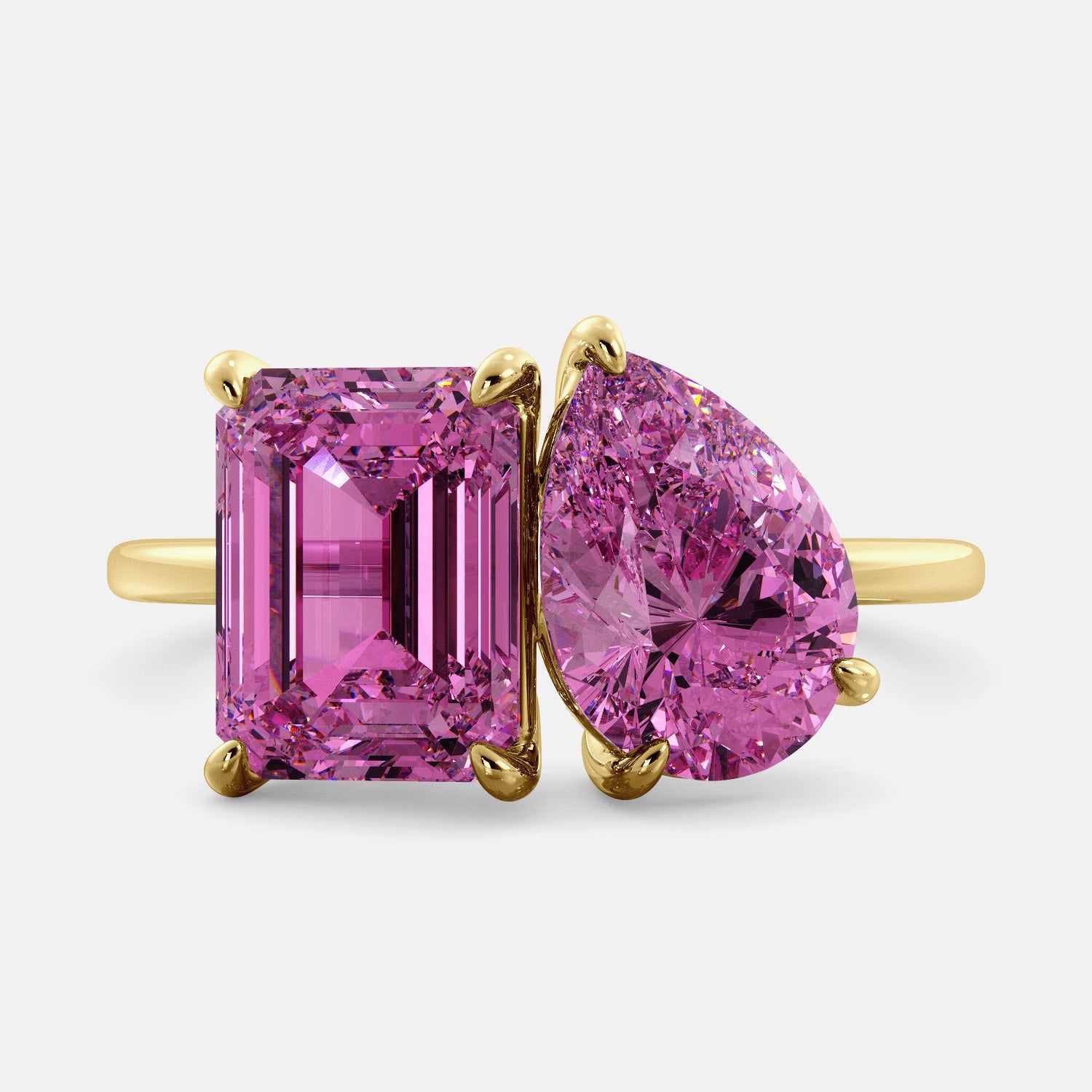
- Rose gold gold alloyed with a higher proportion of copper, which gives it its distinctive warm pink tone. the more copper, the deeper the rose. 14k rose gold has more copper than 18k rose gold, so it appears slightly more pink. the copper content makes rose gold marginally harder than yellow or white gold. a romantic, warm aesthetic that works particularly well with morganite, pink tourmaline, and ruby.
what is recycled gold?
recycled gold is gold that has been recovered from existing sources — old jewelry, industrial components, electronics, dental gold — melted down, refined back to a pure state, and re-alloyed for use in new pieces. chemically and physically, it is identical to newly mined gold. there is no difference in appearance, durability, or karat between recycled and newly mined gold once refined.
the difference is entirely in origin — and that difference is significant.
gold mining is one of the most environmentally intensive extraction industries in the world. the figures are striking: approximately 20 tonnes of mine waste are generated for every single ounce of gold extracted. open-pit gold mining displaces communities, contaminates water systems with heavy metals, and releases mercury — used in artisanal mining — into surrounding ecosystems. recycled gold bypasses this entirely.
why recycled gold matters
the supply of gold already above ground — in existing jewelry, electronics, and vaults — is vast. estimates suggest that all the gold ever mined in human history would fit in roughly 3.5 Olympic swimming pools. a significant portion of this already-refined gold circulates back into the supply chain through recycling.
choosing recycled gold doesn't mean accepting a lesser product. it means directing demand toward a source that:
- Eliminates new mining impact no new land disturbance, no new tailings ponds, no new mercury use in artisanal operations. the gold that already exists gets a new life without the environmental cost of extraction.
- Supports responsible supply chains gold mining supply chains can be difficult to trace and are associated with documented human rights issues in certain regions. recycled gold sidesteps these concerns by sourcing from refiners and dealers within established, traceable channels rather than from active mines.
- Reduces overall demand for new extraction at scale, consumer preference for recycled gold reduces the economic incentive for new mine development. individual purchasing choices aggregate into market signals that jewelers, refiners, and eventually mining companies respond to.
- Delivers identical quality once refined and re-alloyed, recycled gold is indistinguishable from new gold in every measurable way. the piece you wear doesn't carry any trace of its origin — only the choice to source it responsibly.
how we use gold at juwels & co
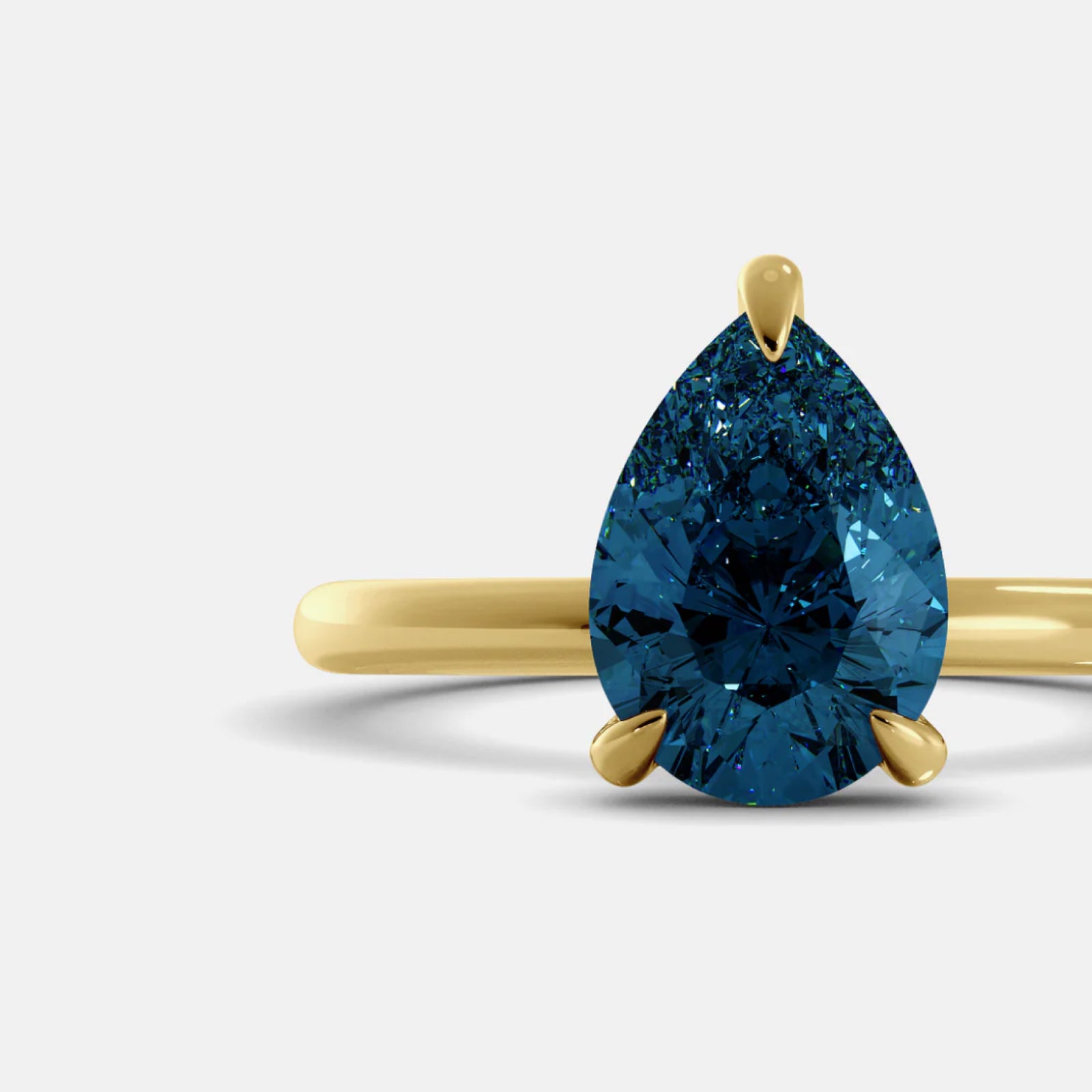
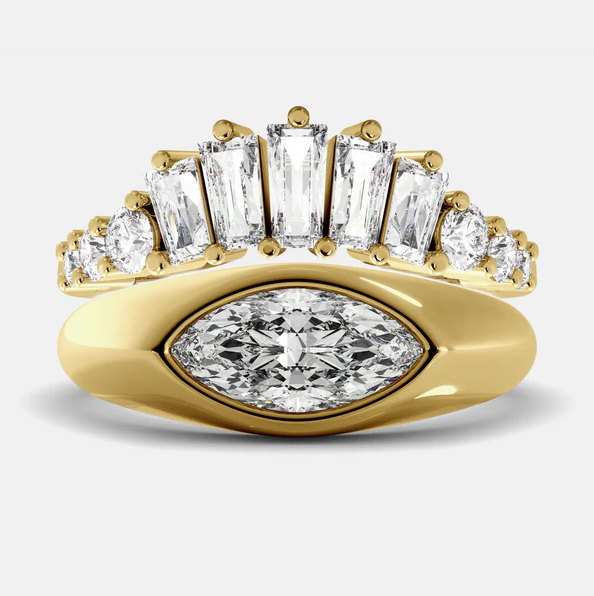
every piece at juwels & co is made in solid 14k gold — yellow, white, or rose — using recycled gold. not as an optional upgrade or a marketing distinction, but as the standard from which we've operated since the brand began.
14k was chosen deliberately. it's the most durable solid gold alloy for everyday wear — harder than 18k, more resistant to scratching, and better at holding stone settings securely over years of daily use. it's the right material for pieces designed to be worn constantly, not saved for occasions.
recycled gold was chosen for the same reason we make everything in los angeles, to order, by hand: because how something is made matters. the traceability of our supply chain, the sourcing of our materials, and the labor conditions in our studio are not peripheral considerations — they are part of the design.
frequently asked questions
what is solid gold jewelry?
is 14k gold solid gold?
how can you tell if jewelry is solid gold?
what is the difference between solid gold, gold-filled, and gold-plated?
does solid gold tarnish?
what karat gold is best for everyday wear?
what is recycled gold?
is recycled gold the same quality as new gold?
why is recycled gold better for the environment?
does juwels & co use recycled gold?
solid gold. recycled. made to last.
every piece handcrafted in solid 14k recycled gold in los angeles — made to order, for you, for keeps.


