































Lab-Grown Diamonds — Everything You Need to Know Before You Buy
what they are, how they're made, how they compare to natural diamonds, and the honest answer to every question buyers actually ask.
- What are lab-grown diamonds?
- How are lab-grown diamonds made? CVD vs. HPHT
- Are lab-grown diamonds real diamonds?
- Lab-grown vs. natural diamonds: side-by-side
- The honest pros and cons
- The resale value question — answered directly
- How much do lab-grown diamonds cost?
- How we work with lab-grown diamonds at Juwels & Co
- Frequently asked questions
lab-grown diamonds have moved from a niche alternative to a mainstream choice in fine jewelry. they're now the default for a significant and growing number of buyers — and for good reason. but they also come with trade-offs that deserve an honest conversation.
this guide covers everything: what lab-grown diamonds actually are, how they're created, how they genuinely compare to natural diamonds, and the questions buyers most often ask — including the ones the industry sometimes avoids answering directly.
What are lab-grown diamonds?
a lab-grown diamond is a real diamond — chemically, physically, and optically identical to a diamond formed naturally in the earth. it is pure crystallized carbon with the same atomic structure, the same hardness (10 on the Mohs scale), the same refractive index, and the same fire and brilliance as a mined stone.
the difference is origin and timeline. a natural diamond forms over millions to billions of years under extreme pressure and temperature deep in the earth's mantle. a lab-grown diamond replicates those same conditions — or a variant of them — in a controlled environment, growing a real diamond in weeks rather than geological time.
lab-grown diamonds are distinct from diamond simulants like cubic zirconia or moissanite, which look similar but are different materials with different properties. a lab-grown diamond is not a simulant — it is a diamond.
How are lab-grown diamonds made? CVD vs. HPHT
there are two primary methods used to grow diamonds in a laboratory. both produce real diamonds; they use different processes to get there.
HPHT — High Pressure High Temperature
HPHT replicates the natural conditions found deep in the earth. a diamond seed is placed in a growth chamber and subjected to extreme heat (1,300–1,600°C) and pressure above 870,000 pounds per square inch. carbon melts onto the seed and crystallizes into a diamond. HPHT is the older of the two methods and is also used to treat some natural diamonds to improve their color.
CVD — Chemical Vapor Deposition
CVD grows diamonds from a gas. a diamond seed is placed in a sealed chamber filled with carbon-rich gases (typically methane). the chamber is heated to around 800°C, which breaks the gases down and allows carbon atoms to deposit layer by layer onto the seed, gradually building a diamond crystal. CVD produces diamonds with excellent optical purity and is the dominant method used today for gem-quality lab-grown stones.
Are lab-grown diamonds real diamonds?
yes. this is the question most people ask first, and the answer is unambiguous: lab-grown diamonds are chemically, physically, and optically identical to natural diamonds. they are made of the same material — pure crystallized carbon — with the same atomic structure.
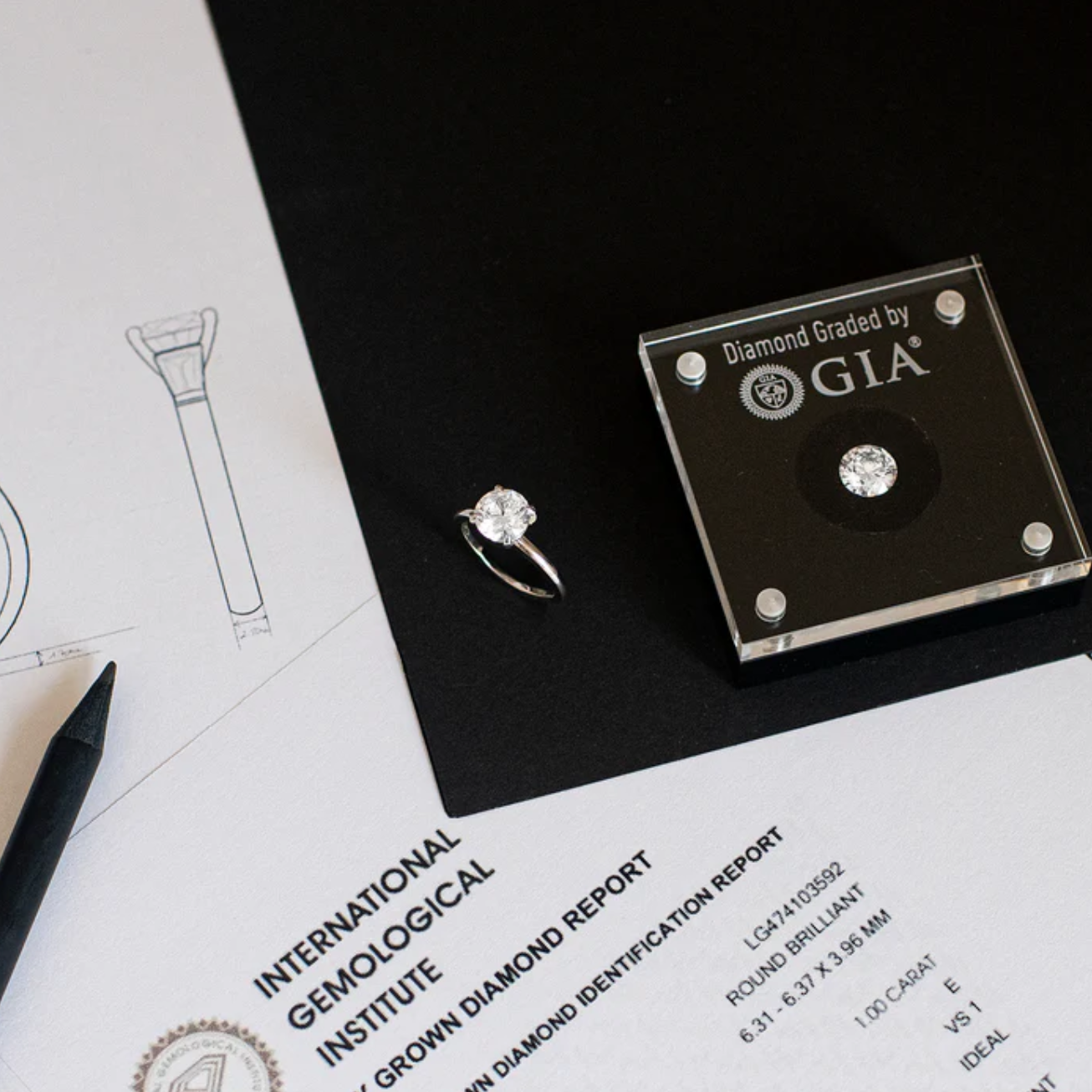
the GIA, the world's leading diamond grading authority, certifies lab-grown diamonds and grades them using the same 4Cs system it uses for natural stones. the FTC (Federal Trade Commission) revised its guidelines in 2018 to confirm that lab-grown diamonds meet the definition of "diamond" and that sellers cannot legally imply they are less real than mined diamonds.
a trained gemologist cannot distinguish a lab-grown diamond from a natural one with the naked eye or a standard loupe. differentiation requires specialist equipment that detects trace elements and growth patterns. the stones are identical in every way a consumer can observe.
Lab-grown vs. natural diamonds: side-by-side
| Lab-Grown Diamond | Natural Diamond | |
|---|---|---|
| Chemical composition | Pure crystallized carbon | Pure crystallized carbon |
| Hardness | 10 (Mohs scale) | 10 (Mohs scale) |
| Appearance | Identical — same fire, brilliance, scintillation | Identical — same fire, brilliance, scintillation |
| Origin | Grown in a lab in weeks | Formed in the earth over billions of years |
| Price | 40–70% less than natural equivalents | Higher — reflects rarity and mining costs |
| Resale value | Lower — market still developing | Higher — established resale market |
| Environmental impact | No land disruption; energy-intensive production | Significant land and water use in mining |
| Certification | IGI (standard) or GIA | GIA (standard) or IGI |
| Distinguishable by eye | No | No |
The honest pros and cons
lab-grown diamonds have real advantages — and real trade-offs. here's both sides without the marketing spin.
Advantages
-
+
significantly lower price. lab-grown diamonds cost 40–70% less than natural diamonds of equivalent grade and size. that means a meaningfully larger or higher-quality stone for the same budget.
-
+
identical quality and appearance. chemically and visually the same as a natural diamond. same brilliance, same durability, same feel when worn every day.
-
+
no mining. no land disruption, no displacement of communities near mining sites, no conflict-zone sourcing. for buyers who care about ethical origin, lab-grown removes those concerns entirely.
-
+
certified and traceable. every lab-grown diamond we work with comes with an IGI certificate documenting its 4Cs, its growth method, and its full characteristics.
-
+
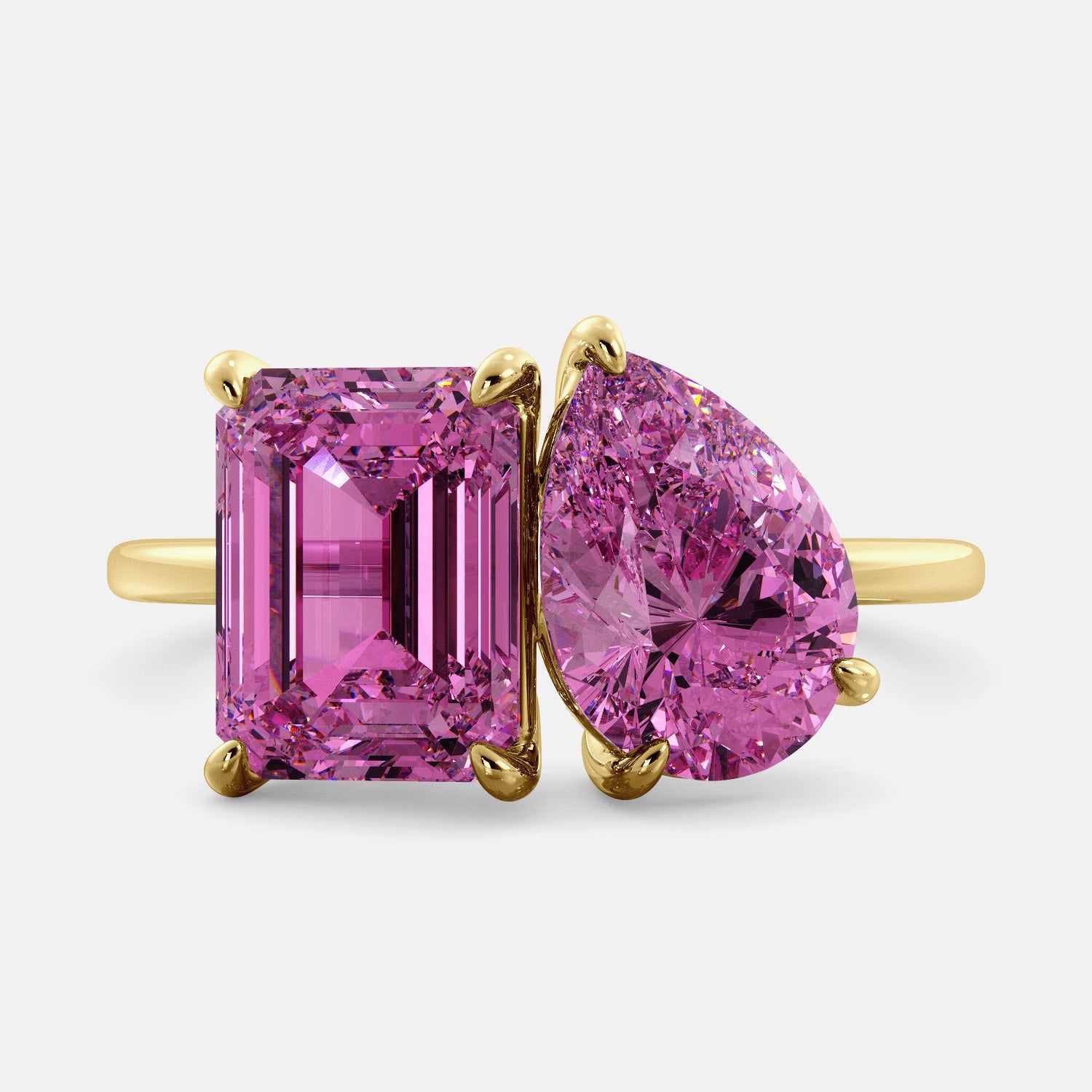
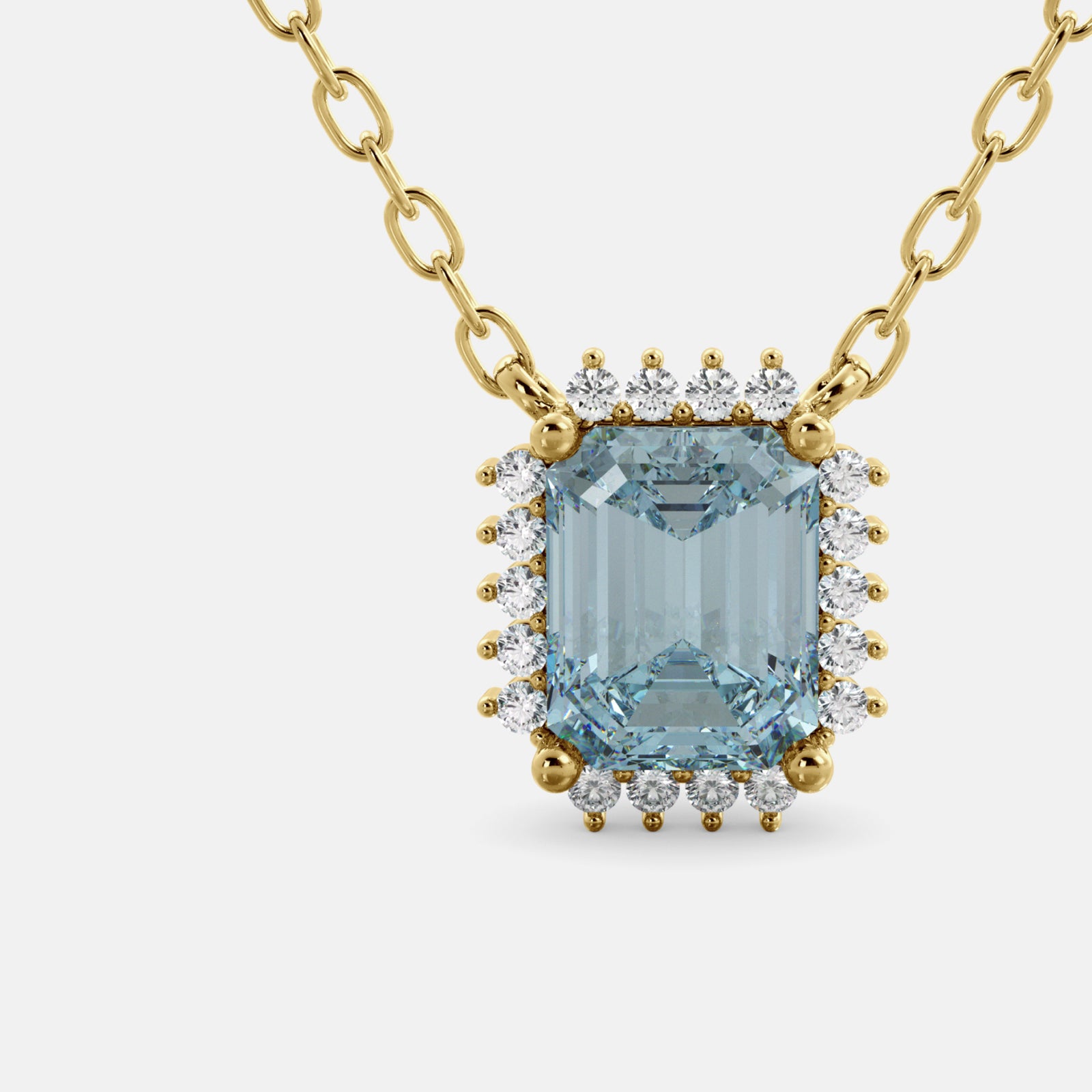
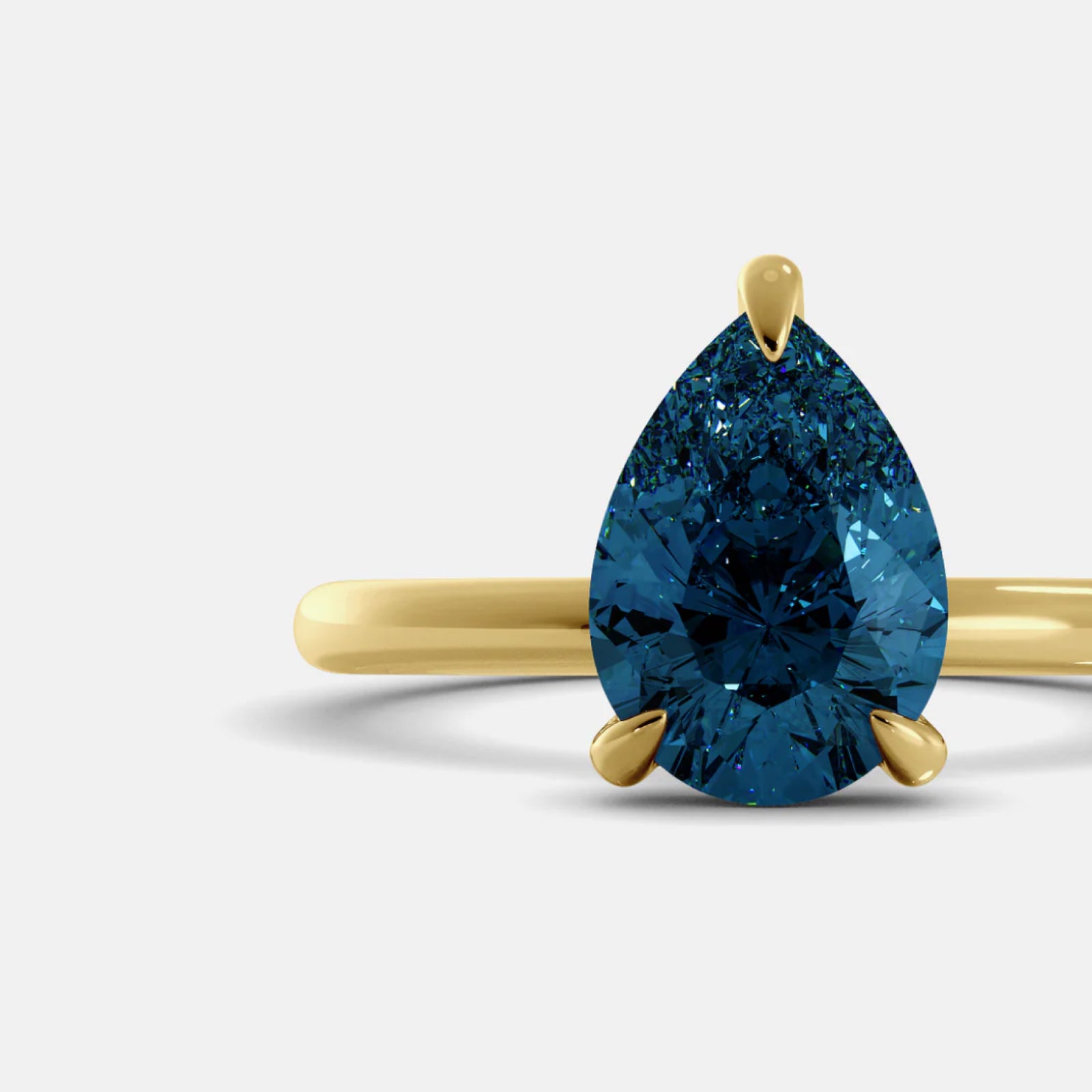
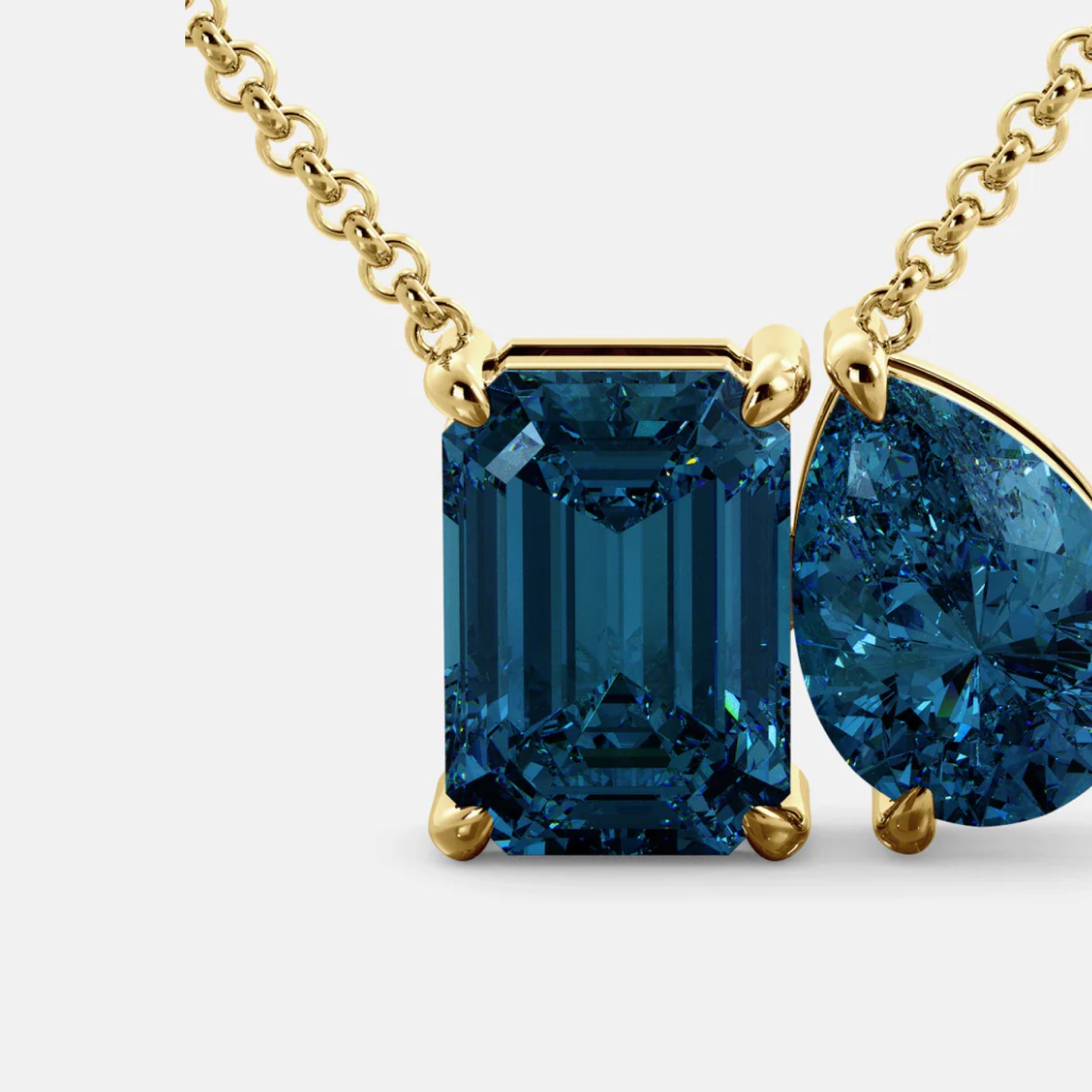
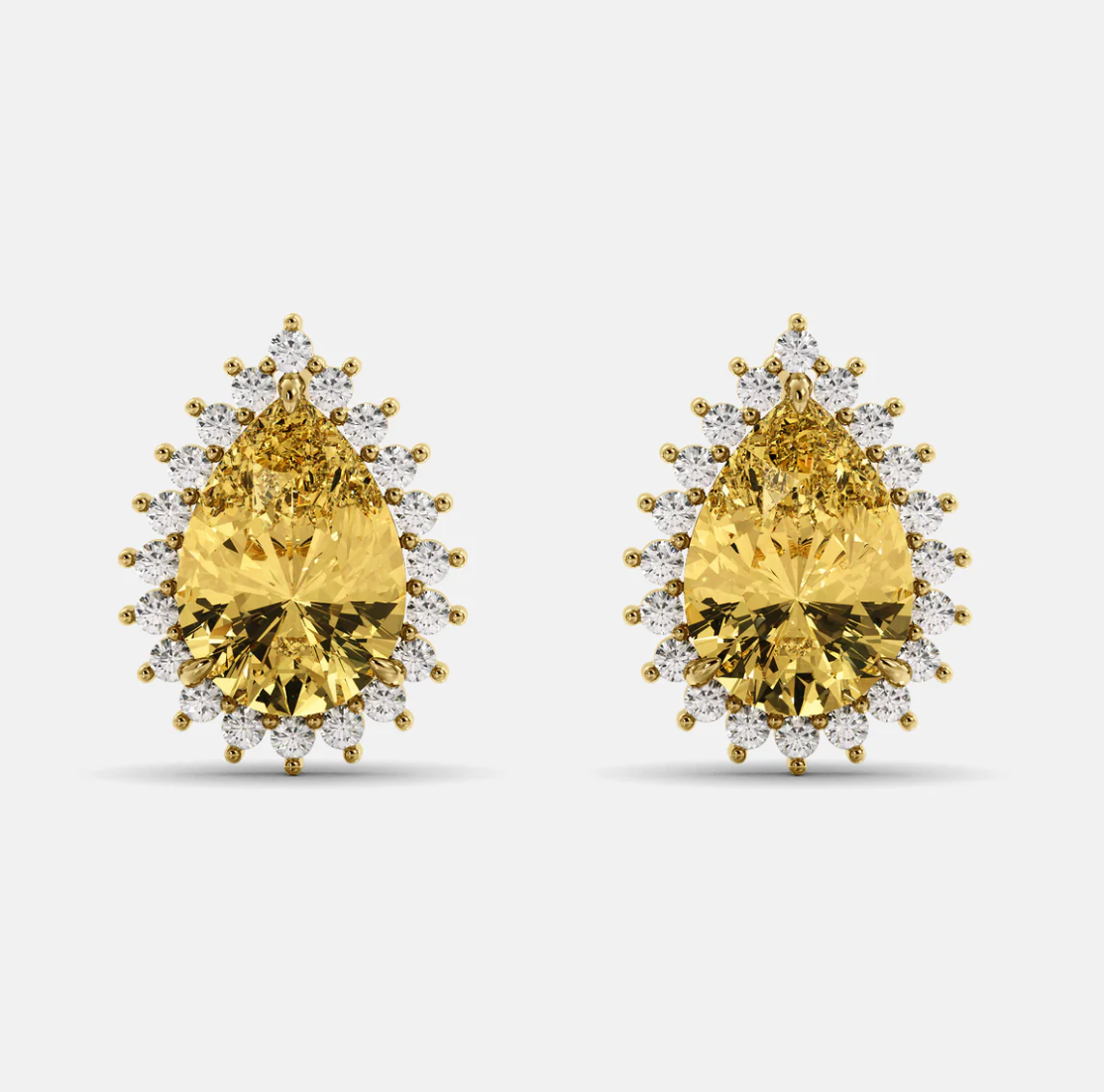
available in rare colors. fancy colored lab-grown diamonds — vivid yellows, pinks, blues — are produced at a fraction of the cost of their natural equivalents, making statement stones accessible.
Trade-offs
-
−
lower resale value. this is the most important trade-off to understand honestly. lab-grown diamond prices have dropped significantly as production has scaled. the resale market is still developing and does not hold value the way natural diamonds do. if long-term investment or eventual resale matters, this is worth factoring in.
-
−
no geological rarity. a natural diamond's value is partly rooted in the fact that it cannot be replicated — it took billions of years to form. lab-grown diamonds can be produced at scale, which affects their long-term market position.
-
−
energy-intensive production. growing diamonds in a lab requires significant energy. some producers use renewable energy; others don't. it's worth asking about the production source if environmental impact is your primary motivation.
The resale value question — answered directly
lab-grown diamond prices have fallen dramatically over the past several years as production technology has scaled and supply has increased. a lab-grown diamond purchased today will likely be worth less if resold in five years — and this is not a speculation, it's a market reality.
natural diamonds hold value better over time because their supply is fixed by geology. lab-grown diamonds can be produced in increasing quantities, which puts downward pressure on prices.
what this means practically: if you're buying a diamond primarily as a financial investment, a GIA-certified natural diamond is the more defensible choice. if you're buying a diamond to wear — to celebrate a moment, to mark a relationship, to own something beautiful that you'll keep — then resale value may matter far less than what the stone means to you and what you're able to spend on it.
How much do lab-grown diamonds cost?
lab-grown diamonds typically cost 40–70% less than natural diamonds of equivalent cut, color, clarity, and carat weight. the price gap has widened over recent years as production has scaled.
in practical terms, this means the budget for a 1-carat natural diamond can often buy a 1.5–2 carat lab-grown stone of equivalent quality. for buyers where size or grade matters more than origin, this is a significant consideration.
pricing varies by the same 4Cs that govern natural diamond pricing: cut quality, color grade, clarity grade, and carat weight. a well-cut, near-colorless lab-grown diamond in the D–G color range and VS clarity will cost more than a lower-grade stone of the same carat — just as with natural diamonds.
at juwels & co, all lab-grown diamond pricing is transparent and provided in full before any commitment. if you want to compare options across carat weights or grades, we're happy to walk you through it directly.
How we work with lab-grown diamonds at Juwels & Co
we work with lab-grown diamonds because our customers ask for them — and because, for many of the pieces we make, they're the right choice.
every lab-grown diamond we source is IGI-certified. the certificate documents the stone's 4Cs, its growth method (CVD or HPHT), and its full grading details. you'll receive the certificate with your piece.
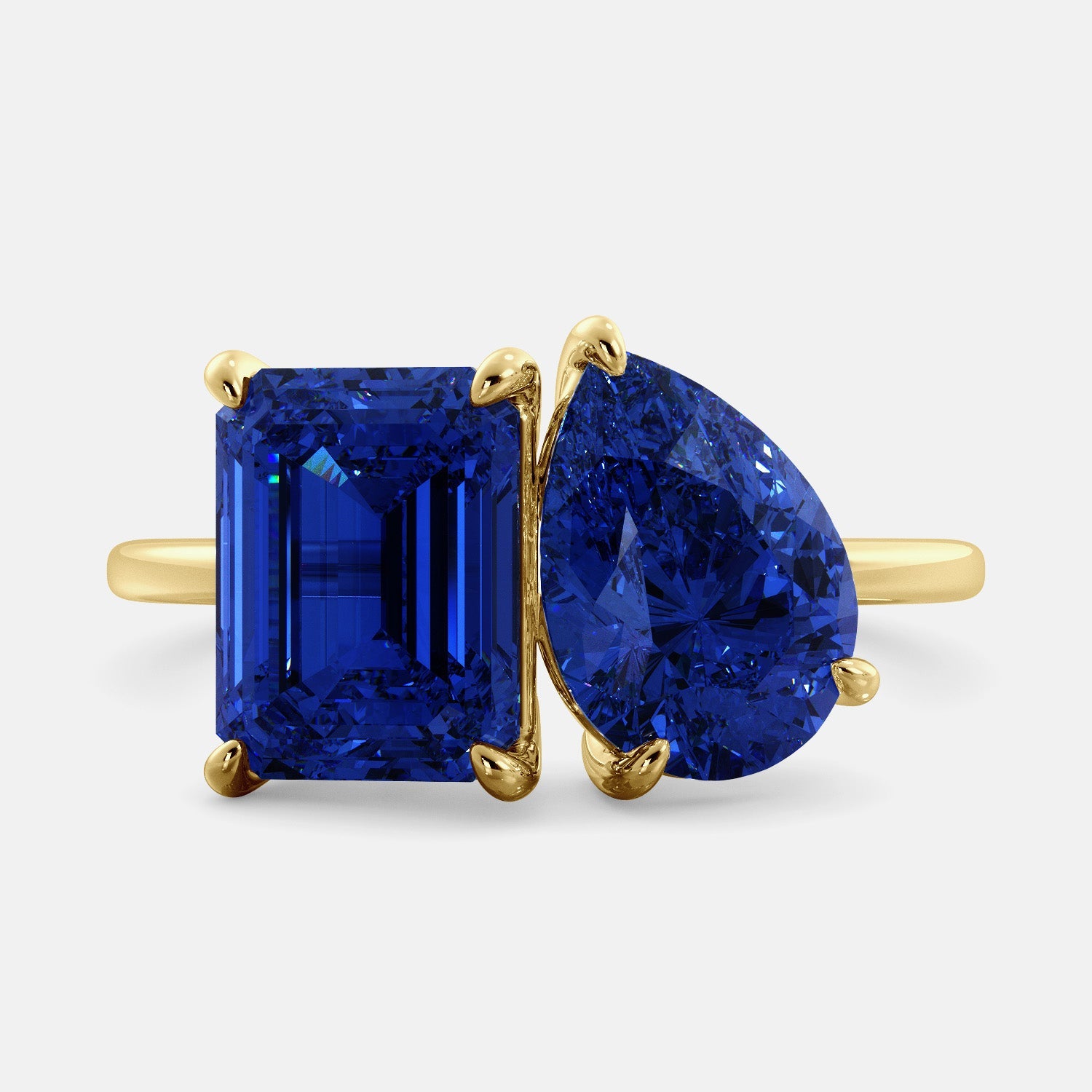
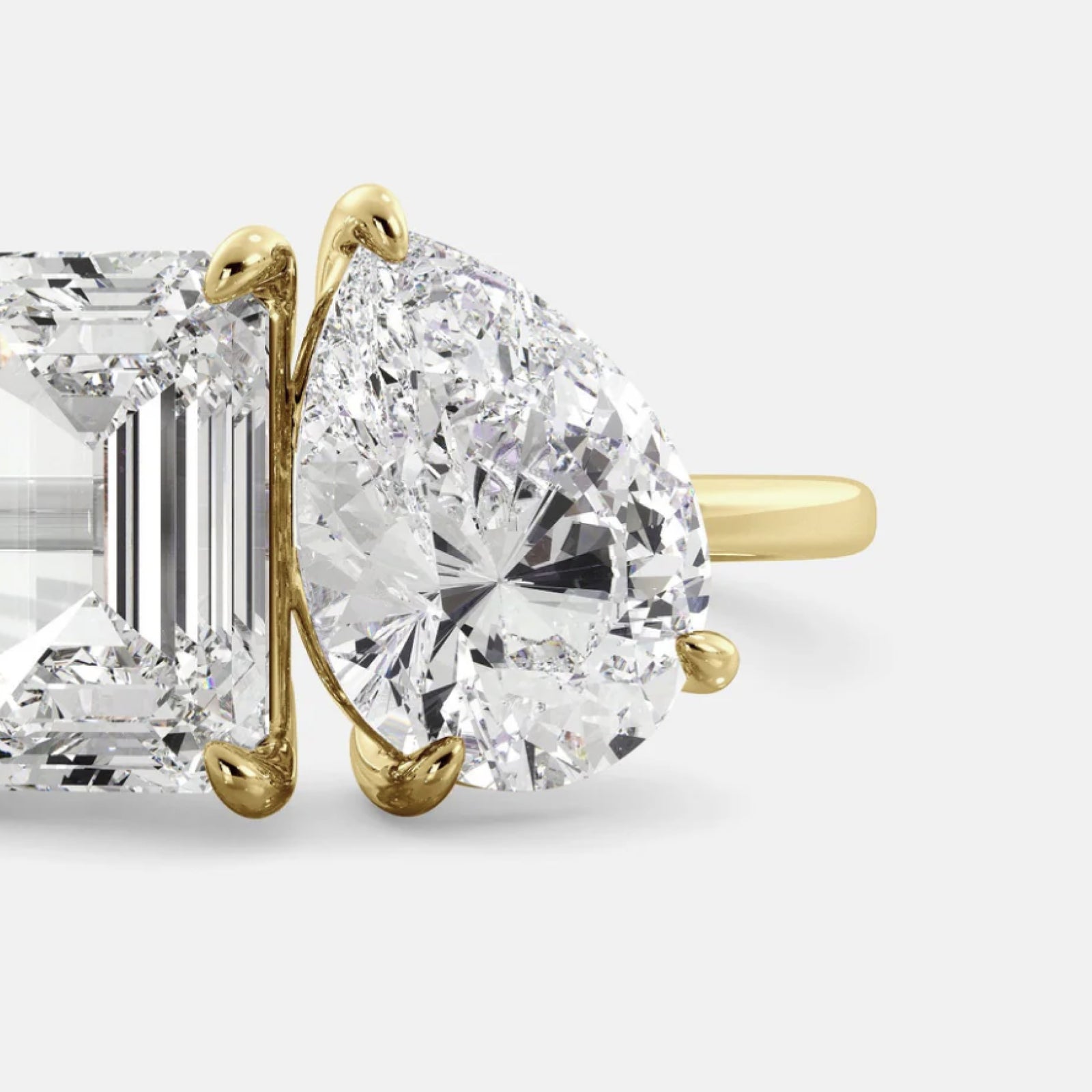
lab-grown diamonds are particularly well-suited to our toi et moi birthstone rings — where two meaningful stones are set side by side and the emotional significance of the pairing matters more than the geological origin of either stone. they're also a practical choice for customers who want a larger or higher-grade diamond without the cost of a natural equivalent.
if you're weighing lab-grown against natural for a specific piece, we're always happy to discuss it honestly — including the trade-offs. julia personally handles every diamond inquiry and will give you a straight answer, not a sales pitch.
Frequently asked questions
lab-grown or natural — both handcrafted in solid gold.
your stone, your choice, your story.
we work with both. julia personally guides every diamond selection — with honest advice, no pressure, and full certification on every stone.
start your custom diamond piece →


