













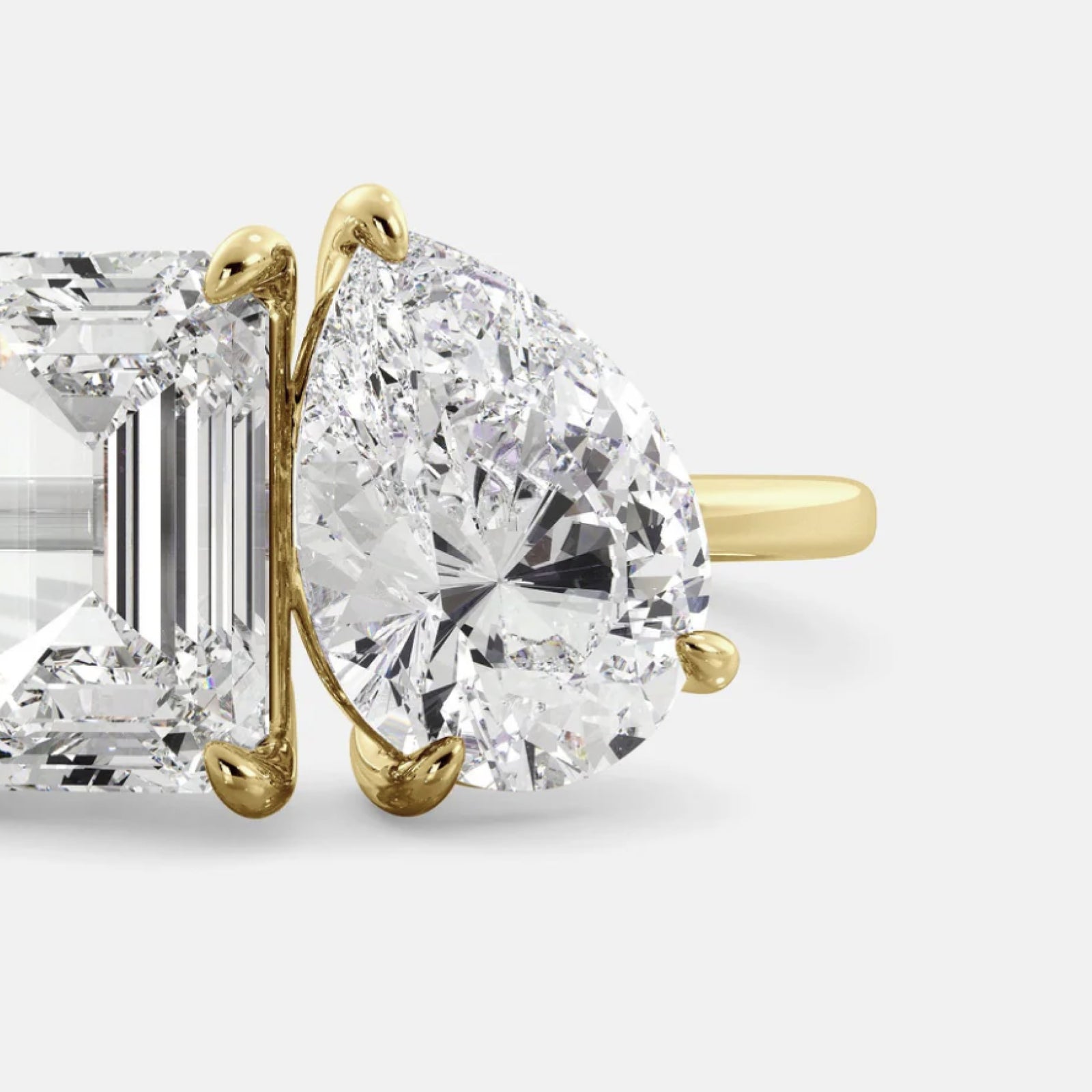

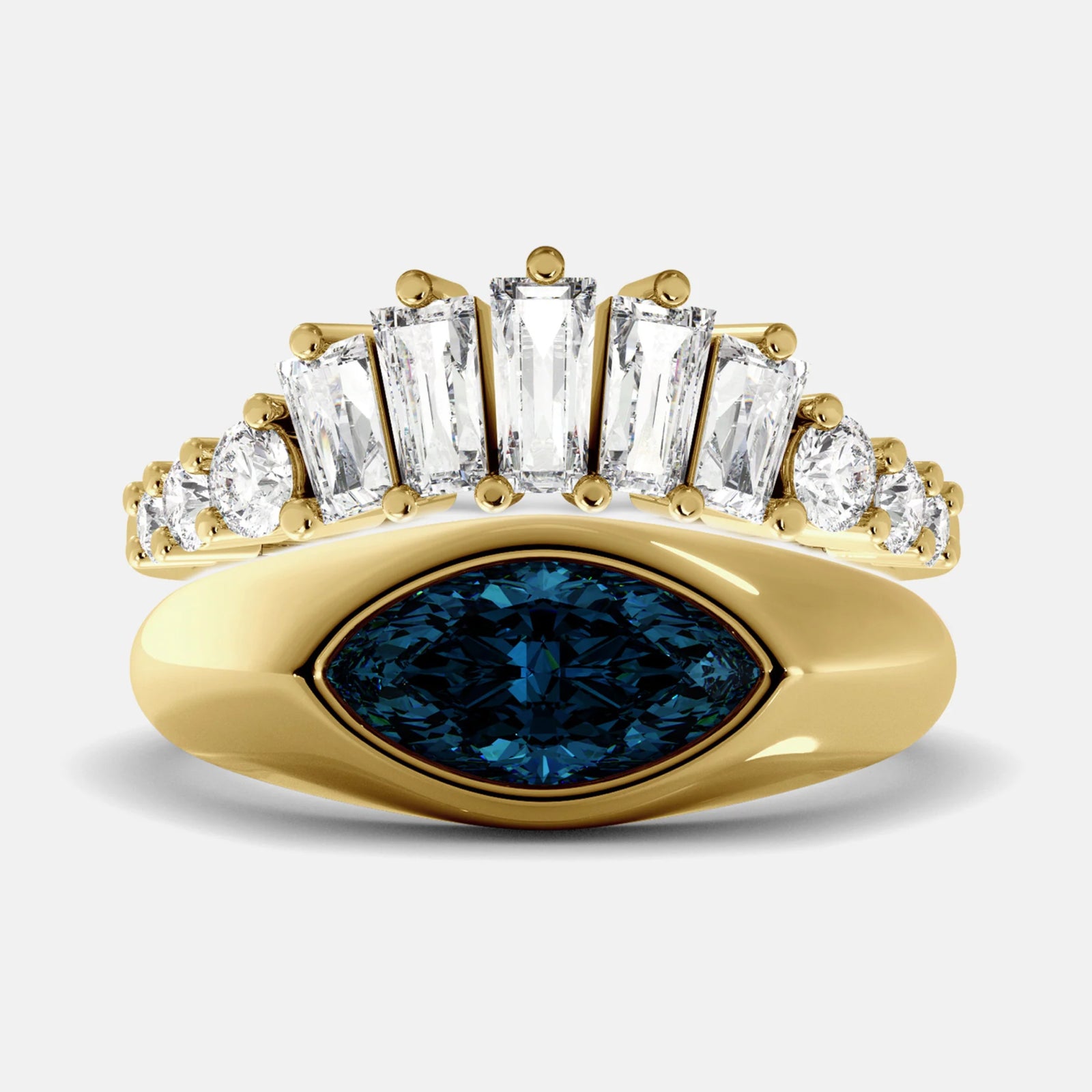

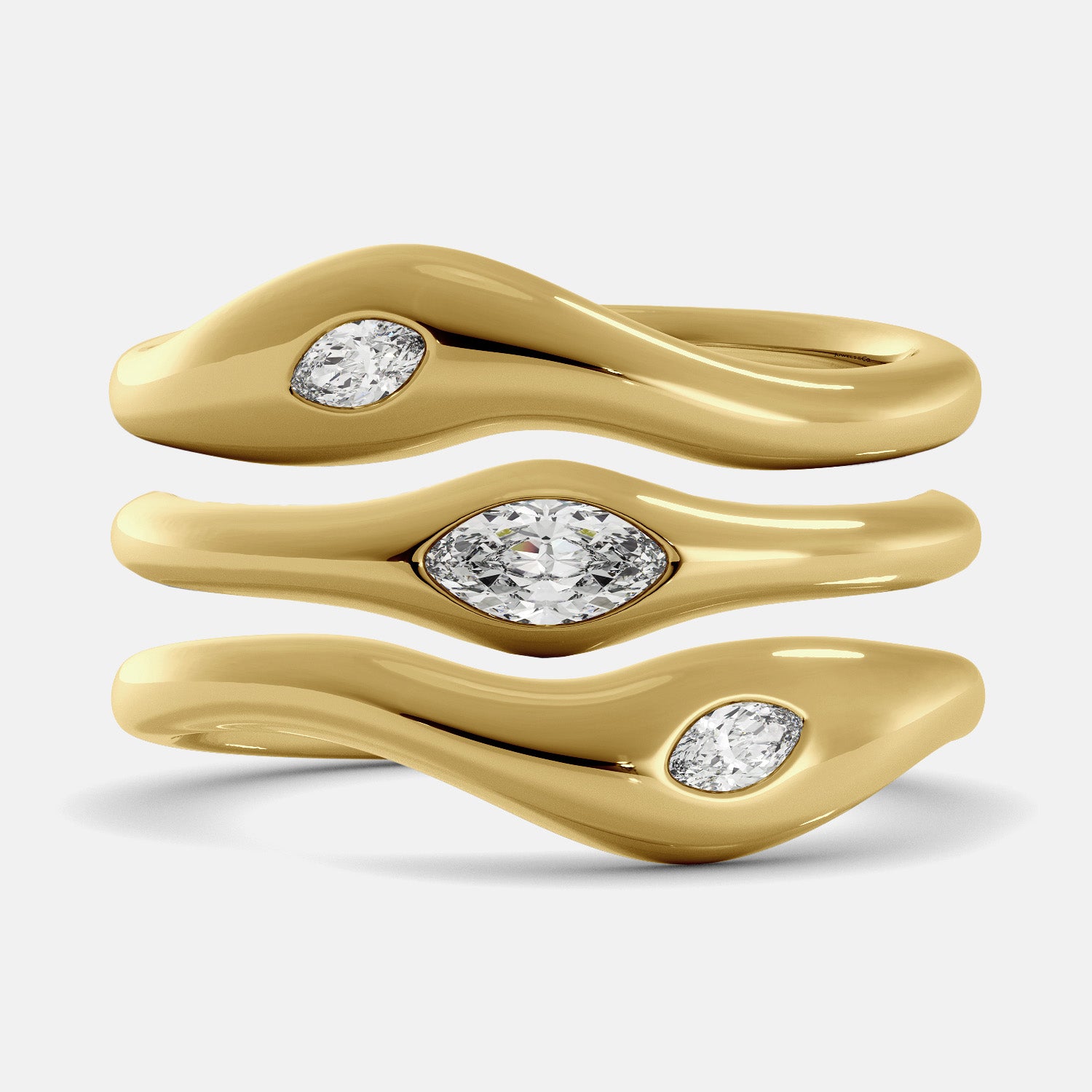

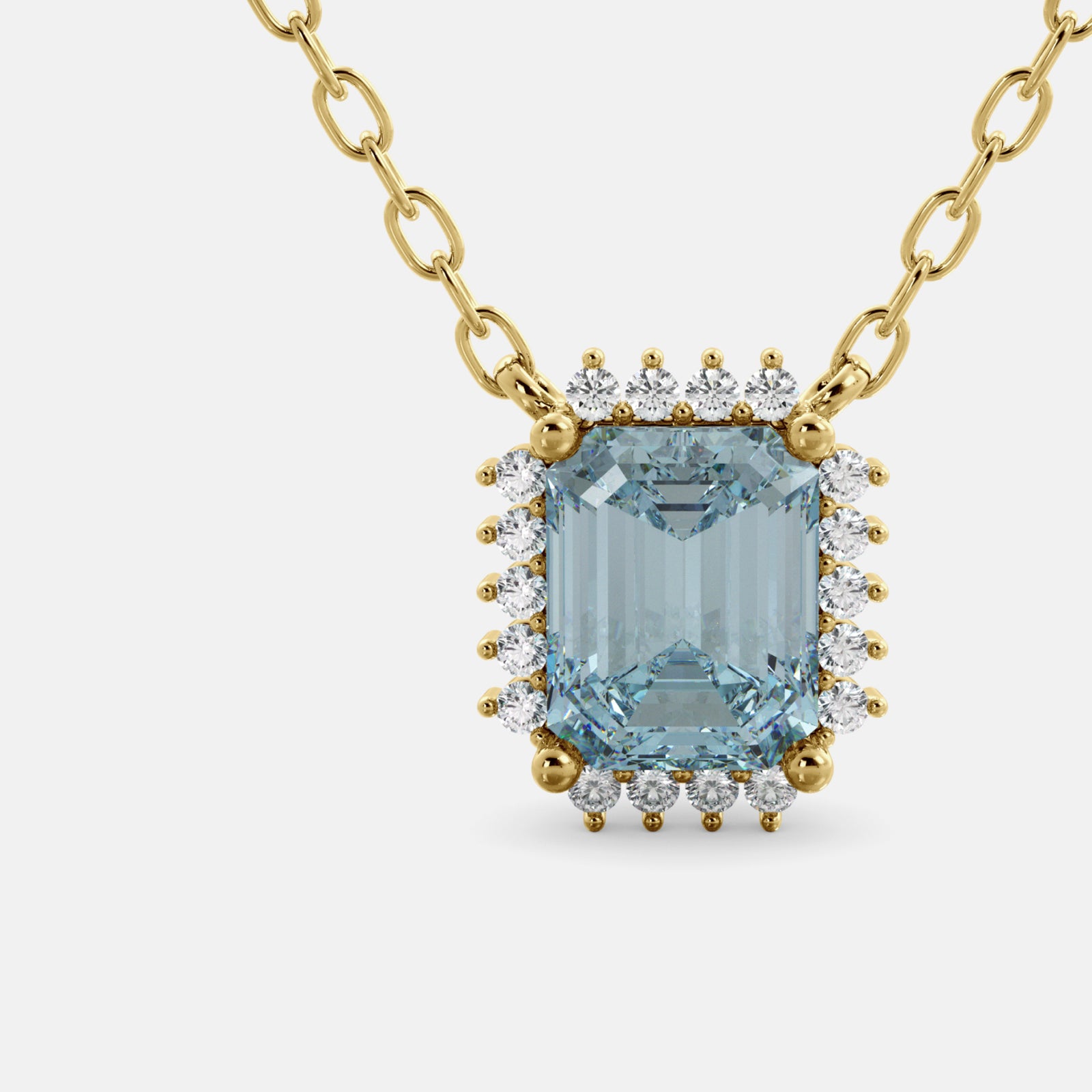










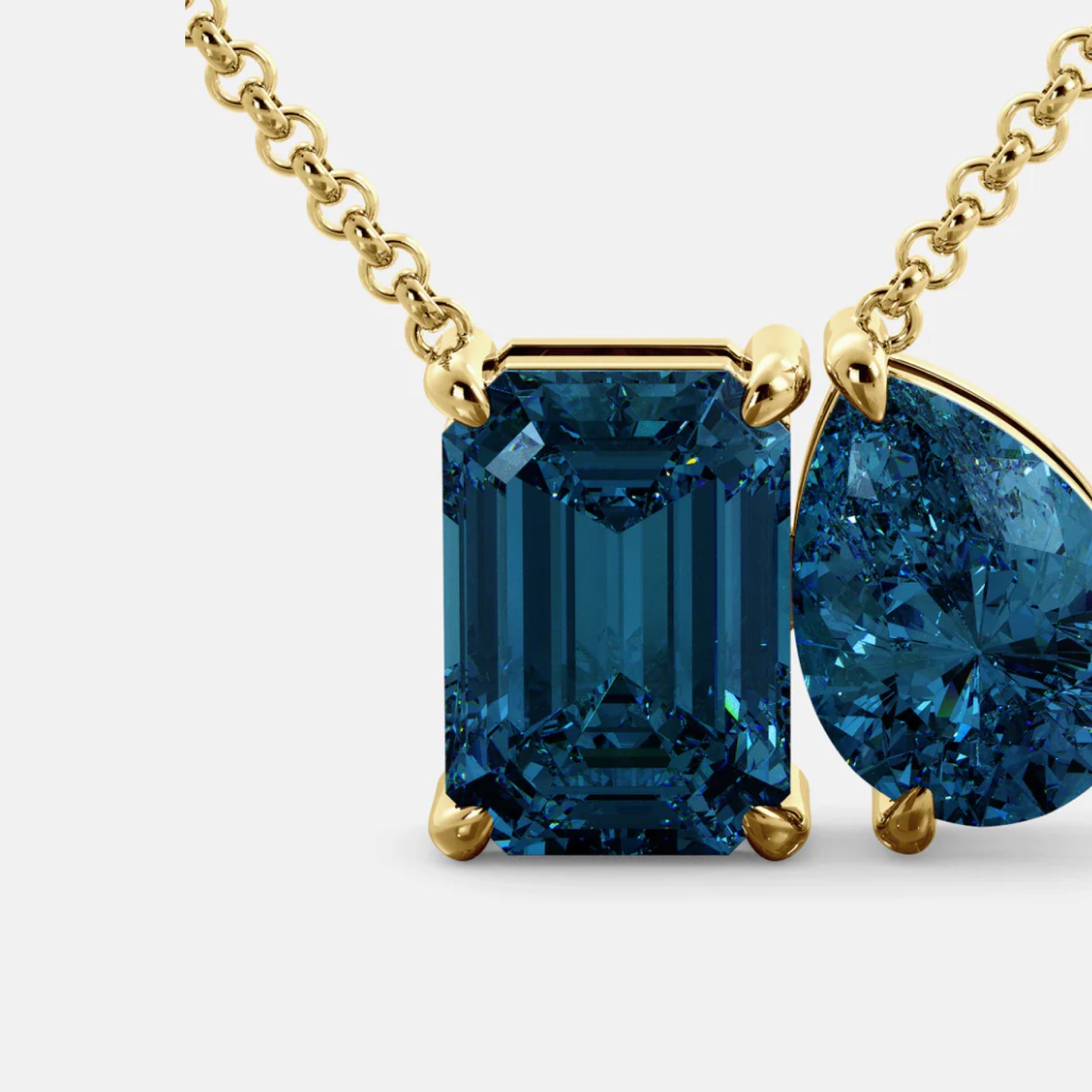

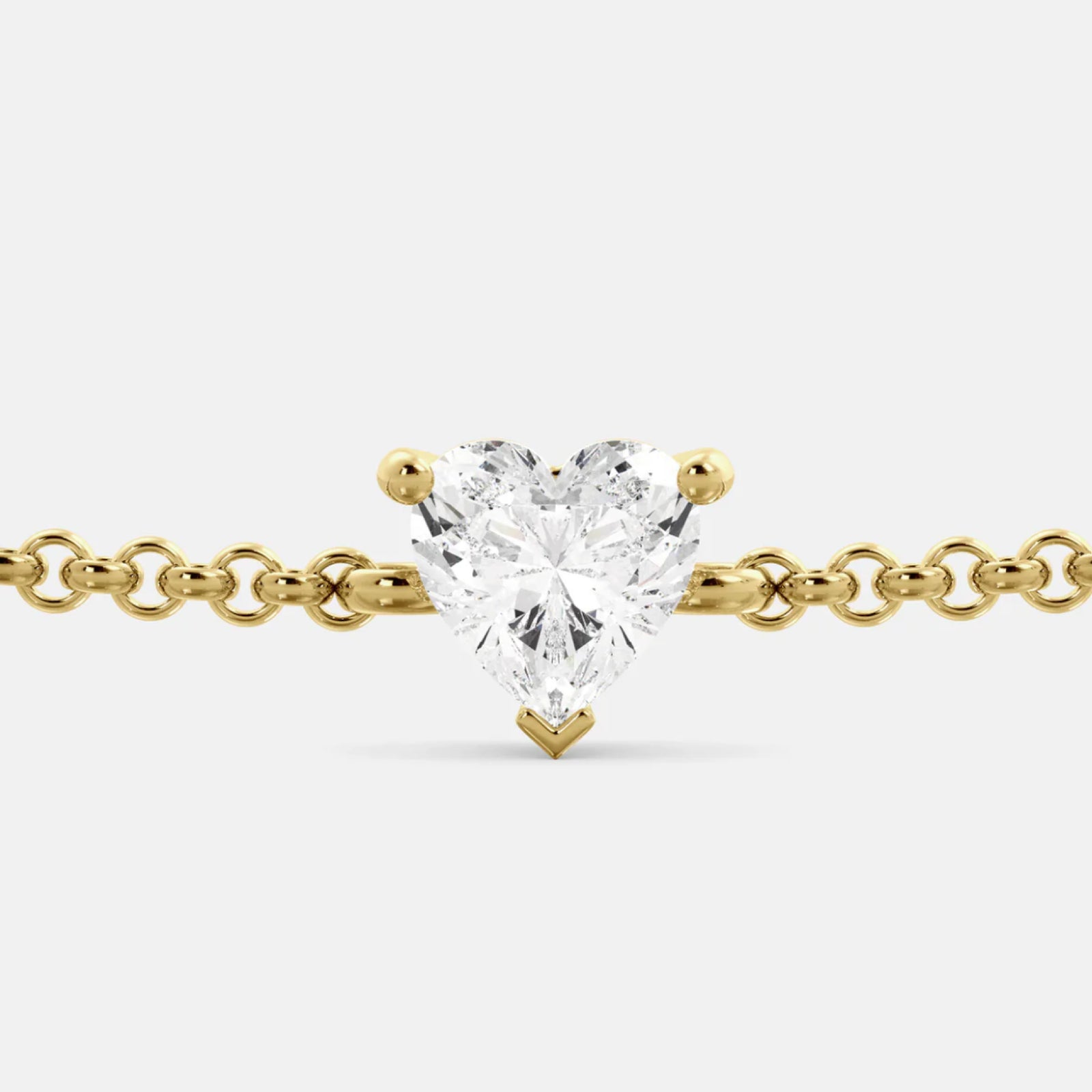

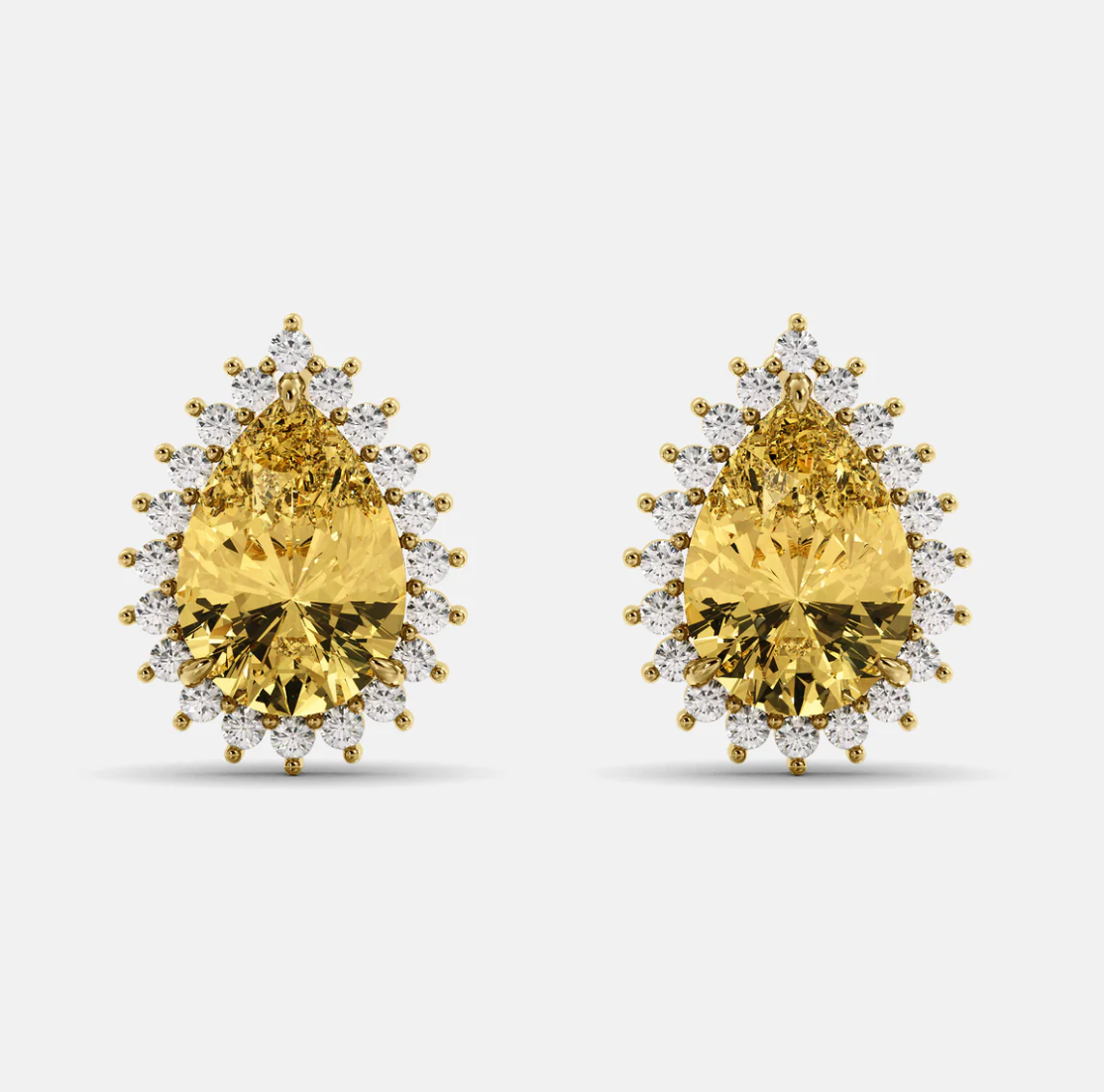

Die ehrliche Antwort auf eine der häufigsten Fragen zum Thema Schmuck, die uns gestellt wird: Was passiert eigentlich mit massivem Gold und Platin im Schwimmbad, im Meer, im Whirlpool und in der Sauna – und welche Schmuckstücke benötigen den größten Schutz?
massives 585er Gold Platin gehören zu den widerstandsfähigsten Materialien, die in der Edelschmuckherstellung verwendet werden. Doch widerstandsfähig bedeutet nicht unzerstörbar – und bestimmte Umgebungsbedingungen beschleunigen den Verschleiß auf eine Weise, die erst dann offensichtlich wird, wenn sich eine Fassung lockert oder ein Stein seinen Glanz verliert.
Schwimmbäder, Whirlpools, das Meer und Saunen tauchen in den Fragen, die wir zur Schmuckpflege erhalten, häufiger auf als fast alles andere. Die Antworten sind nicht immer einfach, da sowohl das Metall als auch die Steine und die jeweilige Umgebung eine Rolle spielen. Hier erfahren Sie, was Sie wirklich wissen müssen.

die kurze Antwort
- Schwimmbad oder Whirlpool Legen Sie Ihren Schmuck ab. Chlor greift die Legierungsmetalle in Gold mit der Zeit an, wodurch die Fassungen geschwächt und die Edelsteine matt werden. Ein einzelner Besuch wird ein Schmuckstück nicht zerstören, aber regelmäßige Einwirkung summiert sich.
- Schwimmen im Meer oder im Ozean Legen Sie Ihren Schmuck ab – aus zwei Gründen. Salzwasser wirkt auf Dauer leicht korrosiv, und das Risiko, ein Schmuckstück im Wasser zu verlieren, ist erheblich. Kaltes Wasser lässt die Finger schrumpfen, sodass Ringe leichter abrutschen, als man denkt.
- Sauna oder Dampfbad Legen Sie Ihren Schmuck ab. Durch die hohe Hitze dehnt sich Metall aus, wodurch sich Ringe nur schwer oder gar nicht mehr abnehmen lassen und bestimmte Edelsteine direkt beschädigt werden können. Außerdem erwärmt sich die Metalloberfläche auf eine Temperatur, die auf der Haut unangenehm ist.
- Süßwasser (Dusche, See, Fluss) Reines Gold und Platin sind in Süßwasser ohne Chemikalien oder extreme Temperaturen im Allgemeinen unbedenklich. Das Duschen mit edlem Schmuck birgt ein geringeres Risiko als der Aufenthalt in Schwimmbädern oder im Meer – allerdings können sich Seife und Shampoo mit der Zeit in den Fassungen ansammeln und die Steine matt werden lassen.
Chlor — Schwimmbäder und Whirlpools
Chlor ist das Hauptproblem in Schwimmbädern und Whirlpools, und es lohnt sich, genau zu verstehen, warum das so ist.
Massives Gold – ob 14-karätig oder 18-karätig – ist eine Legierung. Reines Gold (24-karätig) ist für Schmuck zu weich, daher wird es je nach Farbe und Karatzahl mit anderen Metallen gemischt: Silber, Kupfer, Zink oder Palladium. Diese Legierungsmetalle werden von Chlor angegriffen. Das Gold selbst ist weitgehend beständig; die beigemischten Metalle hingegen nicht.
Bei wiederholter Exposition kann Chlor:
- Geschwächte Krappen und Fassungen Die Krappen sind das erste strukturelle Element, an dem sich die Auswirkungen des Chloreinflusses zeigen. Sie werden spröde, dünn und können die Steine schließlich nicht mehr sicher halten. Ein Versagen der Krappen ist oft erst dann sichtbar, wenn ein Stein bereits fehlt.
- Verursacht Verfärbungen an der Oberfläche Wiederholter Kontakt mit Chlor kann dazu führen, dass Gold stumpf, leicht grünlich oder dunkler erscheint – insbesondere bei Roségold, das einen höheren Kupferanteil aufweist. Diese Verfärbung betrifft nur die Oberfläche und lässt sich oft durch Polieren beseitigen, ist jedoch ein Anzeichen für eine fortschreitende Schädigung der Legierung.
- Verschlüsse und Scharniere Die beweglichen Teile eines Schmuckstücks – ein Armbandverschluss, ein Kette , Ohrringverschlüsse – sind oft anfälliger als die Hauptfassung, da sie aus dünnerem Metall bestehen und mehr Oberflächen freiliegen.
Platin ist zwar widerstandsfähiger gegenüber Chlor als Goldlegierungen, aber dennoch nicht völlig immun dagegen. Wiederholter Kontakt mit Chlorwasser führt zu mikroskopisch kleinen Abnutzungserscheinungen an der Oberfläche, die sich mit der Zeit ansammeln, den natürlichen Glanz des Platins trüben und schließlich eine professionelle Politur erfordern, um ihn wiederherzustellen.
Whirlpools verstärken diese Auswirkungen noch: Höhere Wassertemperaturen beschleunigen chemische Reaktionen, und der erhöhte Chlorgehalt, der zur Aufrechterhaltung der Hygiene in Whirlpools verwendet wird, ist in der Regel höher als in herkömmlichen Schwimmbecken.
Salzwasser — Schwimmen im Ozean und im Meer
Meerwasser ist für die meisten edlen Schmuckstücke chemisch weniger aggressiv als chloriertes Wasser – reines Gold und Platin korrodieren im Meerwasser nicht so stark wie unedle Metalle. Das Schwimmen im Meer birgt jedoch zwei weitere erhebliche Risiken.
Das Verlustrisiko
Kaltes Wasser lässt die Finger sich zusammenziehen. Ein Ring, der bei Raumtemperatur perfekt sitzt, kann im Meer leicht abrutschen – oft merkt man das erst, wenn man bereits wieder an Land ist. Dies ist der häufigste Grund, warum edler Schmuck am Strand verloren geht. Wenn ein Schmuckstück einen erheblichen finanziellen oder sentimentalen Wert hat, ist das Meer kein sicherer Ort dafür.
Der kumulative Effekt
Salzwasser selbst wirkt bei längerer, wiederholter Einwirkung leicht korrosiv. Bei den meisten Schmuckstücken aus massivem Gold und Platin, die nur gelegentlich getragen werden, ist das Risiko gering. Bei Schmuckstücken, die täglich in einer Meeresumgebung getragen werden – beispielsweise bei einem Wohnort in Meeresnähe oder regelmäßigem Surfen –, sind die kumulativen Auswirkungen auf Fassungen und Verschlüsse jedoch deutlich spürbar, sodass eine häufigere professionelle Reinigung und Überprüfung erforderlich ist.
Auch Sand stellt ein Problem dar. Feine Sandpartikel wirken wie Schleifmittel auf Metalloberflächen und können sowohl das Metall als auch bestimmte weichere Edelsteine zerkratzen. Bei Schmuckstücken, die bei Strandaktivitäten getragen werden, sammelt sich Sand in den Fassungen an; diese sollten daher anschließend umgehend abgespült und gereinigt werden.
Saunen und Dampfbäder
Die Risiken in einer Sauna unterscheiden sich zwar von denen im Wasser – es geht eher um Hitze als um den Kontakt mit Chemikalien –, doch die Empfehlung lautet dieselbe: Legen Sie Ihren Schmuck ab.
Wärmeausdehnung
Metall dehnt sich bei Erwärmung aus. Ein Ring, der bei Raumtemperatur bequem sitzt, wird in der Sauna spürbar enger und lässt sich möglicherweise nur schwer oder unter Schmerzen abnehmen, wenn geschwollene Finger diesen Effekt noch verstärken. Dies ist einer der wenigen Fälle bei der Schmuckpflege, in denen nicht nur das Schmuckstück, sondern auch der Träger einem direkten körperlichen Risiko ausgesetzt ist.
Oberflächentemperatur
Metall leitet Wärme sehr gut. In der Sauna Kette die Oberfläche eines Rings oder Kette auf der Haut unangenehm oder sogar schmerzhaft heiß werden – insbesondere bei dickeren Schmuckstücken mit größerer Metallmasse. Am deutlichsten macht sich dies bei breiten Ringen, schweren Ketten und großen Fassungen bemerkbar.
Empfindlichkeit gegenüber Edelsteinen
Bestimmte Edelsteine reagieren empfindlich auf hohe Hitze. Bei mit Rissen gefüllten Steinen (wie sie häufig bei handelsüblichen Smaragden vorkommen), geölten Steinen sowie Verbund- oder zusammengesetzten Steinen kann sich die Behandlung durch wiederholte Hitzeeinwirkung zersetzen. Selbst stabile Natursteine können einen Thermoschock erleiden, wenn sie schnell von extremer Hitze in extreme Kälte gebracht werden – beispielsweise von der Sauna direkt in ein Kaltwasserbecken.
Dampfbäder fügen der Hitze Feuchtigkeit hinzu, was das Anlaufen von Silber beschleunigen und zu Ablagerungen in den Fassungen führen kann.

Was ist mit den Edelsteinen?
Das Metall eines Schmuckstücks ist in der Regel widerstandsfähiger als die Edelsteine. Wenn man an Schwimmbäder, das Meer und Saunen denkt, sind die Überlegungen hinsichtlich der Edelsteine oft der ausschlaggebende Faktor dafür, ob man ein Schmuckstück ablegt.
- Diamanten der stabilste aller Edelsteine – unempfindlich gegenüber Chlor, Salzwasser oder Saunahitze bei den Temperaturen und Konzentrationen, wie sie im normalen Gebrauch vorkommen. Der Stein selbst ist nicht das Problem, sondern die Fassung, in der er sitzt.
- Saphire und Rubine Korund ist extrem hart und chemisch beständig. Natürliche Saphire und Rubine sind in all diesen Umgebungen beständig. Wärmebehandelte Steine (die Mehrheit der im Handel erhältlichen Steine) sind nach der Behandlung beständig. Auch hier ist die Fassung der wichtigste Faktor.
- Smaragde Die meisten im Handel erhältlichen Smaragde werden geölt oder mit Harz gefüllt, um ihr Aussehen zu verbessern. Chlor und Hitze können diese Behandlungen mit der Zeit beeinträchtigen, wodurch der Stein mehr Einschlüsse aufweist oder stumpf erscheint. Smaragde sollten vor dem Besuch von Schwimmbädern, Whirlpools und Saunen stets abgelegt werden.
- Perlen und Opale Natürliche Edelsteine, die empfindlich auf Chemikalien, Hitze und Trockenheit reagieren. Chlor, Salzwasser und Saunahitze schädigen Perlen und Opale – manchmal irreversibel. Sie sollten daher niemals in solchen Umgebungen getragen werden.
- Morganit, Aquamarin und andere Berylle sind in Wasser beständig, doch die meisten im Handel erhältlichen Steine dieser Familie wurden einer Wärmebehandlung unterzogen, und einige reagieren möglicherweise empfindlich auf Saunatemperaturen. Nehmen Sie sie vorsichtshalber vor dem Saunagang ab; das Risiko beim Kontakt mit Schwimmbad- und Meerwasser ist geringer.
- Türkis, Koralle und Bernstein poröse organische oder halborganische Materialien, die Chemikalien aus dem Schwimmbadwasser aufnehmen und durch Hitze beschädigt werden. Keines dieser Materialien sollte in Schwimmbädern, Whirlpools, im Meer oder in Saunen getragen werden.
Maßnahmen nach Exposition
Sollte ein Kleidungsstück – absichtlich oder versehentlich – in einem Schwimmbecken, im Meer oder in der Sauna gewesen sein, lassen sich durch die folgenden Maßnahmen weitere Schäden minimieren.
Sofort ausspülen
Spülen Sie das Schmuckstück so bald wie möglich nach dem Kontakt mit Chlor oder Salzwasser unter sauberem, lauwarmem Süßwasser ab. Dadurch werden die chemischen Rückstände entfernt, bevor sie Zeit haben, sich am Metall und an den Fassungen festzusetzen.
Schonende Reinigung
Ein kleiner Tropfen mildes Spülmittel in warmem Wasser, eine weiche Bürste für die Fassungen und Zinken, gründliches Abspülen und vorsichtiges Abtrocknen mit einem weichen, fusselfreien Tuch. Niemals an der Luft trocknen lassen – Wasser, das in den Fassungen zurückbleibt, kann Mineralablagerungen hinterlassen, die sich mit der Zeit ansammeln.
Überprüfen Sie die Einstellungen
Drücken Sie nach jedem stärkeren Gebrauch jeden Stein vorsichtig von einer Seite zur anderen. Der Stein sollte sich dabei überhaupt nicht bewegen. Wenn ein Stein wackelt oder klappert, hat sich eine Fassung gelöst, und das Schmuckstück muss von einem Juwelier begutachtet werden, bevor es wieder getragen wird.
Professionelle Reinigung bei Bedarf
Schmuckstücke, die regelmäßig am Pool, am Meer oder in heißen Klimazonen getragen werden, sollten ein- bis zweimal im Jahr professionell gereinigt und auf den festen Sitz der Fassungen überprüft werden. So lässt sich ein Verschleiß der Fassungen erkennen, bevor ein Stein verloren geht, und das Schmuckstück sieht weiterhin so gut aus wie am Tag seiner Herstellung.
Bei juwels & co bieten wir Ihnen kostenlose Reinigungsberatung an und zeigen Ihnen, wie Sie jedes Schmuckstück aus unserer Kollektion richtig pflegen. Kontaktieren Sie uns unter
hello@juwels.co bei Fragen zu einem bestimmten Werk.
Häufig gestellte Fragen
Kann man massives 585er Gold im Schwimmbad tragen?
Kann man im Meer Goldschmuck tragen?
Beschädigt Chlor Schmuck aus massivem Gold?
Ist es unbedenklich, Platin im Schwimmbad zu tragen?
Darf man in der Sauna Schmuck tragen?
Was passiert, wenn man in der Sauna einen Ring trägt?
Kann man mit Goldschmuck duschen?
Wie reinige ich Goldschmuck, nachdem er im Schwimmbad oder im Meer war?
Stücke, die auf Langlebigkeit ausgelegt sind – bei richtiger Pflege.
massives 585er Gold, handgefertigt in los angeles. Haben Sie Fragen zur Pflege eines bestimmten Schmuckstücks oder Edelsteins? Wir helfen Ihnen gerne weiter.


