


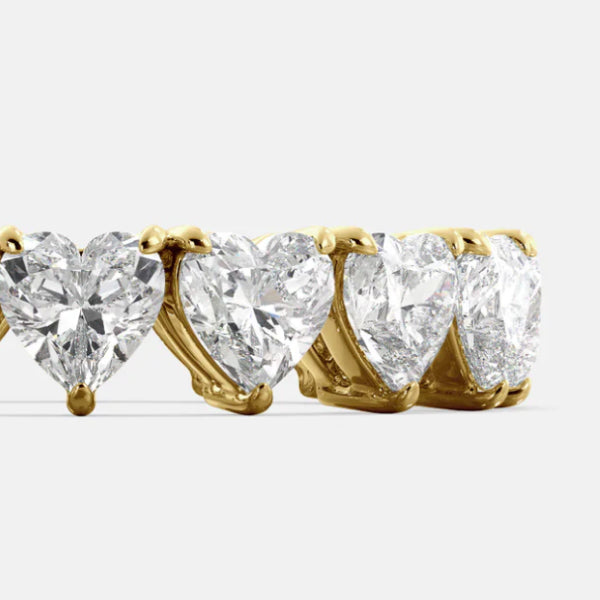

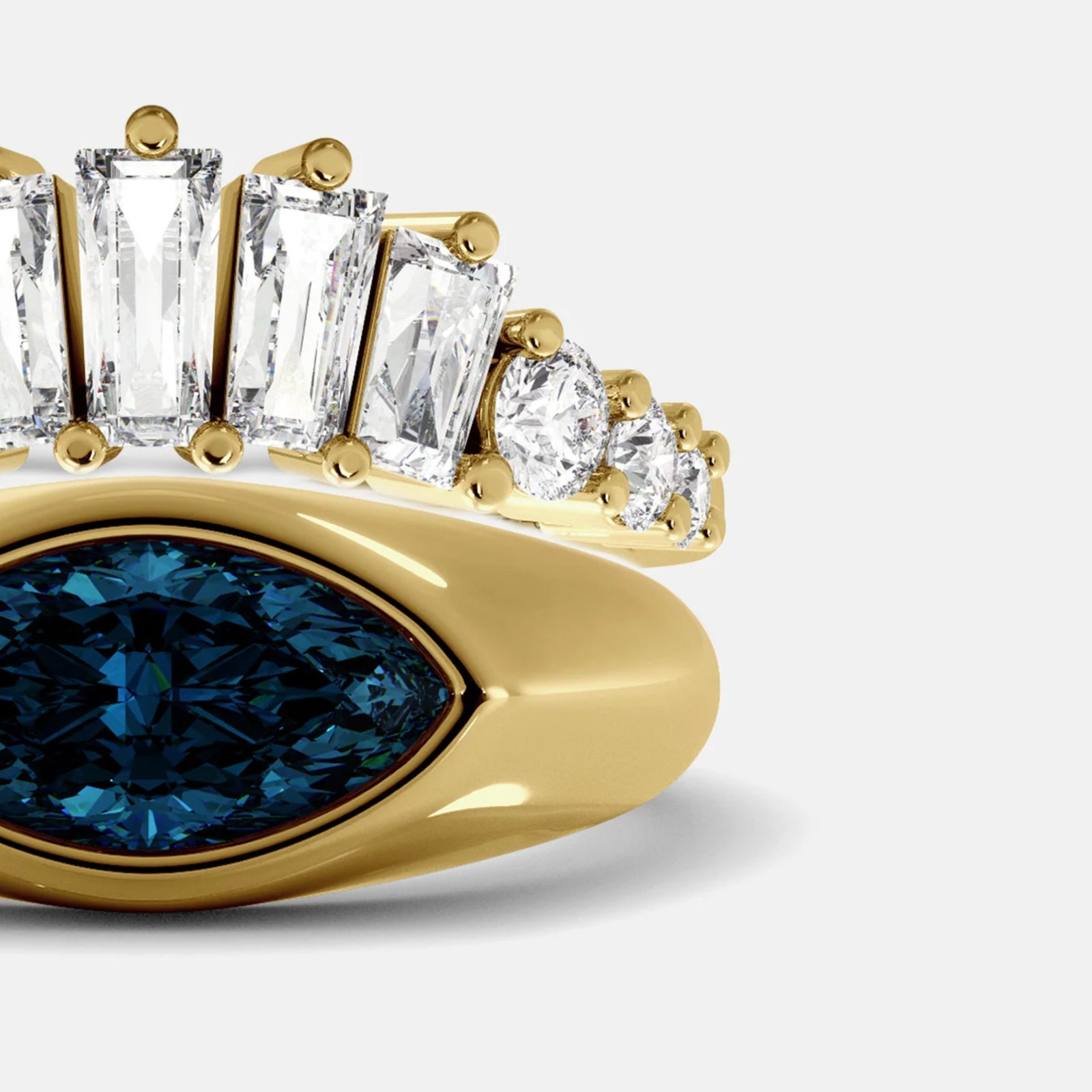

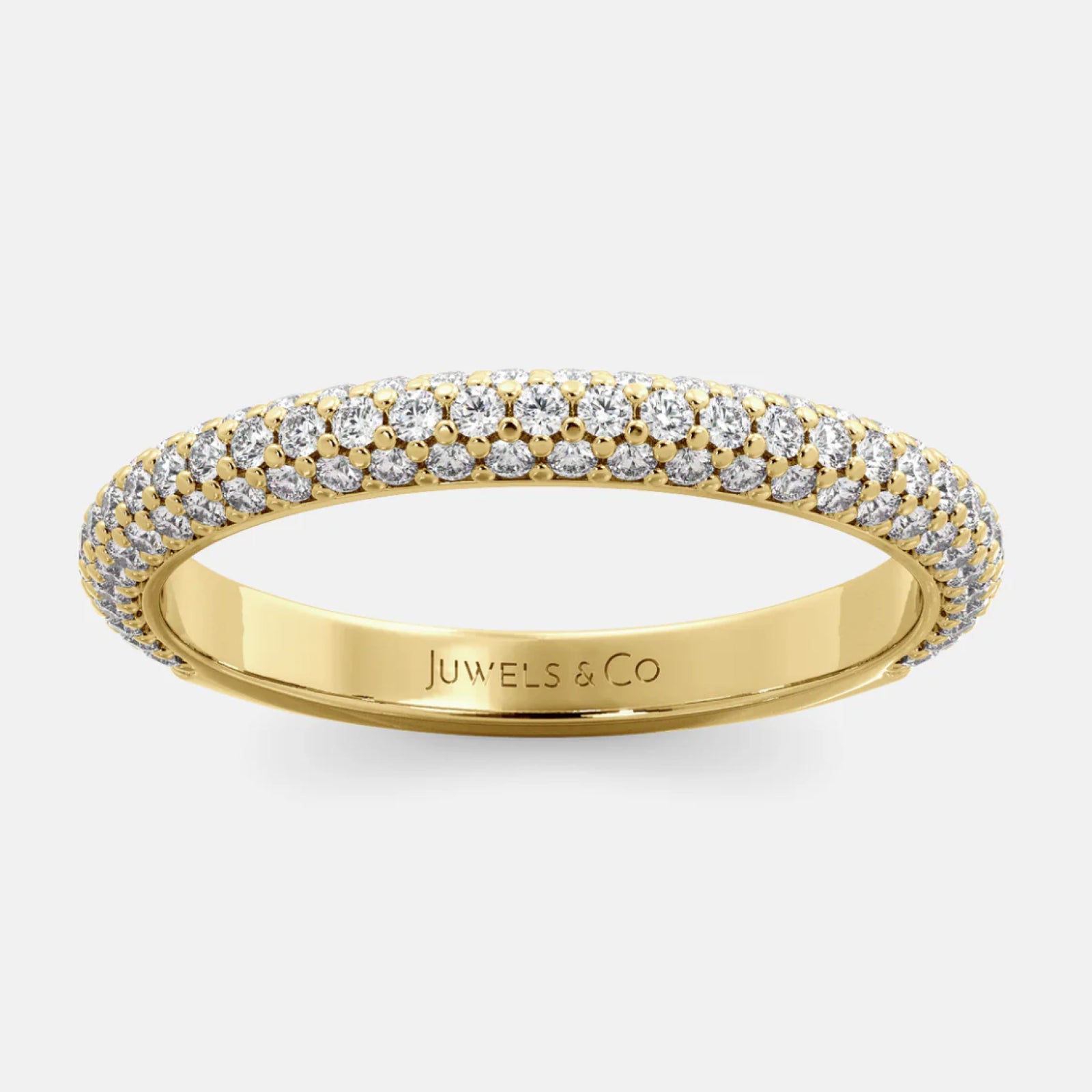











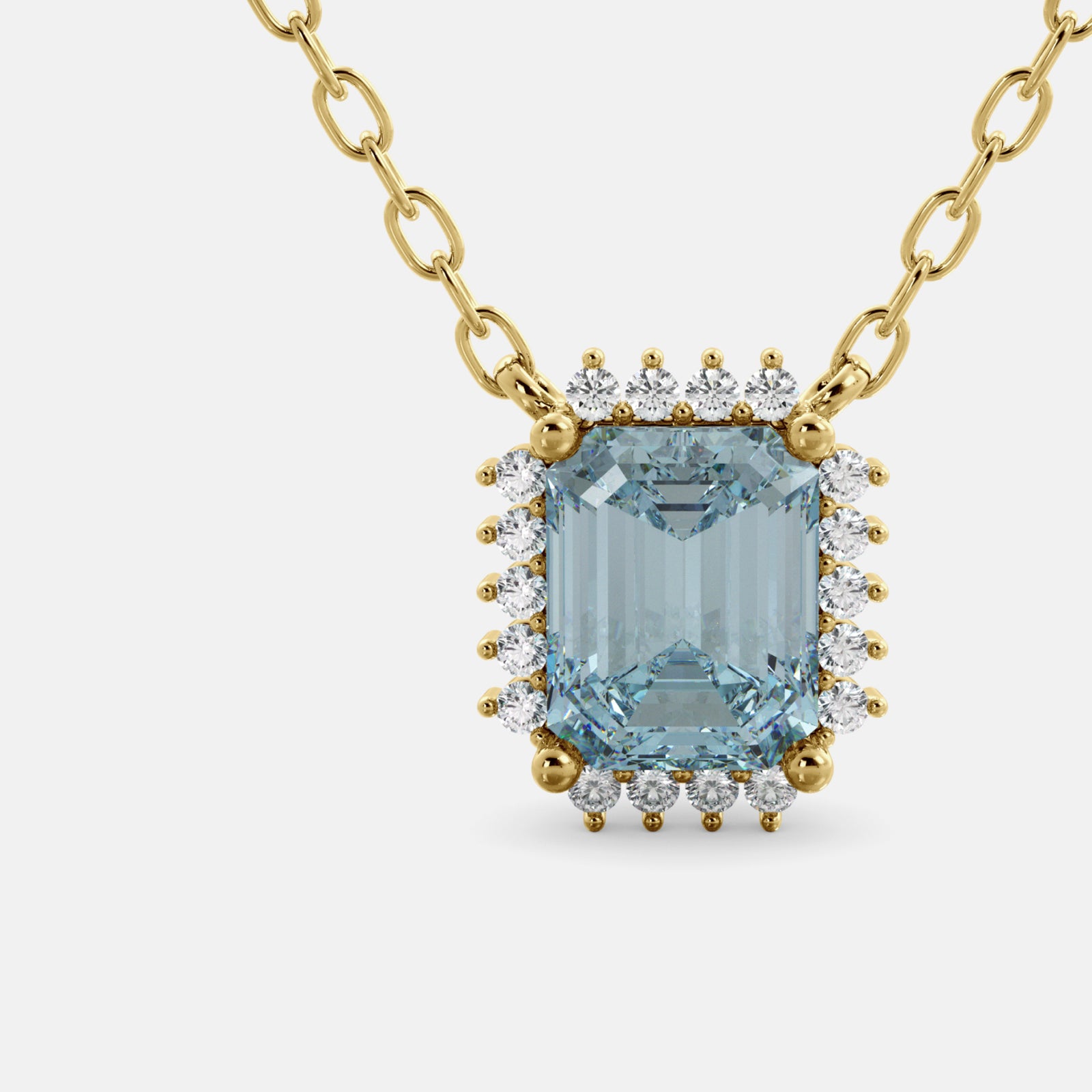

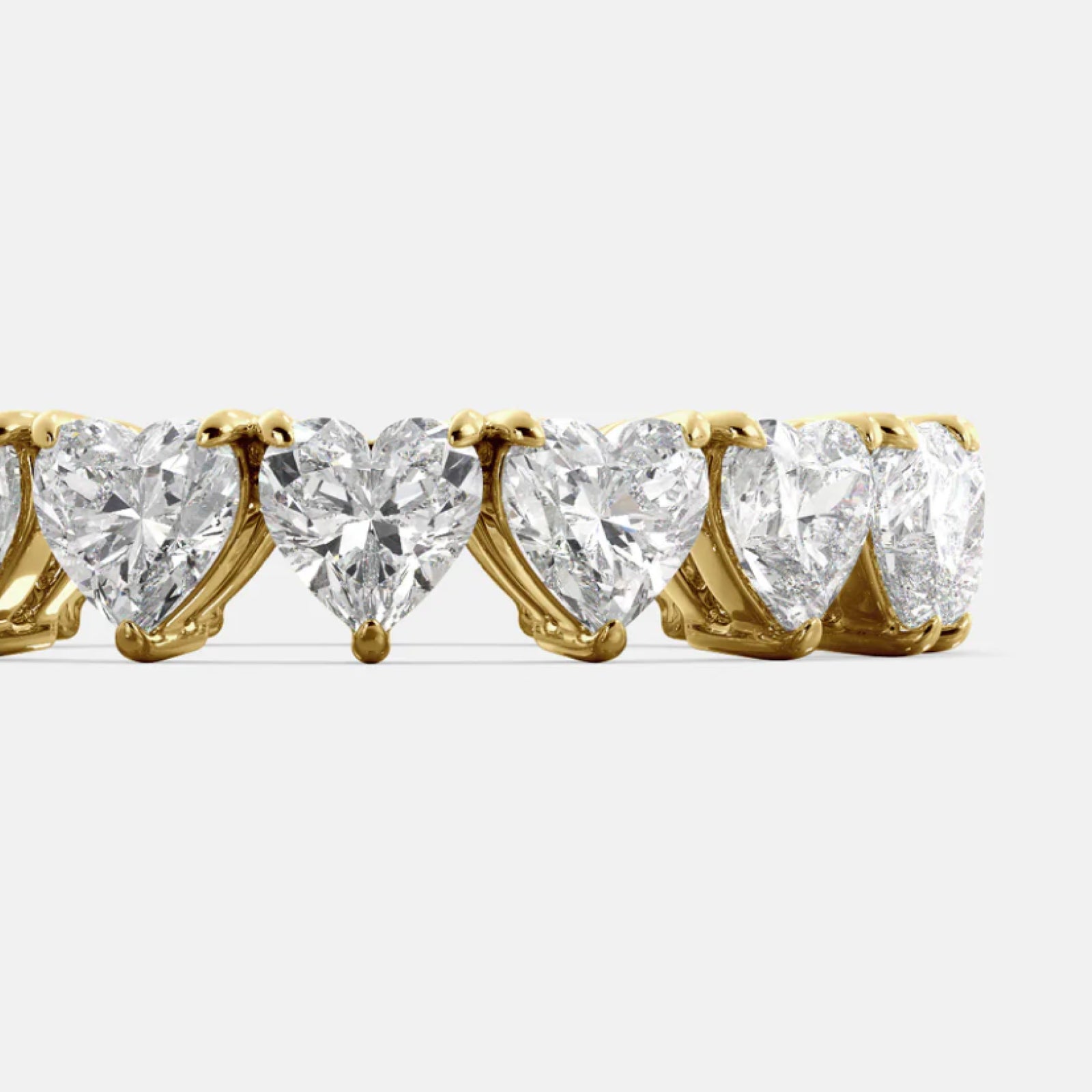

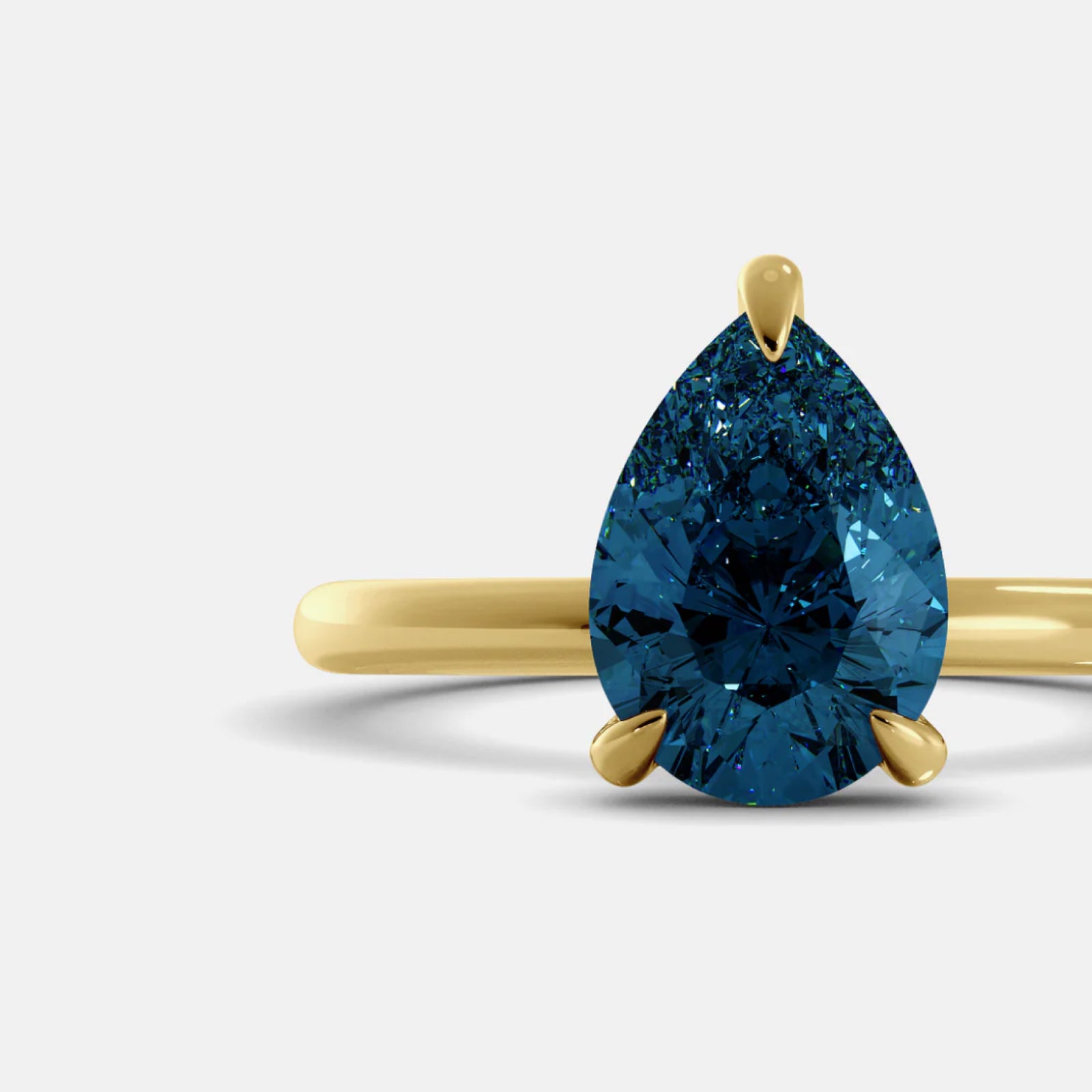




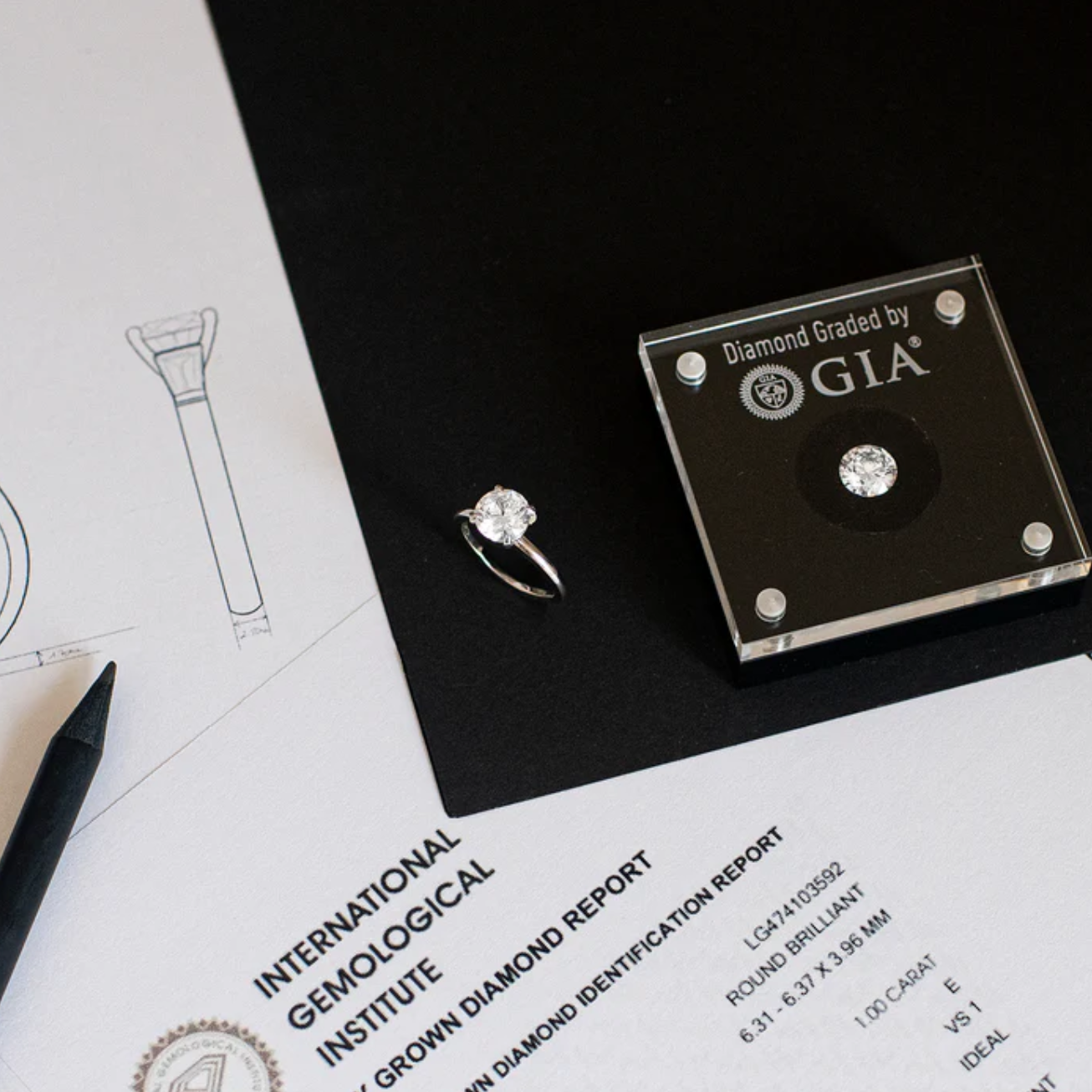





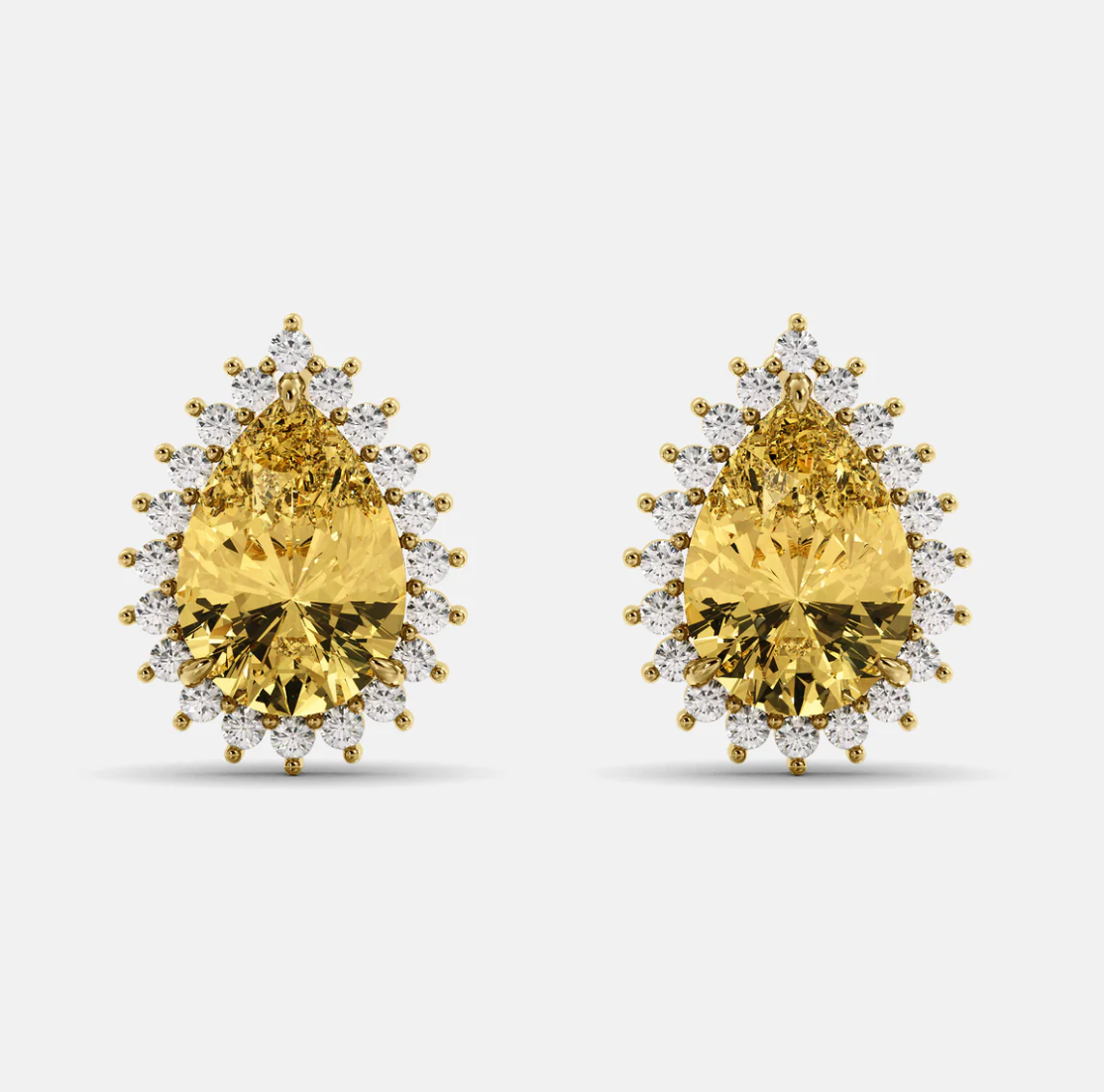

Schliff, Farbe, Reinheit und Karat – die vier Faktoren, anhand derer jeder Diamant bewertet wird. Zu verstehen, was jeder dieser Faktoren tatsächlich bedeutet, welcher davon am wichtigsten ist und wie sie zusammenwirken, macht den Unterschied zwischen einem selbstbewussten Kauf und einem Kauf „im Blindflug“ aus.
Die 4Cs wurden Mitte des 20. Jahrhunderts vom Gemological Institute of America (GIA) als standardisierte Sprache zur Beschreibung der Diamantqualität entwickelt. Bevor es dieses System gab, bedeutete der Kauf eines Diamanten, sich auf die Beschreibung eines Juweliers zu verlassen, ohne dass es einen objektiven Bezugsrahmen gab. Die 4Cs verschafften Käufern und Verkäufern eine gemeinsame Terminologie – und eine Möglichkeit, Steine zu vergleichen, die andernfalls eine direkte Gegenüberstellung erfordert hätten.
Die Kenntnis der 4Cs macht Sie noch nicht zum Gemmologen. Aber sie bedeutet, dass Sie ein Zertifikat lesen, die richtigen Fragen stellen und verstehen können, wofür Sie bezahlen. Genau darum geht es in diesem Leitfaden.
Schnitt — das wichtigste C
Der Schliff gilt allgemein als der wichtigste der vier Faktoren – und als der am meisten missverstandene. Mit „Schliff“ ist nicht die Form eines Diamanten gemeint (rund, birnenförmig, smaragdförmig usw.). Vielmehr bezieht er sich darauf, wie gut die Facetten des Diamanten proportioniert, ausgerichtet und poliert wurden, um das Licht optimal zu reflektieren.
Ein gut geschliffener Diamant nimmt das Licht auf, das durch die Tafel (die flache obere Facette) eintritt, reflektiert es im Inneren zwischen den Pavillonfacetten (den unteren, abgeschrägten Flächen) und leitet es durch die Oberseite zurück zu Ihrem Auge. Dadurch entstehen Brillanz – die Reflexion von weißem Licht – und Feuer – die Streuung von farbigem Licht.
Bei einem schlecht geschliffenen Diamanten tritt Licht an den Seiten oder am Boden aus. Er wirkt matt und flach, unabhängig von seiner Reinheit oder Farbe. Ein gut geschliffener Diamant mit geringerer Reinheit ist fast immer besser als ein schlecht geschliffener Diamant mit höherer Reinheit.
- Hervorragend maximale Lichtausbeute. Die höchste GIA-Schliffqualität – reflektiert praktisch das gesamte in den Stein einfallende Licht. Ein gut geschliffener Rundbrilliant wirkt deutlich brillanter und lebendiger als derselbe Stein, der in einer niedrigeren Schliffqualität geschliffen wurde.
- Sehr gut reflektiert das meiste Licht mit hervorragender Brillanz. Eine praktische Wahl für Käufer, die nahezu ideale Leistung bei etwas mehr Flexibilität beim Budget wünschen.
- Gut reflektiert eine gute Lichtmenge. Im direkten Vergleich ist ein sichtbarer Unterschied zu „Ausgezeichnet“ erkennbar; für sich allein betrachtet ist dieser weniger offensichtlich. Für manche preisorientierte Entscheidungen akzeptabel.
- Befriedigend / Mangelhaft Deutlicher Lichtverlust. Der Stein wirkt merklich matter. Im Allgemeinen nicht für edlen Schmuck zu empfehlen – der optische Kompromiss ist im Verhältnis zur Ersparnis zu groß.
Hinweis: Das GIA vergibt Schliffgrade ausschließlich für runde Brillanten. Für ausgefallene Schliffformen (Birne, Oval, Kissen, Smaragdschliff) wird kein GIA-Schliffgrad vergeben – bei diesen Formen werden die Proportionen anders bewertet, und die visuelle Beurteilung spielt eine größere Rolle.
Klarheit — Was Einschlüsse bedeuten
Die Reinheit bezieht sich auf das Vorhandensein – oder Fehlen – von inneren Merkmalen (Einschlüssen) und Oberflächenmerkmalen (Unreinheiten) in einem Diamanten. Einschlüsse entstehen während des Wachstumsprozesses des Diamanten: winzige Kristalle, Risse, Trübungen oder Federn, die im Stein eingeschlossen sind.
Die Reinheit wird von einem ausgebildeten Gemmologen unter 10-facher Vergrößerung bewertet. Der Reinheitsgrad spiegelt wider, was bei dieser Vergrößerung sichtbar ist – nicht unbedingt das, was mit bloßem Auge erkennbar ist.
- FL / IF — Flawless / Internally Flawless Keine Einschlüsse unter 10-facher Vergrößerung sichtbar. Extrem selten – weniger als 1 % aller Diamanten erreichen diesen Grad. Für die meisten Käufer ist der praktische Unterschied zwischen FL und VS1 nicht erkennbar; der Preisunterschied ist jedoch sehr erheblich.
- VVS1 / VVS2 – Sehr, sehr geringfügige Einschlüsse Einschlüsse, die selbst für einen erfahrenen Gutachter unter 10-facher Vergrößerung äußerst schwer zu erkennen sind. Mit bloßem Auge völlig unsichtbar. Eine hervorragende Qualität für Käufer, die nahezu perfekte Steine ohne den Aufpreis für FL/IF suchen.
- VS1 / VS2 – Sehr geringfügige Einschlüsse Unter dem Vergrößerungsgerät sichtbare, mit bloßem Auge nicht erkennbare geringfügige Einschlüsse. Der ideale Kompromiss für die meisten Käufer von edlem Schmuck – hohe Reinheit zu einem erschwinglicheren Preis als bei VVS.
- SI1 / SI2 – Leicht eingeschlossen Einschlüsse, die unter 10-facher Vergrößerung erkennbar sind; je nach Art und Lage des Einschlusses können sie mit bloßem Auge sichtbar sein oder auch nicht. SI1 ist oft augenrein; SI2 erfordert eine individuelle Beurteilung. Bei sorgfältiger Auswahl eine praktische und preisgünstige Option.
- I1 / I2 / I3 — Einschlüsse Mit bloßem Auge sichtbare Einschlüsse. I1 kann unter bestimmten Umständen und bei bestimmten Größen akzeptabel sein; I2 und I3 weisen in der Regel deutliche Einschlüsse auf, die das Erscheinungsbild des Steins beeinträchtigen. Nicht empfohlen für edlen Schmuck, der für den täglichen Gebrauch bestimmt ist.
Farbe — die Bewertungsskala
Die Farbe von Diamanten wird anhand der D-bis-Z-Skala der GIA bewertet, die den Grad der Farblosigkeit misst. Die Skala beginnt bei D (völlig farblos) und verläuft über zunehmend stärkere Gelb- oder Brauntöne bis hin zu Z. Das System beginnt bei D statt bei A, da frühere Bewertungssysteme die Bezeichnungen A, AA und AAA uneinheitlich verwendet hatten – die GIA hat daher einen Neuanfang gemacht.
- D, E, F — Farblos Die seltensten Farbklassen. Unter kontrollierten Lichtbedingungen völlig farblos. D ist die absolute Spitze der Skala; E und F sind mit bloßem Auge praktisch nicht von D zu unterscheiden und stellen einen praktischeren Einstieg in den farblosen Bereich dar, ohne den Aufpreis für D.
- G, H, I, J – Nahezu farblos der beliebteste Farbbereich für edlen Schmuck. Es ist eine Spur von Farbe vorhanden, die jedoch für das bloße Auge isoliert betrachtet nicht sichtbar ist – sie lässt sich nur im Vergleich zu einem Stein höherer Qualität erkennen. Insbesondere die Farben G und H bieten ein hervorragendes Preis-Leistungs-Verhältnis, da sie von oben betrachtet farblos wirken, dabei aber deutlich weniger kosten als die Farben D–F.
- K, L, M — Ein Eine leichte Wärme, die mit bloßem Auge sichtbar ist. Eignet sich hervorragend für Fassungen aus Gelb- oder Roségold, bei denen der warme Farbton des Metalls den Stein ergänzt, anstatt einen Kontrast zu ihm zu bilden. Nicht empfohlen für Fassungen aus Weißgold oder Platin, bei denen die Färbung deutlicher hervortritt.
- N–Z — Hell bis sehr hell mit einer leicht sichtbaren gelben oder braunen Tönung. Wird in der Regel nicht in edlen Schmuckstücken für den täglichen Gebrauch verwendet. Eine Ausnahme bilden bestimmte antike oder Vintage-Schliffe, bei denen eine wärmere Farbe als Teil des ästhetischen Charakters angesehen wird.
Farb- und Metallauswahl
Die Wahl des Metalls beeinflusst, wie die Farbe Ihres Diamanten wahrgenommen wird. Gelbgold und Roségold verleihen jedem darin gefassten Stein eine warme Note – ein Diamant der Farbe G oder H, der in Gelbgold gefasst ist, wirkt weiß, da man die Wärme des Goldes erwartet. Derselbe Stein in Platin oder Weißgold zeigt im Gegensatz dazu etwas mehr Farbe. Wenn Sie sich für ein weißes Metall entscheiden, sorgt die Wahl einer Farbe im Bereich D–H für das klarste und strahlendste Erscheinungsbild.
Karat — Gewicht vs. Größe
Das Karat ist eine Gewichtseinheit, keine Größeneinheit. Ein Karat entspricht genau 0,2 Gramm. Zwei Diamanten mit demselben Karatgewicht können je nach Schliff unterschiedlich groß wirken – ein flacher, breiter Schliff lässt den Diamanten von oben betrachtet größer erscheinen, geht jedoch zu Lasten der Brillanz; ein gut proportionierter Schliff lässt den Diamanten etwas kleiner wirken, bietet jedoch eine deutlich bessere Brillanz.
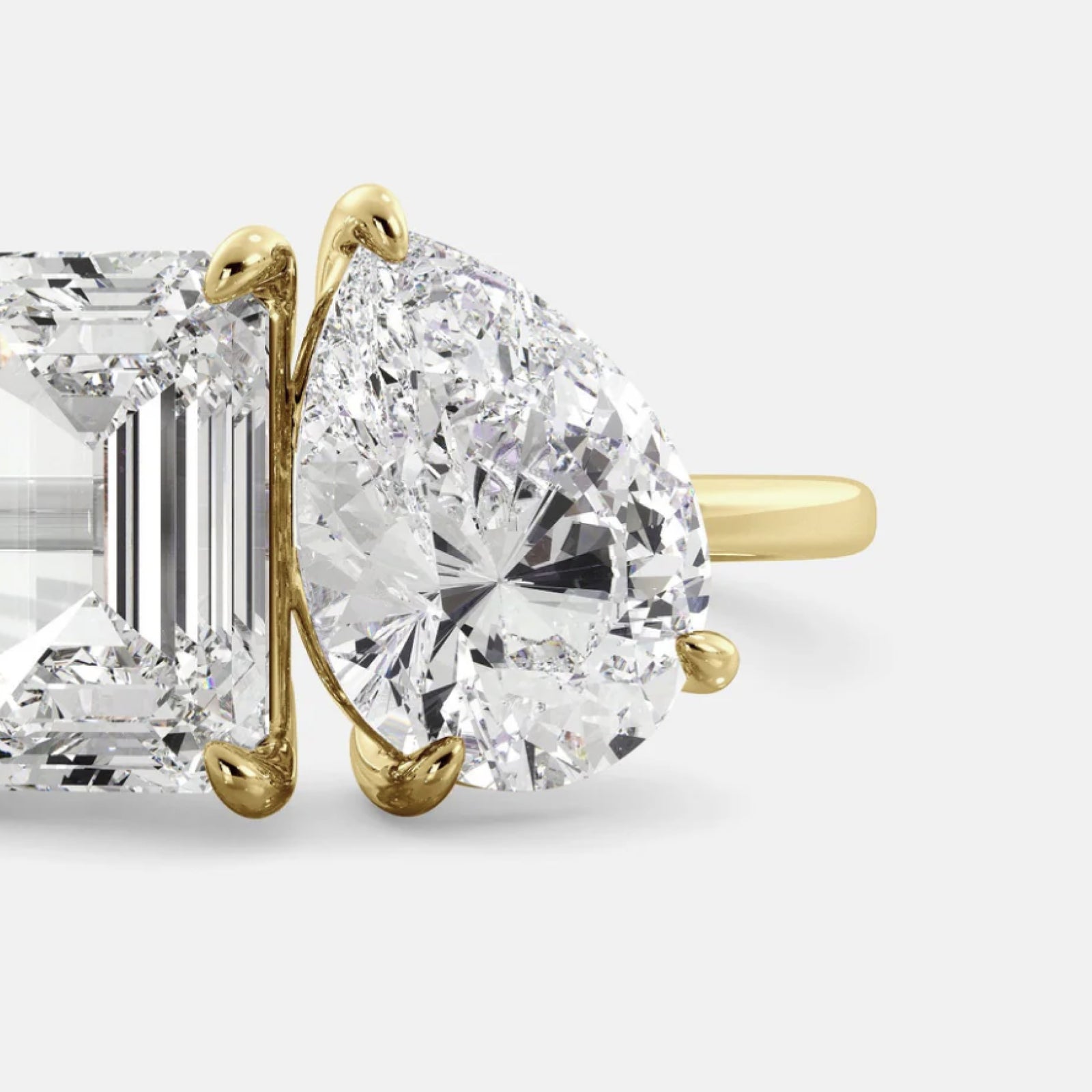
Das Karatgewicht steht auch in Wechselwirkung mit der Form. Verschiedene Formen verteilen dasselbe Gewicht unterschiedlich: Ein ovaler Diamant wirkt in der Regel größer als ein runder Brilliant mit demselben Karatgewicht, da sich seine längliche Form über den Finger erstreckt. Längliche Schliffe – Oval, Birne, Marquise – werden oft von Käufern gewählt, die bei einem bestimmten Karatgewicht eine größere optische Wirkung erzielen möchten.
Das Karatgewicht hat einen überproportionalen Einfluss auf den Preis. Ein Diamant mit 1,0 ct kostet deutlich mehr als zwei Diamanten mit jeweils 0,5 ct gleicher Qualität – da größere Rohdiamanten seltener sind. Der Preis pro Karat steigt mit zunehmendem Karatgewicht und macht bei runden Zahlen (0,5; 1,0; 1,5; 2,0) einen sprunghaften Anstieg. Ein Diamant mit 0,95 ct sieht oft genauso aus wie ein 1,0-ct-Stein, ist aber deutlich günstiger.
Wie die 4Cs zusammenwirken
Die 4Cs stehen nicht für sich allein – jedes einzelne beeinflusst die Wahrnehmung der anderen, und das richtige Gleichgewicht hängt von Ihren Prioritäten und Ihrem Budget ab.
| Priorität | Empfohlene Vorgehensweise | Wo kann man sparen? |
|---|---|---|
| Maximale Brillanz | Hervorragender Schliff, Farbe G–H, Reinheit VS2 | Karatgewicht – wählen Sie einen Wert, der etwas unter den runden Zahlen liegt |
| Größere Bilddarstellung | Längliche Form (oval, birnenförmig), Reinheit VS2–SI1 | Farbe (G–J passt gut zu Gelbgold) |
| Preisbewusst | Ausgezeichneter oder sehr guter Schliff, Farbe G–H | Reinheit – SI1, mit bloßem Auge makellos, 0,9 ct statt 1,0 ct |
| Farbloses Aussehen | Farbklasse D–F, Fassung aus Weißgold oder Platin | Reinheit — VS2 oder SI1, augenrein |
| Warme Vintage-Ästhetik | Farbe K–M in Gelbgold, im Old-Mine- oder Old-European-Schliff | Die Farbkorrektur ist ein Feature, kein Kompromiss |
die 4Cs und im Labor gezüchtete Diamanten
Laborgezüchtete Diamanten werden nach genau derselben GIA-4C-Skala bewertet wie natürliche Diamanten. Die Bewertungskriterien sind identisch, da das Material identisch ist – Kohlenstoff in einer Kristallgitterstruktur mit denselben optischen Eigenschaften und demselben Spektrum an Einschlüssen, Farbvariationen und Schliffqualitäten.
Der praktische Unterschied: Labordiamanten sind zu deutlich niedrigeren Preisen erhältlich als vergleichbare natürliche Diamanten – in der Regel 50–80 % günstiger bei gleicher 4C-Bewertung. Das bedeutet, dass ein Käufer, der ursprünglich einen natürlichen Diamanten der Reinheit SI1, der Farbe H und mit 0,8 ct in Betracht gezogen hätte, nun mit demselben Budget einen Labordiamanten der Reinheit VS1, der Farbe F und mit 1,2 ct in Betracht ziehen kann. Die 4Cs reichen somit weiter.
Bei juwels & co verwenden wir für alle unsere Diamantschmuckstücke im Labor gezüchtete Diamanten – zertifizierte, bewertete Steine, die sowohl aufgrund ihres individuellen Charakters als auch ihrer technischen Eigenschaften ausgewählt werden. Wir suchen nach Steinen, die in der jeweiligen Fassung, in der sie eingesetzt werden, gut zur Geltung kommen, und nicht nur nach Steinen, die auf dem Papier gut abschneiden.
Häufig gestellte Fragen
Was sind die 4Cs bei Diamanten?
Welches der 4Cs ist am wichtigsten?
Was ist die beste Diamantfarbklasse?
Welchen Reinheitsgrad sollte ich bei einem Diamanten wählen?
Sieht ein Diamant mit höherem Karatgewicht immer größer aus?
Werden im Labor hergestellte Diamanten nach derselben Skala bewertet wie natürliche Diamanten?
Welche 4C-Qualitätsstufen verwendet Juwels & Co.?
Was ist der Unterschied zwischen einem Diamantschliff und einer Diamantform?
mit Bedacht ausgewählte Diamanten.
Laborgezüchtete Diamanten in massives 585er Gold, handgefertigt in los angeles. Jeder Stein wird danach ausgewählt, wie er in seiner Fassung zur Geltung kommt – und nicht nur danach, welche Bewertung er auf dem Papier erhält.


